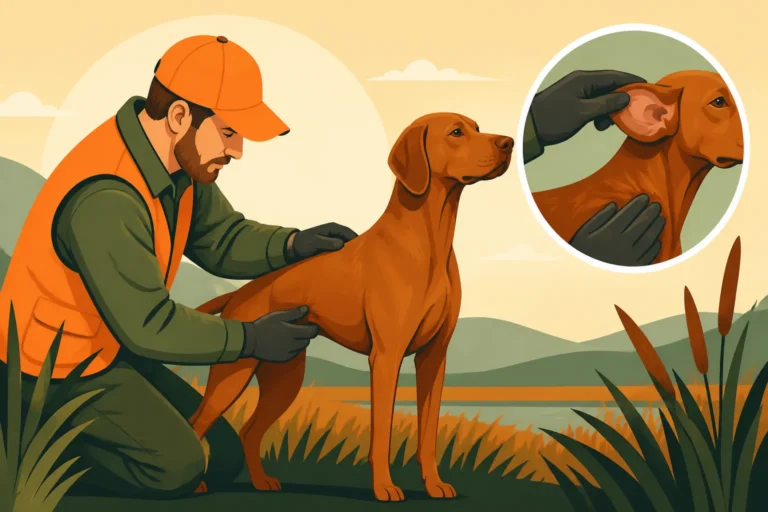
How Much an Adult Vizsla Eats Daily
It’s a tale as old as time for Vizsla owners: you’ve just fed your dog a hearty meal, and five minutes later, they’re staring at you with those soulful, pleading eyes, as if they haven’t eaten in a week. It’s easy to wonder if you’re doing something wrong or if your Vizsla is just a bottomless pit. This guide is here to help you understand the unique dietary needs of your adult Vizsla, ensuring they get the right amount of fuel for their boundless energy and maintain optimal health without breaking the bank or constantly wondering if they're still hungry.
The Unique Energy Demands of an Adult Vizsla
Vizslas are not just pets; they're finely tuned athletes wrapped in a stunning golden-rust coat. This breed carries a high metabolism and a constant drive that means their caloric needs are often far greater than what you might expect for a dog of their size. It's not uncommon for owners to feel like they're feeding a horse disguised as a dog, and there's a good reason for that perception.
Why Vizslas Aren't Your Average Dog
Vizslas are renowned for their incredible energy levels and their "velcro" nature. They want to be with you, doing whatever you're doing, and often, that means they're burning calories even when you think they're just lounging. A Vizsla "resting" might still be twitching, dreaming, or repositioning itself to be closer to you, expending small bits of energy all the while. This breed was developed for endurance and speed in the field, which translates to a highly efficient, calorie-burning machine. Many owners get frustrated seeing their Vizsla eat a significant amount of food yet remain incredibly lean, sometimes even looking a bit too thin despite efforts to bulk them up. This isn't usually an issue with the dog; it's simply a testament to their inherent metabolic rate and constant motion, both physical and mental. Their active minds and bodies require consistent energy input to thrive.
Factors Influencing a Vizsla's Caloric Needs
Determining the exact amount of food your Vizsla needs isn't a one-size-fits-all equation. Several key factors play a significant role in their daily caloric requirements:
- Activity Level: This is perhaps the most significant factor. A Vizsla that spends several hours a day hunting, running trails, or participating in agility competitions will need significantly more calories than one that's primarily a companion dog with daily leash walks and backyard play. How Far a Vizsla Should Run Daily The difference can be stark, sometimes requiring double the intake.
- Age: A young adult Vizsla (typically from 1-5 years old) often has the highest energy demands as they are still in their prime. As they mature into their senior years (around 7-8+), their metabolism might slow down, and their activity levels could decrease, necessitating a reduction in calories to prevent unwanted weight gain. Feeding an Old Vizsla
- Individual Metabolism: Just like people, some Vizslas naturally have a higher metabolism than others. You might have two Vizslas of the same age and activity level, and one just requires more food to maintain condition. This is often something you'll learn about your specific dog over time.
- Climate: Dogs living and working in colder climates will burn more calories simply to maintain their body temperature. If your Vizsla is out in freezing weather during hunting season, their energy expenditure will be higher than if they're working in a mild climate. Whether a Vizsla Needs a Winter Jacket
- Spay/Neuter Status: Spaying or neutering can sometimes lead to a slight decrease in metabolic rate and an increased propensity for weight gain. If your Vizsla has been altered, you might need to adjust their food intake downwards slightly to prevent them from putting on excess pounds. It's a subtle change, but one to be mindful of over time.
General Guidelines for Daily Food Intake
When it comes to feeding your adult Vizsla, it's crucial to understand that there isn't one magic number that applies to every dog. However, we can establish some reliable starting points and methods to help you fine-tune your approach.
Reading the Bag: Starting Point, Not the End All
The first place most people look for feeding advice is the back of their dog food bag. These labels typically provide a feeding chart based on your dog's weight. While this is a necessary starting point, it's vital to view it as exactly that – a starting point, not the definitive gospel for your high-energy Vizsla. Most generic feeding guides on kibble bags are designed for an "average" dog, which often means a moderately active companion animal. A Vizsla, even one that isn't hunting daily, is usually far more active than "average."
When you read the bag, pay close attention to the calories per cup or calories per gram (often listed as Kcal/kg or Kcal/cup). This is the real metric that matters. Two brands of kibble might suggest feeding the same volume for a 50-pound dog, but if one has significantly more calories per cup, you could be over or underfeeding without realizing it. Many Vizsla owners find they need to feed anywhere from 20-50% more than the bag's recommendation for an active dog of their Vizsla's weight. Don't be afraid to adjust gradually upwards if your dog seems too lean or constantly ravenous. Similarly, be aware if you're feeding a "performance" or "high-energy" formula versus a standard "maintenance" formula, as performance foods are much more calorically dense.
The "Eye Test" and Body Condition Scoring
Beyond the bag, the most important tool you have is your own observation and hands-on assessment of your Vizsla's body condition. This "eye test" should be a regular practice. A healthy adult Vizsla should be lean and athletic, not bony, but definitely not carrying excess weight.
Here’s what to look for:
- Ribs: You should be able to easily feel your Vizsla’s ribs with slight pressure, like feeling the back of your hand. You might even see the last two or three ribs faintly when they're standing or moving. If you can see all the ribs clearly without touching, your Vizsla is likely too thin. If you can't feel them without pressing firmly, they're probably carrying too much weight. Whether Ribs Should Show on a Vizsla
- Waist: When looking down on your Vizsla from above, you should see a distinct waistline that tucks in behind the ribs. From the side, their belly should tuck up from their chest to their hind legs, not hang low or be straight across.
- Spine and Hip Bones: You should be able to feel the top of their spine and hip bones with gentle pressure, but they shouldn't protrude sharply.
It's a delicate balance, and often, a Vizsla owner's perception of "lean" is different from what's truly healthy for the breed. Don't be swayed by comments from others who might be used to seeing heavier dogs. A slightly lean Vizsla is almost always healthier than an overweight one, especially for a breed prone to joint issues later in life. If you're unsure, consult your veterinarian for an objective assessment.
Here's a simplified body condition score guide:
| Score | Appearance | Vizsla Implication |
|---|---|---|
| 1: Emaciated | Ribs, spine, pelvic bones easily visible from a distance. No discernible body fat. Severe muscle loss. | Severely underweight, immediate veterinary attention needed. |
| 2: Very Thin | Ribs easily visible. Spine and hip bones prominent. Minimal fat. Obvious waist and abdominal tuck. | Underweight. Increase food intake gradually and monitor. Could indicate underlying health issues. |
| 3: Ideal | Ribs easily felt, possibly last 1-2 visible. Waist easily seen from above, abdominal tuck from side. Fat layer minimal. | Optimal for a Vizsla. Lean, athletic, and healthy. |
| 4: Overweight | Ribs difficult to feel. Waist barely visible or absent. Abdominal tuck minimal. Slight fat deposits over lumbar area. | Overweight. Reduce food slightly, increase exercise. Risk of joint issues and other health problems. |
| 5: Obese | Ribs not palpable without significant pressure. No waist or abdominal tuck. Obvious fat deposits over lumbar, face, and limbs. Large abdomen. | Obese. Significant health risks. Drastic diet and exercise changes needed under veterinary supervision. |
Adjusting for Activity Levels and Lifestyle
A "one-size-fits-all" approach simply doesn't work for Vizslas, given their diverse roles from cherished family pet to tireless hunting companion. Understanding your dog's daily routine is paramount to tailoring their diet.
The Everyday Pet Vizsla
Even a Vizsla primarily living as a family pet is likely more active than many other breeds. These dogs typically get at least an hour or two of vigorous exercise daily, which might include off-leash runs in a park, long hikes, or energetic games of fetch. They are constantly moving around the house, checking in with family members, and often engaging in intense bursts of play.
For such a Vizsla, you might find that they thrive on anywhere from 2.5 to 4 cups of high-quality kibble per day, split into two meals. However, this is just a starting point, and the actual amount depends heavily on the caloric density of the food you choose. If your Vizsla is active throughout the day, always looking to play, and maintaining a lean, athletic physique with visible ribs, you're likely on the right track. Be mindful of treats; it's easy to accidentally overfeed a pet Vizsla with too many caloric rewards, especially given how much they love to work for food. Opt for smaller, low-calorie treats or use a portion of their daily kibble for training.
The Working or Performance Vizsla
Now, this is where the caloric demands truly skyrocket. A Vizsla that is actively hunting, training for field trials, running agility courses, or participating in canicross for several hours a day is a different metabolic beast altogether. During peak hunting season or intense training periods, these dogs can easily burn double or even triple the calories of a sedentary dog.
For a working Vizsla, daily food intake could range from 4 to 6+ cups of high-performance kibble per day, sometimes even more, depending on the intensity and duration of their work. How Much an Adult Vizsla Eats Daily It's crucial to switch to a performance-formula dog food, which typically has higher protein and fat content to meet these extreme energy requirements. Whether a Vizsla Needs a High Fat Diet You might also consider splitting their daily intake into three meals rather than two to provide more sustained energy throughout the day and aid digestion. Gradually increase their food intake as hunting season approaches, and then slowly reduce it during the off-season to prevent unwanted weight gain. Monitoring their body condition closely is essential during these phases.
When Your Vizsla Seems Insatiable
It's a common refrain among Vizsla owners: "My dog acts like he's starving all the time!" This isn't always an indication of underfeeding, but rather a characteristic of their breed's food drive and high metabolism. They are highly food-motivated, which is great for training, but can be challenging at meal times.
If your Vizsla constantly seems hungry even after receiving appropriate amounts of food and maintaining a healthy weight, there are strategies you can employ. First, consider using a slow feeder bowl, a puzzle feeder, or even scattering their kibble in the yard (weather permitting) to make them work for their meal. This can extend mealtime and provide mental stimulation. Adding some low-calorie, high-fiber vegetables like green beans, carrots, or pumpkin (plain, unsweetened) to their meal can help them feel fuller without adding significant calories. Splitting their daily food into two or three smaller meals can also help manage their hunger throughout the day. The key is to avoid free-feeding, as a Vizsla will likely eat everything in sight, leading to rapid weight gain or digestive upset.
Choosing the Right Food for Your Adult Vizsla
Selecting the right food is just as important as knowing how much to feed. The quality of ingredients directly impacts your Vizsla's energy levels, coat health, and overall well-being.
Dry Kibble: Quality Over Quantity
For most Vizslas, a high-quality dry kibble forms the foundation of their diet. When evaluating kibble, don't just look at the price tag; scrutinize the ingredient list. Look for a food that lists a named meat source (e.g., "chicken meal," "lamb") as the first one or two ingredients, indicating a good protein base. Avoid foods with vague ingredients like "meat by-products" or excessive fillers like corn, wheat, and soy, which offer little nutritional value for an active dog.
A good kibble for an adult Vizsla should have a protein content typically ranging from 25-30% and a fat content of 15-20% for maintenance, going higher (30%+ protein, 20%+ fat) for highly active or working dogs. Brands available through retailers like Chewy often provide detailed nutritional breakdowns and a wide variety of formulas, making it easier to compare options. Read reviews from other active dog owners, but always remember that what works for one Vizsla might not work for another. It often takes a bit of trial and error to find the perfect fit for your specific dog's digestion and energy needs.
Wet, Fresh, and Raw Food Options
Beyond traditional kibble, many Vizsla owners explore alternative feeding methods like wet food, fresh cooked food, or raw diets. Each has its pros and cons.
- Wet Food: While often more palatable and hydrating, wet food typically has a lower caloric density per serving than kibble, meaning you'd need to feed a much larger volume to meet a Vizsla's energy needs. It can be a good topper or occasional treat, but less practical as a sole diet due to cost and volume.
- Fresh Cooked Food: Services like Ollie offer pre-portioned, human-grade fresh food that can be tailored to your dog's specific needs, including activity level. This can be an excellent option for Vizslas with sensitive stomachs or picky eaters, as it often contains fewer processed ingredients. The downside is usually the higher cost and the need for consistent refrigeration. However, for a Vizsla with specific health needs or a sensitive gut, the investment can be well worth it. What Fresh Food Costs for a Vizsla
- Raw Diets: Raw feeding involves feeding uncooked meat, bones, and organs. Proponents believe it leads to better digestion, shinier coats, and higher energy. However, it requires careful research and preparation to ensure nutritional completeness and safety from pathogens. It's crucial to consult with a veterinarian experienced in raw feeding if you choose this path. The logistical challenge and cost can also be significant.
Supplements and Additives
For a healthy adult Vizsla on a balanced, high-quality diet, additional supplements aren't always necessary. However, certain situations or life stages may benefit from them:
- Joint Supplements: Given the Vizsla's active lifestyle and propensity for conditions like hip and elbow dysplasia, many owners start their dogs on joint supplements, such as glucosamine and chondroitin, proactively as they mature, especially if they are heavily worked. Whether a Vizsla Needs Joint Supplements Early
- Fish Oil: Omega-3 fatty acids, commonly found in fish oil, can support skin and coat health, reduce inflammation, and may offer cognitive benefits. Many Vizslas benefit from a daily dose, especially given their fine, single coat. Whether a Vizsla Needs Fish Oil You can find a variety of fish oil supplements on platforms like Amazon.
- Probiotics: If your Vizsla has a sensitive stomach or experiences occasional digestive upset, a probiotic supplement can help maintain a healthy gut flora.
Always consult your veterinarian before adding any supplements to your Vizsla's diet. They can help you determine if a supplement is truly necessary and recommend appropriate dosages, ensuring you're not inadvertently causing an imbalance or interfering with other medications.
Common Feeding Mistakes and How to Avoid Them
Even with the best intentions, it's easy to fall into common feeding traps when you have a high-energy, food-motivated breed like the Vizsla. Being aware of these pitfalls can help you ensure your dog remains healthy and well-nourished.
Overfeeding (Even if They Look Thin)
This might sound counterintuitive, especially if your Vizsla always looks lean, but it's a very real concern. Owners, seeing their dogs burn through calories or appear constantly hungry, sometimes try to feed excessively large portions. While Vizslas are notoriously lean, overfeeding can lead to a host of problems that aren't immediately obvious as weight gain. Digestive upset, loose stools, and even long-term strain on joints can occur if they are consuming too many calories, even if they're not outwardly chunky. It also encourages that "insatiable" behavior if they learn that persistent begging leads to more food.
The key to avoiding this is constant vigilance of their body condition. While you might see a couple of ribs, it doesn't mean they need unlimited food. Stick to measured portions and make gradual adjustments. If you're constantly increasing food and your Vizsla is still losing condition or having digestive issues, it's time for a vet visit to rule out underlying health problems or discuss a more calorically dense diet specific to their needs.
Underfeeding an Active Dog
On the flip side, some owners might stick too rigidly to the bag's recommendations, or underestimate just how much energy their Vizsla truly expends. Underfeeding an active or working Vizsla can lead to low energy, poor performance, and even muscle loss over time. You might notice they tire more quickly, seem less enthusiastic about activities, or their coat loses its shine.
If your Vizsla is consistently looking too thin (all ribs visible, prominent hip bones, sharp spine), despite being an adult, and you know they're highly active, you are likely underfeeding them. It’s important to remember that Keeping Weight On a Working Vizsla can be a challenge. Gradually increase their food by about 1/4 to 1/2 cup increments every few days, monitoring their weight and energy levels. Again, paying attention to the specific caloric content of your chosen food is vital. A general adult maintenance kibble might simply not provide enough dense nutrition for a Vizsla that's running hard for hours every day.
Ignoring Body Condition
Perhaps the biggest mistake is simply not regularly assessing your Vizsla's body condition. It's easy to get into a routine of just scooping food and assuming it's correct. However, your Vizsla's needs can change. A reduction in daily exercise, a shift in seasons (less activity in hot summer, more in mild spring), or even subtle metabolic changes as they age can all impact their ideal food intake.
Make it a habit to perform a quick "hands-on" check every week or two. Feel their ribs, check their waist. Take photos every month or two to compare and track changes visually. Your veterinarian will also assess their body condition at yearly check-ups, which is a great opportunity to get an objective opinion. Learning to accurately read your Vizsla's body condition is the single most effective way to ensure they are being fed correctly, adapting their diet as their life and needs evolve.
Daily Feeding Guidelines for Adult Vizslas
These are general guidelines and the actual amount will vary based on your Vizsla's exact age, metabolism, and the specific calorie content of their food. Always monitor your dog's body condition and adjust as needed.
| Vizsla Activity Level | Approximate Daily Calories (Kcal) | Estimated Cups of Standard Kibble (350 Kcal/cup) | Estimated Cups of Performance Kibble (450 Kcal/cup) | Notes |
|---|---|---|---|---|
| Low Active Pet | 1200 – 1600 | 3.5 – 4.5 cups | 2.5 – 3.5 cups | Daily walks, moderate play, mostly indoor companion. |
| Moderately Active Pet | 1600 – 2000 | 4.5 – 5.5 cups | 3.5 – 4.5 cups | Regular long runs, daily vigorous play, consistent outdoor time. |
| Highly Active / Light Working | 2000 – 2500 | 5.5 – 7 cups | 4.5 – 5.5 cups | Frequent long hikes, agility training, weekend hunting trips. |
| Heavy Working / Field Trial Season | 2500 – 3500+ | 7 – 10+ cups | 5.5 – 8+ cups | Daily hunting, intensive field training, endurance sports. May need 3 meals/day. |
How Much an Adult Vizsla Eats Daily
The Average Age a Vizsla Reaches
The Twelve to Fourteen Years a Vizsla Lives
Whether a Vizsla Needs a Performance Formula
Whether a Vizsla Should Rest an Hour After Eating
Whether a Vizsla Bloats
Whether a Vizsla Has a Sensitive Stomach
Whether a Vizsla Needs Its Teeth Brushed
What a Vizsla Costs a Year to Keep
Whether a Vizsla Needs More Food in Winter
What a Vizsla Needs Every Day
Whether an Old Vizsla Loses Muscle
Disclaimer
This article is for general informational purposes only and does not constitute professional advice. Laws, prices and regulations vary by location and change over time. Consult a qualified professional for guidance on your specific situation.