Whether a Vizsla’s Nose Loses Color
It's quite common for Vizsla owners to suddenly notice their dog's beautiful, distinctive nose is looking a little paler, maybe even patchy, and immediately feel a pang of worry. You get used to that perfect, self-colored cinnamon hue, and any change can be unsettling, making you wonder if it’s a sign of something serious or just a quirky breed trait. This guide will walk you through the various reasons why a Vizsla’s nose might lose its color, from completely normal seasonal changes to health concerns that warrant a chat with your vet, so you can understand what's happening and when to take action.
The Distinctive Vizsla Nose and Its Natural Pigmentation
One of the most striking features of the Vizsla is that incredible, cohesive golden-rust appearance, and their nose is a huge part of that. Unlike many breeds with stark black or liver noses, the Vizsla's is specifically bred to blend seamlessly with their coat. When you notice a change, it stands out precisely because that uniform coloring is so iconic.
The 'Self-Colored' Vizsla Look
When we talk about a Vizsla being 'self-colored,' we're referring to the beautiful genetic trait where their nose, eye rims, lips, and even the pads of their feet match the shade of their golden-rust coat. It's not black, it's not a generic brown; it's a specific, harmonious hue that is characteristic of the breed. This 'self-coloring' is more than just an aesthetic preference; it's a key part of the breed standard that breeders strive to maintain.
Imagine looking at your Vizsla in bright sunlight, and everything from their whiskers to their tail tip, and especially that velvety nose, is bathed in that warm, rich glow. This consistent pigmentation creates a very refined and elegant picture, a hallmark of the breed. It’s what makes them instantly recognizable even from a distance. If you've ever seen a Vizsla next to a German Shorthaired Pointer or a Weimaraner, you immediately appreciate the difference – where other breeds have contrasting features, the Vizsla is all about seamless integration of color. So, when that perfect cinnamon nose starts to fade or look a bit off, it’s understandable that it catches your eye and sparks concern, because it deviates from that ideal, expected appearance. This is a dog bred for subtlety in the field, where even its coloring helps it blend in, and that consistency is something we cherish in our companions.
How Pigmentation Develops in Puppies
The journey to that perfectly matched nose starts early. Vizsla puppies aren't always born with their full adult nose pigment. Often, they begin with a lighter, sometimes almost pinkish nose that gradually darkens and fills in to match their coat as they mature. This process typically unfolds over the first few weeks and months of their life. It's a fascinating transformation to watch, as the rich golden-rust color intensifies across their body, and their nose follows suit.
Think about bringing home an eight-week-old Vizsla puppy. Its little nose might be a lighter shade, perhaps a soft tan or even a rosy beige. Over the next few months, as their coat deepens and their adult pigment cells become more active, you'll see that nose slowly but surely achieve that desired self-colored look. It’s a normal part of development, not something to worry about unless it fails to darken significantly by the time they are several months old, or if it remains starkly pink. A good breeder will be able to show you the parents' nose colors and give you an idea of what to expect, as genetics play a huge role in the depth of pigment. This gradual darkening is a sign of healthy development and the full expression of their breed's unique coloring. It’s a bit like watching a Polaroid picture develop – the image slowly comes into its full, vibrant glory.
Common Reasons for Nose Depigmentation: The "Winter Nose" Phenomenon
One of the most benign and common reasons a Vizsla's nose might lose some of its color is a completely natural, seasonal occurrence known as "winter nose" or "snow nose." It’s something many dog owners observe, and while it can look a bit startling the first time you notice it, it’s usually nothing to worry about.
Seasonal Pigment Loss Snow Nose or Winter Nose
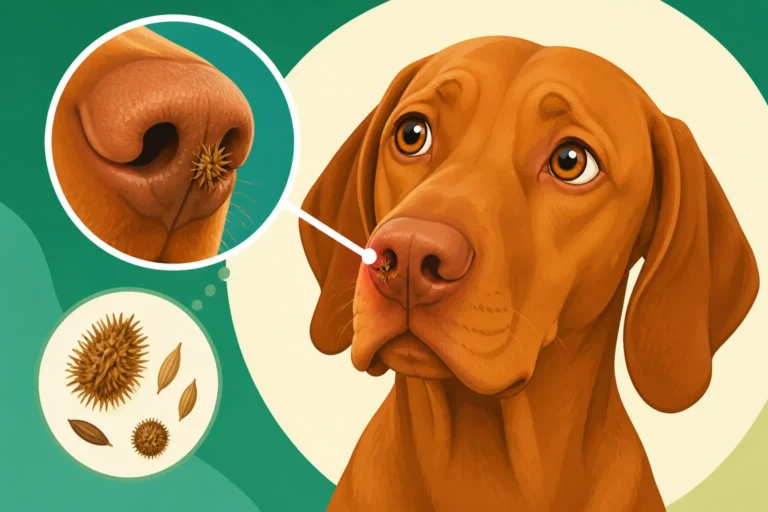
"Snow nose" or "winter nose" is exactly what it sounds like: a temporary lightening of the nose pigment that often occurs during the colder, darker months of the year. Your Vizsla's beautiful golden-rust nose might shift to a lighter tan, a beige, or even a soft pinkish hue. It's not just Vizslas who experience this; many breeds, particularly those with lighter pigmentation or liver-colored noses, are susceptible. It’s particularly noticeable in dogs with naturally lighter noses like Vizslas, who don't have that strong, genetically fixed black pigment.
This phenomenon is essentially a reaction to reduced exposure to sunlight. Just like our own skin might tan less in winter, a dog’s melanin production can decrease when there’s less UV radiation. As spring approaches and the days get longer and brighter, you'll often see the pigment gradually return to its normal depth. It's a completely benign condition, not associated with any pain or discomfort for your dog. If you live in a region with distinct seasons, especially long, dark winters, you're more likely to observe this change in your Vizsla. It can be quite dramatic in some individuals, and barely noticeable in others, but it’s a perfectly normal part of their biology. So, if you notice your Vizsla's nose looking a bit lighter around the holidays, but otherwise they're their usual bouncy, happy self, chances are it's just old man winter at play.
The Role of Sunlight and Melanin
To understand why winter nose happens, we need to talk a little about melanin and sunlight. Melanin is the natural pigment that gives skin, hair, and, in dogs, their nose and coat color. Its production is often stimulated by exposure to ultraviolet (UV) light, which is abundant in sunlight. When the days shorten and the intensity of the sun decreases during autumn and winter, the stimulus for melanin production in the cells of your dog’s nose naturally diminishes.
This reduction in melanin production means the existing pigment in the nose starts to fade, much like a favorite sweater might fade in the wash over time. As spring returns, and your Vizsla spends more time basking in the sun (which they absolutely love, especially with The Single Coat a Vizsla Has and Why It Changes Everything), that UV stimulation kicks back in, and the melanin production ramps up again. The nose then slowly regains its rich, characteristic golden-rust color. It’s a cyclical process driven by the seasons. You might even notice it happening gradually, with the darkest part of the nose remaining colored while the lighter areas spread outwards. It’s important to remember that this process is purely cosmetic and doesn't indicate any underlying health issue. Your Vizsla is just responding to their environment in a very natural way. It’s also why a dog that spends more time indoors during winter might show a more pronounced snow nose than one who's always outside.
Dietary and Nutritional Influences on Nose Color
While often overlooked, what your Vizsla eats can actually have an impact on their nose pigmentation. Just like with their coat and overall health, a balanced diet rich in essential nutrients is key to maintaining that vibrant golden-rust color.
Zinc Deficiency and Its Impact
One specific nutrient that plays a crucial role in maintaining healthy skin and pigmentation is zinc. A deficiency in zinc, even a mild one, can manifest in several ways, and a fading nose color can be one of the subtle early signs. Zinc is vital for cell function, immune response, and the synthesis of proteins, including those involved in pigment production. If your Vizsla isn't getting enough zinc, or isn't absorbing it properly, their nose might start to look paler than usual.
Beyond just the nose, a zinc deficiency can lead to other skin issues. You might notice a dull, dry, or brittle coat, crusting or scaling around the eyes, mouth, or pressure points like elbows, and in more severe cases, hair loss and skin infections. This is particularly relevant for active, high-energy breeds like Vizslas who have significant nutritional demands. If you suspect a zinc deficiency, it’s worth discussing with your veterinarian. They might recommend a diet change or a high-quality supplement. Many excellent supplements can be found on platforms like Amazon or Chewy, but always consult your vet before adding anything new, especially with a breed known for Whether a Vizsla Has a Sensitive Gut. Ensuring adequate zinc is a relatively easy fix that can restore that beautiful nose color and improve overall skin health.
Vitamin and Mineral Absorption Challenges
Some Vizslas, unfortunately, can be prone to sensitive digestive systems or specific absorption challenges. This means that even if their food technically contains all the necessary vitamins and minerals, their body might not be efficiently extracting and utilizing them. When essential nutrients, like B vitamins, copper, or tyrosine (an amino acid precursor to melanin), aren't properly absorbed, it can impact pigment production, leading to a duller coat and, yes, a lighter nose.
This can be a real frustration for owners who are trying their best to provide a high-quality diet. You might be feeding a premium kibble, but if your Vizsla’s gut isn't quite up to par, those nutrients could be passing through without doing their job. Factors like stress, certain medications, or even underlying gut sensitivities can contribute to these absorption issues. If you've already ruled out "winter nose" and a balanced diet isn't solving the problem, it’s definitely worth considering a deeper look into your Vizsla’s digestive health. Discussing stool quality, appetite, and any other subtle signs with your vet is a good starting point. They might suggest a highly digestible diet, possibly a prescription formula, or a supplement designed to support gut health. Some owners find that fresh dog food services like Ollie, which often use whole, easily digestible ingredients, can make a difference for sensitive stomachs, though always check with your vet first to ensure it's balanced for your active Vizsla's needs. Maintaining good gut health is fundamental to everything, including that vibrant nose color!
Medical Conditions Causing Nose Depigmentation
While many instances of nose fading are harmless, there are specific medical conditions that can cause depigmentation. These are often more serious and usually accompanied by other symptoms, signaling that a trip to the vet is definitely in order.
Vitiligo and Autoimmune Skin Conditions
Vitiligo is an autoimmune condition where the body’s immune system mistakenly attacks and destroys the pigment-producing cells (melanocytes) in the skin. When these cells are gone, the affected areas lose their color entirely, appearing white. In Vizslas, vitiligo can show up as patchy depigmentation on the nose, lips, around the eyes, or even on the paws and other parts of the body. It’s typically a purely cosmetic condition, meaning it doesn't cause any pain, itching, or discomfort for your dog.
While vitiligo itself isn't harmful, it's worth remembering that Vizslas are known for Why a Vizsla's Immune System Is the Breed's Weak Point, making them generally more prone to various autoimmune issues. If you notice distinct, irregular white patches appearing on your Vizsla’s nose or face that aren't seasonal, it's a good idea to have your vet confirm it's vitiligo and not something more problematic. Your vet might take a skin biopsy to get a definitive diagnosis. There's no cure for vitiligo, as it's an immune-mediated process, but since it's only a cosmetic concern, most owners learn to embrace their unique-looking companion. However, dogs with depigmented areas, especially on the nose, can be more susceptible to sunburn, so you'll need to be mindful of sun exposure and potentially use dog-safe sunscreen, as discussed in Whether a Vizsla Needs Sunscreen.
Discoid Lupus Erythematosus DLE
Discoid Lupus Erythematosus, often referred to as DLE, is a more serious autoimmune skin disease that primarily affects the nose and face of dogs. Unlike vitiligo, DLE is not just cosmetic. It's an inflammatory condition where the immune system attacks the cells of the nasal planum (the top of the nose), causing depigmentation, scaling, crusting, sores, and sometimes even ulceration. The nose often loses its cobblestone-like texture and can appear smooth and shiny, with the pigment fading to pink, gray, or white.
A Vizsla with DLE will likely experience discomfort. Their nose might be painful, itchy, and highly sensitive to sunlight, which can exacerbate the condition. You might see cracking, bleeding, or scabs, and your dog might frequently rub or paw at their nose. This is definitely a condition that requires prompt veterinary attention. Your vet will typically diagnose DLE through a skin biopsy. Treatment often involves medications like topical steroids or immune-modulating drugs (e.g., cyclosporine, niacinamide, or tetracycline), along with strict sun protection. Early diagnosis and consistent management are key to keeping your Vizsla comfortable and preventing the condition from worsening. If your Vizsla's nose is not only losing color but also looks sore, cracked, or inflamed, don't hesitate – get them to the vet. This is a far cry from benign 'winter nose'.
Injuries and Trauma
Given their energetic, adventurous nature, Vizslas are prone to various scrapes and bumps, especially if they're actively hunting or enjoying rigorous outdoor activities. The Thin Skin a Vizsla Takes Into the Field means they can sometimes incur minor injuries. Just like a scar on human skin can sometimes heal lighter than the surrounding tissue, an injury to your Vizsla's nose can lead to localized depigmentation.
Think about a Vizsla enthusiastically rooting around in thick brush, or perhaps getting a minor scratch during play. If the trauma is significant enough to damage the pigment-producing cells in that area, the new skin that grows back might be lacking pigment, resulting in a pale spot or patch on the nose. This could be permanent or temporary, depending on the severity of the damage. While these injuries are usually not serious, it's important to keep any cuts or scrapes clean to prevent infection. If the injury looks deep, is bleeding excessively, or appears infected, a vet visit is wise. Otherwise, a small patch of depigmentation after a visible scrape is often just the body's way of healing. It’s a good reminder to always do a thorough check of your Vizsla after a vigorous outing in the field, paying close attention to their nose and paws, as described in Checking a Vizsla Over After a Hunt.
When to Be Concerned: Consulting Your Veterinarian
Most of the time, a change in your Vizsla’s nose color is nothing to fret over. However, there are certainly instances where depigmentation signals a problem that needs professional veterinary attention. Knowing the difference can save you a lot of anxiety and ensure your dog gets the care they need.
Red Flags to Watch For
While a simple "winter nose" is benign, other signs combined with depigmentation should definitely raise a red flag and prompt a call to your veterinarian. It’s about looking at the whole picture, not just the change in color.
Here are some symptoms that, if accompanying a pale nose, suggest a more serious issue:
- Pain or Tenderness: If your Vizsla flinches, pulls away, or seems uncomfortable when you touch their nose, it’s a sign of inflammation or injury.
- Crusting, Scaling, or Thickening: A healthy Vizsla nose is usually smooth (with that classic cobblestone texture) and moist. If you see dry, flaky skin, thick crusts, or a noticeable change in texture, it could indicate an underlying skin condition.
- Sores, Ulcers, or Bleeding: Any open wounds, raw spots, or active bleeding on the nose are clear indicators of a problem that needs immediate attention. These can be painful and prone to infection.
- Loss of Normal Nose Texture: If the unique, slightly bumpy texture of your Vizsla's nose (the nasal planum) starts to smooth out or becomes completely flat, it’s a significant diagnostic clue for conditions like DLE.
- Widespread Depigmentation: While vitiligo can be patchy, if the pigment loss is spreading rapidly to other areas of the face or body, it might be part of a larger systemic issue that needs investigation.
- Behavioral Changes: If your Vizsla is also lethargic, has a reduced appetite, is scratching or rubbing their face excessively, or generally seems unwell, the nose change could be part of a broader health problem.
- Sun Sensitivity: If your dog seems to actively avoid the sun, or if sun exposure appears to worsen the nose condition (causing redness or blistering), it points towards an inflammatory or autoimmune issue that UV light aggravates.
If you observe any of these red flags alongside nose depigmentation, don't wait. It’s always better to err on the side of caution and get a professional opinion. Your vet can distinguish between a harmless change and a condition that requires treatment, offering peace of mind and the best possible outcome for your beloved companion. This vigilance is part of Managing a Vizsla's Skin for Life and overall health.
Diagnostic Process and Treatment Options
When you bring your Vizsla to the vet with concerns about nose depigmentation, they won’t just take one look and declare a diagnosis. A thorough diagnostic process is crucial to pinpoint the exact cause, especially since so many different issues can manifest similarly.
Your vet will start with a comprehensive physical examination, carefully inspecting the nose, mouth, eyes, and skin for any other abnormalities. They'll ask you detailed questions about when you first noticed the change, any other symptoms you've observed, your Vizsla's diet, activity level, and medical history. This is where your detailed observations become incredibly helpful.
Depending on their initial findings, the vet might recommend several diagnostic tests:
- Skin Scrapes or Cytology: If there’s any crusting, scaling, or suspicion of infection, a vet might take a small sample to look for mites, bacteria, or yeast under a microscope.
- Blood Tests: A blood panel can help check for systemic issues, nutritional deficiencies (like zinc or certain vitamin levels), or indicators of autoimmune disease. These tests are also often part of What a Vizsla's Yearly Checkup Costs.
- Skin Biopsy: This is often the definitive diagnostic tool for autoimmune skin conditions like DLE or vitiligo. A small tissue sample is taken under local anesthesia and sent to a specialized lab for examination by a veterinary pathologist. This can confirm the presence of inflammatory cells or the destruction of melanocytes.
- Dietary Trial: If nutritional deficiencies or sensitivities are suspected, your vet might recommend a temporary change to a novel protein or hypoallergenic diet, or suggest specific supplements like fish oil (which can also help with skin health, see Whether a Vizsla Needs Fish Oil for Its Skin).
Once a diagnosis is made, treatment will depend entirely on the underlying cause. For simple "winter nose," no treatment is needed. For nutritional deficiencies, dietary adjustments or supplements are key. For autoimmune conditions like DLE, treatment often involves a combination of topical medications (e.g., steroid creams) and oral medications (e.g., immunosuppressants, antibiotics for secondary infections, or specific immune-modulating drugs). Sun protection, perhaps in the form of dog-safe sunscreen or limited outdoor exposure during peak sun hours, will be critical for any condition exacerbated by UV light. The good news is that with an accurate diagnosis and appropriate treatment, many nose depigmentation issues can be managed effectively, restoring comfort and, often, that beautiful Vizsla nose color.
| Cause | Appearance | Associated Symptoms | Vizsla Relevance | Concern Level |
|---|---|---|---|---|
| Winter Nose | Even fading, temporary | None, dog is otherwise healthy | Common, especially in colder climates | Low |
| Zinc Deficiency | Fading, crusting, sometimes lesions | Dull coat, poor skin, lethargy, poor appetite (in severe cases) | Possible, especially with specific diets or absorption issues | Medium (Vet consult for diagnosis and treatment) |
| Vitiligo | Patchy, irregular white spots | None, purely cosmetic, no pain or discomfort | More prone due to autoimmune tendencies | Low (Vet confirmation for peace of mind) |
| DLE (Discoid Lupus Erythematosus) | Fading, crusting, ulcers, loss of texture, shiny appearance | Pain, itching, bleeding, sun sensitivity, inflammation | More prone due to autoimmune tendencies | High (Immediate vet attention required) |
| Trauma/Injury | Localized fading, scar tissue | Scabbing, cuts, inflammation in the injured area | Active hunting breed, prone to minor scrapes | Medium (Monitor for infection, vet if severe) |
| Genetic Factors | Permanent lighter nose from puppyhood | None, often present since young | Some lines may naturally have lighter pigment | Low (Often just a variation) |
Disclaimer
This article is for general informational purposes only and does not constitute professional advice. Laws, prices and regulations vary by location and change over time. Consult a qualified professional for guidance on your specific situation.