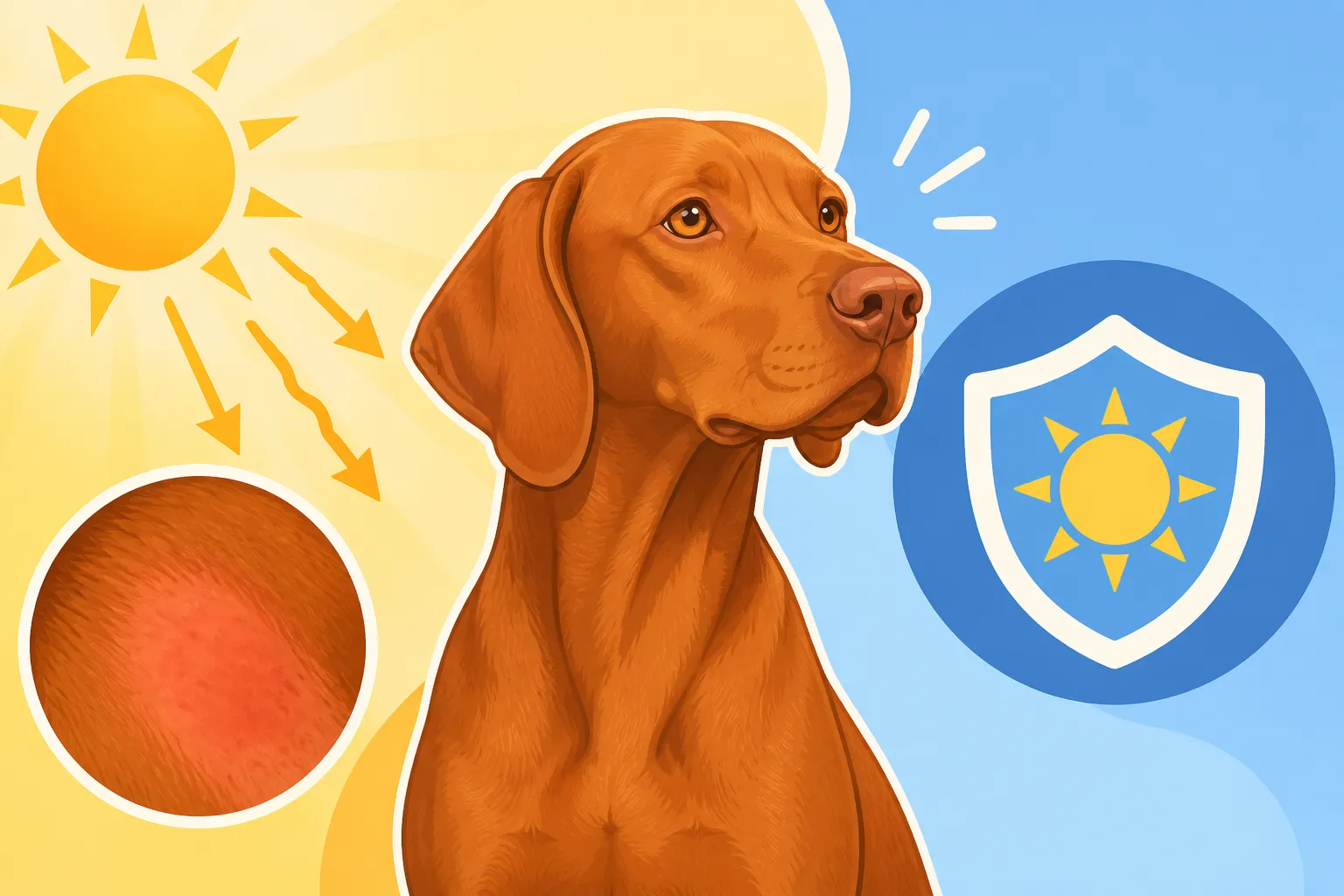
Whether a Vizsla Sunburns
It's a common misconception that all dogs are naturally protected from the sun, but for Vizsla owners, the worry about sunburn is very real and totally justified. Their distinct coat and skin make them particularly vulnerable to the sun's harsh rays, leading to discomfort, pain, and potentially serious health issues if not properly managed. This comprehensive guide will walk you through why your Vizsla is at risk, how to recognize the signs of sunburn, and most importantly, how to implement effective preventative measures to keep your beloved companion safe and comfortable under the sun.
Understanding the Vizsla's Unique Coat and Skin
Vizslas are truly a breed apart, celebrated for their striking golden-rust coat and incredible athleticism. However, these very traits that make them so beautiful and capable in the field also contribute to their vulnerability when it comes to sun exposure. Their physique, bred for speed and agility, comes with a trade-off: a coat and skin type that offers less natural protection than many other breeds. Understanding these unique characteristics is the first step in providing the best care for your Vizsla, especially during brighter months.
The Single Coat a Vizsla Has and Why It Changes Everything
Unlike many dog breeds, particularly those designed for colder climates or dense cover, Vizslas possess a single, short, smooth coat. This sleek, close-lying fur, while beautiful and low-shedding in many ways, offers minimal insulation and even less protection against ultraviolet (UV) radiation. Think of it like wearing a thin t-shirt on a bright summer day – it doesn't do much to block the sun from reaching your skin. For a Vizsla, this means their skin is far more exposed than that of a dog with a thick undercoat or a denser, wiry outer layer. This single coat is a defining characteristic of the breed, a testament to their heritage in warmer Hungarian plains, but it certainly puts the onus on us, their human companions, to make up for nature's shortfall in sun defense. You can learn more about The Single Coat a Vizsla Has and Why It Changes Everything in our dedicated article.
This lack of a dense protective layer also means that heat can penetrate more easily, and conversely, cold can reach them more quickly. But in the context of sun, it's the direct exposure of skin to UV light that poses the greatest danger. Without a thick barrier of fur, their skin is susceptible to the same damage that human skin experiences, including burning, peeling, and long-term cellular changes. Owners often notice how warm their Vizsla's skin feels after even a short period in direct sunlight, which is a clear indicator that the UV rays are reaching the dermal layers. It's not just about the intensity of the sun, but the duration of exposure that accumulates damage.
The Thin Skin a Vizsla Takes Into the Field
Adding to their vulnerability is the inherent thinness of a Vizsla's skin. Bred for speed and an unencumbered range, their skin is supple and close-fitting, not thick and rugged like some working breeds. While this contributes to their agile movement and lean appearance, it also makes it more delicate and prone to injury, not just from thorns and brush in the field, but also from environmental factors like the sun. This delicate skin offers less of a physical barrier against UV radiation, making them particularly sensitive to burning. If you've ever felt how soft and pliable a Vizsla's skin is, you'll understand why it's so easily affected by external elements. We discuss this further in The Thin Skin a Vizsla Takes Into the Field.
This thinness means that even areas with a bit more hair, like their back, can still get burned if the sun is strong enough or exposure is prolonged. Their bellies, inner thighs, and ear tips, where the skin is thinnest and the hair is sparse, are exceptionally prone to burning. These are often the areas that come into direct contact with reflective surfaces like hot pavement or sand, which can intensify the sun's effects. It's a cruel irony that a dog so often found outdoors, whether hunting or just enjoying a run, is so ill-equipped by nature to handle one of the most pervasive outdoor elements.
Recognizing Sunburn Symptoms in Your Vizsla
Spotting sunburn on your Vizsla isn't always as obvious as it might be on human skin, especially since their skin color can vary beneath their russet coat. However, knowing what to look for and where to look can help you catch it early, preventing further discomfort and potential complications. A Vizsla's stoic nature might mean they don't always vocalize their pain, so keen observation is key to their well-being.
Common Areas for Sunburn on a Vizsla
Due to their thin coat and skin, certain areas on a Vizsla are more susceptible to sunburn. The most prominent spots are often those with the least hair or where the skin is naturally paler and more exposed. The nose, for instance, particularly if your Vizsla has a lighter, pinker nose rather than a dark liver one, is a prime target. The delicate skin on the ear tips is another common area, often receiving direct sun exposure as they run or stand alert. You might notice these areas first, as they are often the most visibly affected.
Beyond the face, your Vizsla's underside is extremely vulnerable. Their belly, especially where the fur is sparse or thin, and the sensitive skin in their groin and armpit regions, can quickly get burned, especially if they enjoy lying on their backs in the sun or on reflective surfaces like concrete or sand. Even the insides of their hind legs, which typically have less hair, are at risk. It's crucial to remember these less obvious spots when checking your dog after outdoor activities, as a severe burn on the belly can be incredibly painful and make lying down difficult. The article Whether a Vizsla's Belly Gets Sunburned elaborates on this specific concern.
How Sunburn Presents on Vizsla Skin
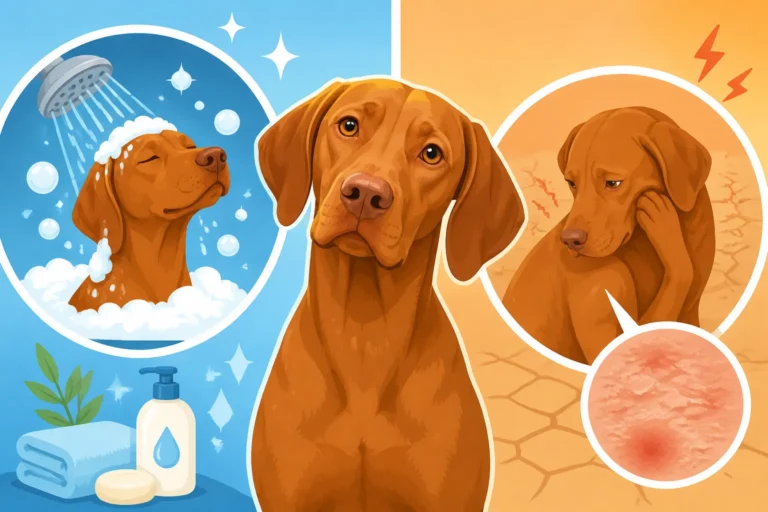
When a Vizsla gets sunburned, the initial signs are very similar to what you'd see on human skin: redness and inflammation. The affected skin will appear pinker or redder than usual, often feeling warm to the touch. This redness can be subtle on their golden-rust skin, so comparing the suspected area to a less exposed part of their body (like under their tail) can help confirm your suspicions. Your Vizsla might also show signs of discomfort, such as excessive licking or scratching at the affected area, or flinching when touched there.
As the sunburn progresses, the skin can become more irritated and even peel, much like human skin after a bad burn. In severe cases, you might even see blistering or crusting, which is a clear indicator of significant damage and a high risk of infection. The skin might also become dry and flaky. It's not just about the visual symptoms; a sunburned Vizsla will likely feel generally unwell, possibly lethargic, or have a decreased appetite, especially if the burn is widespread or severe. Catching these early signs is vital to providing prompt care and preventing the burn from worsening.
Preventative Measures to Protect Your Vizsla from the Sun
Prevention is always better than cure, especially when it comes to something as easily avoidable as sunburn. With a Vizsla's inherent sensitivity to the sun, taking proactive steps is not just good practice, it's essential for their comfort and long-term health. Integrating these measures into your daily routine, particularly during warmer months or when planning outdoor adventures, will make a significant difference in protecting your furry friend.
Timing Walks and Outdoor Activities
One of the simplest and most effective ways to protect your Vizsla from sunburn is to adjust the timing of their outdoor activities. The sun's UV rays are strongest between 10 AM and 4 PM. During these peak hours, the risk of sunburn, and indeed overheating, dramatically increases for your dog. Instead of midday walks or long training sessions in direct sun, aim for early morning or late afternoon/early evening when the sun is lower in the sky and its rays are less intense. This subtle shift in schedule can save your Vizsla from a world of discomfort.
Think about planning your hunting trips or extensive field work around these times too. While Vizslas are powerful and enthusiastic working dogs, pushing them during the hottest parts of the day, especially if they are exposed to direct sunlight for extended periods, is asking for trouble. Even on overcast days, UV rays can still penetrate clouds, so don't let a cloudy sky lull you into a false sense of security. Always err on the side of caution, especially when the UV index is high. This consideration also ties into preventing issues like Whether a Vizsla Overheats Working in Heat.
Sun Protection Products and Apparel
Sometimes, avoiding peak sun isn't entirely feasible, or your Vizsla simply loves being outdoors. In these situations, specific sun protection products and apparel become indispensable. Dog-specific sunscreens are a game-changer, designed to be safe if ingested (as dogs tend to lick themselves). Look for formulations free of zinc oxide, which can be toxic to dogs, and apply liberally to vulnerable areas like ear tips, bridge of the nose, and sparsely haired areas on the belly and inner thighs. Brands often available on platforms like Chewy or Amazon offer a variety of safe, pet-friendly sunscreens. Reapplication is key, especially after swimming or prolonged activity.
In addition to sunscreen, protective apparel can provide a physical barrier against UV rays. Lightweight, UV-protective vests or shirts are available, designed to cover your Vizsla's back and belly. While it might seem counterintuitive to put a coat on a dog in the sun, these garments are often made from breathable, wicking fabrics that actually help keep them cooler while blocking harmful rays. Wide-brimmed hats designed for dogs, though perhaps not every Vizsla will tolerate one, can protect their sensitive noses and eye areas. These tools are particularly useful for dogs spending long hours in the field or at events where shade is limited. For example, a lightweight blaze orange vest for hunting might also offer some UV protection, killing two birds with one stone.
Providing Shade and Water
Beyond specific products, ensuring your Vizsla has constant access to shade and fresh water is paramount. Whether you're in your backyard, at a park, or out in the field, always have a shaded spot available where your dog can retreat from the direct sun. This could be a natural shade tree, a portable canopy, or even a vehicle with open windows if safely parked. Shade not only prevents sunburn but also helps regulate their body temperature, reducing the risk of heatstroke.
Hydration goes hand-in-hand with shade. Active Vizslas, especially in warm weather, need significantly more water than usual. Always carry plenty of fresh water for your dog and offer it frequently. Portable water bowls or bottles designed for dogs make this easy to do on the go. Dehydration can exacerbate the effects of heat and sun exposure, so keeping them well-hydrated is a critical component of their overall sun safety. Remember, a cool, hydrated dog is a happy dog, and these simple measures are non-negotiable for their well-being.
Managing Sunburn and When to Seek Veterinary Care
Even with the best preventative measures, sometimes a Vizsla might still get a mild sunburn. Knowing how to provide immediate first aid can alleviate their discomfort, but it’s equally important to recognize when a burn is severe enough to warrant professional veterinary attention. Don't underestimate the potential seriousness of sunburn in dogs; what seems minor can quickly escalate.
First Aid for Mild Vizsla Sunburn
For mild sunburns, characterized by light redness and perhaps a bit of tenderness, your first priority is to cool the affected skin and soothe the irritation. Gently apply cool (not ice-cold) compresses or a damp towel to the burned areas for 10-15 minutes at a time. This can help reduce inflammation and provide immediate relief. Ensure the water isn't too cold, as extreme cold can constrict blood vessels and potentially do more harm than good.
After cooling, you can apply a thin layer of a soothing, pet-safe gel or spray. Look for products containing aloe vera (ensure it's pure aloe and not mixed with ingredients toxic to dogs), witch hazel, or colloidal oatmeal, which are known for their calming properties. These are often found at pet supply stores or online retailers like Chewy. Always check with your vet or a trusted pharmacist if you're unsure about a product's safety for dogs. Keep your Vizsla indoors or strictly in the shade until the burn has healed to prevent further damage. Regularly check the area for signs of infection, such as increased redness, swelling, pus, or if your dog is excessively licking. A good first aid kit, such as what is suggested in What a First Aid Kit for a Hunting Vizsla Holds, should contain items for general skin care.
When to Call the Vet for Sunburn
There are definite times when a sunburn goes beyond home care and requires a vet's expertise. If your Vizsla's skin shows blistering, oozing, or open sores, this indicates a second-degree burn or worse, and is a medical emergency. These types of burns are incredibly painful and highly susceptible to bacterial infection, which can lead to more serious complications. You should also seek veterinary attention if the sunburn covers a large area of their body, or if your Vizsla is showing systemic signs of illness, such as lethargy, fever, vomiting, or loss of appetite.
Furthermore, if your Vizsla is in severe pain, constantly licking, chewing, or scratching at the burned areas, or if the redness and discomfort don't improve within 24-48 hours with home care, it's time for a vet visit. Your veterinarian can assess the severity of the burn, prescribe pain medication, antibiotics if an infection is present or suspected, and recommend stronger topical treatments. They can also rule out other underlying skin conditions that might be mimicking or exacerbating the burn. Never hesitate to call your vet if you have any concerns about your Vizsla's health after sun exposure; their thin skin can react severely.
Long-Term Sun Exposure Risks for Vizslas
While immediate sunburn is a painful and uncomfortable experience for your Vizsla, the long-term effects of repeated or chronic sun exposure can be far more serious. Just like in humans, cumulative UV damage can lead to cellular changes in a dog's skin, increasing the risk of certain health problems. Understanding these risks is crucial for motivating consistent preventative care throughout your Vizsla's life.
The Pale Vizsla Nose and Sunburn
One of the most noticeable areas of concern for long-term sun exposure in Vizslas is their nose. Many Vizslas have a liver-colored nose that perfectly matches their coat, but some may have a paler or pinker nose. This pigmentation, or lack thereof, plays a significant role in its vulnerability to the sun. A lighter pigmented nose has less melanin, the natural pigment that provides some UV protection, making it much more prone to sunburn. Over time, repeated burning of the nose can lead to a condition known as "collie nose" or solar dermatitis, even in breeds like Vizslas. We delve into this topic further in Sunburn and the Pale Vizsla Nose.
This chronic damage can cause the skin on the nose to become thickened, crusty, and even crack, which is not only uncomfortable but also increases the risk of secondary bacterial infections. More alarmingly, these chronic changes can predispose the dog to developing squamous cell carcinoma, a type of skin cancer. Therefore, diligently protecting your Vizsla's nose with pet-safe sunscreen or even a dog-friendly balm with SPF is not just about comfort; it's a vital preventative measure against potentially life-threatening conditions. Regularly checking your Vizsla's nose for any changes in texture, color, or the appearance of non-healing sores is an important part of their routine health check. Whether a Vizsla Needs Sunscreen is not just a question, it's a necessity for many.
Increased Risk of Skin Cancer in Vizslas
The most serious long-term risk associated with chronic sun exposure in Vizslas, due to their thin skin and sparse coat, is an increased susceptibility to various forms of skin cancer. Just as pale-skinned humans are at higher risk, dogs with thin coats and lighter pigmentation, especially on their bellies, inner thighs, and ear tips, face a similar danger. The constant bombardment of UV radiation can damage the DNA in skin cells, leading to uncontrolled growth and tumor formation. While many skin lumps on dogs are benign, the sun-exposed areas are prime locations for more aggressive cancers. This is a concern for any breed but particularly so for those with less natural protection. Understanding The Cancers That Take a Vizsla Early is important for all Vizsla owners.
Types of skin cancer commonly associated with sun exposure include squamous cell carcinoma, melanoma, and hemangiosarcoma, though the latter two can appear anywhere on the body. Squamous cell carcinoma, in particular, often manifests on sparsely haired, unpigmented skin, such as the belly or nose. Early detection is key for any cancer, so regular full-body checks of your Vizsla, especially after outdoor activities, are crucial. Look for any new lumps, bumps, persistent sores, or areas of thickened, discolored skin that don't heal. If you find anything suspicious, a prompt veterinary visit for diagnosis and treatment is always the best course of action to give your beloved companion the best chance at a full recovery.
Here's a quick comparison of sun protection methods:
| Protection Method | Description | Pros | Cons | Key Areas Covered |
|---|---|---|---|---|
| Timing Activities | Scheduling walks/play during early morning or late evening. | Free, natural, effective, reduces heatstroke risk. | Requires schedule adjustment, not always possible. | Whole body indirect protection. |
| Shade Provision | Ensuring constant access to natural or artificial shade outdoors. | Free (if natural), effective, also helps cool. | May require portable shelters; limited in open spaces. | Whole body indirect protection. |
| Dog Sunscreen | Applying pet-safe, zinc-oxide-free sunscreen to exposed skin. | Direct protection for vulnerable areas, good for all seasons. | Needs frequent reapplication, some dogs dislike application, risk of ingestion. | Nose, ear tips, belly, inner thighs, sparse patches. |
| UV-Protective Apparel | Using lightweight shirts or vests designed to block UV rays. | Physical barrier, durable, can be stylish. | Some dogs may dislike wearing clothes, needs proper fit, can be costly. | Back, chest, sides, sometimes belly. |
| Paw Protection | Applying paw wax or using dog boots to protect pads from hot surfaces. | Prevents burns from hot ground, reduces other paw injuries. | Not directly against UV, boots can be uncomfortable for some dogs. | Paw pads (indirectly related to sun/heat exposure). |
Disclaimer
This article is for general informational purposes only and does not constitute professional advice. Laws, prices and regulations vary by location and change over time. Consult a qualified professional for guidance on your specific situation.