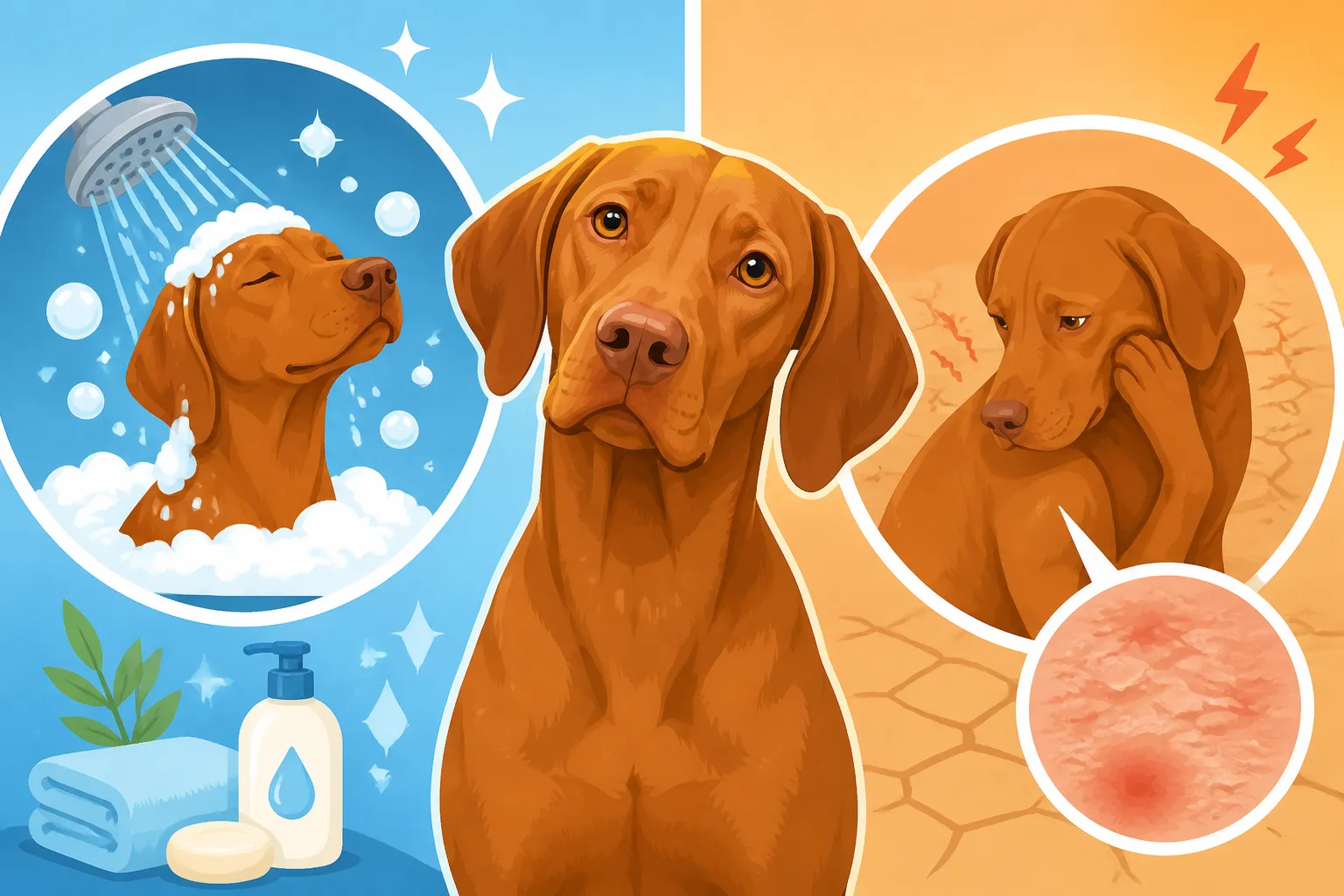
Whether Frequent Bathing Dries a Vizsla’s Skin
It's a common worry for us Vizsla parents: how often is too often when it comes to bath time? You want your copper companion to be clean, especially after a romp in the mud or a dusty field, but there's a nagging fear that every scrub is stripping away vital oils and leaving their delicate skin dry and itchy. This guide is all about cutting through the confusion, helping you understand your Vizsla's unique skin needs, and figuring out the best bathing routine to keep them healthy and comfortable.
Understanding Your Vizsla's Unique Skin and Coat
When you look at a Vizsla, you see that sleek, short, glorious golden-rust coat. It's truly a thing of beauty, but what many people don't realize is just how different it is from, say, a Retriever's dense double coat. This difference is key to understanding why their skin can be so particular about bathing.
The Vizsla's Single, Fine Coat and Skin Sensitivity
Unlike many breeds, our Vizslas only have a single coat. There's no thick, insulating undercoat to protect their skin from the elements – or from harsh shampoos. Their skin is quite thin and fine, almost delicate, and it's much more exposed than you might expect. This means that environmental irritants, allergens, and yes, even inappropriate bathing products, can have a more direct and often more severe impact on their skin health.
Think about how easily your Vizsla can get a scrape or tear in thick cover; it's a testament to that thin skin. The Thin Skin a Vizsla Takes Into the Field is something we constantly have to be mindful of. Because their skin is so exposed, it relies heavily on its natural barriers and oils to stay healthy and protected. When these natural defenses are compromised, it's a direct route to dryness, irritation, and discomfort for your sensitive dog.
Natural Skin Oils and Their Purpose
Just like our own skin, a Vizsla's skin produces natural oils, primarily sebum, which forms a protective layer. This sebum is an incredible multi-tasker: it moisturizes the skin, keeps the coat shiny and pliable, and acts as a barrier against bacteria and environmental pollutants. It’s what helps give them that characteristic "no doggy smell" so many of us appreciate.
Every time you bathe your Vizsla, you're interacting with this crucial layer of natural oils. The goal isn't to strip it away completely, but to cleanse without disrupting that delicate balance. When these oils are repeatedly removed without adequate time for the skin to replenish them, or without the use of gentle, moisturizing products, the skin becomes vulnerable. This can lead to a vicious cycle of dryness, itching, and even secondary skin infections because their natural defenses are down. It's a fine line we walk as owners, balancing cleanliness with skin health.
The Truth About Frequent Bathing and Dry Skin
So, does frequent bathing really dry out a Vizsla's skin? The short answer is: it can, especially if you're not approaching it with the right tools and techniques. It's not just about how often you bathe them, but how you bathe them and what you use.
When "Too Much" Becomes a Problem
For a Vizsla, "too much" bathing can manifest in several uncomfortable ways. You might notice their skin becoming flaky, almost like dandruff. Your dog might start itching excessively, scratching at their sides or belly, or even gnawing at their paws. Their beautiful golden-rust coat might lose its luster, appearing dull or brittle. Sometimes, you'll even notice small red bumps or irritation, which could indicate the beginnings of a skin infection, a common issue when the skin's barrier is compromised.
A Vizsla's skin is designed to be protected by its own natural oils, and if those oils are constantly being washed away, the skin simply can't keep up. The skin tries to compensate by producing more oil, which can then ironically lead to an oily, yet still irritated, surface. This is particularly true for Vizslas who might already have a predisposition to skin issues, or those who spend a lot of time in drying environments like heated homes in winter. Understanding Managing a Vizsla's Skin for Life often starts with recognizing these early signs of imbalance.
The Wrong Products Make All the Difference
It's tempting to grab whatever shampoo is handy, but for a Vizsla, using the wrong product is often a bigger culprit for dry skin than the frequency of bathing itself. Many human shampoos, and even some dog shampoos, contain harsh detergents, sulfates, and fragrances that are simply too strong for your Vizsla's sensitive skin. These ingredients are designed to strip away grease and grime, and they do an excellent job of stripping away those essential natural oils too.
The pH balance is another critical factor. Human skin has a different pH than dog skin. Using human products on your Vizsla can disrupt their skin's natural pH, making it more alkaline, which further breaks down its protective barrier and encourages bacterial growth. Which Shampoo Suits a Vizsla's Skin is not just a casual question; it's a vital part of keeping your dog comfortable. Always look for shampoos specifically formulated for dogs, ideally those that are hypoallergenic, soap-free, or oatmeal-based, designed to cleanse gently without stripping. Avoid anything with strong perfumes or artificial dyes, as these can also be irritants.
Best Practices for Bathing Your Vizsla Without Drying Their Skin
So, how do you keep your active, often muddy Vizsla clean without turning their skin into a dry, flaky mess? It comes down to thoughtful product choices and smart bathing techniques.
Choosing the Right Shampoo and Conditioner
This is probably the single most important decision you'll make when it comes to your Vizsla's bath time. Forget harsh detergents; you need gentle. Look for shampoos that are explicitly labeled as "hypoallergenic," "oatmeal-based," "moisturizing," or "for sensitive skin." Ingredients like aloe vera, vitamin E, and essential fatty acids can be really beneficial. These ingredients help to soothe, hydrate, and support the skin's natural barrier while cleansing.
You don't need to break the bank, but investing in a good quality shampoo and conditioner designed for sensitive dog skin is well worth it in the long run. Many reputable brands offer such products. You can find a wide range of options on platforms like Chewy or Amazon, where you can also read reviews from other dog owners. And yes, a good conditioner is vital for a Vizsla! After shampooing, a dog-specific conditioner will help restore moisture, detangle, and leave the coat smooth and shiny. Whether a Vizsla Needs Conditioner isn't just about fluff; it's about replenishing moisture.
Smart Bathing Techniques
Once you have the right products, the technique matters just as much. First, always use lukewarm water – never hot. Hot water can further dry out their skin and can be uncomfortable for your Vizsla. Thoroughly wet their coat, then apply a small amount of shampoo. Gently massage it into their coat and skin, focusing on areas that are particularly dirty, but avoid vigorous scrubbing, which can irritate sensitive skin.
The most crucial step? Rinsing! You absolutely must rinse every last bit of shampoo out of their coat. Shampoo residue left on the skin can be a major irritant, leading to itching and dryness. Rinse until the water running off their coat is completely clear and you can no longer feel any slipperiness from the shampoo. After rinsing, gently squeeze excess water from their coat and use a soft, absorbent towel to pat them dry. Whether a Vizsla Should Be Toweled Dry is essential – vigorous rubbing can agitate the skin. Follow up with conditioner, let it sit for a minute or two, and then rinse that out just as thoroughly.
Finding the Right Bathing Schedule
There’s no hard and fast rule for every Vizsla, but generally, "as needed" is the best mantra. For many Vizslas, this might mean a full bath every 4-6 weeks, or even less frequently if they're not getting particularly dirty. If your Vizsla is a regular hunter or enjoys rolling in every muddy puddle they encounter, you might need to bathe them more often. However, instead of a full scrub, consider targeted cleaning for muddy paws or a quick rinse with plain water after a really dirty outdoor adventure, reserving full shampoo baths for when they truly need it.
A good rule of thumb is to look at their skin and coat. If it's starting to look dull, feel greasy, or if they're itching more than usual, it might be time for a bath. If their coat is still shiny and their skin looks healthy, you can probably stretch it out a bit longer. In between full baths, consider using a damp cloth for spot cleaning or a dry shampoo designed for dogs to freshen them up without water.
Beyond the Bath: Supporting Vizsla Skin Health
Bathing is just one piece of the puzzle when it comes to maintaining your Vizsla's healthy skin and coat. A holistic approach that includes nutrition, regular grooming, and attention to their environment will yield the best results.
Nutrition's Role in a Healthy Coat
What goes into your Vizsla has a huge impact on what shows on the outside. A high-quality diet rich in essential fatty acids, particularly Omega-3s and Omega-6s, is fundamental for skin and coat health. These fats help maintain the skin's barrier function, reduce inflammation, and promote a shiny, healthy coat. Many premium dog foods formulate their kibble with these beneficial oils.
If your Vizsla’s skin seems prone to dryness despite your best bathing efforts, consider supplementing their diet with a high-quality fish oil. Whether a Vizsla Needs Fish Oil is a common question, and for many, the answer is yes, it can make a noticeable difference. Some owners also find success with fresh food options like Ollie, which often feature human-grade ingredients and balanced nutrition that can support overall health, including skin and coat condition. Always discuss any dietary changes or supplements with your veterinarian to ensure they're appropriate for your dog's individual needs.
Regular Brushing and Grooming Routine
Even though Vizslas have short coats, regular brushing is incredibly beneficial and can actually reduce the need for frequent full baths. Brushing helps to distribute those natural skin oils evenly across the coat, conditioning the hair and skin. It also removes loose hair, dirt, and debris, preventing matting (though not common for Vizslas) and reducing the build-up that necessitates a bath. How Often a Vizsla Needs Brushing is often more frequent than owners might assume.
A good grooming routine also gives you an opportunity to perform a quick "health check" on your dog's skin. You can look for any dry patches, rashes, bumps, or irritations that might indicate a problem. Catching these issues early can prevent them from becoming more severe. A rubber curry brush or a grooming mitt works wonderfully on a Vizsla's short coat, stimulating circulation and leaving them looking sleek and polished. This proactive care can significantly contribute to their skin's resilience.
Environmental Factors and Hydration
Your Vizsla's environment plays a silent but significant role in their skin health. Dry air, especially in homes heated during winter months, can zap moisture from their skin just as it does from ours. Consider using a humidifier in the rooms where your Vizsla spends most of their time.
Furthermore, ensuring your Vizsla is consistently well-hydrated from the inside out is crucial. Always provide access to fresh, clean water. Dogs who are not drinking enough can suffer from dry skin, just like humans can. If your Vizsla spends a lot of time outside, think about protective gear; for example, a thin vest could help prevent their delicate skin from scrapes or sunburn in harsh conditions. Sunburn is a real concern for their light-pigmented noses and bellies. These small considerations can make a big difference in maintaining optimal skin moisture and integrity. What a Vizsla Needs Every Day definitely includes plenty of fresh water!
Here's a quick comparison of bathing practices for your Vizsla:
| Aspect | Ideal Practice for Vizslas | Problematic Practice for Vizslas |
|---|---|---|
| Shampoo Choice | Hypoallergenic, oatmeal-based, soap-free, pH-balanced | Harsh detergents, human shampoos, strong perfumes/dyes |
| Conditioner Use | Always, to replenish moisture and smooth coat | Seldom or never, leading to dry, brittle coat |
| Water Temperature | Lukewarm | Hot water, which strips natural oils and irritates skin |
| Rinsing | Extremely thorough, no residue left | Incomplete rinsing, leading to irritation and dullness |
| Bathing Frequency | "As needed" (e.g., after heavy dirt, every 4-6 weeks) | Weekly or more often without need, or inconsistent schedule |
| Drying Method | Gentle towel patting, air dry or low-heat blow dry | Vigorous rubbing with coarse towels, high-heat blow drying |
| Post-Bath Care | Brushing to distribute oils, checking for dry spots | No follow-up, allowing skin to become dry |
| Overall Skin Support | High-quality diet, supplements (fish oil), humidifiers | Poor diet, no supplements, dry indoor environment |
Disclaimer
This article is for general informational purposes only and does not constitute professional advice. Laws, prices and regulations vary by location and change over time. Consult a qualified professional for guidance on your specific situation.