Whether a Vizsla Smells After Swimming
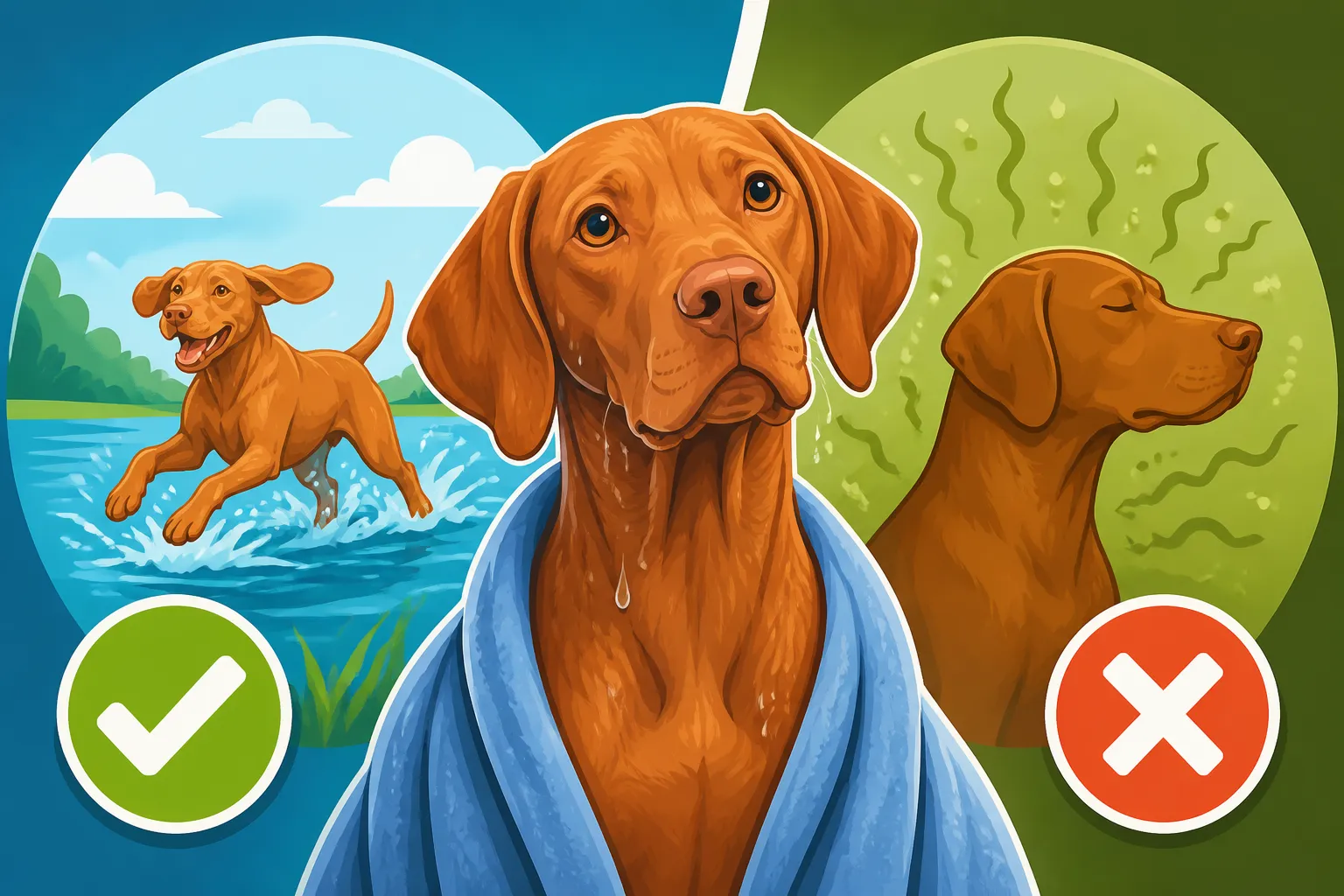
It's a familiar scenario for any Vizsla owner: your beloved russet blur has just had the time of their life, plunging into a lake, river, or even a kiddie pool with unbridled joy. They emerge, shaking water everywhere, looking utterly delighted… and then that distinct, sometimes less-than-pleasant "wet dog smell" starts to waft your way. You love their zest for life and their enthusiasm for all things wet, but you're probably wondering if there's a way to minimize that post-swim odor. This guide is going to dive deep into why your Vizsla might smell after swimming, and more importantly, what you can do about it, so you can both enjoy water adventures without holding your nose afterward.
The Vizsla's Unique Coat and Its Role in Scent
One of the many things we adore about Vizslas is their sleek, short, and often described as "odorless" coat. It’s a common point of pride among Vizsla enthusiasts that our dogs don’t typically have that strong, heavy "doggy" smell that some other breeds carry. But does this hold true after a good swim? Let's explore.
The Single Layer Advantage and Disadvantage
Your Vizsla sports a beautiful, single layer of short, dense fur. Unlike many breeds, especially those built for cold water retrieval like Labradors or Newfoundlands, Vizslas lack a thick, insulating undercoat. This single-coat trait is a double-edged sword when it comes to the wet dog smell. On one hand, the absence of an undercoat means there's less dense fur to trap moisture deep against the skin. This can lead to faster drying times compared to, say, a Golden Retriever, and generally fewer opportunities for that stagnant, mildew-like odor to develop. Many owners find that their Vizsla really doesn't have much of a scent at all, especially compared to breeds with a more abundant coat, which is why we often rave about Why a Vizsla Has No Doggy Smell.
However, the lack of an undercoat also means less protection. While it reduces the chances of trapped moisture contributing to smell, it also means your Vizsla is more susceptible to the elements. They can feel the cold intensely, especially if wet, which is why you might find yourself reaching for a dog coat after an autumn swim, because The Cold a Vizsla Genuinely Cannot Handle. The single coat can also be less effective at repelling certain types of water-borne debris, which could contribute to odor.
Skin Oils and Bacterial Growth
The "wet dog smell" isn't just about water. It’s primarily caused by the interaction of water with the natural oils and microorganisms (like bacteria and yeast) that live on your dog's skin and coat. When your Vizsla gets wet, these oils, bacteria, and yeasts become more active and volatile, releasing odors into the air as the water evaporates. Every dog, including our typically low-odor Vizslas, has these natural skin oils and a unique microbiome.
So, while your Vizsla might not smell strongly on a dry day, a dip in the lake can absolutely activate those latent aromas. If your Vizsla's skin health is compromised, perhaps due to allergies or other conditions, the bacterial or yeast population might be higher, leading to a more pronounced or unpleasant smell when wet. Even with their generally clean reputation, understanding that this microbial interaction is the root cause helps us tackle the problem more effectively.
Factors Influencing a Vizsla's Post-Swim Odor
It’s not just that your Vizsla gets wet, but how and where they get wet that truly influences how much they might smell after a swimming session. The environment plays a huge role in the olfactory aftermath.
The Type of Water Your Vizsla Swims In
Not all water is created equal when it comes to post-swim funk. Imagine the difference in smell between a pristine, spring-fed mountain stream and a stagnant, algae-filled pond on a hot summer's day.
- Chlorinated Pools: Generally, swimming in a well-maintained chlorinated pool is less likely to result in a strong "wet dog" smell because the chlorine helps kill bacteria and other microorganisms. However, chlorine itself can be drying to the skin and coat, so a good rinse afterwards is still vital to prevent skin irritation.
- Freshwater Lakes, Rivers, and Ponds: This is often where the "wet dog" smell can be most noticeable. These natural water sources are teeming with organic matter, algae, bacteria, and sometimes even decaying plant material. As your Vizsla romps through this, their coat picks up all these microscopic hitchhikers. When the water starts to evaporate, these elements, combined with your dog's natural skin oils, create that distinctive smell. A murky pond is a far bigger culprit for odor than a fast-flowing river.
- Saltwater (Ocean): Saltwater can be drying but typically doesn't carry the same load of decaying organic matter or freshwater bacteria. While a salty Vizsla might still have a scent, it's often more of a briny smell than the earthy, yeasty "wet dog" aroma. Again, rinsing thoroughly after a saltwater swim is crucial to prevent skin and paw irritation from salt residue.
For example, if your Vizsla spends an afternoon splashing in the clear waters of Lake Tahoe, they'll likely have a milder scent than if they were fetching dummies from a muddy duck pond in the humid lowlands of Louisiana. The contaminants in the water directly contribute to the post-swim odor, validating why you might notice a difference depending on their swim spot.
Drying Time and Environment
How quickly and completely your Vizsla dries directly correlates with how much they will smell. The longer moisture lingers on the coat and skin, the more time those odor-causing bacteria and yeasts have to multiply and release their pungent byproducts.
If your Vizsla is left to air-dry indoors on a humid day, or worse, bundled into a crate while still damp, you're practically inviting the smell to settle in. The trapped moisture and warmth create a perfect breeding ground. Conversely, a quick, thorough towel-drying session followed by time in a well-ventilated area (or even a gentle blow-dryer on a cool setting, if your Vizsla tolerates it) can significantly reduce the potential for odor.
Consider the temperature, too. A wet Vizsla in a cold environment will not only struggle to dry but can also get dangerously chilled, given their single coat. We've talked before about The Cold a Vizsla Genuinely Cannot Handle, and leaving them damp exacerbates this. Ensuring they are warm and dry isn't just about smell; it's about their overall health and comfort.
Underlying Skin or Health Issues
Sometimes, a persistent or unusually foul smell after swimming isn't just "wet dog" smell; it's a symptom of something more. If your Vizsla consistently smells strongly, or if the smell is yeasty, musty, or unusually pungent, it could be an indicator of an underlying health condition.
Common culprits include skin infections, either bacterial or fungal (yeast). These conditions thrive in moist environments and can be exacerbated by prolonged dampness after swimming. Allergies are another major factor; a Vizsla with environmental or food allergies might have irritated skin, which then becomes a prime target for secondary infections, leading to a stronger odor. Conditions like Sebaceous Adenitis and the Vizsla That Loses Its Coat can also affect skin health and its natural barrier, potentially making odors more noticeable. If you notice any accompanying symptoms like excessive scratching, redness, flakiness, or hair loss (which might start with Where a Vizsla Loses Hair First), it's time to investigate further. A healthy skin barrier and balanced microbiome are key to a generally low-odor dog, and proper Managing a Vizsla's Skin for Life is essential for a Vizsla's well-being.
Practical Strategies to Minimize Post-Swim Smell
Alright, so we know why your Vizsla might smell after a swim. Now, let's get into the actionable steps you can take to keep that post-dip aroma to a minimum. It’s all about prevention and quick, effective clean-up.
Immediate Post-Swim Care
The moment your Vizsla emerges from the water, your mission to minimize odor begins.
- Rinse Thoroughly: This is arguably the most critical step, especially if your Vizsla has been in a lake, pond, or saltwater. Even if you're not planning a full bath, a thorough rinse with clean, fresh water helps wash away all the organic matter, chlorine, salt, and loose bacteria from their coat. Think of it as hitting the reset button. Use a sprayer attachment on your hose if weather permits, or guide them into a utility tub for a quick shower. Pay special attention to their belly, legs, and under their tail, as these areas often collect more debris.
- Dry, Dry, Dry! After rinsing, it's time to get them as dry as possible, as quickly as possible.
- Toweling: Use highly absorbent towels. Microfiber dog towels work wonders for wicking away moisture. Gently rub, don't scrub too harshly, especially on their The Thin Skin a Vizsla Takes Into the Field.
- Chamois or Shammy Cloths: These can be incredibly effective at soaking up excess water quickly.
- Force Dryer/Blow Dryer: If your Vizsla tolerates it, a pet-specific force dryer (on a low, cool setting) is invaluable. It blows away water and lifts the hair, allowing air to circulate and dry the skin underneath. This is far more effective than just air-drying, particularly on their ears and between their paw pads.
- Air Drying (with caution): If air drying, ensure they are in a warm, well-ventilated area. Never leave a damp Vizsla confined to a small, poorly ventilated space like a crate for extended periods, as this will almost guarantee a strong smell.
- Ear Care is Crucial: Vizslas have those lovely floppy ears, which, while endearing, can trap moisture. This makes them prone to ear infections, which can certainly contribute to a yeasty, unpleasant smell. After any water activity, always gently clean and dry their ears. You can use a cotton ball or a soft cloth with a veterinarian-approved ear cleaner. Don't go deep into the ear canal, just clean the visible parts. This simple step is vital for Keeping a Vizsla's Ears Clear After Water Work.
Regular Grooming and Skin Health
Beyond immediate post-swim care, consistent attention to your Vizsla’s overall grooming and skin health will contribute to a healthier, less odorous dog in general.
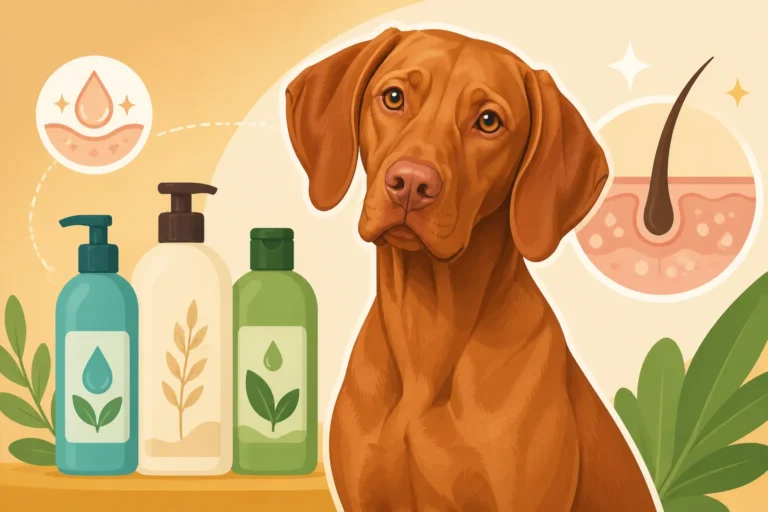
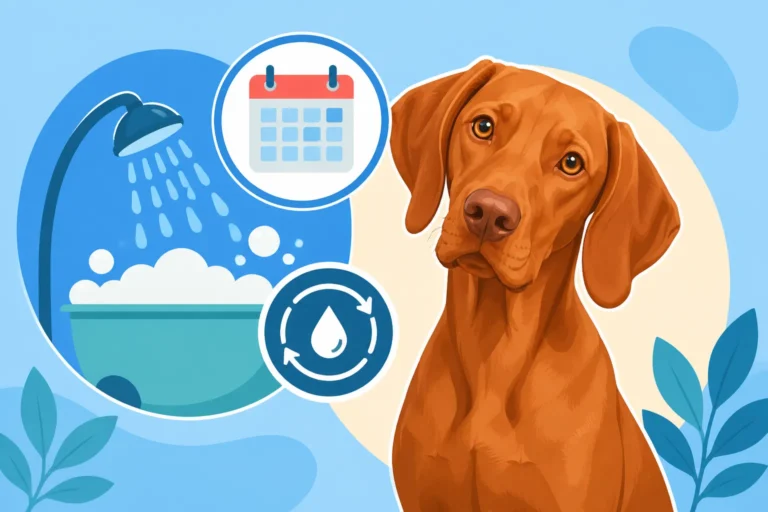
- Bathing Frequency: While Vizslas are generally low-maintenance in terms of bathing, occasional baths with a mild, dog-specific shampoo are beneficial. Don't overdo it, as frequent bathing can strip natural oils and potentially lead to skin issues. However, if your Vizsla is a frequent swimmer, a bath every few weeks (or as needed) can help maintain skin hygiene. Brands like Earthbath or Vet's Best offer gentle shampoos. You can find a good selection on Chewy or Amazon.
- Diet and Supplements: What goes into your Vizsla's body definitely shows on the outside. A high-quality diet provides the nutrients necessary for healthy skin and a robust coat, which in turn can help reduce excess oil production or flakiness that contributes to odor. Some owners find that fresh food diets, like those from Ollie, or high-quality kibble formulations make a noticeable difference in their dog's overall skin and coat health. Additionally, Omega-3 fatty acid supplements, like fish oil, can dramatically improve skin health, reducing dryness and inflammation. We often discuss Whether a Vizsla Needs Fish Oil for Its Skin and its benefits. These supplements are widely available at pet stores or online retailers like Chewy.
- Regular Checks: Make it a habit to routinely check your Vizsla's skin and coat, especially after outdoor adventures. Look for any redness, hot spots, scabs, or unusual discharge. Catching potential skin issues early can prevent them from escalating into bigger, smellier problems.
Comparison of Post-Swim Care Actions
Here's a quick table to help you decide on the best course of action based on the water type:
| Water Type | Immediate Action | Essential Drying | Key Considerations |
|---|---|---|---|
| Chlorinated Pool | Rinse thoroughly with clean water | Towel dry, focus on ears | Chlorine can dry skin; ensure thorough rinse. Less odor from water itself. |
| Freshwater (Clean) | Rinse if possible, especially if slightly murky | Towel dry, force dryer if available | Natural bacteria can still cause odor; rapid drying is key. |
| Freshwater (Murky/Stagnant) | Mandatory thorough rinse/light bath with shampoo | Force dryer highly recommended | High potential for odor-causing bacteria, algae, and parasites. Check for debris. |
| Saltwater (Ocean) | Mandatory thorough rinse with clean water | Towel dry, focus on paws | Salt can irritate skin/pads; rinse to remove residue. Briny smell, but less 'wet dog' funk. |
When to Consult Your Veterinarian
While most post-swim odors are manageable with good grooming practices, there are times when a persistent or unusual smell signals something more serious, requiring a veterinarian's attention. As responsible Vizsla owners, it’s vital to know when to seek professional help.
Persistent Odor Despite Best Efforts
If you've been diligently following all the post-swim care tips – thorough rinsing, quick drying, regular grooming, and maintaining a healthy diet – but your Vizsla still consistently carries a strong, unpleasant odor after swimming (or even when dry), it's a significant red flag. This isn't just "wet dog" smell anymore.
A smell that is yeasty, musky, fishy, or simply putrid, despite your best efforts, suggests an underlying issue. It could indicate a bacterial skin infection, a yeast infection (often accompanied by a sweet, bready smell), or even an internal problem. Trust your nose; if something feels off, it probably is. Your vet can assess the situation, differentiate between a normal post-swim scent, and a clinically significant problem.
Accompanying Symptoms
Beyond the odor itself, keep an eye out for any other physical or behavioral changes that might accompany a persistent smell. These additional symptoms are crucial clues for your veterinarian:
- Excessive Itching or Scratching: If your Vizsla is constantly scratching, licking, or biting at their skin, especially in specific areas, it points to irritation.
- Redness or Inflammation: Inspect their skin. Are there any red patches, inflamed areas, or pustules? This is a clear sign of skin irritation or infection.
- Hair Loss or Poor Coat Quality: Patchy hair loss, a dull coat, or unusual shedding (beyond what we typically expect from How Much a Vizsla Sheds) can be linked to skin problems.
- Flaky Skin or Dandruff: Dry, flaky skin can be a symptom of underlying issues, including allergies or nutritional deficiencies.
- Ear Discharge or Head Shaking: As mentioned, floppy ears are prone to infection. If you see dark waxy discharge, redness inside the ear, or if your Vizsla is shaking their head or scratching their ears more than usual, it's likely an ear infection.
- Lethargy or Changes in Appetite: While less common for skin issues, general malaise combined with a strong odor could point to a systemic problem.
When you notice these symptoms alongside a persistent odor, a vet visit is imperative. Your veterinarian can perform diagnostic tests, such as skin scrapings, cytology (examining cells from the skin under a microscope), or cultures, to identify the exact cause of the problem. They might also suggest specific medicated shampoos, topical treatments, oral medications, or dietary changes. While the thought of a vet bill might be daunting, especially when considering What a Vizsla's Skin Biopsy Costs, addressing these issues promptly is vital for your Vizsla's comfort and long-term health. Don't delay; early intervention is always best.
Ultimately, Vizslas are generally considered a low-odor breed, and with proper post-swim care and attention to their overall skin health, that lovely "no doggy smell" reputation can largely hold true, even after a joyful dip.
Disclaimer
This article is for general informational purposes only and does not constitute professional advice. Laws, prices and regulations vary by location and change over time. Consult a qualified professional for guidance on your specific situation.