Sebaceous Adenitis and the Vizsla That Loses Its Coat
It’s heartbreaking to watch your beloved Vizsla’s beautiful, sleek, golden-rust coat start to thin, become dull, and eventually, fall out in patches. Many Vizsla owners experience this distressing change, often struggling to get a definitive diagnosis for what looks like a range of skin issues. This comprehensive guide will delve into Sebaceous Adenitis (SA), a frustrating and often misunderstood immune-mediated skin condition that can significantly impact your Vizsla’s coat health and appearance, offering insights into its causes, symptoms, diagnosis, and management.
Understanding Sebaceous Adenitis in Vizslas
When your Vizsla, a breed known for its distinctive and healthy coat, starts experiencing unexplained hair loss, it’s natural to feel concerned. Sebaceous Adenitis is a condition that, while not exclusive to Vizslas, affects them with a higher prevalence than many other breeds. Understanding what it is and why it happens is the first step in tackling this challenging disease.
What Exactly Is Sebaceous Adenitis?
At its core, Sebaceous Adenitis (SA) is an immune-mediated inflammatory disease that targets and ultimately destroys the sebaceous glands in a dog’s skin. Think of sebaceous glands as tiny oil factories scattered throughout the skin, particularly abundant around hair follicles. Their job is crucial: they produce sebum, a natural, oily substance that lubricates the skin and hair, keeping it supple, moisturized, and protected. Sebum is what gives a healthy coat its shine and helps form a protective barrier against external irritants and moisture loss.
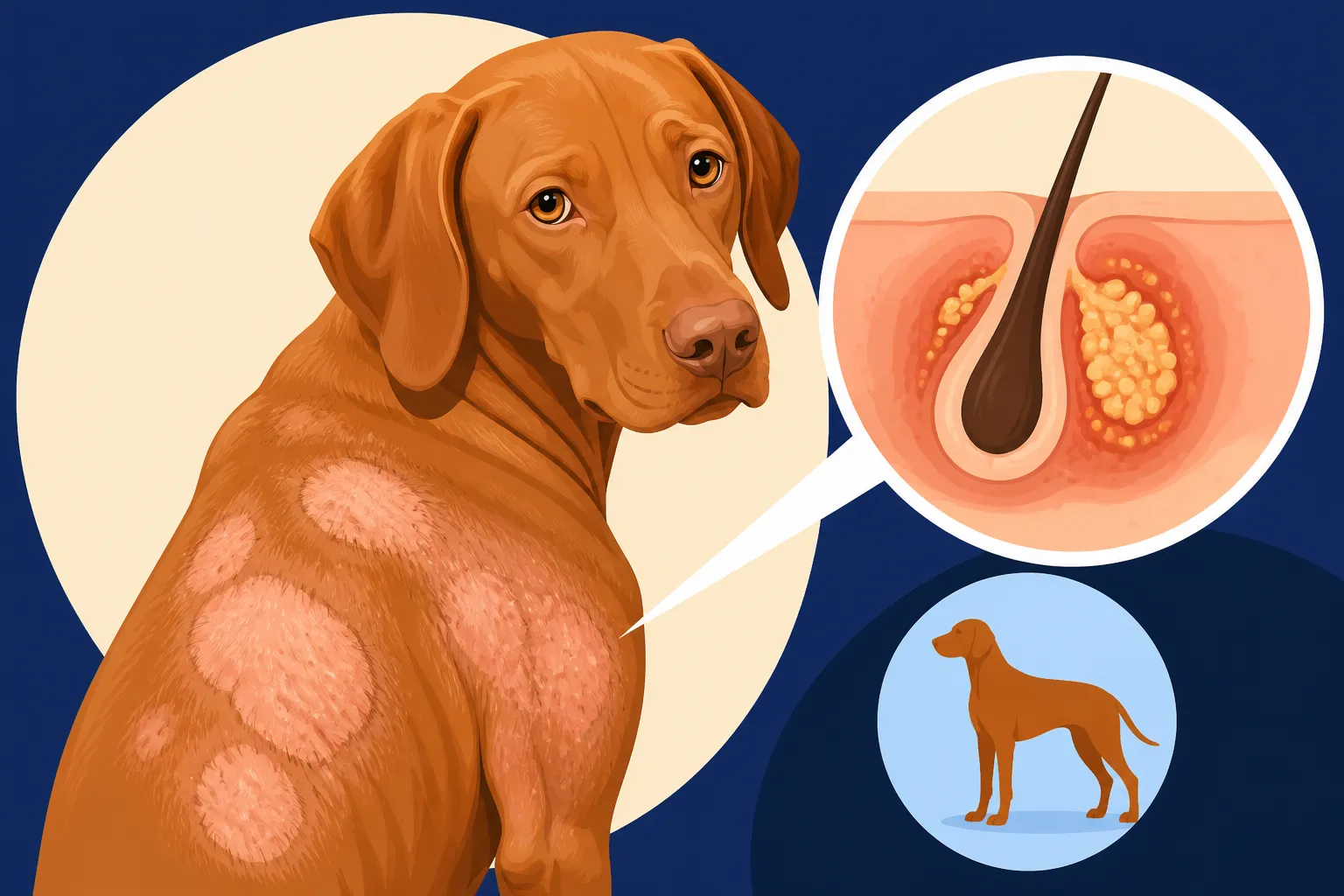
In a Vizsla with SA, for reasons still not fully understood, the dog's own immune system mistakenly identifies these essential sebaceous glands as foreign invaders. It launches an attack, sending inflammatory cells to destroy them. Over time, as these glands are damaged and obliterated, they can no longer produce sebum. This lack of natural oils leads to a cascade of problems: the skin becomes dry, scaly, and prone to flaking, and the hair follicles, deprived of their vital lubrication, produce brittle, unhealthy hair that easily breaks and falls out. It's a progressive disease, meaning it tends to worsen over time if left untreated, leading to more widespread skin and coat issues.
Why Vizslas Are Prone to This Condition
The increased incidence of Sebaceous Adenitis in Vizslas points strongly towards a genetic predisposition. While it can occur in any breed, or even mixed breeds, certain purebreds like the Akita, Standard Poodle, Samoyed, and indeed, the Vizsla, have a known higher risk. This suggests that there are specific genes, or a combination of genes, within the Vizsla population that make them more susceptible to developing this autoimmune disorder. It’s not simply a random occurrence; rather, it’s an inherited condition that can be passed down from parent to offspring.
For Vizsla breeders and owners, this genetic link presents a significant challenge. Responsible breeding practices aim to minimize the spread of such conditions, but without a definitive genetic test for SA (unlike some other inherited diseases), identifying carriers or at-risk individuals remains difficult. It often relies on careful pedigree research and open communication among breeders about affected lines. When considering a Vizsla puppy, it's wise to ask breeders about any history of skin conditions, including SA, in their lines. While not a death sentence, SA is a lifelong condition that requires dedicated management, making it an important consideration for potential owners and a serious concern for those committed to the health of the breed.
The Troubling Signs: When Your Vizsla's Coat Starts to Change
One of the most disheartening aspects of Sebaceous Adenitis is witnessing the gradual, and sometimes rapid, deterioration of your Vizsla's stunning coat. What often starts subtly can escalate into significant aesthetic changes, leaving owners bewildered and searching for answers. Recognizing these signs early is crucial for prompt diagnosis and management.
Early Indicators and Subtle Hair Loss
Initially, you might not even realize anything is seriously wrong. Your Vizsla’s once vibrant, lustrous coat might simply look a little duller than usual, losing some of its characteristic sheen. You might notice the individual hairs feel coarser, more brittle, or dry to the touch, almost as if they lack vitality. This is often the first, insidious sign of the sebaceous glands beginning to malfunction and produce less sebum. As the condition progresses, you might start to see subtle thinning of the coat, particularly in specific areas.
For many Vizslas, the first areas to show noticeable changes are along the back, especially near the spine, over the top of the head, and around the ears. You might run your hand over their coat and feel a slight sparseness, or notice more hair than usual coming out during brushing. This isn't always dramatic, wholesale shedding; sometimes it’s just a gradual loss that makes the coat appear less dense. This initial stage can be easily dismissed as seasonal shedding, dry skin due to weather, or a dietary deficiency, leading to delays in seeking veterinary attention specifically for a potential skin issue. It's worth noting that if you notice your Vizsla losing hair, especially on the back and top of the head, it might be an early sign of something more than just typical shedding. If you're concerned about where a Vizsla loses hair first, pay close attention to these areas.
The Progression to More Visible Coat Loss and Skin Issues
As Sebaceous Adenitis advances, the signs become much more pronounced and harder to ignore. The subtle thinning gives way to more obvious bald patches, which often appear symmetrical on both sides of the body. These patches are a hallmark of SA, resulting from the cumulative destruction of sebaceous glands and the subsequent loss of hair shafts. The skin itself undergoes significant changes, becoming increasingly dry and scaly. You might observe a fine, powdery dandruff-like flaking, or even thicker, greasy scales clinging to the remaining hair shafts or the skin itself. This isn't just cosmetic; it signifies a serious compromise to the skin’s natural barrier function. Many owners report noticing that their Vizsla's skin flakes badly, often a clear indicator of underlying issues.
The texture of the skin in affected areas can also change dramatically. It might become thickened, wrinkled, and hyperpigmented (darkened) over time due to chronic inflammation. In some cases, the lack of healthy sebum can lead to a secondary, yeasty odor, often described as a "doggy smell," even if the dog is bathed regularly. This odor is typically caused by secondary bacterial or yeast infections that thrive on the compromised skin barrier and altered skin microbiome. When you notice your Vizsla with skin disease smells, it's a strong indicator that their natural defenses are down and they're likely experiencing secondary infections. The combination of hair loss, scaling, and potential odor can be quite distressing for owners, as their once sleek and odorless Vizsla transforms into a dog with significant skin challenges. These visible changes often prompt a more urgent veterinary visit, especially when home remedies or general shampoos haven't made a dent in the problem.
Differentiating SA from Other Common Vizsla Skin Problems
Diagnosing Sebaceous Adenitis can be tricky because its symptoms can mimic other common skin conditions in Vizslas. It's not uncommon for owners to go through several rounds of treatments for allergies or hormonal imbalances before SA is even considered. Understanding these distinctions is vital for an accurate diagnosis and effective treatment plan.
Ruling Out Allergies and Environmental Factors
One of the most frequent misdiagnoses for SA is allergies, particularly atopic dermatitis or environmental allergies. Vizslas, with their somewhat sensitive immune systems, can certainly suffer from a range of allergies, whether to pollen, dust mites, or certain ingredients in their food. When a Vizsla gets atopic dermatitis, symptoms typically include intense itching, redness, ear infections, and paw licking. Food allergies often manifest with similar itching, skin irritation, and sometimes gastrointestinal upset.
The key difference with SA often lies in the primary presentation and the degree of pruritus (itching). While a Vizsla with SA might eventually develop itching due to secondary infections, the initial stages are often characterized by significant hair loss, scaling, and a dull, brittle coat, with surprisingly little scratching. In contrast, allergies almost always start with itching as the dominant symptom, often before visible hair loss occurs (hair loss in allergic dogs is usually secondary to self-trauma from scratching and biting). The distribution of lesions can also differ; allergic skin disease frequently targets paws, ears, groin, and armpits, whereas SA tends to begin on the head, neck, and dorsal (back) areas. If your Vizsla reacts to its food or seems to be constantly bothered by environmental allergens, a thorough investigation into allergies is warranted, but if the primary concern is hair loss and scaling without overwhelming itch, SA should remain on the differential list.
Distinguishing from Hypothyroidism and Other Hormonal Issues
Another common masquerader of Sebaceous Adenitis in Vizslas is hypothyroidism, or thyroid failure. Vizslas are indeed susceptible to thyroid failure, and this condition can cause noticeable changes in their coat and skin. A hypothyroid Vizsla might exhibit a dull, dry, brittle coat, hair loss (often symmetrical and non-itchy), and sometimes even secondary skin infections. These symptoms sound remarkably similar to SA, which is why differentiating between the two is crucial. If you suspect thyroid issues, it's important to understand the signs a Vizsla's thyroid has failed.
However, there are usually other tell-tale signs with thyroid failure that aren't typically present with SA. A Vizsla with an underactive thyroid often experiences lethargy, weight gain despite no change in diet, intolerance to cold, and a generally slower metabolic rate. They might seem less energetic, less enthusiastic about exercise, and just generally "off." SA, on the other hand, primarily affects the skin and coat; it doesn't usually cause systemic signs of illness, such as changes in energy levels or weight fluctuations, at least not in its early stages. When considering whether a Vizsla's coat loss is thyroid or skin disease, a comprehensive veterinary exam will include blood tests to check thyroid hormone levels, which can quickly confirm or rule out hypothyroidism. This systemic difference in how the dog feels and acts, beyond just the skin and coat, is often the most important clue in distinguishing SA from a hormonal imbalance.
The Diagnostic Journey: Getting a Clear Answer
Navigating skin issues with your Vizsla can be incredibly frustrating, especially when initial treatments don't yield results. When Sebaceous Adenitis is suspected, a definitive diagnosis is paramount. This typically involves a very specific diagnostic tool: the skin biopsy.
Why a Skin Biopsy Is Crucial
You might have already tried various shampoos, dietary changes, or even rounds of antibiotics and steroids without long-term success. This is a common scenario for Vizsla owners dealing with SA. The problem is that many skin conditions present with similar outward signs – hair loss, scaling, dull coat – making a visual diagnosis unreliable. Your veterinarian might suspect allergies, a bacterial infection, a fungal infection, or even a hormonal imbalance like hypothyroidism. While these can be ruled out through allergy testing, cultures, or blood panels, SA requires a more invasive, but highly informative, procedure: a skin biopsy.
A skin biopsy isn't just about taking a tiny snip of skin. For conditions like SA, it’s crucial to take multiple samples from different affected areas, and these samples need to be deep enough to include the full thickness of the skin, where the sebaceous glands reside. Your vet will typically use a specialized punch biopsy tool to remove small circular sections of skin. This procedure usually requires sedation or local anesthesia. The samples are then preserved and sent to a veterinary dermatopathologist – a veterinarian with specialized training in diagnosing skin diseases under a microscope. This specialist will examine the tissue slices for characteristic changes that point specifically to Sebaceous Adenitis, distinguishing it from other inflammatory conditions or gland disorders. If you're wondering whether a skin biopsy confirms it in a Vizsla, the answer is a resounding yes; it's the gold standard for diagnosing SA. Without it, you're essentially guessing, and that can lead to prolonged suffering for your Vizsla and mounting vet bills for you. It's often worth seeking out a board-certified veterinary dermatologist for this procedure, as their expertise can make all the difference in getting an accurate and timely diagnosis.
What the Biopsy Reveals
Once the skin biopsy samples are collected and sent to the dermatopathologist, the magic of microscopic examination begins. The specialist will meticulously review the tissue sections, looking for specific histological findings that confirm or rule out Sebaceous Adenitis. What they typically look for are signs of inflammation and the destruction of the sebaceous glands.
In early stages of SA, the biopsy might show inflammation around the sebaceous glands, with various inflammatory cells (like lymphocytes and plasma cells) infiltrating and damaging the glands. As the disease progresses and becomes more chronic, the sebaceous glands are progressively destroyed, eventually disappearing altogether from the tissue sections. In their place, you might see residual inflammatory cells, fibrosis (scar tissue), or even empty spaces where the glands once were. The hair follicles themselves might appear abnormal, often dilated and filled with keratin debris (follicular keratosis), which contributes to the brittle hair and scaling seen externally. The dermatopathologist will also look for the absence of healthy sebaceous glands in areas where they should be abundant. This characteristic pattern of sebaceous gland inflammation and destruction, coupled with secondary changes in the hair follicles, is what allows for a definitive diagnosis of Sebaceous Adenitis. Receiving a biopsy report that confirms SA can be a relief, as it finally provides a clear answer, but it also marks the beginning of a lifelong management journey for your Vizsla.
Managing Sebaceous Adenitis: Treatment and Ongoing Care
Receiving a diagnosis of Sebaceous Adenitis for your Vizsla can feel overwhelming, but it's important to remember that while there's no cure, it is a manageable condition. The goal of treatment is to control inflammation, restore skin barrier function, and improve your Vizsla's quality of life and coat appearance. This often involves a multi-faceted approach combining topical treatments with systemic medications.
The Core Pillars of Treatment: Topical and Systemic Approaches
The cornerstone of SA management in Vizslas involves a combination of topical therapies to directly address the dry, scaly skin and systemic medications to modulate the immune response. For topical treatment, oil soaks are often highly recommended. This involves thoroughly saturating the affected areas of your Vizsla's coat and skin with mineral oil, baby oil, or even specific veterinary-prescribed lipid complexes. The oil is typically left on for several hours, sometimes overnight, to penetrate and help loosen scales, moisturize the skin, and replicate the sebum that the glands are no longer producing. Following an oil soak, a medicated shampoo designed for keratolytic (scale-removing) and moisturizing properties is used to gently cleanse the skin. You might find yourself doing oil soaks to help a Vizsla's skin on a regular basis, sometimes several times a week initially, and then less frequently as the condition stabilizes. This consistent bathing and moisturizing routine is critical; it's very common for a Vizsla to need medicated baths for life to keep the skin healthy.
For systemic treatment, the most effective and commonly used medication for SA is cyclosporine (e.g., Atopica). Cyclosporine is an immunomodulating drug that works by suppressing the immune system’s misguided attack on the sebaceous glands. It doesn’t eliminate the disease, but it helps halt the destructive process, allowing existing glands to potentially recover some function and preventing further damage. While generally effective, cyclosporine can be expensive and requires careful monitoring by your veterinarian, as it can have side effects. Another option for initial flare-ups, or in some cases, long-term low-dose management, might include corticosteroids (steroids) like Prednisone, which are powerful anti-inflammatory agents. However, steroids come with a host of potential side effects with long-term use, so they are generally reserved for short-term control or for dogs who can't tolerate cyclosporine. When considering the cost of lifelong medication like cyclosporine, having good pet insurance like Healthy Paws can be incredibly beneficial, helping to offset the significant expenses associated with managing chronic conditions such as Sebaceous Adenitis. It’s important to discuss all options with your vet to find the best balance of efficacy and managing potential side effects for your Vizsla.
Addressing Secondary Infections and Supportive Care
The damaged skin barrier caused by Sebaceous Adenitis makes your Vizsla incredibly vulnerable to secondary bacterial and yeast infections. The compromised skin, combined with the accumulation of scales and oils (from treatments), creates a perfect breeding ground for opportunistic microorganisms. It's almost inevitable that a Vizsla's skin gets secondary infections at some point during its SA journey. These infections can exacerbate discomfort, increase itching, and contribute to a noticeable odor, often making the condition appear worse than the underlying SA itself.
Treating these secondary infections is a critical part of SA management. Your veterinarian will likely prescribe oral antibiotics for bacterial infections and/or oral antifungals for yeast infections, based on cytology (microscopic examination of skin samples) or culture results. Topical antibacterial or antifungal shampoos and wipes might also be used in conjunction with systemic medications. Beyond specific anti-infectives, supportive care focuses on maintaining overall skin health and comfort. This includes ensuring your Vizsla is on a high-quality diet, possibly supplemented with Omega-3 fatty acids (like fish oil) which have anti-inflammatory properties and can support skin barrier function. Given the Vizsla’s very thin, single coat, which offers little insulation, it’s vital to provide a warm and comfortable environment, especially during colder months. The single coat a Vizsla has changes everything about how they regulate temperature, so extra care is needed. They may need sweaters or coats when outdoors in chilly weather and a warm, draft-free sleeping area indoors. Preventing chilling can help reduce stress on their system and support overall recovery. Regular grooming, gentle brushing to remove loose hair and scales, and consistent communication with your veterinary team are also integral to providing the best supportive care for your Vizsla with SA.
Living with a Vizsla with Sebaceous Adenitis
A diagnosis of Sebaceous Adenitis is a life-altering event for both you and your Vizsla. While the initial shock and frustration are real, understanding the long-term outlook and how to effectively manage the condition can empower you to provide your furry companion with the best possible quality of life.
Long-Term Outlook and Quality of Life
One of the most comforting things to know about Sebaceous Adenitis is that while it is a lifelong condition, it doesn't typically impact your Vizsla's overall health or lifespan if it's managed consistently and appropriately. This isn’t a disease that directly attacks internal organs or causes systemic illness beyond the skin. The primary challenges are maintaining skin health, preventing secondary infections, and dealing with the cosmetic changes to their coat. With diligent treatment, many Vizslas with SA can lead full, active, and happy lives, enjoying their usual activities like hunting, hiking, or simply cuddling on the couch.
The key to a good long-term outlook is commitment to the treatment plan prescribed by your veterinarian or veterinary dermatologist. This means consistent medication administration, regular oil soaks and medicated baths, and vigilant monitoring for signs of secondary infections or flare-ups. Regular follow-up appointments are essential to adjust dosages, assess progress, and address any new concerns. While the initial stages of finding the right balance of treatments might be trial-and-error, once a stable regimen is established, managing SA becomes a routine part of your Vizsla’s care. It's a journey, not a sprint, and with dedication, your Vizsla's quality of life can remain excellent. Despite the dramatic changes to their coat, it’s reassuring to know that whether a Vizsla's skin disease shortens its life is typically not the case when the condition is well-managed. Thinking proactively about long-term care, including potential costs, is also important. Pet health insurance providers, such as Healthy Paws, offer various plans that can help alleviate the financial burden of managing chronic conditions like SA, allowing you to focus on your Vizsla's well-being without undue financial stress.
The Breeder's Role and Genetic Considerations
Because Sebaceous Adenitis has a strong genetic component in Vizslas, responsible breeding practices play a crucial role in trying to reduce the incidence of this heartbreaking disease. Ethical breeders are dedicated to the health and longevity of their lines, and this includes screening for inherited conditions where possible. Unfortunately, as mentioned earlier, there isn’t a simple genetic test for SA that breeders can use to identify carriers or affected dogs prior to breeding. This makes the breeder's role even more challenging and important.
What breeders can do is be transparent about any history of SA in their breeding lines. They should keep meticulous records of their dogs’ health and be willing to discuss any instances of SA in ancestors, siblings, or offspring. Dogs diagnosed with SA, or those who have produced affected offspring, should ideally not be used for breeding. This is a critical ethical consideration because whether an affected Vizsla should be bred is a resounding no, as it increases the likelihood of passing on the predisposition to future generations. Prospective puppy buyers should always ask about the health history of the parents and their close relatives, specifically inquiring about skin issues. While it doesn't guarantee a completely SA-free litter, choosing a breeder who prioritizes health, conducts all available health screenings (like hips, elbows, eyes, and thyroid, even if not directly for SA), and is open about potential health challenges in their lines, significantly increases your chances of bringing home a healthier puppy. Supporting breeders who are actively involved in research or breed registries that track health information also contributes to the collective effort to improve the Vizsla breed's overall health.
Preventative Measures and Future Research
While Sebaceous Adenitis cannot be entirely prevented due to its genetic nature, there are proactive steps Vizsla owners can take to support their dog's skin health, potentially mitigate symptoms if the disease develops, and contribute to a better understanding of the condition for future generations.
Early Detection and Proactive Skin Care
Being vigilant about your Vizsla's skin and coat health is perhaps the most important proactive measure. Regular grooming isn't just about aesthetics; it's an opportunity for a hands-on health check. As you brush your Vizsla, pay close attention to the texture of their coat and the condition of their skin. Feel for any changes in hair density, check for dryness, flaking, redness, or any unusual bumps or lesions. Remember, early signs of SA can be subtle – a dulling coat, brittle hair, or slight thinning on the back or head. The sooner these changes are noticed, the sooner you can consult your vet and potentially get an early diagnosis, which can significantly impact the success of managing the disease. Consistent grooming and being observant are key parts of managing a Vizsla's skin for life.
Beyond observation, proactive skin care involves supporting a healthy skin barrier. This means feeding a high-quality, balanced diet rich in essential fatty acids, particularly Omega-3s, which are known for their anti-inflammatory properties and their role in skin and coat health. Some veterinarians may recommend specific supplements for skin support. Ensuring your Vizsla is properly hydrated is also important for skin elasticity. While you can't prevent SA from developing if your Vizsla is genetically predisposed, these measures can help maintain general skin health, which might make any eventual SA symptoms less severe or delay their onset. They also help distinguish SA from other issues, as a well-cared-for Vizsla with persistent skin problems points more strongly towards an underlying condition like SA rather than neglect.
Supporting Research and Breeding Programs
Given the genetic complexities of Sebaceous Adenitis, future progress in diagnosis and prevention heavily relies on ongoing research. As a Vizsla owner, you have a unique opportunity to contribute to this crucial work. If your Vizsla is diagnosed with SA, discuss with your veterinarian whether there are any ongoing studies or registries that collect DNA samples or health information from affected dogs. Participation in such programs is invaluable, as it helps researchers identify potential genetic markers, understand disease progression, and ultimately work towards developing a definitive genetic test. This kind of collaborative effort is how we make strides against inherited diseases.
Beyond research, supporting ethical and responsible breeding programs is paramount. Look for breeders who openly discuss health issues in their lines, even challenging ones like SA, and who are actively working to improve the health of the breed. This might involve participating in breed-specific health surveys, utilizing health clearances for other conditions, and making informed decisions about breeding pairs based on the overall health picture of their pedigrees. By choosing to support breeders who are transparent and committed to breed health, you are indirectly contributing to a future where conditions like Sebaceous Adenitis become less prevalent in Vizslas. It's a long-term commitment, but every owner and breeder who prioritizes health moves the needle forward for the entire breed.
Personal Impact: Navigating the Emotional Toll
Living with a Vizsla diagnosed with Sebaceous Adenitis isn't just about managing a physical condition; it comes with a significant emotional component for owners. The bond we share with our Vizslas runs deep, and seeing them struggle, especially with something that changes their iconic appearance, can be incredibly tough.
The Frustration of a Changing Vizsla
When you bring a Vizsla into your home, you envision that sleek, fiery, golden-rust coat that is so distinctive to the breed. It’s part of their identity, a hallmark of their beauty and vitality. So, when that coat begins to dull, thin, and fall out, replaced by scaling and bald patches, it’s not just a superficial change. It’s distressing. You might feel a profound sense of sadness, watching your vibrant companion lose a part of what makes them outwardly a Vizsla. There can be feelings of helplessness, especially during the diagnostic process when answers are elusive, and treatments don't seem to work.
Owners often experience guilt, wondering if they’ve done something wrong with diet or grooming, even when the condition is an inherited autoimmune disorder. The sheer amount of effort, time, and financial resources required for consistent treatment – the weekly oil soaks, the medicated baths, the daily medications – can also be exhausting. You might feel frustrated by the relentless nature of the disease, the constant battle against flare-ups, and the reality that there is no "cure," only management. It’s completely valid to feel these emotions. Your Vizsla is a member of your family, and seeing them struggle with a chronic condition can be emotionally draining. Allow yourself to feel these things, but remember that your Vizsla still loves you unconditionally, and your dedication to their care is what truly matters.
Finding Community and Support
One of the most powerful tools for coping with the emotional challenges of managing Sebaceous Adenitis is connecting with others who understand. You are not alone in this journey. There are many Vizsla owners, and owners of other affected breeds, who are going through similar experiences. Seeking out online communities, breed-specific forums, or even local Vizsla clubs can provide an invaluable network of support. Sharing stories, asking questions, and exchanging tips and triumphs with people who truly "get it" can be incredibly validating and empowering.
These communities can offer practical advice on everything from finding the right shampoo to managing medication side effects, but perhaps more importantly, they provide emotional solace. Knowing that others have faced the same frustrations, celebrated the same small victories (like a patch of new hair growth!), and navigated the same emotional landscape can make a significant difference. It’s a space where you don’t have to explain the nuances of oil soaks or the financial strain of cyclosporine; everyone simply understands. This shared experience can transform feelings of isolation into a sense of solidarity, reminding you that despite the challenges, you’re part of a larger, supportive community dedicated to the well-being of these magnificent, and sometimes complicated, dogs.
Disclaimer
This article is for general informational purposes only and does not constitute professional advice. Laws, prices and regulations vary by location and change over time. Consult a qualified professional for guidance on your specific situation.