Whether a Vizsla Needs a Gastropexy
One of the most terrifying things a Vizsla owner can face is the sudden, life-threatening emergency of bloat, medically known as Gastric Dilatation-Volvulus (GDV). It's a condition that strikes with little warning, and for our deep-chested, active Hungarian Pointers, the risk is tragically higher than for many other breeds. Navigating whether a prophylactic gastropexy—a surgical procedure to prevent bloat—is the right choice for your beloved companion is a huge decision, weighing potential risks against the peace of mind it can offer. This guide will walk you through understanding bloat, the gastropexy procedure, and all the factors to consider to help you make the best, most informed decision for your Vizsla.
Understanding Bloat in Vizslas: The Silent Killer
The thought of bloat is enough to send shivers down any Vizsla owner's spine. It's a condition that can escalate from a seemingly minor upset to a critical emergency in mere hours, often with devastating consequences. Knowing what it is and why our Vizslas are particularly vulnerable is the first step in prevention.
What Exactly Is Gastric Dilatation-Volvulus GDV?
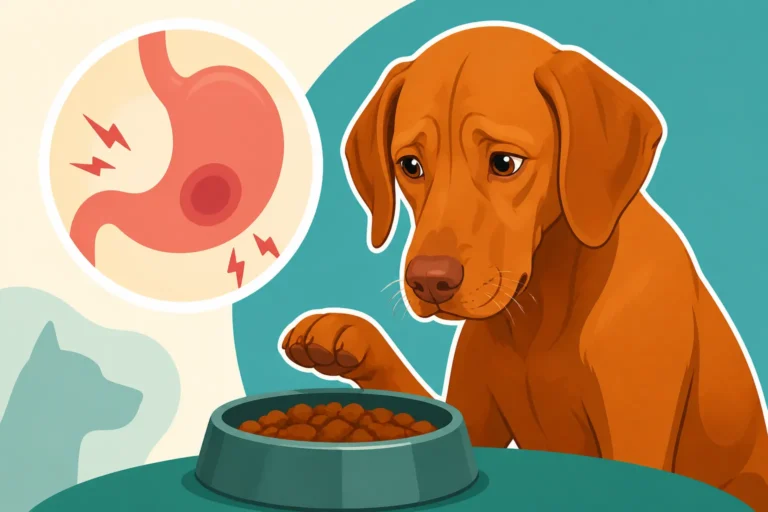
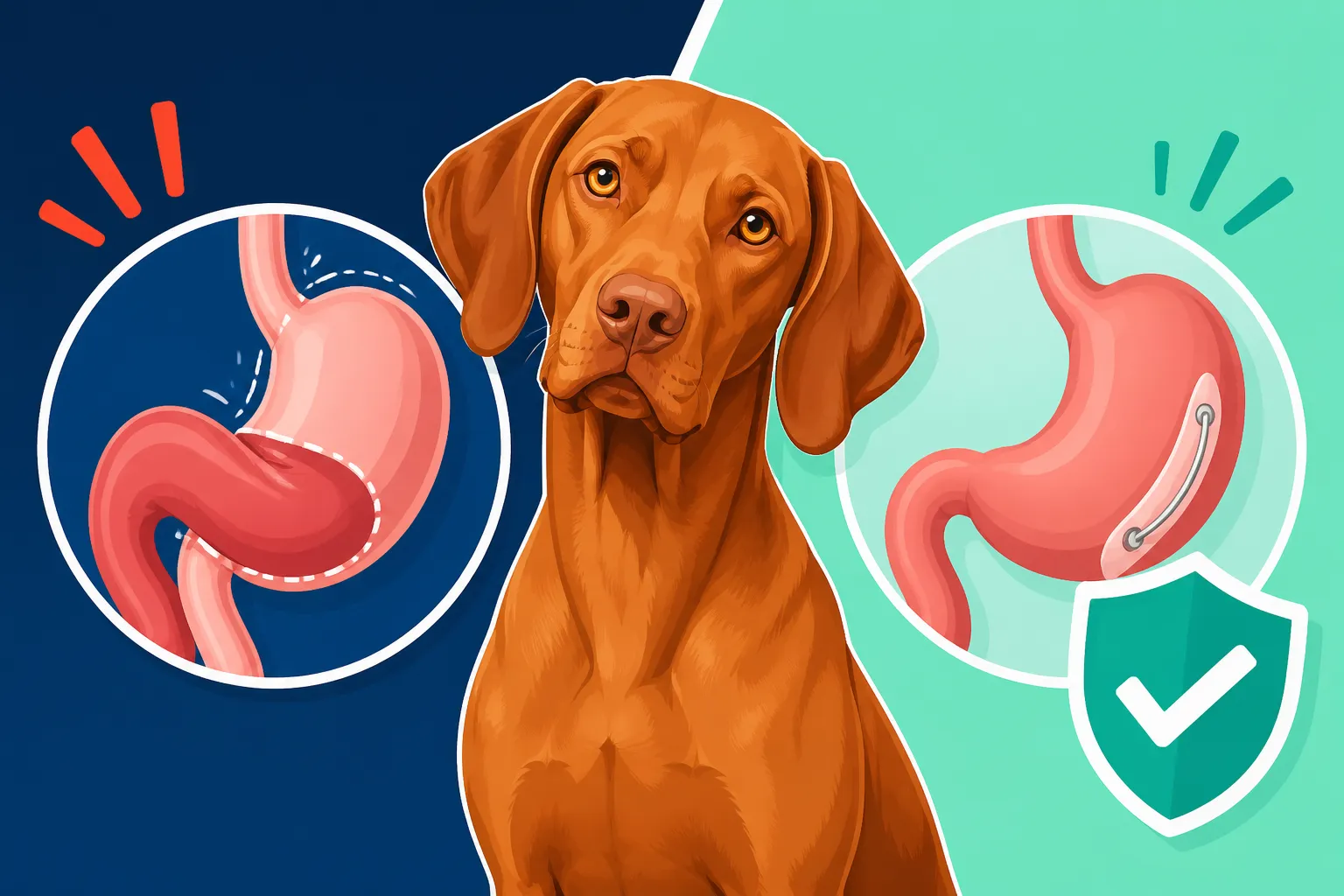
Gastric Dilatation-Volvulus, or GDV, is an acute, life-threatening condition where a dog's stomach first fills with gas, food, or fluid (dilatation), and then twists upon itself (volvulus). Imagine a balloon inflating and then tying a knot in its neck – that's essentially what happens. This twisting cuts off blood supply to the stomach and often the spleen, and gas continues to build up because it can't escape. The increased pressure in the stomach can also impede blood flow back to the heart, leading to shock and eventually organ failure. It's an agonizing condition that requires immediate veterinary intervention, often within an hour or two of onset, to have any chance of survival. Symptoms include a distended abdomen, unproductive retching (trying to vomit but nothing comes up), restlessness, excessive drooling, pain when the abdomen is touched, and ultimately collapse.
The speed at which GDV progresses is what makes it so terrifying. You might leave your Vizsla perfectly fine, only to return a few hours later to a dog in severe distress. There's no time for "wait and see." If you suspect bloat, it's a frantic race to the emergency vet. Even with immediate surgical correction, the survival rate for GDV can vary, and there are often long-term complications or a risk of recurrence if a gastropexy isn't performed at the time of initial surgery.
Why Vizslas Are at a Higher Risk
Vizslas, like many other large, deep-chested breeds such as Great Danes, German Shepherds, and Weimaraners, are unfortunately predisposed to GDV. While the exact cause isn't fully understood, several factors are believed to contribute to this increased risk. The physical conformation of their chest cavity and the way their stomach hangs freely play a significant role. A deep chest allows more room for the stomach to distend and twist.
Beyond conformation, other risk factors include eating one large meal a day, eating rapidly, exercising vigorously before or after meals, stress, and genetics. If you have a Vizsla, especially a male, and especially one with a family history of bloat, their risk increases substantially. It's a stark reality that we, as Vizsla owners, need to acknowledge. While we want our dogs to live long and healthy lives, free from the threats of diseases like The Cancers That Take a Vizsla Early or Why a Vizsla's Immune System Is the Breed's Weak Point, bloat stands out due to its sudden and often fatal nature. This breed's high energy and drive, often leading to rapid eating and quick returns to activity, can inadvertently contribute to the risk profile, making us extra vigilant about their routines.
What is a Gastropexy and How Does It Work?
Given the dire threat of GDV, many Vizsla owners turn to a preventative measure known as a gastropexy. Understanding this surgical procedure is crucial before deciding if it's the right path for your dog.
Surgical Prevention: The Procedure Explained
A gastropexy is a surgical procedure where a dog's stomach is permanently attached to the abdominal wall. The goal isn't to prevent the stomach from dilating (filling with gas), but to prevent it from twisting (volvulus). If a Vizsla with a gastropexy experiences bloat, their stomach can still fill with gas, but it cannot rotate. This means it's still an emergency that requires veterinary attention to decompress the stomach, but it's no longer the immediate, life-threatening torsion that requires emergency surgery to untwist the stomach and assess for tissue damage. The dog has more time, and the prognosis is significantly better.
The procedure is typically performed electively, often at the same time as a spay or neuter, which can be a convenient and cost-effective approach. For male Vizslas, who are not typically neutered as puppies but can still benefit from this preventative measure, it's a standalone elective surgery. The vet will identify a section of the stomach wall and a corresponding section of the abdominal wall, usually on the right side, and create an adhesion, effectively "tacking" the stomach in place. This permanent attachment prevents the rotation that causes volvulus. The recovery time is generally straightforward, similar to a routine abdominal surgery, with pain management and restricted activity for a few weeks. Many owners report that the recovery from a gastropexy is less intense than from some other common surgeries such as Cruciate Tears in a Working Vizsla or even a standard spay, as long as it's done prophylactically on a healthy dog.
Types of Gastropexy: Open vs. Laparoscopic
When considering a gastropexy, you'll likely hear about two main approaches: open surgery and laparoscopic surgery.
-
Open Gastropexy: This is the traditional method, requiring a larger incision along the abdomen to allow the surgeon direct access to the stomach and abdominal wall. It's a reliable and widely practiced technique. The surgeon physically sutures the stomach to the body wall. While effective, the larger incision means a slightly longer recovery time and potentially more discomfort initially compared to the laparoscopic method. However, it's often more affordable and accessible, as most veterinary clinics are equipped to perform open abdominal surgeries. For a young, healthy Vizsla, this is a very safe and effective procedure.
-
Laparoscopic Gastropexy: This is a minimally invasive technique that uses a laparoscope (a small camera) and specialized instruments inserted through a few small incisions. The surgeon performs the procedure by viewing internal organs on a monitor. There are several laparoscopic variations, including circumcostal, incisional, and incorporating gastropexy (where the stomach is attached to the muscle layers of the abdominal wall). The key advantage of laparoscopic surgery is reduced pain, smaller incisions, and a quicker recovery time due to less tissue trauma. However, it requires specialized equipment and training, making it typically more expensive and only available at certain veterinary specialty clinics. If your Vizsla is sensitive or you want the quickest possible return to normal activity, and your budget allows, a laparoscopic approach might be appealing. Discussing the pros and cons of both options with your veterinarian, considering your dog's temperament and overall health, is essential.
Deciding if a Gastropexy is Right for Your Vizsla
Making the choice to put your healthy Vizsla through surgery is never easy. It requires carefully weighing the significant benefits against the potential risks and understanding what factors should guide your decision.
The Benefits of Prophylactic Gastropexy
The primary and most compelling benefit of a prophylactic gastropexy is the dramatic reduction in the risk of your Vizsla developing a life-threatening GDV episode. While it doesn't prevent bloat (gas accumulation) entirely, it virtually eliminates the stomach's ability to twist. This means that if your Vizsla ever bloats, it will be a less severe, more manageable medical emergency rather than a frantic race against time with a much lower survival rate. This peace of mind alone is invaluable for many Vizsla owners.
Consider the cost, both emotional and financial, of an emergency GDV surgery. An emergency GDV operation can cost anywhere from $3,000 to $10,000 or more, depending on the severity, complications, and geographic location, often occurring in the middle of the night at an emergency clinic. A prophylactic gastropexy, especially if performed during a routine spay or neuter, is significantly less expensive, often ranging from $400 to $1,500. For pet insurance providers like Healthy Paws, while they cover emergency GDV treatment, a prophylactic gastropexy done before symptoms occur is considered preventive and typically not covered. However, preventing an emergency can save you a large deductible and the potential for a lifetime of managing post-GDV complications, making the upfront investment well worth it. Furthermore, it saves your Vizsla from immense pain and suffering, and you from the heartbreak of losing them to a condition that could have been prevented. It's a proactive step that can add years to their life and greatly reduce stress for the whole family.
Potential Risks and Considerations
While the benefits are substantial, no surgery is without risks. General anesthesia always carries a small risk, though modern veterinary anesthesia protocols are very safe for healthy dogs. Potential complications specific to gastropexy include infection at the surgical site, pain, and very rarely, the adhesion failing or scar tissue formation causing issues. However, these complications are infrequent, especially when performed by an experienced surgeon on a healthy, well-screened Vizsla.
It's also important to remember that a gastropexy prevents torsion, not dilatation. Your Vizsla could still bloat, meaning their stomach fills with gas, which is still uncomfortable and requires veterinary attention to relieve the pressure. The difference is that the stomach won't twist, giving you more time and a far better prognosis. This means you still need to be vigilant about symptoms of bloat, even with a gastropexy. The decision is deeply personal and should involve a thorough discussion with your veterinarian, taking into account your Vizsla's individual health, age, and lifestyle.
Factors Influencing the Decision
Several factors play into whether a prophylactic gastropexy is the right choice for your Vizsla:
- Age and Health: The ideal time for a prophylactic gastropexy is typically when your Vizsla is young and healthy, often concurrently with spaying or neutering, usually between 6 months and 2 years of age. At this stage, they are robust, and recovery is generally smoother. Performing the surgery on an older Vizsla, or one with pre-existing health conditions, increases the anesthetic risk.
- Breed Predisposition: Vizslas are a deep-chested breed known to be at higher risk. If your Vizsla comes from lines with a history of GDV, the risk increases further, making gastropexy a stronger consideration.
- Lifestyle: Does your Vizsla eat rapidly? Is there a lot of activity right before or after meals? Do they tend to be anxious? These are all factors that can increase bloat risk. A busy, high-energy Vizsla that spends a lot of time in the field, like one training for hunting, might be at a higher risk due to vigorous exercise around feeding times. Read more about The Age a Vizsla Develops Polymyopathy or What a Vizsla Costs a Year to Keep to understand broader health and financial commitments for these active dogs.
- Your Peace of Mind: For many owners, the anxiety surrounding bloat is immense. Knowing your dog has a gastropexy can significantly alleviate this stress, allowing you to enjoy your Vizsla without constant worry.
- Financial Considerations: As mentioned, the cost of an elective gastropexy is typically much less than emergency bloat surgery. Consider your budget and whether you have pet insurance like Healthy Paws that might cover emergency costs but not preventive procedures.
Here's a quick comparison of the two scenarios:
| Feature | Emergency GDV (No Gastropexy) | Prophylactic Gastropexy + Dilatation |
|---|---|---|
| Risk of Stomach Twist | Very high | Virtually eliminated |
| Urgency | Extreme, often fatal within hours | Still urgent, but more time |
| Prognosis | Guarded to poor, even with surgery | Good to excellent |
| Pain Level | Severe, agonizing | Discomfort, manageable |
| Surgical Scope | Complex, often involves removing damaged tissue | Straightforward, preventative |
| Cost | High ($3,000 – $10,000+) | Moderate ($400 – $1,500+) |
| Recovery | Longer, higher risk of complications | Shorter, generally smooth |
| Emotional Toll | Immense stress, trauma | Peace of mind |
This table highlights the stark differences and helps put the value of a prophylactic gastropexy into perspective.
Beyond Gastropexy: Holistic Bloat Prevention
While a gastropexy offers significant protection against the most deadly aspect of bloat, it's just one part of a comprehensive prevention strategy. There are several daily habits and management techniques that all Vizsla owners should implement to further reduce the risk of bloat, whether their dog has had a gastropexy or not.
Feeding Strategies to Reduce Risk
How and what your Vizsla eats can have a substantial impact on their bloat risk. Changing some feeding habits can make a real difference.
- Smaller, More Frequent Meals: Instead of one large meal a day, divide your Vizsla's daily food intake into two or three smaller meals. This prevents the stomach from becoming overly full and distended at any one time. For a breed that burns calories like crazy, like our Vizslas, who can often be too lean, this also helps with Keeping Weight on a Vizsla That Burns Everything.
- Slow Down Eating: Many Vizslas are enthusiastic eaters and can gulp down their food in minutes. Rapid eating causes them to ingest a lot of air, which contributes to gas build-up in the stomach. Consider using a slow-feeder bowl or puzzle feeder to make them work for their food and slow down consumption. You can also place a large, non-chokeable object (like a few large, clean rocks or a tennis ball) in their bowl to force them to eat around it.
- Avoid Raised Bowls (Controversial): For years, raised feeding bowls were recommended to prevent bloat. However, more recent studies have suggested that raised bowls might actually increase the risk in some large breeds. The current veterinary consensus tends to lean towards feeding at ground level unless there's a specific medical reason (like arthritis in an old Vizsla) to use a raised feeder. Discuss this with your vet.
- Choose Appropriate Food: While there's no single "anti-bloat" food, some anecdotal evidence suggests that diets high in fat or citric acid might increase risk. However, the most consistent advice is to feed a high-quality kibble with a coarser texture, rather than finely ground, as this might encourage more chewing. Ensure the primary ingredients are meat-based, as this is ideal for our active dogs.
- Limit Water Intake Around Meals: While hydration is vital, especially for our active Vizslas, excessive water consumption immediately before or after meals can contribute to stomach distention. Offer water freely throughout the day, but perhaps reduce the volume right around meal times or monitor how much they gulp down.
Implementing these simple, daily changes can significantly contribute to your Vizsla's digestive health and reduce their overall risk profile.
Activity Management Around Meal Times
The high energy levels and working drive of a Vizsla mean they love to run, play, and hunt. However, combining vigorous activity with full meals is a major bloat risk factor that we can directly control.
- "Rest and Digest" Rule: The golden rule for bloat prevention is to avoid strenuous exercise for at least one hour before and two hours after meals. This gives the stomach time to process food without being tossed around. This means no frantic games of fetch, no long runs, and certainly no demanding field work immediately following breakfast or dinner. This might be a challenge for our high-energy pups who seem to have boundless stamina, but it's a critical management strategy.
- Minimize Stress: Stress is another recognized risk factor for bloat. While impossible to eliminate entirely, try to create a calm, predictable environment for your Vizsla, especially around meal times. A frantic or anxious dog may gulp air or eat too quickly, increasing risk. If your Vizsla is prone to anxiety, particularly if they exhibit signs of Separation Anxiety Is Why Vizslas Are Given Up or general nervousness, managing their stress can contribute to overall well-being and bloat prevention.
- Post-Meal Monitoring: Even with all precautions, vigilance is key. After meals, especially if your Vizsla ate quickly or seemed particularly ravenous, keep an eye on them for any signs of discomfort, restlessness, unproductive retching, or abdominal distention. Early detection of bloat, even if it's just dilatation, is paramount. If you're ever in doubt, call your vet immediately. It's better to be safe than sorry when it comes to this life-threatening condition. Knowing What Vizslas Are Most Often Treated For can give you a general idea of common issues, but bloat stands alone as a unique, sudden threat.
By combining the surgical protection of a gastropexy with thoughtful feeding strategies and careful activity management, you can provide the best possible defense against bloat for your beloved Vizsla.
Disclaimer
This guide is intended for informational purposes only and does not constitute veterinary medical advice. Always consult with a qualified veterinarian for any health concerns or before making any decisions regarding your Vizsla's health, treatment, or care. They can provide personalized advice based on your dog's individual history and needs.