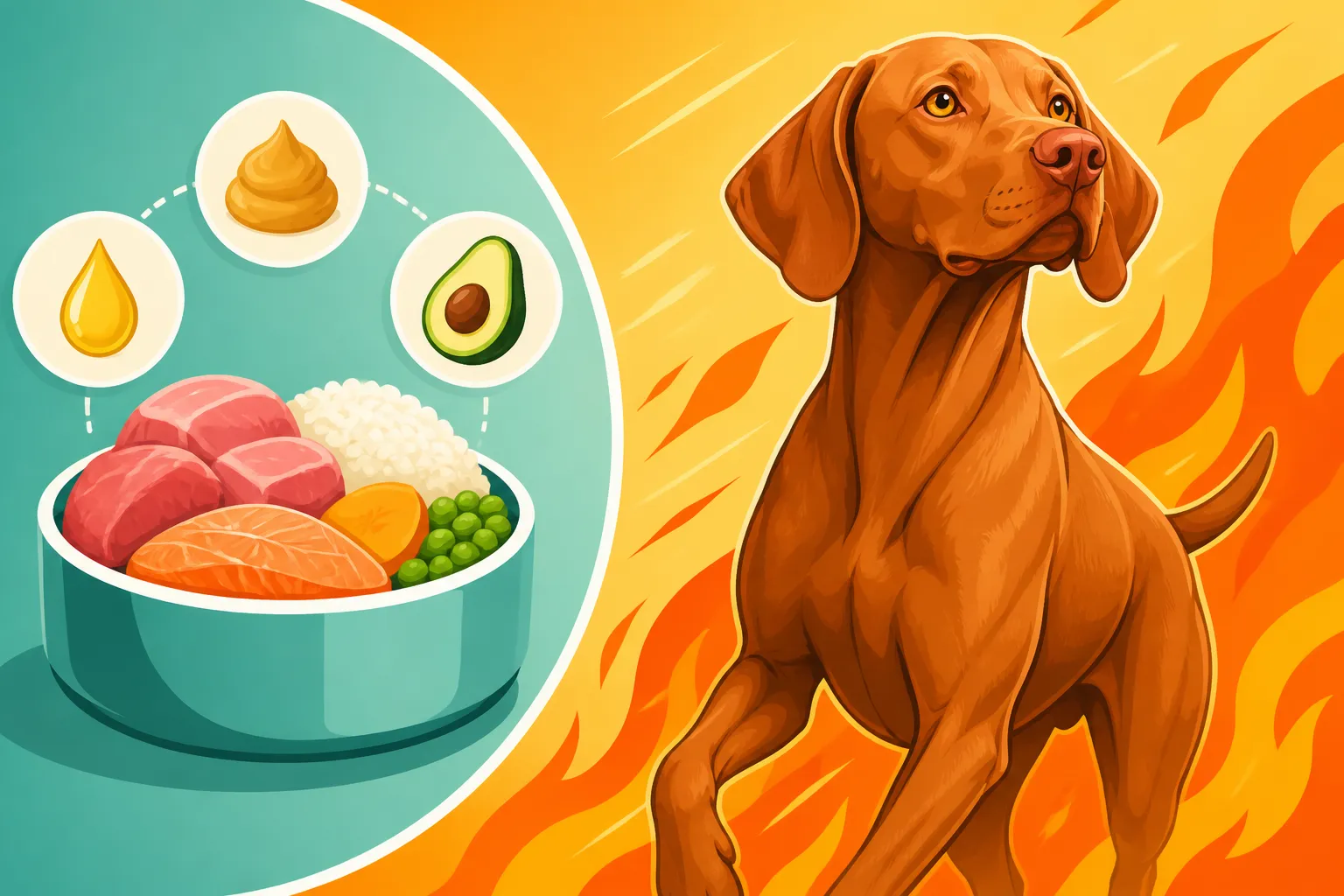
Keeping Weight on a Vizsla That Burns Everything
It's a familiar sight for many Vizsla owners: you look at your beloved rusty marvel, and despite feeling like you're constantly refilling their bowl, those ribs are just a little too prominent, or their hips seem to stick out more than you'd like. Keeping weight on a Vizsla that acts like a perpetual motion machine can feel like a relentless battle, leaving you wondering if you're doing something wrong or if they're just destined to be perpetually lean. This comprehensive guide will dive deep into the unique challenges of maintaining a healthy weight for your high-energy Vizsla, offering practical strategies and insights to help your dog thrive.
The Vizsla's Unique Metabolism and Energy Needs
If you live with a Vizsla, you know they're not just dogs; they're finely tuned athletes wrapped in a stunning golden-rust coat. This incredible athleticism and boundless energy are part of their charm, but they also mean your Vizsla’s body works a little differently than many other breeds. Understanding their inherent metabolic makeup is the first step in ensuring they maintain a healthy weight.
The "Lean Machine" Physique
Vizslas are built for speed, agility, and endurance in the field. They are medium-sized dogs with a famously sleek, muscular build and very little body fat. This isn't just aesthetic; it's functional. Their ancestors were bred to be swift hunters, covering vast distances and working tirelessly alongside their human companions. This historical purpose has shaped their physical form, resulting in a naturally lean body composition. They don't have the heavy bone structure or thick coats of some other breeds, and their metabolism is geared towards burning calories efficiently to fuel constant activity.
Many new Vizsla owners often worry that their dog looks "too thin" compared to other breeds they've owned. It's crucial to remember that a healthy Vizsla will generally have visible ribs when viewed up close, a distinct waist, and a tucked-up abdomen. What might look underweight on a Labrador might be perfectly normal for a Vizsla. Their lean muscle mass is dense, and they carry very little insulation in terms of fat, which also explains why they tend to shiver at temperatures that other dogs barely notice.
Fueling the Fire: High-Octane Energy Levels
There's a reason they're often called "Velcro Vizslas" or described as having an "off" switch that's permanently stuck in the "on" position. These dogs possess an astonishing amount of energy. From the moment they wake up until they finally crash at the end of the day, they are looking for an outlet. Whether it's zooming around the yard, fetching endlessly, or accompanying you on a long hike, their bodies are constantly expending energy. This constant activity means they burn through calories at an alarming rate.
Think of your Vizsla like a high-performance sports car; it needs premium fuel in significant quantities to perform at its peak. A Vizsla’s caloric needs are often much higher than general guidelines for dogs of their size, especially if they are actively working, training for dog sports, or simply living their best, most energetic life. Neglecting this crucial need for adequate fuel can quickly lead to weight loss, despite what might seem like generous portions.
The Double-Edged Sword of Activity
Their incredible drive and endurance, while wonderful for active families and hunters, can be a double-edged sword when it comes to weight management. While daily exercise is non-negotiable for a Vizsla's mental and physical well-being, excessive or unbalanced activity without proper caloric support will inevitably lead to weight loss. It's easy to get caught in a cycle: your Vizsla has endless energy, so you give them more exercise, which burns more calories, and then they need even more food.
Consider a hunting season, where a Vizsla might spend hours covering challenging terrain, pointing, and retrieving. The energy expenditure during such periods is immense. Even a daily two-hour run or a vigorous session at the dog park will significantly impact their daily caloric requirements. It’s not just the intensity, but the duration and consistency of their activity that constantly saps their energy reserves. This is why careful monitoring and adjustment of their diet are paramount to match their activity output. You're constantly playing catch-up, trying to put back what they've burned.
Distinguishing Healthy Lean from Unhealthy Underweight
One of the biggest anxieties for Vizsla owners is determining whether their dog is simply lean, as the breed standard dictates, or genuinely underweight and potentially facing health issues. It's a fine line sometimes, and what one person considers healthy, another might see as too thin. Developing a keen eye for your dog's body condition is crucial.
Understanding Body Condition Scoring (BCS)
The best tool we have for assessing a dog's weight is the Body Condition Score (BCS). It's a standardized system, usually on a 9-point scale, where 1 is emaciated and 9 is obese. For a Vizsla, ideally, you're aiming for a BCS of around 4 or 5.
Here's a breakdown of what to look and feel for:
- Ribs: You should be able to easily feel your Vizsla's ribs, almost like knuckles under a thin blanket, but you shouldn't see them prominently from a distance. If you can see individual ribs clearly without even touching your dog, they might be too thin.
- Waist: From above, your Vizsla should have a distinct "waist" where the abdomen tucks in behind the rib cage. This should be evident, not just a straight line from ribs to hips.
- Abdominal Tuck: From the side, their abdomen should be tucked up, rising from the bottom of the rib cage to the groin area. There shouldn't be a sagging or rounded belly.
- Spine and Hips: You should be able to feel the spine and hip bones with gentle pressure. However, like the ribs, they shouldn't be sharply visible or protruding without any effort. If their hip bones look like coat hangers or their spine vertebrae are clearly defined bumps, that's a red flag.
Regularly checking your dog's BCS by sight and touch, even weekly, can help you catch subtle changes before they become significant problems. It's a much more accurate measure than just looking at the number on the scale, as Vizslas can vary in build and density.
When Ribs Are Too Prominent
While it's normal for a Vizsla to show some definition around their rib cage, there's a point where "lean" crosses into "too thin." If you can easily count each individual rib from several feet away without your dog being wet or having just exerted themselves heavily, they are likely underweight. This is particularly concerning if the ribs appear sharply angled or if the spaces between the ribs are sunken.
Similarly, if their hip bones and shoulder blades are sharply defined and protrude significantly, rather than just being palpable, this indicates insufficient body fat and muscle covering. A healthy Vizsla will have a smooth, muscular covering over their frame, even if it's very shallow. Prominent bony protrusions suggest their body is drawing on fat reserves and even muscle for energy, which is not sustainable or healthy. Owners often grapple with the question of Whether Ribs Should Show on a Vizsla. It's a constant recalibration.
Other Signs Your Vizsla Might Be Struggling
Beyond just visible bones, there are other subtle signs that your Vizsla might be struggling to keep weight on, or that something deeper is at play.
- Decreased Energy (Paradoxically): While Vizslas are high-energy, if they are severely underweight, they might actually lose their characteristic boundless energy. They might tire more quickly during walks or be less enthusiastic about play. This is their body conserving precious resources.
- Dull Coat and Poor Skin Health: A healthy coat reflects a healthy diet. If your Vizsla's coat looks dull, dry, brittle, or they are experiencing excessive shedding, it could be a sign of nutritional deficiencies or an underlying issue affecting their ability to absorb nutrients.
- Muscle Wasting: Pay close attention to their hindquarters and temporal muscles (on the sides of their head). If these areas appear sunken or less full than usual, it indicates muscle loss, which is a serious concern. This can be particularly noticeable around their head, giving them a more "hollow" look.
- Changes in Appetite or Digestion: While some Vizslas are bottomless pits, a sudden decrease in appetite, pickiness, vomiting, or diarrhea can all be indicators of a problem that's preventing them from absorbing enough nutrients to maintain weight. Issues like What a Vizsla Has a Sensitive Gut are common and can impact nutrient absorption.
- Lethargy or Behavioral Changes: Any unexplained lethargy, reluctance to move, or changes in typical behavior should prompt a veterinary visit, especially when combined with weight loss.
It's important to differentiate between a naturally lean dog and one whose thinness is indicative of poor health. When in doubt, always consult your vet.
Crafting a High-Calorie Diet Strategy
Once you've determined your Vizsla needs to gain or maintain weight, the most direct approach is to optimize their diet. This isn't just about feeding more food, but feeding the right kind of food in the right way. Their boundless energy demands a highly specific nutritional strategy.
Choosing the Right Food Formula
For Vizslas, especially active ones, generic adult maintenance formulas often just don't cut it. You need a diet that's calorically dense and packed with the nutrients they need.
- Performance Formulas: These diets are specifically designed for highly active dogs like working gun dogs, agility competitors, or those with very high metabolisms. They typically have a higher fat content (often 18-25% crude fat or more) and a higher protein content (28-32% or higher). This fat provides concentrated energy, while the protein supports muscle maintenance and repair. Look for brands that explicitly state they are for "active dogs," "working dogs," or "performance." Many owners find that a Whether a Vizsla Needs a Performance Formula is non-negotiable for their dog's health.
- Puppy Formulas: For adult Vizslas who are genuinely struggling to keep weight on, particularly those who are still young and rapidly growing (up to 2 years old), some veterinarians might even recommend a high-quality large breed puppy formula. These diets are typically very calorie-dense to support rapid growth, but be careful not to overdo it, as too much too fast can lead to other issues. Consult your vet before going this route for an adult dog.
- High-Quality Ingredients: No matter the formula, always prioritize food made with high-quality, easily digestible ingredients. The first ingredients should be named meat sources (e.g., "chicken meal," "lamb," rather than vague "meat by-products"). Avoid fillers, artificial colors, and excessive corn or wheat if your dog has sensitivities. A good food will maximize nutrient absorption, ensuring the calories you're feeding actually get utilized by their body.
The Art of Meal Frequency and Portion Size
Feeding your Vizsla isn't just a two-times-a-day affair if they're struggling with weight. Their digestive system can only process so much at once, and large, infrequent meals might not allow for optimal nutrient absorption.
- More Frequent, Smaller Meals: Instead of two large meals, try breaking their daily ration into three or even four smaller meals throughout the day. This can improve digestion and absorption, and it also keeps their metabolism steadily fueled, preventing long periods where their body might start to dip into reserves. For instance, if your Vizsla is eating 4 cups a day, split it into two 2-cup meals, or even three 1.3-cup meals.
- Evening Meal: A slightly larger meal closer to bedtime can be beneficial, as it provides sustained energy overnight when they are typically resting and their body can focus on digestion and repair.
- Post-Exercise Fuel: If your Vizsla engages in intense activity, provide a small, digestible meal or snack shortly after they cool down. This helps replenish glycogen stores and aids in muscle recovery.
Remember to slowly transition to any new feeding schedule or food type to avoid upsetting their stomach. Sudden changes can lead to digestive upset, which defeats the purpose of trying to gain weight.
Exploring Different Food Types
While kibble is the most common and convenient option, exploring other food types can also be beneficial, especially if your Vizsla is a picky eater or seems to have trouble with traditional dry food.
- Dry Kibble: As discussed, a high-quality performance kibble is often the backbone of a Vizsla's diet. Brands like Orijen, Acana, Eukanuba Sport, or Pro Plan Sport are popular choices among active dog owners due to their higher fat and protein content. Make sure to buy the largest bag possible if you have a subscription service like Chewy for convenience, as you'll be going through it quickly!
- Wet Food: Adding wet food, either as a topper or as part of a meal, can significantly boost caloric intake and palatability. Canned dog food is often very dense in calories and moisture. Just be sure to account for these extra calories when calculating their total daily intake.
- Fresh or Gently Cooked Diets: Some owners find success with fresh or gently cooked dog food services. Brands like Ollie offer pre-portioned, human-grade meals that can be very palatable and digestible. The higher moisture content can also be beneficial, and some dogs simply thrive better on less processed food. This can be a great option if you're struggling to entice your Vizsla to eat enough kibble. However, it's generally a more expensive route.
- Raw Diets: A raw diet (BARF or PMR) can also be highly digestible and nutrient-dense, leading to better absorption and potentially weight gain for some dogs. However, raw feeding requires careful research, balancing, and strict hygiene to ensure it's safe and nutritionally complete. It's not a decision to be taken lightly and is best done with guidance from a veterinary nutritionist.
The key is to find what works best for your Vizsla – what they will consistently eat and what their body responds well to. Experimentation, always done gradually, might be necessary.
Smart Supplementation and Caloric Boosts
Sometimes, even with the best food, a Vizsla's metabolism just demands more. This is where strategic supplementation and healthy caloric boosts can come into play, helping to add those much-needed calories and nutrients without completely overhauling their primary diet.
Incorporating Healthy Fats and Oils
Fats are the most concentrated source of calories, providing more than double the energy per gram compared to proteins or carbohydrates. Adding healthy fats and oils to your Vizsla's diet is one of the most effective ways to increase their caloric intake.
- Salmon Oil or Fish Oil: These are fantastic for adding calories and also provide omega-3 fatty acids (EPA and DHA), which are excellent for skin and coat health, joint support, and overall anti-inflammatory benefits. They are easily digestible and most dogs love the taste. You can drizzle it over kibble at mealtime. Start with a small amount and gradually increase to the recommended dosage based on your dog's weight.
- Coconut Oil: While some debate its benefits for dogs, a small amount of virgin coconut oil can add calories and provide medium-chain triglycerides, which some studies suggest can be a quick energy source. Start with a tiny amount (1/4 teaspoon) and increase slowly to avoid digestive upset.
- Animal Fats: Cooked and cooled bacon grease (in moderation and unsalted!), or fat trimmed from cooked meat (chicken skin, beef fat), can be added to meals. However, be extremely careful with the amount, as too much can lead to pancreatitis in some dogs, especially those with sensitive stomachs. Always introduce new fats slowly.
- Full-Fat Plain Yogurt or Cottage Cheese: These can be great additions, offering both fat and protein, plus beneficial probiotics if it's plain and unsweetened. Again, start small to ensure your Vizsla tolerates dairy well.
It's important to differentiate between adding healthy, digestible fats and simply feeding unhealthy "junk" food. The goal is to provide beneficial calories that contribute to their overall health.
Adding Protein and Carbs for Sustained Energy
While fat is key for immediate caloric density, protein is essential for maintaining muscle mass, and complex carbohydrates provide sustained energy release, preventing those energy dips that lead to rapid calorie burning.
- Cooked Meats: Adding lean, cooked protein sources like boiled chicken breast, lean ground beef (drained of excess fat), or cooked turkey can be highly palatable and boost both protein and calorie intake. Ensure all bones are removed.
- Eggs: Cooked eggs (scrambled or hard-boiled) are a superfood for dogs, packed with protein, healthy fats, and vitamins. They are easily digestible and most Vizslas adore them. One or two eggs a day can make a significant difference.
- Sweet Potatoes or Pumpkin: These are excellent sources of complex carbohydrates and fiber. Cooked and mashed sweet potato or plain canned pumpkin (not pie filling) can add calories, aid digestion, and are usually very well-tolerated. They provide a slower-burning energy source than simple sugars.
- Oats or Rice: Cooked oatmeal (plain, unsweetened) or white rice can be added to meals for an extra carb boost. Rice is particularly good if your Vizsla has a sensitive stomach, as it's bland and easy to digest.
Remember, any additions should be part of their balanced daily intake. If you're adding a lot of extra food, you might need to slightly reduce their regular kibble portion to ensure they're still getting a balanced nutrient profile without overfeeding specific vitamins or minerals.
Strategic Snacking and Meal Toppers
Don't underestimate the power of thoughtful snacks and meal toppers. These aren't just treats; they can be critical caloric bridges between meals.
- High-Calorie Dog Treats: Look for treats specifically formulated for active dogs or those needing extra calories. Many brands offer nutrient-dense training treats that can be utilized throughout the day.
- Peanut Butter (Xylitol-Free!): A dollop of natural, xylitol-free peanut butter is a classic, high-calorie, and delicious treat. It's great for stuffing Kongs or as a quick snack.
- Nutrient-Dense Toppers: Besides the oils and cooked foods mentioned, consider specialized weight gain supplements available at pet stores or online (like Chewy). These often come in powder or liquid form and are designed to be added directly to food for an extra calorie and nutrient punch.
- Kefir or Goat Milk: These dairy products, especially full-fat versions, offer calories, probiotics, and are often very palatable. Many Vizslas enjoy a splash in their bowl.
The key to all these additions is moderation and observation. Introduce one new item at a time and monitor your Vizsla for any digestive upset or allergies. What works wonders for one Vizsla might not be suitable for another.
Balancing Exercise with Nutritional Support
It's a common dilemma: your Vizsla needs an incredible amount of exercise to be happy and well-behaved, but that very exercise burns the calories you're working so hard to put on them. The trick is finding the sweet spot where their activity levels meet their nutritional intake, preventing them from running themselves ragged and losing condition.
Assessing Your Vizsla's Daily Activity Levels
Many owners underestimate just how much their Vizsla moves throughout the day. It's not just the structured walks or runs; it's the pacing, the backyard sprints, the constant re-positioning on the couch to get closer to you. All of this burns calories.
- Structured Exercise: Track the duration and intensity of their intentional exercise: runs, hikes, fetch sessions, training classes, dog park visits.
- Unstructured Activity: Observe their natural activity in the house and yard. Do they constantly patrol the fence line? Do they have "zoomies" several times a day? Do they carry toys around endlessly?
- Working Dogs: For Vizslas used in hunting or competitive dog sports (agility, flyball, canicross), their caloric needs during peak season or competition days will be astronomically higher. A Vizsla can cover miles upon miles in a single hunting trip. This is where How Much a Working Vizsla Eats becomes a really important consideration.
- Using Activity Trackers: Consider a dog-specific activity tracker (like a FitBark or Whistle). These devices can give you an objective measure of their daily movement, sleep patterns, and calorie burn estimates, helping you visualize just how active your Vizsla truly is. You might be surprised!
Once you have a clearer picture of their activity, you can better adjust their food intake. It's often a dynamic process, requiring daily or weekly tweaks based on their energy output.
The Importance of Rest and Recovery
Just like human athletes, Vizslas need adequate rest and recovery to maintain muscle mass and process nutrients effectively. A dog that is constantly "on the go" without sufficient downtime might struggle to gain or maintain weight, even with ample food. Their body is simply expending more than it's building.
- Scheduled Downtime: Encourage periods of quiet rest throughout the day. This might involve crate time, designated "chill" zones, or simply teaching a solid "place" command. While a Vizsla loves to be near you, they also need to learn to settle.
- Quality Sleep: Ensure your Vizsla is getting enough quality sleep, especially at night. A comfortable, warm bed is essential, as their thin coats make them susceptible to cold, which can burn extra calories just to stay warm. Why a Vizsla Needs Somewhere Warm to Sleep is not just about comfort; it's about caloric efficiency.
- Mental Stimulation Over Pure Physical Exertion: Sometimes, instead of another long run, a mentally stimulating activity can be just as tiring without burning as many calories. Scent work, puzzle toys, trick training, or a focused obedience session can tire them out mentally, which is equally important for a well-rounded Vizsla. This helps prevent them from becoming an over-exercised, skinny wreck.
A well-rested Vizsla is better equipped to utilize the nutrients you're providing, aiding in muscle repair and growth, which is critical for weight maintenance.
Adjusting Intake for Training and Hunting Seasons
A Vizsla's caloric needs are rarely static. They fluctuate dramatically with their activity levels, especially for those involved in performance activities or hunting.
- Pre-Season Conditioning: As you ramp up their conditioning for hunting season or an upcoming trial, gradually increase their food intake to build reserves. Don't wait until they're already working hard.
- During Peak Season/Events: This is when your Vizsla will be burning the most calories. You might need to increase their food by 25-50% or even more on peak activity days. This isn't just about adding extra kibble; it's also about adding those healthy fats and protein boosts. For example, during a full day of field trials, your Vizsla might need several small, high-energy meals throughout the day, in addition to their regular breakfast and dinner.
- Off-Season/Rest Periods: When their activity decreases, so too should their caloric intake. Failing to reduce food during less active periods can lead to unwanted weight gain, which is also unhealthy. The goal is to keep them at a healthy, lean weight year-round, adjusting dynamically.
- Hydration is Key: Ensure access to fresh water at all times, especially during and after exercise. Dehydration can impact appetite, digestion, and overall performance, hindering weight maintenance efforts. For active dogs, consider adding electrolytes to their water during intense exercise.
The key is proactive adjustment. Don't wait until you see weight loss to increase food, and don't wait until they look pudgy to reduce it. Stay one step ahead of their energy demands.
Ruling Out Underlying Health Concerns
While a high metabolism is common for Vizslas, persistent or unexplained weight loss despite adequate feeding and exercise should always raise a red flag. Sometimes, being underweight isn't just about calorie intake; it can be a symptom of an underlying medical condition.
When to Consult Your Veterinarian
If you've been diligently adjusting your Vizsla's diet and exercise, and they are still struggling to gain or maintain weight, or if you notice other concerning symptoms, it's time for a visit to the vet. Don't delay, as early diagnosis can make a significant difference.
- Persistent Thinness: If your Vizsla maintains a BCS of 3 or less despite your best efforts for more than a few weeks.
- Sudden or Rapid Weight Loss: Any sudden, unexplained drop in weight should be immediately investigated, even if they weren't overweight to begin with.
- Changes in Appetite: If your Vizsla, normally a food-motivated dog, becomes picky, refuses meals, or exhibits a decreased appetite.
- Digestive Issues: Vomiting, chronic diarrhea, excessive gas, or changes in stool consistency (e.g., greasy, pale, or very loose stools).
- Lethargy or Behavioral Changes: Uncharacteristic tiredness, reluctance to play, or any signs of discomfort or pain.
- Other Physical Symptoms: Dull coat, skin problems, coughing, increased thirst or urination, or any new lumps or bumps.
Your veterinarian is your best partner in diagnosing and managing these issues. Be prepared to provide a detailed history of your Vizsla's diet, exercise, and any symptoms you've observed.
Common Medical Reasons for Weight Loss
Several medical conditions can cause a Vizsla to lose weight, even if they're eating normally.
- Parasites: Intestinal worms (roundworms, hookworms, whipworms, tapeworms) or protozoa (Giardia, Coccidia) can steal nutrients, leading to weight loss, a dull coat, and sometimes diarrhea. Regular deworming and fecal exams are crucial preventative measures.
- Gastrointestinal Issues:
- Inflammatory Bowel Disease (IBD): A chronic inflammation of the digestive tract that impairs nutrient absorption. This often presents with chronic diarrhea, vomiting, and weight loss.
- Exocrine Pancreatic Insufficiency (EPI): The pancreas fails to produce enough digestive enzymes, leading to maldigestion and malabsorption. Dogs with EPI often have a ravenous appetite but still lose weight, producing voluminous, greasy stools.
- Chronic Enteropathies: A general term for chronic diseases of the small intestine.
- Whether a Vizsla Gets Colitis or Whether a Vizsla Gets Pancreatitis are also important considerations, as these can severely impact digestion and nutrient uptake.
- Thyroid Disease: Hypothyroidism (underactive thyroid) can affect metabolism. While typically associated with weight gain, in some cases, it can cause muscle wasting or be accompanied by other issues leading to weight loss. It's often worth checking a Whether a Vizsla's Thyroid Should Be Tested Yearly.
- Kidney Disease or Liver Disease: Chronic organ diseases can cause a generalized decline in health, leading to poor appetite and weight loss.
- Dental Disease: Painful teeth or gums can make eating difficult, leading to a reduced intake of food.
- Cancer: Various types of cancer can cause cachexia (wasting syndrome) due to the body's increased metabolic demands and the tumor's impact on nutrient utilization.
- Diabetes: Uncontrolled diabetes can lead to weight loss despite a good appetite, as the body can't properly use glucose for energy.
This is not an exhaustive list, but it highlights why a vet visit is essential to rule out these possibilities.
Diagnostic Tests and Treatment Options
When you visit your vet for unexplained weight loss, they will likely recommend a series of diagnostic tests to pinpoint the cause.
- Physical Examination: A thorough hands-on exam will assess their overall condition, check for pain, lumps, and organ size.
- Fecal Examination: To check for intestinal parasites.
- Blood Work:
- Complete Blood Count (CBC): Checks for anemia, infection, and inflammation.
- Chemistry Panel: Assesses organ function (kidney, liver, pancreas), blood sugar, and electrolyte levels.
- Thyroid Panel: To check for hypothyroidism.
- EPI Testing: Specific tests like TLI (Trypsin-like Immunoreactivity) to diagnose Exocrine Pancreatic Insufficiency.
- Urinalysis: To assess kidney function and rule out urinary tract infections or diabetes.
- Imaging: X-rays or ultrasound may be used to examine internal organs for abnormalities, tumors, or foreign bodies.
- Biopsies: In some cases, biopsies of the intestinal tract or other tissues may be necessary to diagnose conditions like IBD or cancer.
Once a diagnosis is made, your vet will discuss specific treatment options, which could range from deworming, dietary changes, enzyme supplements for EPI, medications for IBD or thyroid disease, or more involved treatments like chemotherapy for cancer. Addressing the underlying health issue is paramount to successful weight management.
Tailoring Weight Management for Life Stages
A Vizsla's nutritional requirements aren't constant throughout their life. From energetic puppies to graceful seniors, and even during pregnancy, their bodies have different demands that impact their ability to maintain weight. Understanding these life stage differences is key to effective weight management.
Growing Pains and Puppy Fuel
Vizsla puppies are bundles of boundless energy, growing rapidly and burning calories at an astonishing rate. The first year with a Vizsla puppy is intense, and keeping them at a healthy weight requires vigilance.
- High-Quality Large Breed Puppy Food: While Vizslas aren't giant breeds, they are active, and a high-quality large breed puppy food is often recommended. These foods are formulated to support steady, controlled growth, which is crucial for preventing orthopedic issues later in life, such as Hip Dysplasia in a Vizsla or Elbow Dysplasia in a Vizsla. The goal isn't to make them grow as fast as possible, but to ensure they have ample, balanced nutrients.
- Frequent Meals: Young puppies typically need three to four meals a day. As they get older (around 6 months), you can transition to three, and then two by the time they are a year old, but adjust based on their individual needs and weight.
- Monitoring Growth: Regularly check their body condition. You should feel their ribs easily, but they shouldn't be sharply visible. Their weight will fluctuate as they go through growth spurts and then periods of "filling out."
- Exercise Management: While puppies need exercise, too much high-impact activity on developing joints can be detrimental. Structured, short play sessions are better than long, intense runs during puppyhood. Over-exercising a growing puppy can burn excessive calories without proper muscle and bone development.
It's a delicate balance to fuel their growth without overstressing their developing bodies or letting them get too thin.
Senior Vizslas and Changing Needs
As a Vizsla enters its golden years (typically around 7-8 years, considering The Twelve to Fourteen Years a Vizsla Lives), their metabolism can change, and new challenges arise regarding weight.
- Slowing Metabolism: Some senior Vizslas might experience a slight decrease in activity and a slowing metabolism, which could lead to weight gain if their food isn't adjusted. However, many Vizslas remain incredibly active well into their senior years.
- Muscle Wasting (Sarcopenia): More commonly, older Vizslas, even active ones, can start to lose muscle mass (sarcopenia). This can make them appear thinner, even if their fat reserves are adequate. To combat this, a diet rich in high-quality, easily digestible protein becomes even more important.
- Increased Pickiness or Dental Issues: Older dogs might become pickier eaters, or dental problems could make chewing painful. Offering softened kibble, wet food, or gently cooked fresh food can help ensure they get enough calories.
- Underlying Health Conditions: Senior Vizslas are more prone to conditions like arthritis, cancer, or organ disease, all of which can contribute to weight loss. Regular veterinary check-ups are vital to catch these issues early.
- Joint Supplements: While not directly for weight, supplements like glucosamine and chondroitin can help manage arthritis, keeping them comfortable and active, which supports appetite and overall well-being. Arthritis in a Vizsla at Ten is a common concern that can impact mobility and therefore appetite and caloric need.
Tailoring the diet and routine for a senior Vizsla means focusing on digestibility, nutrient density, and addressing any age-related health issues.
Pregnancy and Lactation: Fueling Mothers
For intact female Vizslas, pregnancy and lactation represent periods of immense caloric demand. Failing to provide adequate nutrition can severely impact both the mother's health and the development of her puppies.
- Gestation: During the first two-thirds of pregnancy, a female Vizsla's caloric needs don't increase significantly. However, in the last third (weeks 6-9), her needs will increase by about 15-25% as the puppies grow rapidly. She might benefit from a high-quality puppy food during this time due to its higher caloric density.
- Lactation: This is where the caloric demands truly skyrocket. A nursing mother Vizsla can require two to four times her normal maintenance calories, depending on the litter size. She should be fed free-choice or multiple large meals throughout the day.
- Her diet should be highly digestible, energy-dense (like a performance or puppy formula), and rich in protein and fat.
- Monitor her weight closely. It's normal for her to be lean during lactation, but she shouldn't be losing significant condition.
- Hydration: Ensure constant access to fresh water, as milk production requires a lot of fluid.
- Supplementation: Your vet might recommend specific supplements during this time, but typically, a high-quality, balanced diet is sufficient.
Adequate nutrition for a pregnant and lactating Vizsla is non-negotiable for the health of both mother and pups. It's often difficult to keep weight on a lactating female, and they can lose condition very quickly if not properly supported.
Creating a Consistent Weight Management Routine
Successfully keeping weight on a Vizsla that "burns everything" isn't a one-time fix; it's an ongoing process that requires consistency, observation, and a willingness to adapt. Establishing a solid routine is the cornerstone of this success.
The Power of Routine and Monitoring
Dogs thrive on routine, and your Vizsla is no exception. A consistent feeding schedule, coupled with regular monitoring, will provide the stability their body needs to efficiently utilize nutrients.
- Scheduled Feeding Times: Stick to consistent meal times every day. This helps regulate their digestive system and allows them to anticipate food, which can improve appetite.
- Daily Visual and Tactile Checks: Make it a habit to look at and feel your Vizsla's body condition daily. Just a quick run of your hands over their ribs, spine, and hips can tell you a lot. Catching a slight dip in weight early means you can adjust before it becomes a big problem.
- Weekly Weight Checks: If you have access to a pet scale (or weigh yourself, then yourself holding your dog, and subtract), a weekly weigh-in can be incredibly helpful, especially if your Vizsla is undergoing an intense training period or you're actively trying to put weight on them. Keep a log of their weight and any dietary changes you make. This data helps you see what works and what doesn't.
- Food Log: Consider keeping a simple log of what and how much your Vizsla eats each day, along with their general activity level. This can be invaluable if you need to consult your vet or a nutritionist. Did they skip a meal? Did they have an extra long run? These details matter.
Consistency in routine helps your Vizsla's body expect and process calories efficiently, while diligent monitoring empowers you to make timely adjustments.
Practical Tips for Busy Owners
Life gets busy, but your Vizsla's nutritional needs don't take a backseat. Here are some practical tips to help even the busiest owners maintain their Vizsla's weight.
- Meal Prep for Dogs: Just like human meal prep, you can pre-portion additions like cooked chicken, sweet potato, or pumpkin for the week. Store them in individual containers or bags in the fridge or freezer.
- Automatic Feeders: While not ideal for every meal, a timed automatic feeder can be useful for that extra midday meal when you're at work, ensuring your Vizsla gets consistent smaller meals. Make sure it's a sturdy, Vizsla-proof model!
- Subscription Services: Services like Chewy or your local pet store can auto-ship your preferred kibble or fresh food (like Ollie) on a regular schedule, so you never run out. This is especially helpful if your Vizsla is on a specific, high-demand performance food.
- Portable Meal Boosters: Keep small containers of healthy, high-calorie additions (like peanut butter, small tubs of wet food, or pre-cooked meat) readily available for quick meal enhancements, especially on days with higher activity.
- Communicate with Caregivers: If others care for your Vizsla (dog walkers, pet sitters, family), clearly communicate their feeding schedule and any specific dietary requirements. Leave written instructions.
Even with a demanding schedule, integrating these small habits can make a huge difference in your Vizsla's weight management success. Remember that What a Vizsla Needs Every Day includes consistent nutrition.
Patience and Persistence: It's a Marathon, Not a Sprint
Keeping weight on a Vizsla can feel like an endless uphill battle, especially when you're looking for quick results. It's easy to get frustrated if the scale isn't moving or if those ribs are still showing more than you'd like. But it’s crucial to remember that this is a marathon, not a sprint.
- Gradual Changes: Drastic changes in diet can upset a Vizsla's sensitive stomach. Introduce new foods, supplements, or increased portions gradually over several days to a week. This gives their digestive system time to adapt.
- Individual Variation: Every Vizsla is an individual. What works for one might not work for another. Be prepared to try different foods, different supplements, and different feeding schedules until you find the perfect combination for your dog.
- Consult Experts: Don't hesitate to lean on your veterinarian or a certified veterinary nutritionist. They can provide tailored advice, calculate precise caloric needs, and rule out any underlying issues. For instance, Healthy Paws pet insurance might cover the costs of these consultations and subsequent treatments if there’s a medical reason for weight loss, which can be a huge relief.
- Celebrate Small Wins: Did they maintain weight for a week? Did they finish all their food for three days straight? Celebrate these small victories. They add up.
The journey to a perfectly conditioned Vizsla is often a continuous learning process. With patience, persistence, and a consistent routine, you can ensure your beloved Vizsla remains healthy, energetic, and at their ideal weight throughout their wonderful life.
Disclaimer
The information provided in this article is for general informational purposes only and is not a substitute for professional veterinary advice. Always consult with a qualified veterinarian for any health concerns or before making any changes to your Vizsla's diet, exercise, or health regimen.