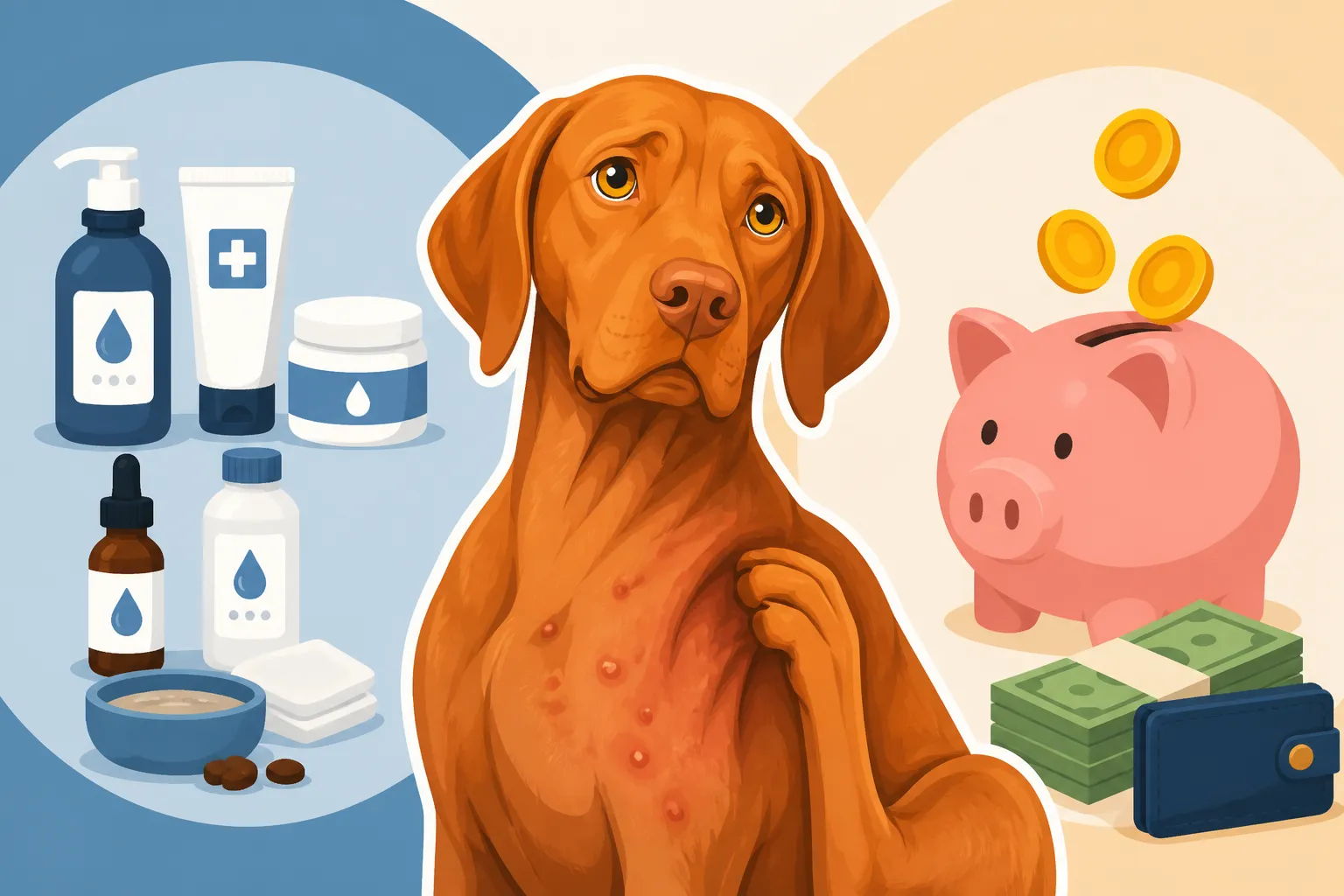
What Lifelong Skin Treatment Costs a Vizsla Owner
It's truly heartbreaking to watch your beloved Vizsla suffer from persistent itching, redness, and flaky skin. This isn't just a minor annoyance; it's a deeply frustrating, often chronic battle that impacts their comfort, happiness, and your peace of mind. Many Vizsla owners underestimate the significant, ongoing financial commitment required to manage these sensitive skin issues throughout their dog's life. This guide will meticulously break down the true costs, helping you understand and prepare for the lifelong expenses involved in keeping your Vizsla's skin healthy and comfortable.
Understanding the Vizsla's Unique Skin Predispositions
Vizslas are a stunning breed, known for their lean, athletic build and distinctive golden-rust coat. However, this beautiful coat and their inherent genetics come with specific vulnerabilities, particularly when it comes to their skin health. It's not uncommon for Vizsla owners to spend years trying to get to the bottom of persistent skin irritations, only to discover a chronic underlying condition that requires lifelong management. This journey can be emotionally taxing and financially demanding, making early understanding and preparation crucial.
The Vizsla's Delicate Single Coat
Unlike many breeds with thick undercoats that offer protection from the elements and environmental irritants, the Vizsla possesses a single, short, dense, and fine coat. While this means less shedding and a generally "cleaner" dog, it also means their skin is more exposed and inherently more delicate. This lack of a protective barrier makes them highly susceptible to external triggers like pollens, dust mites, grasses, and even certain cleaning products used in the home.
Because their skin is so exposed, even minor irritants can quickly escalate into widespread discomfort, leading to obsessive licking, scratching, and rubbing. This self-trauma further exacerbates the problem, breaking the skin barrier and opening the door to secondary infections. Many owners find themselves constantly vigilant, wiping down their Vizsla after every outdoor excursion, and still battling flare-ups. The fine nature of their coat also means that any hair loss, whether from scratching or an underlying condition, becomes immediately obvious, highlighting their vulnerability. It's a constant balancing act to keep that sensitive skin healthy, and it's a huge reason why The Single Coat a Vizsla Has and Why It Changes Everything can genuinely change how you approach their care.
Genetic Predispositions to Skin Disease
Beyond their single coat, Vizslas are unfortunately predisposed to several specific skin conditions that often require lifelong management. These aren't just random occurrences; they're deeply rooted in the breed's genetics, a consequence of their breeding history and, in some cases, a narrower gene pool. Knowing these predispositions helps you and your vet narrow down diagnostic pathways and prepare for potential long-term care needs.
One of the most notable genetic skin conditions in Vizslas is Sebaceous Adenitis (SA). This autoimmune disease attacks and destroys the sebaceous glands in the skin, which are responsible for producing the natural oils that keep the skin and coat healthy. When these glands are damaged, the skin becomes dry, flaky, and prone to scaling and hair loss, particularly along the back, head, and ears. Understanding What Sebaceous Adenitis Does to a Vizsla is vital for any Vizsla owner, as it's a condition that demands diligent, often expensive, ongoing treatment. Another common issue is atopic dermatitis, or environmental allergies. This condition causes dogs to react to otherwise harmless substances, leading to chronic itching, ear infections, and skin inflammation. While not unique to Vizslas, their sensitive skin often makes their reactions more severe and harder to manage, turning what might be a mild irritation in another breed into a debilitating problem for a Vizsla.
Common Vizsla Skin Conditions and Their Initial Diagnosis
When your Vizsla starts showing signs of skin trouble, it can be incredibly distressing. You see them scratching endlessly, their beautiful coat starting to look dull or patchy, and you just want to make it stop. The journey from first noticing symptoms to getting a definitive diagnosis and a treatment plan can be lengthy, frustrating, and, as you'll soon discover, costly. It's not usually a quick fix, and often involves multiple vet visits and specialized tests to rule out various possibilities.
Recognizing the Early Signs
Catching skin issues early can be crucial for better management and potentially lower long-term costs, but Vizslas are masters at hiding discomfort until it becomes truly problematic. Initial signs often seem innocuous: a little more scratching than usual, perhaps some gentle nibbling at a paw. However, these can quickly escalate. You might notice subtle changes in their coat texture, a dullness, or even a slight greasy feel in certain areas. Redness on the belly or between the toes is also a common early indicator.
As the condition progresses, you'll likely observe more overt symptoms. Persistent itching is a hallmark, often accompanied by hair loss. It often starts subtly, perhaps a thinning patch on the flanks or around the ears, which makes you wonder Where a Vizsla Loses Hair First. Over time, this can lead to bald spots and a generally sparse coat. You might also notice their skin becoming flaky, resembling dandruff, which can be very alarming when you see Whether a Vizsla's Skin Flakes Badly. Beyond the visible signs, an unusual odor can develop as yeast or bacterial infections take hold in the compromised skin, adding another layer of discomfort for your dog and concern for you. Don't dismiss these early warning signs; they are your Vizsla's way of telling you something isn't right.
The Diagnostic Process and Costs
Once you've noticed the signs, the next step is a trip to the vet, and this is where the financial aspect really begins. A thorough initial examination might involve your regular veterinarian, but often, chronic skin issues necessitate consultations with a veterinary dermatologist – a specialist whose expertise comes with a higher price tag. The diagnostic process itself is rarely a single test; it's often a methodical elimination of possibilities, each with its own cost.
Common initial tests include skin scrapes to check for mites like Demodex or Sarcoptes, and cytology (looking at skin cells under a microscope) to identify yeast or bacterial overgrowth. These can range from $50-$200 per test. If these are inconclusive, or if a more serious condition like Sebaceous Adenitis is suspected, a skin biopsy may be recommended. This involves taking small tissue samples under sedation or general anesthesia and sending them to a specialized lab for histopathology. You might be surprised to learn What a Vizsla's Skin Biopsy Costs, often running anywhere from $300 to $800, including the vet's time, anesthesia, and lab fees. For suspected allergies, your vet might suggest either a blood test (serum allergy testing) or, for more precise results, an intradermal skin test performed by a dermatologist. These allergy tests can range from $300 to $800, and they only identify environmental allergens, not necessarily food sensitivities. This diagnostic phase can quickly accumulate hundreds, if not thousands, of dollars before a treatment plan is even fully established.
The Ongoing Costs of Managing Chronic Skin Conditions
Once a diagnosis is made, especially for chronic conditions like atopic dermatitis or Sebaceous Adenitis, the initial diagnostic costs are just the beginning. Managing these conditions is a lifelong commitment, and the expenses are continuous, fluctuating with the severity of flare-ups and the specific needs of your individual Vizsla. It's a marathon, not a sprint, and your budget needs to reflect that reality.
Regular Veterinary Check-ups
Even with a confirmed diagnosis and a treatment plan in place, regular veterinary check-ups are non-negotiable for a Vizsla with chronic skin issues. These aren't just annual wellness visits; they are targeted appointments to assess the efficacy of current treatments, make adjustments, and catch any emerging problems before they become severe. For a Vizsla prone to skin issues, you might find yourself at the vet's office every 3-6 months, or even more frequently during periods of severe flare-ups.
Each of these visits will incur a consultation fee, typically ranging from $60 to $150, not including any additional tests or medications prescribed during the visit. If you're seeing a veterinary dermatologist, those fees will be on the higher end, often starting at $150-$300 for a specialist consultation. These specialists are invaluable for complex cases, offering advanced diagnostic tools and treatment options that a general practitioner might not. Over a Vizsla's 12-14 year lifespan, these routine and specialist visits can amount to thousands of dollars, forming a significant portion of your overall health care budget, especially when you consider Managing a Vizsla's Skin for Life is truly a permanent commitment.
Managing Flare-Ups and Secondary Infections
The frustrating reality of chronic skin conditions is that even with the best management, flare-ups are almost inevitable. A sudden change in season, exposure to a new allergen, or even just stress can trigger a cascade of itching, inflammation, and discomfort. When the skin barrier is compromised by incessant scratching and licking, it creates a perfect breeding ground for opportunistic bacteria and yeast. These secondary infections are incredibly common in Vizslas with underlying skin conditions and often require immediate and aggressive intervention.
Treating these flare-ups and secondary infections means another trip to the vet, and additional medication costs. A course of antibiotics for a bacterial skin infection can range from $50 to $200, depending on the type and duration. Antifungal medications for yeast infections can be similarly priced. Often, steroids (oral or injectable) are prescribed to quickly reduce inflammation and itching, providing much-needed relief but adding to the medication bill. In severe cases, your Vizsla might also need pain medication if the inflammation is particularly bad. It's a cyclical expense that can pop up several times a year, adding hundreds of dollars to your costs annually. These acute interventions are a necessary part of keeping your Vizsla comfortable and preventing the problem from spiraling out of control, as chronic skin issues can lead to deeper, more resistant infections that are even more difficult and expensive to treat.
Medication and Supplement Expenses for Lifelong Skin Health
Once a chronic skin condition is diagnosed, medication and supplements often become a permanent fixture in your Vizsla's daily routine. These aren't just temporary fixes; they are often the cornerstone of managing the condition, preventing flare-ups, and improving your dog's overall quality of life. The costs associated with these treatments can be substantial and represent a major ongoing expense for Vizsla owners.
Prescription Medications
For Vizslas with severe atopic dermatitis or autoimmune conditions like Sebaceous Adenitis, conventional treatments like antihistamines often aren't enough. Your vet or dermatologist will likely prescribe more potent medications to control the immune response and alleviate the relentless itching. These medications, while highly effective, come with a significant price tag.
One common medication is cyclosporine, often known by its brand name, Atopica. This immunosuppressant helps calm the overactive immune system responsible for the skin inflammation. The cost of cyclosporine can be quite high, often ranging from $60 to $200 or more per month, depending on your Vizsla's weight and the dosage. Many owners wonder What Cyclosporine Costs a Vizsla Owner Monthly and find it's one of the most expensive recurring prescriptions. Another popular option for environmental allergies is Apoquel, which targets the itch pathway directly, providing fast relief. A month's supply can cost anywhere from $50 to $150. Cytopoint injections, a newer biological therapy, offer targeted relief for allergic itch and are administered by your vet, typically every 4-8 weeks. Each injection can cost between $80 and $200. These medications are not a cure, but rather a way to manage symptoms, meaning your Vizsla will likely need them for the rest of their life. For chronic conditions, some owners find ordering these medications through reputable online pharmacies like Chewy or via a vet-partnered prescription service can sometimes offer slight savings compared to buying directly from the vet.
Essential Supplements and Over-the-Counter Aids
Beyond prescription medications, many Vizsla owners find that a carefully selected regimen of supplements and over-the-counter aids can play a crucial role in supporting skin health and reducing the need for stronger drugs. These are often recommended by vets to strengthen the skin barrier, reduce inflammation, and improve overall coat quality.
High-quality Omega-3 fatty acid supplements, particularly fish oil, are almost universally recommended for dogs with skin issues. They help reduce inflammation throughout the body and support a healthy skin barrier. The cost of a good fish oil supplement for a large dog like a Vizsla can range from $15 to $40 per month. If you're considering Whether a Vizsla Needs Fish Oil for Its Skin, the answer is almost always yes for skin health. Probiotics are another common recommendation, as gut health is increasingly linked to skin health, with monthly costs ranging from $10 to $30. Certain specialized shampoos and conditioners are also vital for managing dryness, flakiness, and preventing infections. While not a "supplement," these over-the-counter aids are a routine expense. While less costly individually than prescription drugs, these supplements add up over time, easily accumulating to $20-$70 per month. Websites like Chewy offer a wide selection of these supplements, making it convenient to keep your Vizsla stocked with their daily dose.
Specialized Grooming and Environmental Adjustments
For a Vizsla with sensitive skin, regular grooming isn't just about keeping them clean; it's a critical component of their skin management plan. This often means specialized products and techniques, which can be more involved and costly than routine bathing for a dog with a healthier coat. Beyond grooming, adjustments to their living environment are frequently necessary to minimize exposure to irritants and ensure their comfort.
Medicated Baths and Topical Treatments
Medicated baths are a cornerstone of managing many Vizsla skin conditions, particularly those involving dryness, flakiness, or secondary infections. These aren't just a quick rinse; they often involve specific protocols, such as leaving the shampoo on for 10-15 minutes before rinsing, and bathing frequency can range from once a week to several times a week during flare-ups. This is why Whether a Vizsla Needs Medicated Baths for Life is a serious question for many owners.
The cost of medicated shampoos and conditioners can be significantly higher than standard pet grooming products, often ranging from $20 to $50 per bottle. For a large dog like a Vizsla, you might go through several bottles a year. Over time, What Medicated Shampoo Costs a Vizsla Owner Yearly can easily reach $100-$300. Additionally, specific topical treatments like leave-on conditioners, sprays, or mousses may be prescribed to moisturize the skin, reduce itching, or deliver localized medication. For Sebaceous Adenitis, specialized oil soaks, using human-grade oils or prescription-based formulations, are often recommended to rehydrate the skin and loosen scales. Owners frequently wonder Whether Oil Soaks Help a Vizsla's Skin, and for many, they are a vital, albeit messy and time-consuming, part of the routine. These oil soaks, plus the associated shampoos for degreasing, can add another $50-$150 annually to your grooming budget. The time commitment for these frequent, specialized baths is also a cost in itself – sometimes an hour or more per session, several times a week.
Home Environment Modifications
Managing a Vizsla's sensitive skin often extends beyond direct treatments to creating a low-allergen, comfortable home environment. This proactive approach can help reduce environmental triggers, thereby potentially lessening the frequency and severity of flare-ups, and in turn, reducing medication costs. However, these modifications also come with their own set of expenses.
Investing in high-efficiency particulate air (HEPA) filters for your home's HVAC system or standalone air purifiers can help reduce airborne allergens like dust mites, pollen, and dander, which commonly affect dogs with atopic dermatitis. A good quality HEPA air purifier can cost anywhere from $100 to $500, with filter replacements adding $30 to $100 annually. You'll also want to consider your Vizsla's bedding. Hypoallergenic, easy-to-wash beds are crucial, and you might find yourself frequently laundering their blankets and bed covers in hot water to eliminate dust mites. Specialized bedding materials or covers can add to initial setup costs. Furthermore, regular, thorough cleaning of your home using pet-safe products is essential. This might mean more frequent vacuuming with a HEPA-filtered vacuum or using specific floor cleaners. Even simple changes, like ensuring your Vizsla has a cozy, warm spot to sleep away from drafts, is important, especially since their thin coat offers little insulation, making them susceptible to feeling the cold more.
The Role of Nutrition in Vizsla Skin Management
What goes into your Vizsla's bowl has a profound impact on their skin and coat health. For Vizslas prone to sensitive skin or diagnosed with conditions like food allergies or atopic dermatitis, diet becomes a critical management tool. Making the right dietary choices can be a game-changer, but it often means moving away from conventional kibbles towards more specialized, and typically more expensive, food options.
Hypoallergenic and Prescription Diets
If your Vizsla is suspected of having food allergies or sensitivities contributing to their skin issues, your veterinarian will likely recommend a food elimination trial. This involves feeding a novel protein diet or a hydrolyzed protein diet for several weeks to months to see if symptoms improve. These specialized diets are distinct from standard "limited ingredient" foods found in pet stores and are formulated to prevent an allergic reaction.
Prescription hypoallergenic diets are available through your veterinarian or through vet-approved online retailers like Chewy. These foods use proteins that have been chemically broken down (hydrolyzed) into molecules too small to trigger an immune response, or they utilize novel proteins (like venison or duck) that your dog has never been exposed to before. These diets come at a premium price. A 25-30lb bag of prescription kibble can cost $80 to $120 or more, meaning you'll spend anywhere from $300 to $800 annually, sometimes even more, for your Vizsla's food. For some dogs, a fresh food diet might be explored, and while brands like Ollie offer convenient delivery of human-grade, gently cooked food, these options are typically significantly more expensive, often running $150-$300+ per month depending on your dog's size. This is a crucial consideration when thinking about Whether a Vizsla Reacts to Its Food and how to manage that.
Navigating Food Sensitivities
The process of navigating food sensitivities in a Vizsla can be a lengthy and frustrating journey, both emotionally and financially. It's often a process of trial and error, requiring strict adherence to dietary changes and careful monitoring of your dog's symptoms. This means you might invest in several different types of expensive, specialized foods before finding one that truly works for your dog.
Beyond the initial elimination diet, some Vizslas may require grain-free diets, while others do better on specific protein sources. It's not always straightforward, and what works for one Vizsla might not work for another. This period of experimentation can involve considerable expense as you purchase different bags of food or try various fresh food formulations. You might find yourself researching extensively, consulting with veterinary nutritionists, and analyzing ingredient lists like a detective. While the goal is to find a diet that minimizes skin flare-ups and reduces the need for other medications, the path to that solution can be costly. Brands like Ollie, for instance, offer customized meal plans that can be incredibly helpful for dogs with specific sensitivities, but their premium pricing means you're making a significant investment in your Vizsla's long-term health. The long-term payoff, however, can be a happier, less itchy dog and potentially fewer vet visits for secondary infections.
Considering Pet Insurance for Vizsla Skin Issues
The unpredictable nature and high costs associated with chronic Vizsla skin conditions make pet insurance a topic worth serious consideration. While it might seem like an added expense, the right policy can provide a crucial financial safety net, potentially saving you thousands of dollars over your Vizsla's lifetime. However, understanding what pet insurance covers, and more importantly, what it doesn't cover, is paramount before you commit.
What Insurance Covers and Doesn't
Pet insurance policies vary widely, so it's essential to read the fine print, especially when dealing with a breed prone to chronic conditions. Most comprehensive policies will cover diagnostic tests, vet visits, prescription medications, and even specialist consultations related to new illnesses or accidents. This means that if your Vizsla develops a skin condition after your policy is in effect, the costs associated with diagnosis and treatment would likely be covered, subject to your deductible and reimbursement rate.
However, the biggest hurdle for Vizsla owners with existing skin issues is the "pre-existing condition" clause. Most insurance providers, including reputable ones like Healthy Paws, will not cover conditions that were diagnosed or showed symptoms before your policy began or during the waiting period. This is why it's often stressed to insure your Vizsla as early as possible, ideally as a puppy. For instance, if your Vizsla had a documented history of skin allergies before you purchased a policy, any future expenses related to those allergies would likely be excluded. This is a common and frustrating reality, as many owners only seek insurance after a problem arises. It's critical to clarify Whether Skin Disease Is Excluded on a Vizsla Policy for your specific dog, and if so, understand what limitations that imposes. Some policies might cover new skin conditions, even if your dog had an unrelated skin issue previously, but it requires careful review of the policy terms.
Maximizing Benefits and Long-Term Savings
If you choose to invest in pet insurance for your Vizsla, strategic planning can help you maximize benefits and realize long-term savings. The key is to select a policy that offers robust coverage for chronic conditions and aligns with your financial comfort level. Look for plans with high reimbursement percentages (e.g., 80-90%) and reasonable annual deductibles.
Comparison shopping is essential. While a provider like Healthy Paws might be renowned for comprehensive coverage, it's worth exploring other options to find the best fit for your budget and your Vizsla's potential needs. Remember that the monthly premiums, which might be around What Insuring a Vizsla Runs Monthly (typically $30-$70 for a Vizsla, but higher for older dogs), are an upfront cost. However, when faced with a $2000 diagnostic workup or monthly medication costs exceeding $150, the insurance payout can be a lifesaver. For example, if your Vizsla develops a new skin condition, and you have an 80% reimbursement policy with a $250 deductible, a $1000 vet bill would cost you $250 (deductible) + $150 (20% of the remaining $750) = $400 out of pocket, saving you $600. Without insurance, that $1000 is entirely your responsibility. While insurance doesn't cover everything, it can significantly mitigate the financial shock of unexpected or chronic illness management, making it easier to provide your Vizsla with the best possible care without undue financial strain.
Long-Term Financial Planning for a Vizsla's Skin Health
Owning a Vizsla with chronic skin issues means accepting a lifelong commitment, not just emotionally, but financially. It's easy to get caught off guard by the accumulating costs if you haven't planned ahead. Proactive financial strategies can help mitigate the stress and ensure your beloved companion receives the consistent care they need without putting your household budget under impossible strain.
Budgeting for the Unexpected
Even with a consistent treatment plan, the nature of chronic skin conditions means that "unexpected" costs are actually quite predictable. Flare-ups, secondary infections, and the need for new or advanced therapies are always on the horizon. This is why budgeting for the unexpected is absolutely crucial. You can't just factor in the monthly medication; you need to anticipate the spikes.
Consider setting up a dedicated "Vizsla Skin Fund" or an emergency savings account specifically for vet bills. Contributing a set amount each month, even if it's just $50 or $100, can quickly build a cushion for those times when your Vizsla suddenly needs an urgent vet visit, a course of specialized antibiotics, or a higher dose of medication. This fund can also cover the costs of introducing a new therapy that your vet recommends, such as a specialized laser treatment or a different type of injection, which may not be covered by insurance or might have a high upfront cost. Having this financial buffer ensures that when your Vizsla needs immediate attention, your decision is based on their welfare, not on whether your bank account can handle it. This approach aligns with the importance of Setting Money Aside for a Vizsla's Vet Bills for any Vizsla owner.
The Emotional and Financial Toll
Let's be real: managing a Vizsla with chronic skin issues isn't just about the money. It's incredibly demanding emotionally, and that emotional toll often intertwines with the financial stress. Watching your dog scratch themselves raw, seeing their coat lose its luster, and knowing they're uncomfortable day after day can be heartbreaking. Then, adding the constant worry about vet bills, medication costs, and finding money for specialized foods only amplifies the burden.
Many owners feel guilt if they can't afford the "best" treatment or frustration when a new therapy doesn't work. It's a journey that requires immense patience, persistence, and resilience. Acknowledging this emotional aspect is important. Give yourself grace. Reach out to other Vizsla owners or breed-specific forums for support and shared experiences. From a financial perspective, understanding that this is a long-term commitment helps reframe the situation. Instead of seeing each vet bill as a surprise, integrate it into your annual financial planning. It's part of the cost of having a Vizsla, and understanding What a Vizsla Costs a Year to Keep should definitely include a significant line item for potential skin issues. The peace of mind that comes from knowing you're prepared, even if it means making sacrifices elsewhere, can be invaluable.
Practical Tips for Cost Management
While the costs associated with lifelong skin treatment for a Vizsla can be daunting, there are practical strategies you can employ to manage expenses without compromising your dog's care. Smart decision-making and a little research can go a long way.
One effective strategy is to ask your vet about generic medication options. For example, if your Vizsla is prescribed cyclosporine, there may be generic versions available that are equally effective but significantly cheaper than the brand-name Atopica. Similarly, purchasing larger quantities of supplements or specialized shampoos from online retailers like Chewy or your vet, when appropriate, can sometimes offer a bulk discount. Always compare prices. Another tip is to maintain open communication with your veterinarian. Discuss your financial concerns honestly. They may be able to suggest alternative treatments, less expensive diagnostic paths, or payment plans. Some vets also offer wellness plans that can include discounts on routine check-ups and certain procedures, which might help if your Vizsla needs frequent monitoring. Exploring Whether a Vizsla Owner Should Budget for Skin Disease from the very beginning can set you up for success, allowing you to proactively save or explore financing options before a crisis hits. Additionally, diligently following your vet's instructions for home care, including medicated baths and diet, can help prevent severe flare-ups that lead to more expensive emergency visits and treatments.
Estimated Annual Costs for Vizsla Skin Treatment
To give you a clearer picture, here's a general breakdown of potential annual costs for managing a Vizsla with chronic skin conditions. Please remember these are estimates and can vary wildly based on the severity of the condition, your location, and your chosen treatment plan.
| Expense Category | Typical Annual Cost Range | Notes |
|---|---|---|
| Routine Vet Visits (2-4 times) | $200 – $600 | General practitioner check-ups, follow-ups on progress. |
| Specialist Dermatologist Visits | $300 – $900 | Initial consultation and 1-2 follow-ups, especially for complex cases. |
| Diagnostic Tests (as needed) | $100 – $500 | Skin scrapes, cytology, re-testing for infections (biopsies/allergy tests are often one-time but can recur). |
| Prescription Medications | $600 – $2,400+ | Cyclosporine, Apoquel, Cytopoint injections (can be higher for larger dogs or severe cases). Costs for brands like Healthy Paws may cover these with proper policy. |
| Antibiotics/Antifungals (flare-ups) | $150 – $600 | Courses of medication for secondary infections, which can happen multiple times a year. |
| Medicated Shampoos/Topicals | $100 – $300 | Specialty products, oil soaks, leave-on conditioners. Purchase through Chewy or vet. |
| Supplements (Fish oil, probiotics) | $120 – $480 | Monthly high-quality Omega-3s, probiotics to support gut and skin health. |
| Prescription/Specialized Diets | $300 – $1000 | Hypoallergenic kibble or fresh food options like Ollie; costs vary based on brand and size. |
| Estimated Annual Total | $1,880 – $6,880+ | This does NOT include pet insurance premiums, one-time major diagnostics like initial biopsy/allergy test, or emergency situations. |
Disclaimer
The information provided in this article is for general informational purposes only and does not constitute veterinary advice. Always consult with a qualified veterinarian or veterinary dermatologist for any health concerns or before making any decisions about your Vizsla's medical care or treatment plan. Costs are estimates and can vary significantly based on location, specific veterinary practices, and individual dog needs.