Whether a Vizsla Reacts to Its Food
It's truly disheartening when your usually vibrant, high-energy Vizsla starts to show signs of discomfort – persistent itching, an upset tummy, or just generally not being themselves. You meticulously choose what you believe is the best food, yet these nagging symptoms persist, leaving you to agonize over whether the very fuel meant to nourish them is actually causing them distress. You're not alone in this concern; many Vizsla owners grapple with the suspicion that their beloved companion might be reacting to something in their diet.
Understanding Food Sensitivities in Vizslas
Vizslas are known for their athleticism, their incredible loyalty, and, unfortunately, sometimes for their sensitive constitutions. When it comes to food, what works perfectly for one dog might cause significant issues for another, and our red-coated companions are no exception. Food sensitivities, often mistakenly called food allergies, are not typically life-threatening like severe anaphylactic allergies in humans, but they can significantly impact your Vizsla's quality of life, leading to chronic discomfort and frustration for both dog and owner.
Common Symptoms of a Food Reaction
Spotting a food reaction in your Vizsla can sometimes feel like chasing a ghost, as the symptoms can be varied and often mimic other conditions. However, there are some tell-tale signs that frequently point towards a dietary culprit. The most common indicators typically fall into two main categories: skin issues and gastrointestinal upset.
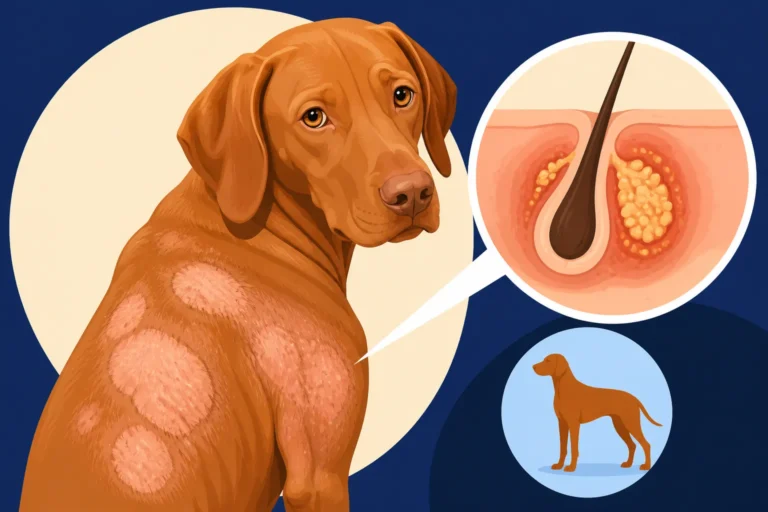
On the skin front, you might notice your Vizsla scratching incessantly, often targeting their ears, paws, armpits, or groin. This isn't just a casual itch; it can be intense, leading to raw, irritated skin, hair loss, and even secondary skin infections. They might develop redness, bumps, or flaky skin. Some Vizslas will lick their paws obsessively, sometimes to the point of inflammation between their toes, which can be incredibly painful. This kind of persistent skin irritation can be confused with environmental allergies, but if it's year-round and not responding to typical allergy medications, food might be the underlying trigger. You might wonder if your Vizsla's skin is getting secondary infections, and indeed, a compromised skin barrier from constant scratching makes them more susceptible.
When it comes to the digestive system, the signs can range from mild to quite severe. Chronic diarrhea, frequent vomiting, excessive gas, or even just soft, inconsistent stools are all red flags. Your Vizsla might seem to have an upset stomach more often than not, sometimes accompanied by loud gurgling noises from their belly. Some dogs might lose their appetite, while others might eat voraciously but fail to thrive, indicating poor nutrient absorption. It's not uncommon for a Vizsla with digestive upset to also show signs of general lethargy or reduced energy, simply because they're not feeling well. In severe cases, you might even see blood or mucus in their stool, which is definitely a sign to call your vet. This consistent stomach trouble can make owners question whether a Vizsla has a sensitive stomach in general.
Why Vizslas Seem Prone to Digestive Issues
It often feels like Vizslas are particularly delicate, and there's some truth to that, especially when considering their health history and genetic predispositions. While not all Vizslas will react to their food, anecdotal evidence from owners and breed enthusiasts often points to a higher incidence of sensitivities compared to some other breeds.
One factor often cited is the breed's relatively narrow genetic bottleneck. As a breed that nearly faced extinction twice, the Vizsla population was rebuilt from a small number of dogs, which, while preserving the breed, also concentrated certain genetic traits, including potential vulnerabilities. This can lead to a breed pool where immune-mediated diseases and sensitivities, including those related to diet, are more prevalent. It’s why some experts suggest that Why Vizslas Carry So Much Immune Disease might play a role in their overall health.
Additionally, the Vizsla's active, high-metabolism lifestyle can also play a subtle role. Their bodies are constantly working hard, requiring optimal nutrition and efficient digestion. Any ingredient that causes even a slight inflammatory response can exacerbate symptoms more quickly than in a less active dog. Their lean physique means that any significant digestive upset leading to malabsorption can quickly result in weight loss, making these issues more noticeable and concerning for owners.
Lastly, some theories suggest that the highly processed nature of many commercial dog foods, with their array of common allergens like chicken, beef, dairy, wheat, and corn, might be contributing factors. For a sensitive system, these common ingredients, especially when consumed daily for years, can sometimes trigger a response.
Identifying the Culprit: The Elimination Diet Journey
When you suspect your Vizsla is reacting to their food, the most effective, albeit challenging, diagnostic tool at your disposal is an elimination diet. This isn't a quick fix, but a meticulous, patient process designed to pinpoint the specific ingredients causing your dog's symptoms. It requires dedication, consistency, and a fair amount of discipline from everyone in the household.
How to Conduct an Effective Elimination Diet
An elimination diet is essentially a reset for your Vizsla's digestive and immune systems. The core principle is simple: remove all potential allergens from their diet and feed them a novel protein and carbohydrate source that they have never eaten before. "Novel" is key here – if your Vizsla has eaten duck occasionally, it's not truly novel.
First, you'll need to choose a single protein source and a single carbohydrate source. Common choices for novel proteins include venison, rabbit, kangaroo, alligator, or even specific fish like cod or whitefish. For carbohydrates, options like sweet potato, potato, or often tapioca are used. You'll either need to find a commercially prepared "limited ingredient" or "hypoallergenic" dog food that strictly adheres to these novel ingredients, or you'll be cooking for your Vizsla yourself. Many veterinarians recommend hydrolyzed protein diets, where the proteins are broken down into such small molecules that the immune system doesn't recognize them as allergens. Brands like Royal Canin, Purina, and Hill's all offer prescription hydrolyzed protein diets that can be invaluable during this phase.
Once you've selected the food, your Vizsla only eats that food. No treats, no table scraps, no flavored medications, no dental chews, no rawhides – absolutely nothing else. This phase typically lasts for a minimum of 8-12 weeks, sometimes longer, until all symptoms have completely resolved. It's vital during this time to monitor your Vizsla closely, noting any changes in their itching, bowel movements, or overall demeanor. This strict adherence is paramount; even a single dropped kibble of their old food or a tiny treat can derail the entire process and force you to start over.
After the symptoms have fully cleared, or at least significantly improved, you begin the reintroduction phase. This is where you introduce potential allergens back into their diet, one ingredient at a time, for about a week. You might start with chicken, then beef, then wheat, and so on. During each reintroduction, you watch like a hawk for the return of symptoms. If symptoms reappear, you've found a culprit! You immediately remove that ingredient and allow your Vizsla's system to clear again before moving on to the next ingredient. This methodical approach is the most reliable way to identify exactly what your Vizsla is reacting to.
Navigating Challenges and Patience
Let's be real: conducting an elimination diet with a Vizsla can be incredibly challenging. Their boundless energy and insatiable curiosity mean they're often trying to snatch dropped food, "clean" plates, or beg for treats. This requires every family member to be on board and consistent. Training them with specific "leave it" commands becomes even more crucial during this period. For those moments when you absolutely need a treat for training or enrichment, ensure it's made from the same novel ingredients as their diet, or simply use pieces of their hydrolyzed kibble.
Patience is your absolute best friend here. It can take weeks, even months, for a Vizsla's system to fully clear of allergens and for chronic inflammation to subside. Don't get discouraged if you don't see immediate results. Persistence is key. Moreover, if your Vizsla is prone to skin issues, you might still need concurrent treatments for secondary infections or general skin management while the diet works its magic. Managing a Vizsla's Skin for Life often involves a multi-pronged approach, and diet is just one crucial piece of the puzzle.
Many owners feel overwhelmed by the process, and that's perfectly normal. This is where your veterinarian becomes an indispensable partner. They can guide you on suitable food choices, help you interpret symptoms, and offer encouragement when you're feeling a bit lost. If you're consulting with your vet regularly for these issues, it's worth considering pet insurance. Many pet parents find that companies like Healthy Paws help manage the costs associated with ongoing diagnostics and specialized prescription foods.
Long-Term Management and Nutritional Choices
Once you've successfully identified the problematic ingredients, the next step is to establish a sustainable long-term diet plan for your sensitive Vizsla. This often means making a permanent dietary change and being vigilant about everything they consume.
Choosing the Right Food for a Sensitive Vizsla
For Vizslas with confirmed food sensitivities, your long-term food strategy will typically involve avoiding the identified triggers. This often leads to feeding a limited ingredient diet (LID) specifically formulated without those allergens. These diets usually feature a single animal protein source and a single carbohydrate source. It's crucial to read labels meticulously, as some foods might list a "main" ingredient but contain "natural flavors" or "animal digest" derived from common allergens.
Consider novel proteins or hydrolyzed protein diets for the long haul if your Vizsla thrives on them. Some owners opt for a raw or home-cooked diet, which offers complete control over ingredients. However, preparing a balanced raw or home-cooked diet requires careful planning with a veterinary nutritionist to ensure it provides all necessary nutrients and avoids deficiencies. Without proper formulation, a homemade diet can lead to serious health problems.
When selecting a commercial food, look for reputable brands that have undergone feeding trials and have strong quality control. Pay attention to the ingredient list and manufacturing processes. For a Vizsla prone to skin issues, you might also want to ensure the food includes ingredients that support skin and coat health, such as omega-3 fatty acids from fish oil. You might wonder Whether a Vizsla Needs Fish Oil for Its Skin, and for sensitive Vizslas, it can certainly be beneficial.
Supporting Gut Health Beyond Diet
Dietary changes are foundational, but supporting your Vizsla's overall gut health can further improve their comfort and resilience. A healthy gut microbiome—the community of beneficial bacteria in their digestive system—is crucial for digestion, nutrient absorption, and even immune function.
Probiotics and prebiotics can be excellent additions to your sensitive Vizsla's regimen. Probiotics introduce beneficial bacteria, while prebiotics are fibers that feed these good bacteria. Your vet can recommend specific canine-friendly probiotic supplements. Fermented foods like plain, unsweetened kefir can also provide natural probiotics, but introduce them slowly and in small amounts to avoid upsetting their stomach.
Digestive enzymes can also be helpful, especially if your Vizsla struggles with maldigestion. These enzymes assist in breaking down food components, allowing for better nutrient absorption. This can be particularly useful for Vizslas who still have soft stools even on an appropriate diet.
Additionally, ensuring your Vizsla stays well-hydrated is essential for healthy digestion. Provide constant access to fresh water. While not directly related to food, regular exercise also aids in healthy gut motility and overall well-being. Keeping a watchful eye on their environment for other potential allergens, even if food is the primary concern, is also wise, as many Vizslas are prone to general immune sensitivities. Pet insurance, especially a comprehensive plan from providers like Healthy Paws, can often cover the costs of these supplements and veterinary consultations if they are prescribed as part of a treatment plan.
When to Seek Veterinary Expertise
While an elimination diet is a powerful tool, it's crucial to work hand-in-hand with your veterinarian throughout the entire process. They are your primary resource for accurate diagnosis, ruling out other conditions, and ensuring your Vizsla receives the best care.
Differentiating Food Sensitivity from Other Conditions
It’s tempting to immediately assume food is the problem, but many other health issues can present with similar symptoms. Persistent scratching might be due to environmental allergies, parasitic infections (like fleas or mites), or even What Sebaceous Adenitis Does to a Vizsla. Digestive upset could stem from internal parasites, bacterial overgrowth, pancreatitis, or inflammatory bowel disease. This is why a thorough veterinary work-up is essential before embarking on an elimination diet.
Your vet will likely perform a physical examination, potentially recommend blood tests, fecal analysis, or skin scrapings to rule out common culprits. They might also discuss a course of treatment for any secondary infections (e.g., antibiotics for skin infections) to clear up confounding symptoms before starting the diet. This initial diagnostic phase is critical to ensure you're addressing the right problem. Many Vizsla owners worry about Whether a Vizsla Gets Atopic Dermatitis, which is an environmental allergy, and distinguishing this from food sensitivity is a key part of the vet's role.
The Role of Your Vet and Specialists
Your primary care veterinarian is your first and most important point of contact. They can guide you through the initial steps, help you select appropriate foods for an elimination trial, and monitor your Vizsla's progress. They can also prescribe any necessary medications for symptom relief or secondary issues.
If the situation is complex or doesn't resolve with a standard elimination diet, your vet might recommend consulting a veterinary specialist. A veterinary dermatologist can offer advanced diagnostics for skin issues, including intradermal allergy testing (though these are less reliable for food reactions) or biopsies. A veterinary internal medicine specialist or nutritionist can provide expert guidance on intricate digestive problems or formulate highly specific diets for challenging cases. These specialist consultations can be invaluable, especially when symptoms are severe or persistent.
Remember that managing food sensitivities is often a lifelong commitment. Regular check-ups with your vet are important to monitor your Vizsla's health, adjust their diet as needed, and address any new concerns promptly. Having a pet insurance policy, such as those offered by Healthy Paws, can significantly ease the financial burden of these specialized visits and ongoing care, allowing you to focus on your Vizsla's well-being without added stress.
Common Food Allergens and Alternatives for Vizslas
Navigating the world of dog food ingredients can be confusing. Here's a table summarizing common culprits and some widely used alternatives in limited ingredient diets.
| Common Allergen (Protein/Carb) | Potential Symptoms Caused | Common Novel/Alternative Sources (Protein) | Common Novel/Alternative Sources (Carbohydrate) |
|---|---|---|---|
| Chicken | Itching, diarrhea, vomiting | Duck, Turkey, Lamb, Salmon, Whitefish | Sweet Potato, Tapioca, Lentils |
| Beef | Itching, diarrhea, gas | Venison, Rabbit, Kangaroo, Alligator | Potato, Quinoa, Peas |
| Dairy (Lactose) | Diarrhea, gas, vomiting | Any meat-based protein | Rice (cooked well), Millet, Oats |
| Wheat/Corn | Itching, paw licking, gas | Venison, Pork, Salmon, Cod | Sweet Potato, Potato, Green Lentils |
| Soy | Itching, chronic diarrhea | Lamb, Duck, Turkey, Whitefish | Tapioca, Rice, Chickpeas |
| Eggs | Itching, skin irritation | Rabbit, Venison, Kangaroo, Alligator | Potato, Sweet Potato, Millet |
Disclaimer
The information provided in this guide is for general educational purposes only and should not be considered a substitute for professional veterinary advice. Always consult with a qualified veterinarian or veterinary specialist regarding any health concerns or before making any changes to your Vizsla's diet or healthcare regimen.