What Sebaceous Adenitis Does to a Vizsla
There are few things as heart-wrenching as watching your vibrant, energetic Vizsla begin to suffer from a chronic, debilitating condition. When that condition manifests as a relentless attack on their skin and coat, it can be particularly frustrating, leaving you feeling helpless as their beautiful, signature golden-rust fur thins, flakes, and becomes a source of discomfort. This comprehensive guide will delve deep into Sebaceous Adenitis (SA), shedding light on exactly what this mysterious disease does to your beloved Vizsla, from its subtle beginnings to its profound impact on their daily life.
Understanding Sebaceous Adenitis (SA) in Vizslas
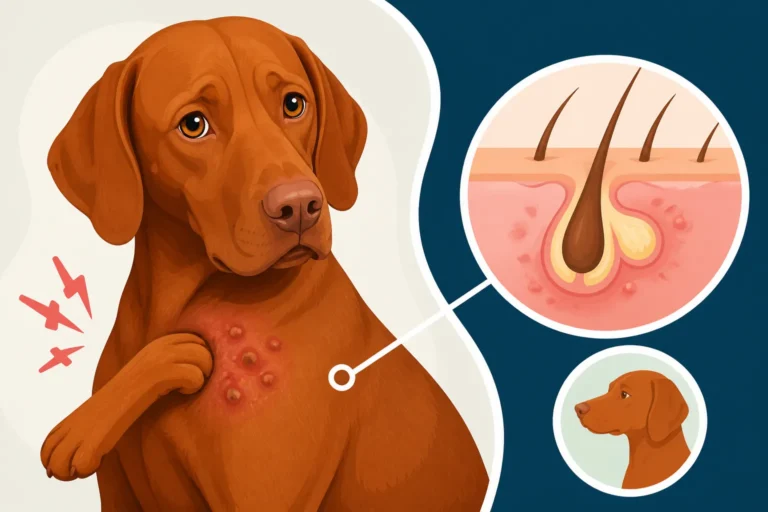
Sebaceous Adenitis (SA) is one of those veterinary terms that sounds intimidating, and frankly, the condition itself is equally challenging. It’s an uncommon, immune-mediated inflammatory disease that specifically targets and destroys the sebaceous glands in the skin. These tiny glands, often located near hair follicles, are responsible for producing sebum – a natural, oily substance that keeps your dog's skin supple and their coat healthy and waterproof. When these glands are compromised, the consequences for your Vizsla's skin and fur are significant and often devastating.
The Underlying Cause and How It Manifests
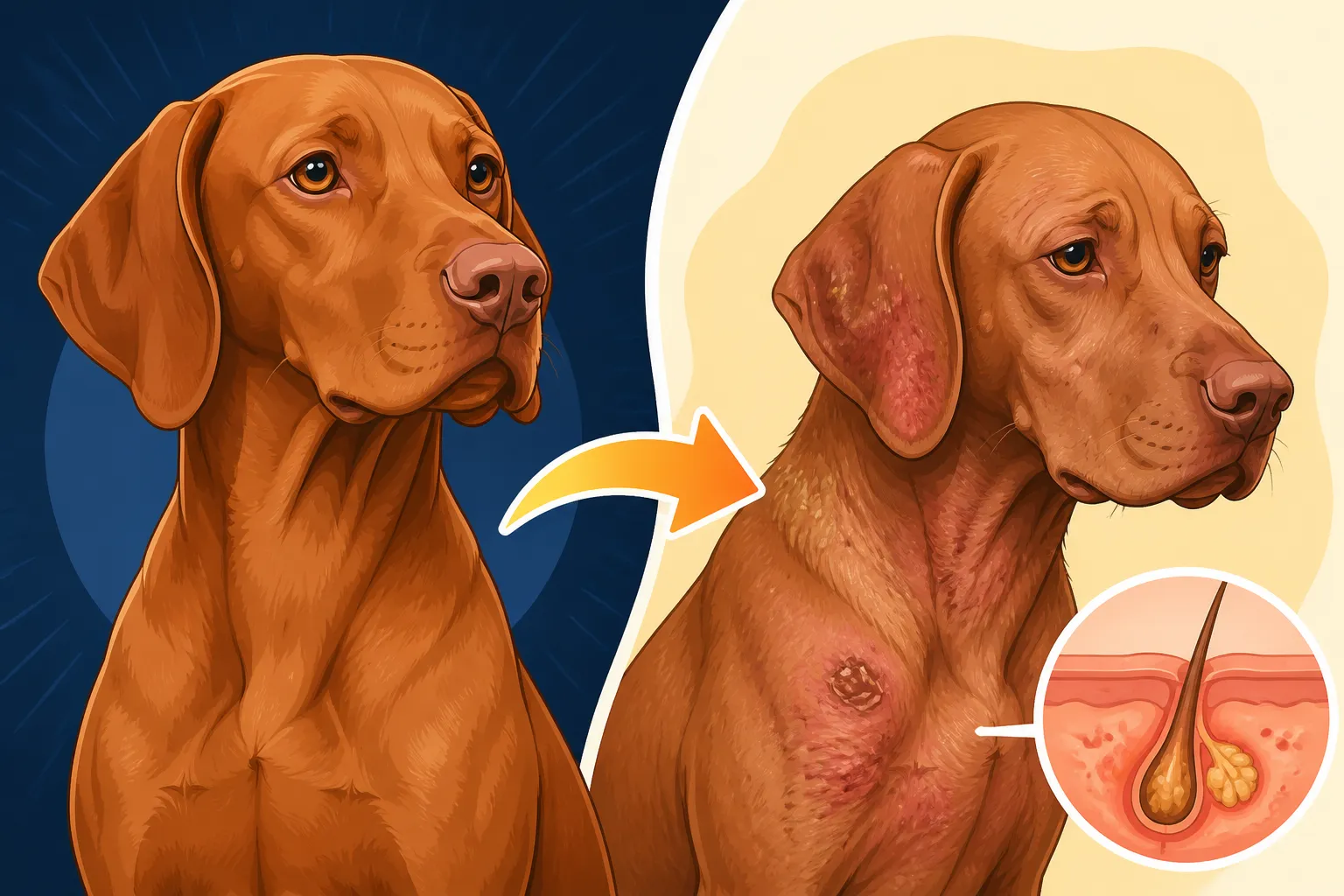
At its core, SA is an autoimmune disorder. This means that, for reasons not yet fully understood, your Vizsla's own immune system mistakenly identifies the sebaceous glands as foreign invaders and launches an attack against them. It’s a sad irony that the very system designed to protect them turns against a part of their own body. The inflammation initially caused by this attack leads to the destruction of these crucial glands. Without the protective sebum, the skin becomes dry, scaly, and prone to flaking, and the hair follicles can no longer anchor the hair effectively, leading to profound hair loss.
This isn't a simple case of dry skin; it's a systemic breakdown of the skin's natural barrier function. The manifestation typically begins with dullness of the coat, followed by dry, flaky skin, often described as "dandruff." As the condition progresses, the inflammation and gland destruction intensify, leading to more noticeable changes. It's a progressive disease, meaning it tends to worsen over time if left untreated or if treatments aren't consistently applied.
Why Vizslas Are Prone to This Condition
While SA can affect various breeds, Vizslas are, unfortunately, among those that show a genetic predisposition to it. Other breeds like the Akita and Standard Poodle are more commonly associated with SA, but the Vizsla's distinct genetic makeup places them at a higher risk compared to the general dog population. This breed-specific susceptibility points to a hereditary component, suggesting that certain genetic factors within Vizsla lines make them more vulnerable to their immune system misfiring in this particular way.
This genetic link means that careful breeding practices are paramount to trying to reduce the incidence of SA. Responsible breeders often screen their breeding stock, though genetic tests are still under development for Vizslas. The concern around genetic predisposition highlights a broader point about Why Vizslas Carry So Much Immune Disease, which is a common topic of discussion among owners and breeders alike. Understanding this predisposition is key, as it can influence your vigilance for symptoms and your discussions with your veterinarian.
The Initial Signs You Might Miss
Catching SA early can be incredibly challenging because the initial signs are often subtle and easily mistaken for common skin issues like seasonal allergies or simply dry skin. You might first notice a slight dullness to your Vizsla's once lustrous, coppery coat. Perhaps they seem to shed a bit more than usual, or you start to see tiny flakes of skin, similar to dandruff, especially along their topline, ears, and tail. These flakes can sometimes be waxy or greasy rather than dry.
Another early indicator might be a mild, localized thinning of the hair, often symmetrical, particularly on the head, ears, and along the back. Your Vizsla might scratch or rub themselves a little more, indicating mild discomfort or itchiness, but nothing severe enough to immediately raise alarm bells. It’s these seemingly minor changes that can precede the more severe manifestations, making proactive observation and communication with your vet incredibly important. Don't dismiss persistent flaking or a subtly changing coat.
The Visible Impact of SA on Your Vizsla's Coat and Skin
The most visually striking and often distressing aspect of Sebaceous Adenitis for Vizsla owners is the profound deterioration of their dog's beautiful coat and skin. A Vizsla's coat is part of their iconic appearance – that sleek, close-lying, golden-rust fur that feels like velvet. When SA strikes, it attacks the very essence of this defining characteristic, transforming it into something dull, sparse, and unhealthy.
Hair Loss Patterns and Severity
The hair loss associated with SA typically doesn't happen overnight, but rather progresses gradually. It often starts with a moth-eaten appearance, or diffuse thinning, before becoming more widespread. For Vizslas, the pattern of hair loss can be quite distinctive. You might first observe it on the top of the head, behind the ears, along the dorsal midline (the back), and on the tail. This aligns with findings on Where a Vizsla Loses Hair First.
As the disease advances, the hair loss becomes more severe and generalized. Patches of complete alopecia (baldness) can develop, leaving large areas of skin exposed. The remaining hair often appears brittle, dry, and coarse, losing its characteristic soft texture and vibrant hue. The severity can range from mild scaling and a slightly dull coat to almost complete baldness with thick, greasy scales, making it a very noticeable and worrying condition for any owner. The thought of Whether a Vizsla's Coat Grows Back is often the first question on an owner's mind, and the answer, unfortunately, is complicated and dependent on the success of treatment.
Skin Changes: Flaking, Scaling, and Thickening
Beyond just hair loss, SA dramatically alters the texture and health of your Vizsla's skin. Without the protective sebum from the sebaceous glands, the skin becomes incredibly dry and brittle. You'll often see an excessive amount of white or grey flakes, which are essentially dead skin cells accumulating on the surface. These aren't just cosmetic; they represent a compromised skin barrier. Many owners describe their dog's skin as being incredibly flaky, and it can be a persistent battle to manage, as detailed in discussions around Whether a Vizsla's Skin Flakes Badly.
As the condition progresses, the skin can also thicken (a process called lichenification), becoming rough and leathery, particularly in areas of chronic inflammation or scratching. In some cases, the skin can even develop a greasy, waxy coating due to abnormal sebum production or accumulation of debris, leading to a distinct, sometimes unpleasant odor. This is often an early indicator that owners notice, wondering Whether a Vizsla With Skin Disease Smells. The altered skin barrier also leaves your Vizsla vulnerable to other problems.
Secondary Infections and Their Complications
The damage inflicted by Sebaceous Adenitis extends far beyond the cosmetic. A healthy skin barrier acts as your dog's first line of defense against environmental pathogens. When SA destroys this barrier, it opens the door wide for secondary bacterial and yeast infections. These infections are incredibly common and can significantly worsen your Vizsla's discomfort, leading to more intense itching, redness, pustules, and further hair loss.
These secondary infections require prompt and often aggressive treatment with antibiotics or antifungals, usually in combination with the SA treatments themselves. If left untreated, these infections can become chronic, deep-seated, and incredibly difficult to resolve. They not only cause pain and misery for your Vizsla but also add layers of complexity and cost to their care. Managing these complications effectively is a significant part of Managing a Vizsla's Skin for Life.
Beyond Skin Deep: How SA Affects Your Vizsla's Overall Well-being
While Sebaceous Adenitis primarily manifests as a skin disorder, its impact on your Vizsla is not merely superficial. This chronic condition can deeply affect their comfort, mental state, and overall quality of life. The constant battle with irritated skin, coupled with the systemic nature of an autoimmune disease, takes a toll on these sensitive and active dogs.
Discomfort, Itching, and Pain
Imagine constantly feeling itchy, with your skin flaking and tight, and then developing painful sores. This is often the reality for a Vizsla suffering from SA. The severe dryness and scaling of the skin can be incredibly uncomfortable, leading to persistent itching (pruritus). This itching often prompts excessive scratching, licking, and chewing, which in turn can further damage the skin, creating a vicious cycle of irritation and self-trauma.
In addition to itching, the skin can become inflamed and tender. If secondary infections set in, as they often do, the skin can become truly painful, red, swollen, and hot to the touch. These areas might be sensitive to touch, making grooming or even gentle petting an uncomfortable experience for your dog. The constant discomfort can significantly reduce your Vizsla's willingness to play, train, or even snuggle, impacting their joyous, typical nature.
Psychological Toll on Your Vizsla
Vizslas are known for their sensitive, "Velcro" personalities. They thrive on interaction, affection, and being an active part of the family. A chronic, uncomfortable condition like SA can take a considerable psychological toll on these dogs. The constant itching and pain can make them restless, anxious, or even withdrawn. They might become irritable due to discomfort, or perhaps more clingy, seeking reassurance.
The visible changes to their coat can also affect their confidence. While dogs don't have the same vanity as humans, they certainly react to physical sensations and how they feel. A dog that is constantly itching and has poor skin health may feel generally unwell, which impacts their overall mood and engagement with the world around them. Owners often report a noticeable change in their dog's demeanor, a loss of that characteristic Vizsla spark, as they grapple with the relentless nature of the disease.
Impact on Quality of Life and Daily Routines
The cumulative effect of physical discomfort and psychological stress can severely diminish your Vizsla's quality of life. Daily routines that were once simple pleasures, like long walks, snuggles on the sofa, or even just rolling in the grass, can become sources of irritation or pain. The constant need for topical treatments, medicated baths, and oral medications can also add stress, turning otherwise joyful interactions into necessary but sometimes unpleasant medical interventions.
For active Vizslas, the energy they would normally expend on running and hunting might be diverted into scratching and managing discomfort. This impacts their ability to engage in activities they love and can affect their overall fitness. Owners find themselves constantly cleaning up flakes, managing medications, and monitoring their dog's skin, which, while a labor of love, can be demanding. This condition doesn't just affect the dog; it impacts the entire household. It's crucial for owners to seek support, both veterinary and emotional, to navigate this challenging journey.
Diagnosing and Differentiating SA from Other Skin Conditions
Pinpointing Sebaceous Adenitis isn't always straightforward because many other skin conditions share similar symptoms like hair loss, flaking, and itching. Getting an accurate diagnosis is paramount; without it, you could be treating the wrong problem, leading to frustration and continued suffering for your Vizsla. This is why a thorough diagnostic process with an experienced veterinarian or a veterinary dermatologist is absolutely essential.
The Importance of a Skin Biopsy
When it comes to definitively diagnosing Sebaceous Adenitis, a skin biopsy is considered the gold standard. This procedure involves taking small tissue samples from affected areas of your Vizsla's skin. These samples are then sent to a veterinary dermatopathologist, who examines them under a microscope. What they look for are specific changes characteristic of SA: inflammation surrounding and within the sebaceous glands, and the eventual destruction or absence of these glands.
Without a biopsy, even the most experienced veterinarian can only make an educated guess. The visual signs of SA can mimic other conditions, so relying solely on appearance can lead to misdiagnosis and ineffective treatment plans. A biopsy, while a minor surgical procedure often done under sedation, provides the definitive answer, allowing for targeted and effective management. Whether a Skin Biopsy Confirms It in a Vizsla is a question often asked, and indeed, it is the most reliable way.
Ruling Out Other Common Vizsla Skin Issues
Before reaching for a biopsy, your vet will likely perform a series of tests to rule out more common skin problems that present similarly. This might include skin scrapings to check for mites (like demodex), fungal cultures to detect ringworm, tape impressions or cytology to identify bacterial or yeast overgrowths, and blood tests to check for underlying systemic issues like hypothyroidism. Vizslas can be prone to various skin sensitivities, including Whether a Vizsla Gets Atopic Dermatitis or food allergies, which can also cause itching and coat changes.
For example, hypothyroidism can cause symmetrical hair loss and a dull coat, mimicking some aspects of SA. Allergic dermatitis also causes intense itching and skin inflammation. It’s important to systematically eliminate these possibilities. This diagnostic journey can sometimes feel long and frustrating, involving multiple vet visits and tests, but each step is crucial for narrowing down the cause and ensuring your Vizsla receives the correct care.
Here’s a simplified comparison of some common Vizsla skin concerns and how SA typically presents:
| Symptom / Condition | Sebaceous Adenitis (SA) | Allergic Dermatitis (Atopy/Food) | Hypothyroidism | Fungal (Ringworm) | Mites (Demodex) |
|---|---|---|---|---|---|
| Primary Cause | Immune-mediated gland destruction | Environmental/food allergens | Underactive thyroid gland | Fungal infection | Mite infestation |
| Hair Loss | Often symmetrical, 'moth-eaten' appearance, progressive. Head, back, tail. | Patchy, self-induced from scratching, often belly/paws/ears. | Symmetrical, usually flanks/tail, rat tail appearance. | Circular patches, often scaly/crusty. | Patchy, especially around eyes/mouth/legs. |
| Skin Flaking | Severe, dry to waxy scaling, often with follicular casts. | Variable, usually mild to moderate. | Mild to moderate, dry skin. | Moderate to severe, crusty. | Mild to moderate. |
| Itching | Variable, can be mild to severe, especially with secondary infection. | Usually intense and persistent. | Often none to mild. | Can be itchy. | Variable, often not very itchy unless secondarily infected. |
| Odor | Can be strong/rancid due to abnormal sebum/infection. | Can be yeasty/musty if secondary infection. | None. | None. | None. |
| Diagnosis | Skin Biopsy (definitive) | Allergy testing, elimination diet, response to treatment. | Blood test (Thyroid panel). | Fungal culture, Wood's lamp. | Skin scrapings. |
The Diagnostic Journey and What to Expect
Once your veterinarian suspects SA, they will discuss the biopsy procedure with you. This involves taking several small punch biopsies (typically 4-6mm in diameter) from various affected areas of the skin. Your Vizsla will usually be sedated or given a local anesthetic for this, ensuring they are comfortable and still. The samples are then preserved and sent to a specialized laboratory.
The results can take a week or two to come back, and this waiting period can be agonizing for owners. Once a diagnosis is confirmed, your vet will work with you to develop a comprehensive treatment plan. Be prepared for this to be a lifelong commitment. Pet insurance providers like Healthy Paws are often a lifeline for owners facing chronic conditions, so understanding your policy coverage for such a diagnosis is wise. The diagnostic journey, while tough, is the critical first step toward getting your Vizsla the relief and care they desperately need.
Managing and Living with SA: Treatment Approaches
Managing Sebaceous Adenitis in a Vizsla is a marathon, not a sprint. Because it's an immune-mediated disease, there's no single "cure" in the traditional sense. Instead, the focus is on controlling the symptoms, mitigating the damage, and improving your dog's quality of life through a multifaceted approach that often combines topical treatments, systemic medications, and careful nutritional and lifestyle adjustments.
Topical Treatments and Their Role
Topical treatments are the cornerstone of SA management, especially for Vizslas where the coat issues are so prominent. The goal here is to restore the skin's barrier function, moisturize, remove scales, and control secondary infections. This often involves a rigorous bathing regimen. Medicated shampoos and conditioners containing ingredients like salicylic acid, coal tar, or benzoyl peroxide can help remove scales and follicular casts. Following up with moisturizing conditioners or oil treatments is vital. Many owners find Whether Oil Soaks Help a Vizsla's Skin to be a crucial part of their routine, as they deeply moisturize and loosen scales.
One popular and effective method is the "oil soak." This involves rubbing a generous amount of mineral oil or even baby oil into the affected areas of the skin, letting it sit for several hours (often overnight), and then bathing it off with a degreasing shampoo. This helps to loosen and remove the thick scales and rehydrate the skin. The frequency of these treatments will depend on the severity of your Vizsla's condition, but many dogs require weekly or bi-weekly medicated baths and regular moisturizing in between. Maintaining this routine is a significant part of Managing a Vizsla's Skin for Life.
Systemic Medications and Immunosuppressants
For many Vizslas, topical treatments alone aren't enough, and systemic medications are necessary to address the underlying immune dysfunction. The most common systemic treatment is cyclosporine (e.g., Atopica), an immunosuppressant drug. Whether Cyclosporine Helps a Vizsla is a frequent question, and for many, it's a game-changer. Cyclosporine works by modulating the immune system, helping to prevent it from attacking the sebaceous glands. It can significantly reduce inflammation and allow some sebaceous gland function to return, leading to coat regrowth and improved skin health. However, it's important to remember that cyclosporine has potential side effects, including gastrointestinal upset, and requires careful monitoring by your veterinarian.
Other systemic medications may include corticosteroids (like prednisone), which can be used to rapidly reduce inflammation, especially during acute flare-ups, but are generally not recommended for long-term use due to more severe side effects. Omega-3 fatty acid supplements are also often prescribed, as they have natural anti-inflammatory properties and can support skin health from within. Your vet will tailor a protocol based on your Vizsla's individual response and the severity of their SA.
Nutritional Support and Lifestyle Adjustments
Beyond specific medications, providing excellent nutritional support and making appropriate lifestyle adjustments can also play a vital role in managing your Vizsla's SA. A high-quality diet rich in essential fatty acids (like Omega-3 and Omega-6) is beneficial for skin and coat health. Some owners opt for diets specifically formulated for sensitive skin or consult with a veterinary nutritionist. Supplements such as fish oil or specific dermatological support supplements can also be added.
Lifestyle adjustments often revolve around minimizing skin irritation and maintaining hygiene. This includes ensuring a clean environment to reduce allergens and potential secondary infection sources. For Vizslas, with their single, thin coat, protecting their delicate skin is crucial. Avoid harsh grooming tools, be gentle during baths, and consider protective clothing in extreme weather or dense brush to prevent injury to compromised skin. Regular follow-up appointments with your veterinarian are essential to monitor your Vizsla's progress, adjust medications as needed, and catch any secondary issues early. This holistic approach ensures your Vizsla is as comfortable and healthy as possible.
Long-Term Outlook and Support for Vizsla Owners
Living with a Vizsla diagnosed with Sebaceous Adenitis is a significant commitment. While challenging, it's important to remember that with proper management, many Vizslas with SA can lead comfortable and fulfilling lives. The journey requires patience, vigilance, and a strong partnership with your veterinary team.
Prognosis and Lifelong Management
The prognosis for Vizslas with Sebaceous Adenitis is generally considered guarded to good, depending on the severity of the disease and the individual dog's response to treatment. While SA is a chronic, lifelong condition, it is manageable. The goal of treatment isn't to cure it, but to control the symptoms, prevent secondary complications, and improve your Vizsla's quality of life.
Many Vizslas on a consistent treatment regimen, often involving both topical and systemic therapies like cyclosporine, will see significant improvement in their skin and coat. Hair regrowth is possible, though it may not always be as thick or as complete as before the onset of the disease. Regular, consistent application of medicated baths, oil soaks, and adherence to medication schedules are critical for maintaining remission and preventing flare-ups. This is why What Lifelong Skin Treatment Costs a Vizsla Owner is a serious consideration, as it demands both time and financial resources. It's a journey of continuous monitoring and adjustment, adapting to your Vizsla's needs over time.
The Emotional and Financial Realities
Beyond the daily care, living with a dog with a chronic condition like SA carries significant emotional and financial weight. Emotionally, it can be draining to watch your beloved companion struggle, dealing with the visible changes to their appearance and their discomfort. There will be good days and bad days, and it's okay to feel frustrated or overwhelmed at times. Connecting with other Vizsla owners who have experience with SA can provide invaluable emotional support and practical tips.
Financially, the costs associated with SA can be substantial. Diagnostic tests, ongoing medications (especially immunosuppressants like cyclosporine), specialized shampoos, conditioners, and veterinary visits can quickly add up. For this reason, many owners find pet insurance to be a crucial safety net. Companies like Healthy Paws offer various plans that can help cover the costs of chronic conditions, providing immense relief. It’s essential to review insurance policies carefully to understand what is covered for chronic or immune-mediated diseases. Budgeting for these ongoing expenses is a realistic approach to ensure your Vizsla receives the best possible care without undue financial strain.
Building a Support System and Advocate for Your Dog
You don't have to face Sebaceous Adenitis alone. Building a strong support system is vital for both you and your Vizsla. This includes:
- Your Veterinary Team: A close relationship with your primary vet and potentially a veterinary dermatologist is paramount. They are your best resource for diagnosis, treatment protocols, and ongoing management. Don't hesitate to ask questions and seek clarification.
- Breed-Specific Communities: Vizsla breed clubs, online forums, and social media groups can connect you with other owners who have experience with SA. These communities can offer practical advice, share product recommendations, and provide much-needed emotional support.
- Pet Insurance: As mentioned, having a good pet insurance plan from providers like Healthy Paws can significantly ease the financial burden, allowing you to focus on your dog's well-being rather than mounting bills.
- Family and Friends: Educate your close circle about SA so they understand your Vizsla's needs and can offer support, whether it's helping with treatments or simply offering a sympathetic ear.
Ultimately, you are your Vizsla's strongest advocate. Being proactive in their care, diligent with treatments, and unafraid to seek second opinions or specialized care will give your beloved companion the best chance at a happy, comfortable life despite the challenges of Sebaceous Adenitis.
Disclaimer
Please remember that the information provided in this guide is for informational purposes only and does not constitute professional veterinary advice. Always consult with a qualified veterinarian or veterinary dermatologist regarding your Vizsla's specific health concerns, diagnosis, and treatment plan. Medical conditions can vary greatly, and only a professional can provide an accurate diagnosis and appropriate care for your individual pet.