Whether Sebaceous Adenitis Is Painful for a Vizsla
It's incredibly distressing to watch your beloved Vizsla suffer, especially when they're dealing with a chronic condition that affects their skin and coat. Many Vizsla owners notice the distinctive hair loss and flaking associated with Sebaceous Adenitis (SA) and immediately wonder if their dog is in pain. This comprehensive guide will delve deep into the realities of SA, exploring not just the physical discomforts but also the emotional toll it can take on your sensitive companion, and how we can best support them.
Understanding Sebaceous Adenitis in Vizslas
Sebaceous Adenitis (SA) is a truly frustrating condition, primarily because it's an immune-mediated disease where your dog's own body turns against itself. For Vizsla owners, this hits particularly close to home, as our breed is known for its predisposition to various autoimmune issues. When you see the distinct pattern of hair loss and skin changes, it's natural to feel a mix of confusion and concern about your dog's comfort.
Understanding the Autoimmune Attack
At its core, Sebaceous Adenitis is an inflammatory disease that targets the sebaceous glands in the skin. These tiny glands are crucial; they produce sebum, a natural oily substance that lubricates the skin and hair, keeping it supple and healthy. Think of them as the skin's natural moisturizing system. In a Vizsla with SA, for reasons still not fully understood, the immune system mistakenly identifies these glands as foreign invaders. It then launches an attack, causing inflammation and ultimately destroying the glands.
When these sebaceous glands are destroyed, they can no longer produce sebum. The skin becomes dry, brittle, and loses its natural protective barrier. This isn't just a cosmetic issue; it's a fundamental breakdown in skin health. It's similar to having perpetually dry hands that crack and chap, but all over your dog's body. The body’s own defense mechanism, meant to protect, instead causes significant damage, leading to a host of secondary problems that can absolutely cause discomfort and even pain. It's a cruel irony that can leave you feeling helpless, watching your vibrant Vizsla grapple with something so insidious. If you're wondering what precisely this condition does to your dog, you might find more detailed information in our guide on What Sebaceous Adenitis Does to a Vizsla.
How It Manifests on a Vizsla's Skin
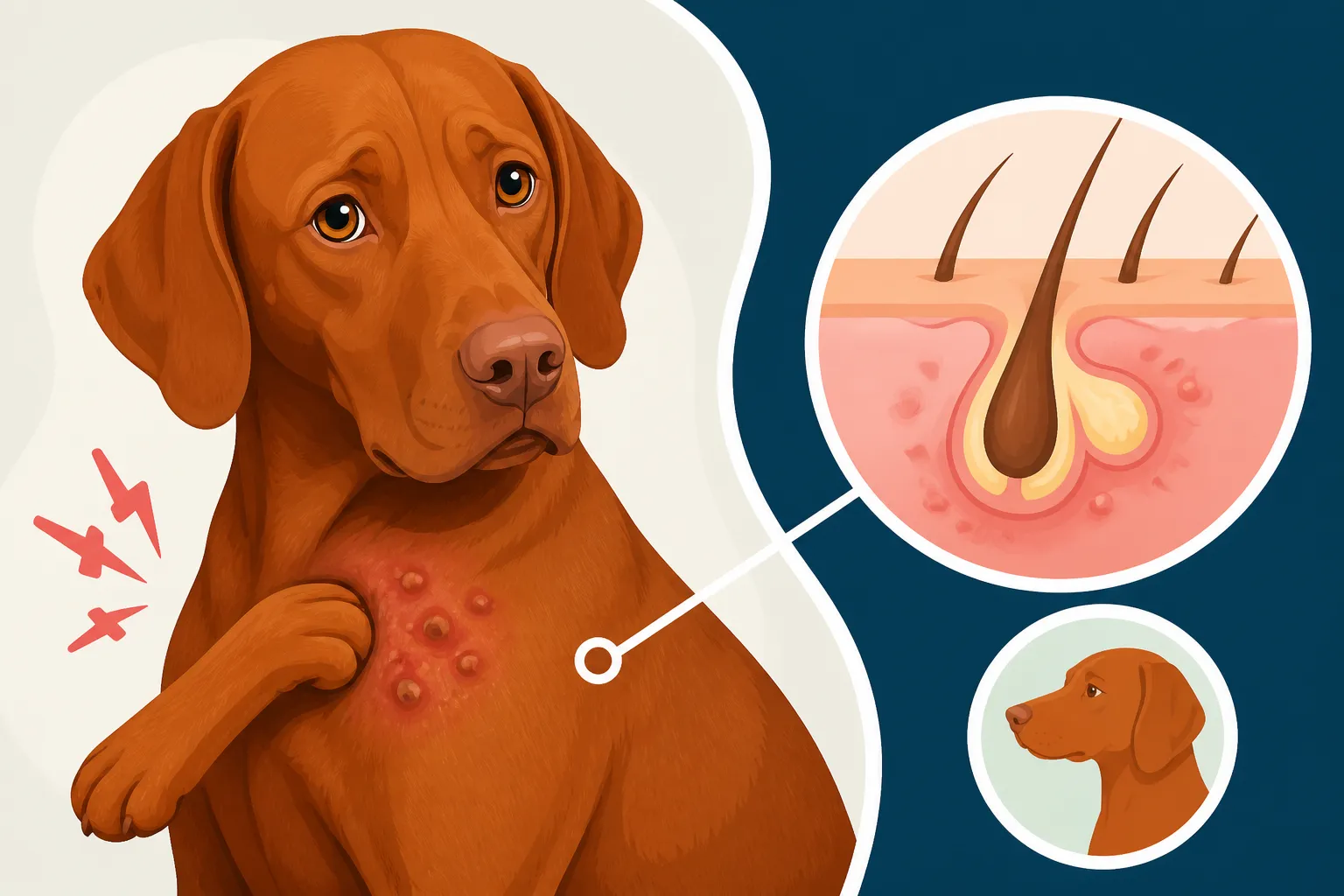
The visible signs of SA can vary, but there's a pretty consistent pattern, especially in our Vizslas. The initial changes often appear subtly, sometimes starting around the head, neck, and back, though it can affect the whole body. You might first notice dullness in the coat, followed by a dry, scaly texture. As the disease progresses, the hair follicles become clogged with keratin and sebaceous debris, leading to distinctive patches of hair loss. This isn't just shedding; it's a profound loss of coat that often begins in specific areas.
The skin itself becomes thickened and often develops a greasy, waxy coating, despite the underlying dryness. This is the body's attempt to compensate for the destroyed sebaceous glands, but it's an inefficient and often messy process. The scales can be quite adherent, resembling dandruff, but much more pronounced and stubborn. These flakes, combined with the lack of oil, create a breeding ground for bacteria and yeast, leading to secondary infections that compound the problem. It's a cyclical nightmare of dryness, scaling, hair loss, and potential infection. The iconic golden-rust coat that we adore becomes compromised, often patchy and dull, and the delicate skin beneath is far from healthy. If you've ever wondered Where a Vizsla Loses Hair First, you'll recognize these patterns.
The Physical Discomforts of Sebaceous Adenitis
The question of whether Sebaceous Adenitis is painful for a Vizsla isn't always straightforward because "pain" can manifest in many ways. While some dogs might not show overt signs of acute pain, the chronic nature of the skin inflammation, coupled with secondary issues, undoubtedly leads to significant discomfort and often true pain. It's a slow burn, not usually a sudden sharp agony, but a persistent, irritating presence that wears them down over time.
Itchiness and Irritation
Perhaps the most common and immediate discomfort a Vizsla with SA experiences is intense itchiness. Imagine having persistent dry, irritated skin that constantly demands to be scratched. It's maddening. Without the natural lubrication from the sebaceous glands, the skin's barrier function is severely compromised. This makes it more susceptible to irritants and allergens, intensifying the itch-scratch cycle. Your Vizsla might spend an unusual amount of time scratching, licking, and chewing at their skin, sometimes to the point of creating raw spots.
This constant itching isn't just annoying; it can be incredibly disruptive to their daily life. It affects their ability to rest, play, and even focus on training. Owners often report seeing their Vizslas incessantly scratching during quiet moments or waking up in the middle of the night to the sound of frantic licking. This ceaseless irritation isn't trivial; it's a major contributor to their reduced quality of life, and it can eventually lead to visible skin damage.
Skin Lesions, Crusting, and Infections
As the disease progresses and the itching continues, the skin often develops secondary issues that are undeniably painful. The constant scratching and licking can lead to excoriations—self-inflicted wounds that break the skin barrier. These open sores are prime targets for opportunistic bacteria and yeast that thrive on compromised skin. When these secondary infections take hold, they cause further inflammation, redness, and the formation of pustules, scabs, and crusts.
These bacterial or yeast infections are often what tip the scales from mere discomfort to outright pain. The skin can become hot, swollen, and tender to the touch. Your Vizsla might yelp when a particularly sensitive area is brushed or petted. The waxy, greasy buildup, coupled with crusting and infection, creates an environment ripe for discomfort. It’s not uncommon to find areas of thick, malodorous skin due to these ongoing infections. This chronic state of inflammation and infection is a source of genuine, physical pain that needs to be addressed seriously. It's a common concern when people ask Whether a Vizsla's Skin Gets Secondary Infections.
Hair Loss and Environmental Sensitivity
The hair loss characteristic of SA isn't just a cosmetic issue; it significantly impacts your Vizsla's comfort and protection. The distinctive "moth-eaten" appearance, with patches of hair missing or thinned, means their skin is far more exposed to the elements. Our Vizslas have a single, short coat that offers limited protection already, but with SA, that minimal barrier is further compromised.
This vulnerability means they can feel the cold much more acutely, leading to shivering and discomfort in cooler temperatures. Conversely, their exposed skin is also more susceptible to sunburn in the warmer months, especially on areas like the bridge of the nose or the belly where the coat is naturally sparse or thinned by SA. These environmental sensitivities can add another layer of physical discomfort and restrict their ability to enjoy outdoor activities they once loved. The question of Whether a Vizsla's Coat Grows Back becomes more than cosmetic when considering their comfort levels.
Beyond Physical: The Emotional and Secondary Pain of SA
When we talk about pain, it's easy to focus solely on the physical aspects. But for a highly sensitive and deeply bonded breed like the Vizsla, chronic physical discomfort spills over into emotional distress. They are incredibly attuned to their own bodies and our emotions, and a persistent, irritating condition like SA can profoundly affect their mental well-being, leading to secondary behaviors that mimic pain or distress.
Psychological Impact of Chronic Itch and Pain
Imagine living with constant, unrelenting itchiness or tenderness. It's exhausting, frustrating, and can lead to significant behavioral changes. Vizslas thrive on interaction, activity, and feeling good in their own skin. When they're constantly uncomfortable, they can become withdrawn, irritable, or even depressed. A dog that once bounded with joy might now be hesitant to play, preferring to lie quietly, often scratching.
This psychological toll is a form of pain in itself. They might lose interest in food or toys, become less tolerant of petting, particularly in sensitive areas, or even display increased anxiety. Some Vizslas develop obsessive-compulsive behaviors related to licking or chewing, further exacerbating their skin condition and mental state. It's heartbreaking to see your usually effervescent Vizsla lose their spark because they just can't get comfortable.
Secondary Complications that Cause Pain
Beyond the direct skin issues, SA can lead to a cascade of secondary complications that inflict pain in other ways. For instance, the constant scratching and licking can cause trauma to the paws, leading to interdigital cysts or infections between their toes, which are incredibly painful. Their ears, often affected by SA with waxy buildup and inflammation, can also become hotbeds for recurrent ear infections, causing intense throbbing pain and discomfort.
Moreover, if the disease is left unmanaged or poorly managed, the chronic inflammation can put a strain on their overall system. They might experience lethargy, a general malaise, or even show signs of systemic illness if secondary infections become severe. Some dogs develop a compensatory greasy coat as the body tries to make up for the lack of sebum, and this can lead to uncomfortable matting if not meticulously managed. Each of these secondary issues adds another layer of suffering to an already difficult condition, proving that the impact extends far beyond just "bad skin."
Recognizing the Signs and Severity of Discomfort
As Vizsla owners, we pride ourselves on knowing our dogs inside and out. But sometimes, especially with chronic conditions, our sensitive Vizslas can be stoic. It's crucial to be a vigilant observer, to catch subtle cues that indicate they are in discomfort, even if they're not overtly vocalizing pain. Early recognition and intervention are key to managing Sebaceous Adenitis effectively and minimizing your dog's suffering.
Observable Behaviors Indicating Discomfort
Your Vizsla will communicate their discomfort through their actions, even if they don't cry out. Watch for an increase in scratching, licking, or chewing, particularly at unusual times or with unusual intensity. Are they rubbing against furniture or carpets more than usual? Are they waking up at night because of the itch? Pay attention to their posture and demeanor: are they less enthusiastic about walks or playtime? Do they flinch when touched in certain areas, particularly on their back, neck, or flanks where SA often first appears?
Other signs might include changes in their sleeping patterns, restlessness, or a decreased appetite. They might seek out cool surfaces to lie on to soothe inflamed skin, or conversely, try to burrow for warmth if their coat loss makes them chilly. Any deviation from your Vizsla's normal joyful and active self should be a red flag. When you combine these behavioral changes with the visible skin symptoms like scaling, redness, or hair loss, it becomes clear that they're not just "a bit itchy," but genuinely struggling. Often, the earliest sign of trouble is when The Age a Vizsla's Skin Disease Appears begins to manifest.
Veterinary Diagnosis: What to Expect
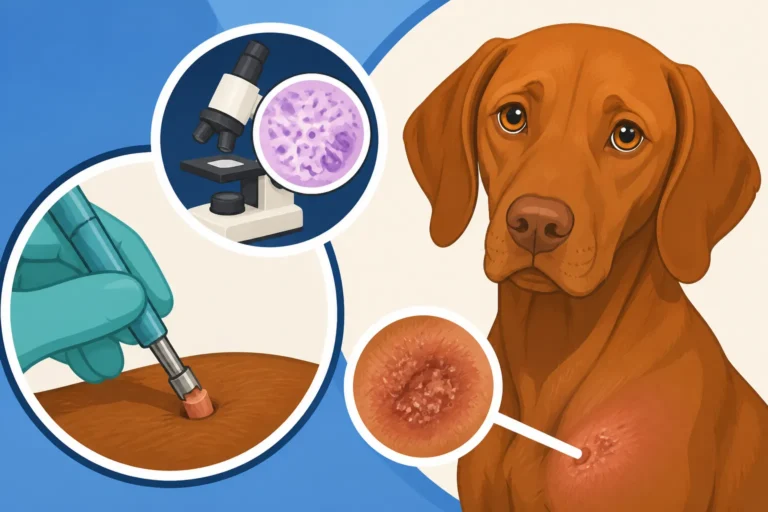
If you suspect your Vizsla has Sebaceous Adenitis, a trip to your veterinarian is the crucial first step. They will likely perform a thorough physical examination, paying close attention to your dog's skin and coat. The distinctive pattern of hair loss, scaling, and inflammation often points directly to SA, but a definitive diagnosis usually requires a skin biopsy.
During a skin biopsy, your vet will take small tissue samples from affected areas, typically under sedation or general anesthesia, and send them to a specialized veterinary dermatopathologist. The pathologist will examine the samples under a microscope to look for the characteristic destruction and inflammation of the sebaceous glands. This process is essential not only to confirm SA but also to rule out other skin conditions that might look similar, such as allergies, hypothyroidism, or fungal infections, which require entirely different treatments. Getting an accurate diagnosis is paramount to developing an effective treatment plan to bring your Vizsla relief. For a deep dive into the specifics, consider exploring Whether a Skin Biopsy Confirms It in a Vizsla.
Here's a quick comparison of common SA symptoms and their potential pain levels:
| Symptom | Description | Discomfort Level (Typical) | Potential Pain Level (Severe/Secondary) |
|---|---|---|---|
| Dull, Brittle Coat | Loss of sheen, dry hair texture | Low | Low |
| Excessive Scaling/Dandruff | Flaky skin, can be greasy or dry | Moderate itch/irritation | Moderate (if persistent and widespread) |
| Hair Loss (Alopecia) | Patchy or generalized, often starting on head/back | Low (exposure to elements) | Moderate (sunburn, cold sensitivity) |
| Thickened Skin | Skin becomes leathery in affected areas | Moderate stiffness/tightness | Moderate (if skin cracks or fissures) |
| Itchiness (Pruritus) | Constant scratching, licking, chewing | Moderate to High | High (causes self-trauma, sleep loss) |
| Redness (Erythema) | Inflammation of the skin | Moderate warmth/irritation | High (sign of severe inflammation) |
| Crusting/Scabs | Formed from dried exudates, blood, or pus | Moderate tenderness | High (if open sores or infected) |
| Secondary Infections | Bacterial or yeast overgrowth, pustules, odor | High (itch, warmth, odor) | Severe (painful, throbbing, deep) |
| Fissures/Cracks | Deep cracks in thickened skin | High | Severe (open wounds, bleeding) |
| Ear Infections | Waxy buildup, inflammation in ears | Moderate (discomfort, head shaking) | High (throbbing pain, sensitivity) |
Managing Pain and Improving Quality of Life with SA
The good news, if there is any, about Sebaceous Adenitis is that while it's a chronic condition with no definitive cure, it is absolutely manageable. The goal is to reduce inflammation, restore skin barrier function, prevent secondary infections, and, most importantly, alleviate your Vizsla's discomfort and pain. It requires a dedicated, consistent effort, but seeing your dog comfortable again is worth every step.
Topical and Systemic Treatment Approaches
Management of SA usually involves a multi-pronged approach combining both topical treatments applied directly to the skin and systemic medications that work throughout the body.
Topical therapies are crucial for cleaning the skin, removing scales, and providing moisture. This often includes therapeutic bathing with medicated shampoos containing ingredients like benzoyl peroxide or sulfur and salicylic acid, followed by deep conditioning rinses. These baths help to gently exfoliate the skin and reduce the bacterial or yeast load. For many Vizslas, specialized oil soaks, often using pure mineral oil, are essential. These soaks are left on the skin for several hours to penetrate and loosen the scales, mimicking the sebum that is no longer produced. Regularly using oil soaks can be a game-changer, as discussed in Whether Oil Soaks Help a Vizsla's Skin. Following a bath or soak, moisturizing sprays or leave-in conditioners are often applied to rehydrate the skin.
Systemic treatments target the immune response and secondary infections. Your vet might prescribe oral medications such as cyclosporine, which helps to modulate the immune system and reduce the attack on the sebaceous glands. Steroids might be used initially to bring down severe inflammation, but their long-term use is typically avoided due to side effects. If secondary bacterial infections are present, antibiotics will be prescribed, and antifungals for yeast infections. Essential fatty acid supplements, like fish oil, are often recommended to support skin health from within. It's a lifelong commitment to management, and you might want to look into Whether a Vizsla Needs Medicated Baths for Life for more insights.
Comfort Measures and Environmental Adjustments
Beyond medication, creating a comfortable environment is paramount for a Vizsla with SA. This means paying attention to their immediate surroundings and daily routines. Ensure they have soft, clean bedding to rest on, which minimizes friction on tender skin. Because their coat is compromised, they will be more sensitive to temperature extremes. In colder climates, a warm dog coat or sweater, even indoors, might be necessary. In warmer weather, ensure they have access to shade and cool resting spots to prevent sunburn on exposed skin. Sunscreen formulated for pets can also be a literal lifesaver for their pale nose and other exposed areas.
Regular grooming, though gentle, is vital to keep their skin as clean and comfortable as possible. This includes carefully brushing to remove loose scales and debris without irritating the skin, and keeping their nails trimmed to minimize self-inflicted damage from scratching. Providing mental stimulation through puzzle toys or gentle training sessions can also distract them from their itchiness and keep their minds engaged, which contributes significantly to their overall well-being. These simple, consistent comfort measures go a long way in improving their daily quality of life.
Living with a Vizsla with SA: A Long-Term Perspective
Living with a Vizsla diagnosed with Sebaceous Adenitis is a marathon, not a sprint. It demands patience, dedication, and a deep understanding of your dog's needs. While the initial diagnosis can feel overwhelming, know that many Vizslas with SA lead full, happy lives with proper management. It’s about accepting the chronic nature of the disease and committing to a routine that prioritizes their comfort and health.
The Importance of Consistent Care
Consistency is truly the bedrock of managing SA. Skimping on baths, oil soaks, or medication can quickly lead to flare-ups, increased discomfort, and secondary infections, setting back progress by weeks or even months. Establishing a regular schedule for their topical treatments, medication administration, and vet check-ups is essential. This routine becomes a natural part of your life together, much like their daily walks or feeding times.
It also means being proactive. Learn to recognize the subtle signs of a potential flare-up—a slight increase in scratching, a new patch of redness, or a change in coat texture. Addressing these issues early can prevent them from escalating into full-blown crises that cause significant pain and require more intensive intervention. Working closely with your vet and a veterinary dermatologist will be invaluable in adjusting their treatment plan as needed, because what works perfectly today might need tweaking tomorrow. This commitment to ongoing care is central to Managing a Vizsla's Skin for Life.
Financial and Emotional Toll on Owners
Let's be realistic: managing a chronic condition like Sebaceous Adenitis can take a toll, both financially and emotionally. The cost of specialized shampoos, conditioners, oil soaks, supplements, and prescription medications like cyclosporine can add up significantly over time. Regular vet visits and potential diagnostic tests are also ongoing expenses. It's not just a few dollars here and there; these can be substantial. Understanding What Lifelong Skin Treatment Costs a Vizsla Owner is crucial for planning.
Beyond the financial aspect, there's the emotional weight. It's tough to see your vibrant Vizsla struggling, and the daily regimen of treatments can be time-consuming and sometimes frustrating. You might feel guilty, exhausted, or even a little overwhelmed. This is where a robust pet insurance plan can be a lifesaver. Companies like Healthy Paws, for example, can help cushion the financial blow of chronic conditions and ongoing treatments, allowing you to focus on providing the best possible care without constantly worrying about the bills. Having that safety net means you can say "yes" to necessary treatments without hesitation, knowing that a significant portion of the cost will be covered. Investing in insurance that covers conditions like SA, essentially Insuring a Vizsla Against Immune Disease, offers immense peace of mind. Remember, you're not alone in this journey, and there are resources and communities of Vizsla owners who understand exactly what you're going through.
Disclaimer
The information provided in this article is for general informational purposes only and is not a substitute for professional veterinary advice. Always consult with a qualified veterinarian for any health concerns or before making any decisions related to your pet's health and treatment.