Whether a Vizsla Needs Medicated Baths for Life
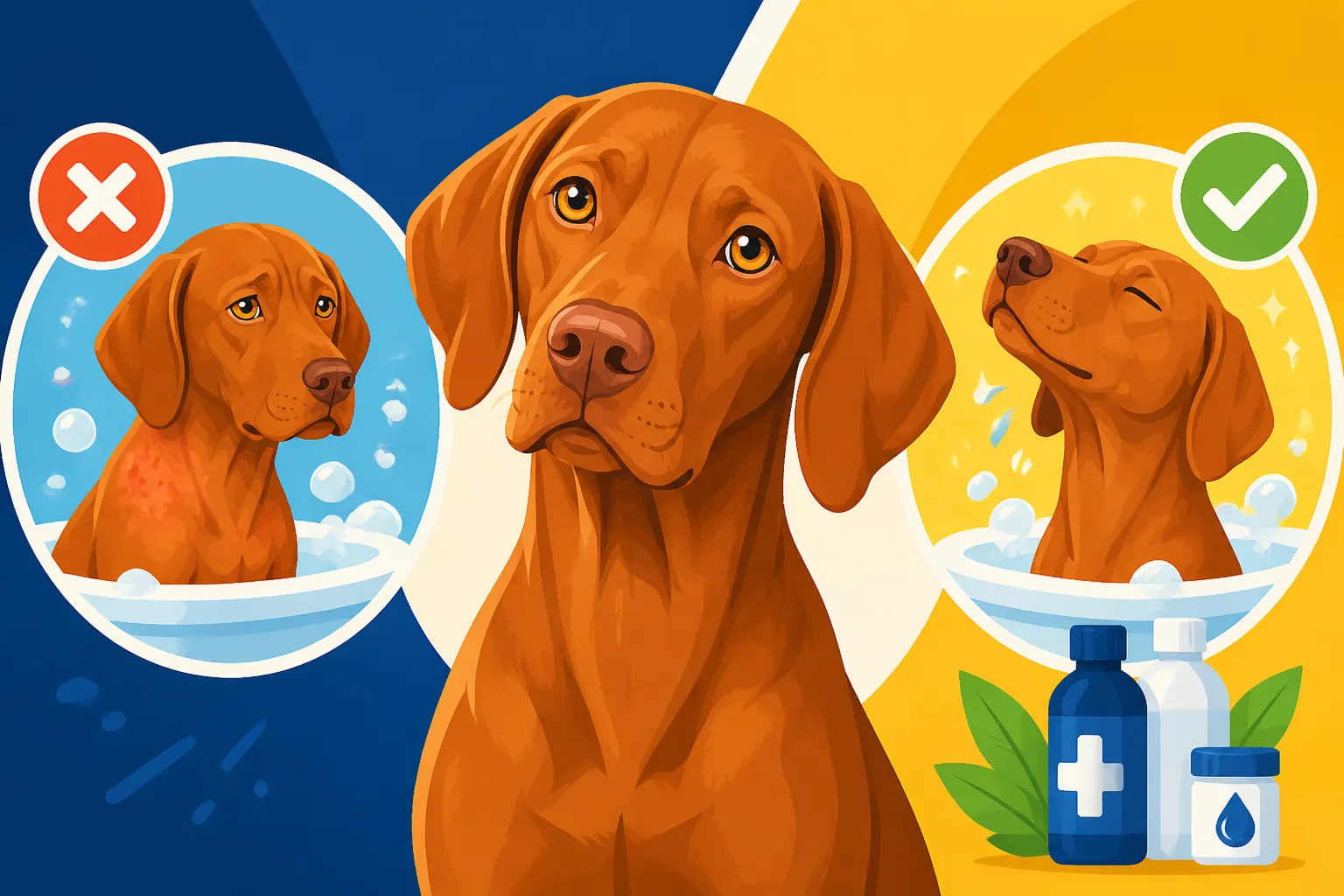
It’s a truly disheartening moment when your beautiful Vizsla, with their normally sleek, vibrant coat, starts developing skin issues. You might notice endless itching, flakes falling like snow, or even painful-looking lesions. Then comes the vet visit, the diagnosis of a chronic skin condition, and the dreaded question from your veterinarian: "We'll start with medicated baths, but this might be a lifelong commitment." The thought of your active, water-loving dog needing regular, medical-grade scrubbing for the rest of their years can feel overwhelming, if not downright impossible to maintain. This comprehensive guide is here to unravel the complexities of Vizsla skin health, explore why medicated baths might be prescribed, and discuss what "lifelong" truly means for managing these conditions effectively.
Understanding Common Vizsla Skin Conditions
Vizslas are generally robust dogs, but like all purebreds, they can be predisposed to certain health challenges. Their distinctive single coat, while beautiful, also means they have less insulation and a different skin barrier compared to double-coated breeds, which can make them more susceptible to certain dermatological issues. It's not just about an occasional dry patch; many Vizslas face ongoing battles with their skin.
The Genetic Predisposition to Skin Issues
When we talk about Vizsla health, their immune system often comes up as a potential weak point. Many of the skin conditions seen in the breed have an underlying immune component, making them chronic and frustrating to manage. It's not uncommon for a Vizsla to develop issues that stem from their genetic makeup, rather than just external factors. This is why you might hear about conditions like Sebaceous Adenitis or various forms of allergic dermatitis being more prevalent in our rusty beauties. They're not just unlucky; there's often a blueprint for these problems written in their genes.
For example, Sebaceous Adenitis, a devastating inflammatory disease of the sebaceous glands, is particularly noted in Vizslas. This condition directly impacts the glands responsible for producing the natural oils that keep their skin and coat healthy. When these glands are inflamed and destroyed, the skin loses its natural lubrication, leading to dryness, scaling, and hair loss. It’s a chronic, progressive condition that often requires intensive, ongoing care. You can learn more about exactly What Sebaceous Adenitis Does to a Vizsla
Another big one is atopic dermatitis, essentially environmental allergies. Just like people, dogs can be allergic to pollen, dust mites, and mold. Unlike people who often sneeze or get watery eyes, dogs primarily manifest these allergies through their skin, leading to relentless itching, redness, and inflammation. When a Vizsla gets atopic dermatitis, their thin skin can become easily irritated, leading to a vicious cycle of scratching, infection, and discomfort.
Recognizing When Medicated Baths Are Necessary
It’s easy to dismiss a bit of scratching or a few flakes as normal dog stuff, especially with a breed that's always on the go, picking up dirt and debris. However, there are definite signs that indicate your Vizsla’s skin issue might be more than superficial and could warrant the intervention of medicated baths.
Keep a close eye out for these tell-tale symptoms:
- Persistent Itching and Licking: If your Vizsla is constantly scratching, chewing, or licking at specific areas – their paws, armpits, groin, or belly – it’s a big red flag. This isn't just a casual itch; it's a desperate attempt to relieve discomfort.
- Redness and Inflammation: Check for any areas of red, inflamed skin. This can range from mild pinkness to angry, beefy red patches, sometimes accompanied by pustules or small bumps.
- Hair Loss or Thinning Coat: While Vizslas do shed, significant hair loss, especially in patches or generalized thinning that exposes their pale skin, is concerning. For conditions like Sebaceous Adenitis, this is a hallmark symptom, often appearing first along the back and ears, as explored in Where a Vizsla Loses Hair First.
- Flaking and Scaling: Is your Vizsla leaving a trail of dandruff wherever they go? Excessive flaking, scaly patches, or a greasy, waxy build-up on the skin indicates an imbalance in their skin’s health. Whether a Vizsla's Skin Flakes Badly
- Odor: A distinctive, often yeasty or musty smell, even shortly after a regular bath, points to an overgrowth of bacteria or yeast on the skin. This secondary infection is a common consequence of irritated or compromised skin.
- Lesions, Scabs, or Sores: Any open sores, scabs, crusts, or "hot spots" (acute moist dermatitis) need immediate attention. These are often self-inflicted from scratching and licking, but they can quickly become severely infected.
If you observe any of these signs, it's time for a visit to your veterinarian. Early diagnosis and intervention are key to managing these conditions and preventing them from escalating into more serious, painful problems for your beloved Vizsla. Don't wait for it to get unbearable for your dog; they often try to hide their pain, so these subtle cues are vital.
The Role of Medicated Shampoos in Vizsla Skin Care
Once a skin issue has been diagnosed, your vet might recommend medicated baths as a primary treatment or as part of a multi-modal approach. These aren't just fancy shampoos; they contain active ingredients designed to target specific problems, from fungal overgrowth to bacterial infections and excessive scaling.
Types of Medicated Shampoos and Their Purpose
The world of medicated shampoos can seem daunting, with various ingredients and promises. Understanding what each type does helps you appreciate why your vet chose a particular formula for your Vizsla.
-
Antifungal Shampoos: These shampoos typically contain ingredients like miconazole or ketoconazole. Their primary purpose is to combat yeast infections, most commonly Malassezia pachydermatis, which can cause that distinct musty or yeasty smell, along with redness and itching. They work by disrupting the fungal cell walls, effectively killing off the overgrowth. Many Vizslas with chronic allergies will develop secondary yeast infections due to their compromised skin barrier, and antifungal baths become crucial for relief.
-
Antibacterial Shampoos: For bacterial skin infections (pyoderma), ingredients like chlorhexidine are staples. Chlorhexidine is a broad-spectrum antiseptic that targets bacteria, reducing their numbers on the skin's surface. These shampoos are often prescribed when there are pustules, crusts, or widespread redness associated with bacterial overgrowth. Sometimes, these bacterial infections are superficial, and medicated baths alone can clear them up, preventing the need for systemic antibiotics.
-
Keratolytic and Keratoplastic Shampoos: These terms might sound complex, but their function is straightforward. Keratolytic agents (like salicylic acid or sulfur) help to break down and shed excessive scales and crusts. Keratoplastic agents, on the other hand, normalize skin cell turnover, which is particularly useful for conditions like Sebaceous Adenitis where there's an abnormal keratinization process leading to severe flaking and dry skin. These shampoos help to restore the skin's natural balance and improve the overall texture of the coat.
-
Soothing and Moisturizing Shampoos: While not strictly "medicated" in the traditional sense, these shampoos often contain ingredients like colloidal oatmeal, ceramides, or essential fatty acids. They are designed to calm irritated skin, reduce itching, and restore moisture to a dry, compromised skin barrier. They are frequently used in conjunction with stronger medicated shampoos, or as maintenance between treatments, especially for Vizslas suffering from dry skin or allergies that result in Whether a Vizsla's Skin Gets Secondary Infections These can be a lifesaver for dogs needing gentle, frequent bathing.
It’s important to remember that these shampoos are powerful tools, and their effectiveness depends on proper application and contact time. Always follow your vet’s specific instructions regarding how often to bathe your Vizsla and how long the shampoo needs to stay on their skin before rinsing.
Beyond Shampoo: Other Topical Treatments and Adjuncts
Medicated baths are often just one piece of the puzzle. For many Vizslas with chronic skin conditions, especially those with conditions like Sebaceous Adenitis or severe allergies, additional topical treatments and internal supplements are crucial.
Your vet might prescribe:
- Leave-on conditioners or rinses: These can extend the benefits of the medicated shampoo, providing longer contact time for active ingredients or adding extra moisture. For a Vizsla with very dry skin, a moisturizing rinse after an antibacterial bath can make a huge difference.
- Sprays or mousses: These allow for targeted treatment of specific areas, such as itchy paws or localized hot spots, without needing a full bath. They are convenient for quick relief or for maintaining healthy skin between baths.
- Oil soaks: Especially for Sebaceous Adenitis, regular oil soaks using ingredients like mineral oil or coconut oil can help rehydrate the skin, soften scales, and loosen debris, as explored in Whether Oil Soaks Help a Vizsla's Skin. These are often followed by a gentle bath to remove excess oil and shed skin cells.
- Paw balms and moisturizers: For Vizslas who suffer from allergic dermatitis and lick their paws constantly, special balms can help soothe irritation and protect the skin barrier.
The combination of different topical treatments ensures comprehensive care, addressing various aspects of the skin problem simultaneously. It’s about creating a protective and healing environment for your Vizsla's skin, which, given their fine coat and sensitive nature, is essential for their comfort and overall well-being.
The "For Life" Question: Long-Term Management of Vizsla Skin
The phrase "medicated baths for life" can sound daunting, implying an unending, onerous task. However, for many Vizslas, it's less about constant, intensive bathing and more about a flexible, responsive long-term management strategy.
When Medicated Baths Are a Temporary Solution
Not every Vizsla skin issue requires lifelong medicated baths. Sometimes, these baths are a crucial, but temporary, intervention to resolve an acute problem.
Consider these scenarios:
- Acute Bacterial or Yeast Infections: If your Vizsla develops a sudden skin infection due to, say, rolling in something irritating or having a brief immune dip, medicated baths might be prescribed intensively for a few weeks to clear the infection. Once the skin is healthy again, the medicated baths can stop, and you can switch to regular, gentle bathing.
- Seasonal Allergies: A Vizsla with seasonal environmental allergies (a common form of Whether a Vizsla Gets Atopic Dermatitis) might only need medicated baths during peak allergy seasons (spring, summer, fall). These baths help wash away allergens from their coat and soothe inflamed skin. Once the allergen count drops, they might return to a normal bathing routine.
- Post-Injury or Surgical Site Cleaning: Medicated washes are often used temporarily around wounds or surgical sites to prevent infection and promote healing. This is usually for a defined period until the area is completely healed.
In these cases, the goal is to get the skin back to normal health, and once that's achieved, the medicated baths are no longer necessary. However, recognizing the underlying triggers is vital to prevent recurrence.
When Medicated Baths Become a Long-Term Necessity
For certain chronic, incurable conditions, medicated baths do indeed become a recurring part of a Vizsla's life. The good news is that "for life" doesn't necessarily mean daily or even weekly baths; it often translates to an adjusted maintenance schedule.
Here’s where it often becomes a long-term commitment:
- Sebaceous Adenitis (SA): As discussed, SA is a chronic, progressive disease. While it can go into remission for periods, it typically requires ongoing management to control scaling, dryness, and secondary infections. This usually involves regular medicated baths, often alternating with oil soaks and moisturizing rinses, for the entirety of the dog’s life. The frequency might vary, from weekly during flare-ups to monthly during periods of remission. Managing a Vizsla's Skin for Life is a deep dive into this ongoing process.
- Chronic Atopic Dermatitis: Vizslas with severe, year-round environmental allergies or complex food allergies often require continuous skin support. While other treatments like allergy medications (e.g., Apoquel, Cytopoint) are primary, medicated baths play a crucial role in managing secondary infections, removing allergens, and soothing their chronically inflamed skin. They might need regular medicated baths every 2-4 weeks, or as directed by their vet, indefinitely.
- Ichthyosis: Though less common in Vizslas, this genetic condition causes extremely dry, scaly skin due to abnormal keratinization. Lifelong moisturizing and keratolytic baths are typically required to manage the discomfort and prevent cracking and infection.
For these long-term conditions, the aim is to find the minimum effective frequency that keeps your Vizsla comfortable and their skin healthy. It’s a delicate balance, often requiring adjustments based on the season, flare-ups, and your dog's individual response. Pet insurance, such as through a provider like Healthy Paws, can be incredibly helpful for managing the ongoing costs associated with chronic conditions, including the specialized shampoos and veterinary visits. Thinking about What Lifelong Skin Treatment Costs a Vizsla Owner can be eye-opening, so having support in place is wise.
Holistic Approaches to Supporting Skin Health
Medicated baths are powerful, but they work best when combined with a holistic approach to skin health. Simply bathing without addressing underlying issues might provide temporary relief but won't solve the core problem.
- Dietary Management: A high-quality diet is fundamental. For Vizslas with allergies, a limited ingredient diet or a prescription hydrolyzed diet might be necessary to rule out or manage food sensitivities. Even for dogs without overt allergies, a diet rich in omega-3 fatty acids can support skin barrier health. Consider adding fish oil supplements, which can improve coat quality and reduce inflammation. Whether a Vizsla Needs Fish Oil delves into this more.
- Environmental Control: Minimizing exposure to known allergens can significantly reduce flare-ups. This might mean frequent vacuuming, using air purifiers, washing bedding regularly, or avoiding certain outdoor environments during peak pollen seasons. For dust mite allergies, special covers for dog beds can also help.
- Supplements: Beyond omega-3s, certain supplements like ceramides or probiotics can help strengthen the skin barrier and support a healthy immune system. Always discuss any supplements with your vet to ensure they are appropriate and won't interfere with other treatments.
- Medication: For severe cases of atopic dermatitis, oral medications like antihistamines, corticosteroids, cyclosporine (which you can learn more about in Whether Cyclosporine Helps a Vizsla), Apoquel, or Cytopoint injections might be prescribed to control itching and inflammation. These often work synergistically with medicated baths to provide comprehensive relief.
- Regular Grooming and Inspection: Even between medicated baths, consistent brushing and daily checks of your Vizsla's skin and coat are vital. Their Single Coat a Vizsla Has and Why It Changes Everything means potential issues are often more visible. This allows you to catch any new hot spots, excessive flaking, or changes in odor early, so you can adjust your routine or contact your vet promptly. This proactive approach is key to Managing a Vizsla's Skin for Life.
A multi-faceted approach, combining medicated baths with dietary adjustments, environmental management, and possibly other medications or supplements, offers the best chance for a Vizsla with chronic skin issues to live a comfortable, itch-free life. It also helps to prevent common problems like Whether a Vizsla Gets Ear Infections which can often stem from underlying skin allergies.
Practical Tips for Giving Medicated Baths to Your Vizsla
Giving a medicated bath to an energetic Vizsla can sometimes feel like wrestling an eel. But with a few practical tips and a calm approach, it can become a manageable, even bonding, experience.
Preparing for a Stress-Free Bath Time
Preparation is key to making bath time less of a chore and more tolerable for your Vizsla.
- Gather Your Supplies: Have everything you need within arm's reach before you even get your dog wet. This includes the medicated shampoo, a timer, cotton balls for ears, a towel, a non-slip mat for the tub, and plenty of high-value treats. If your Vizsla is sensitive to water, consider getting a shower attachment for easier rinsing.
- Brush Before Bathing: A thorough brushing before the bath helps remove loose hair, dirt, and any large flakes or mats. This allows the medicated shampoo to penetrate the skin more effectively and reduces the amount of shedding in the tub. You might find a rubber curry brush or a grooming mitt particularly effective on a Vizsla's short coat.
- Protect Their Ears: Vizslas have long, floppy ears that can trap water, leading to ear infections. Place cotton balls gently in their ear canals (don't push them in too deep!) to prevent water from entering.
- Positive Reinforcement: Make bath time a positive experience. Use a calm, reassuring voice. Offer treats generously throughout the process, especially when they cooperate. For nervous dogs, introducing the tub gradually with treats, even without water, can help. Some dogs do better with a lick mat smeared with peanut butter stuck to the side of the tub; it provides a distraction and a reward.
- Check Water Temperature: Always use lukewarm water. Water that is too hot can irritate already inflamed skin, and water that is too cold can be shocking and uncomfortable.
The Bathing Process: Application and Contact Time
The effectiveness of medicated shampoos hinges on proper application and adequate contact time. This is where the discipline comes in.
- Wet Thoroughly: Start by thoroughly wetting your Vizsla's coat from head to tail. Ensure the water penetrates all the way to the skin. This can take longer than you think, especially on their belly and legs.
- Apply Shampoo: Apply the medicated shampoo, starting from their neck and working your way down their body. Lather it in well, ensuring it reaches the skin, not just the coat. Pay special attention to areas that are particularly problematic – between their toes, armpits, groin, and any visibly inflamed patches.
- Observe Contact Time: This is the most critical step. Most medicated shampoos require a "contact time" of 5 to 10 minutes to allow the active ingredients to work their magic. Use a timer. This is often the hardest part with an active Vizsla! This is where the lick mat, a chew toy, or a patient helper comes in handy. Keep them engaged, offer praise, and prevent them from licking off the shampoo if possible.
- Rinse, Rinse, Rinse! After the contact time, rinse your Vizsla thoroughly. Residue from medicated shampoos can irritate the skin and even lead to new problems. Keep rinsing until the water runs completely clear and there's no slippery feeling left on their coat. This is especially important for a Vizsla's thin coat, which shows residue easily. If you have a dog with a Sensitive Stomach, licking shampoo residue can also cause an upset tummy.
Post-Bath Care and Maintenance
What you do after the bath is just as important as the bath itself.
- Towel Dry Gently: Pat your Vizsla dry with a soft towel. Avoid harsh rubbing, which can irritate sensitive skin. Many Vizslas appreciate a good towel-down after a bath, especially if they are feeling cold due to their single coat.
- Consider a Blow Dryer (on cool setting): If your Vizsla tolerates it, a pet-specific force dryer on a cool setting can help dry them quickly and prevent dampness that can encourage yeast or bacterial growth. Never use high heat, as it can burn their skin.
- Keep Them Warm: Vizslas are prone to getting cold after baths due to their lack of an undercoat. Keep them in a warm room or wrap them in a warm blanket until they are fully dry.
- Prevent Licking: If your Vizsla is prone to licking at newly treated areas, consider using an Elizabethan collar (cone) or a recovery suit until their skin has absorbed the treatment and is dry.
- Consistency is Key: Whether your Vizsla needs medicated baths for a few weeks or intermittently for life, consistency with the prescribed frequency and technique is vital for the success of the treatment.
For those long-term conditions, remember that organizations like Healthy Paws can provide excellent pet insurance coverage, helping to ease the financial burden of ongoing veterinary care, prescription medications, and yes, even specialized medicated shampoos, especially when these treatments become an ongoing part of your Vizsla's life. It allows you to prioritize their health without constant worry about the budget.
A Vizsla with chronic skin issues doesn't mean a life of constant misery or impossible care. With dedication, the right treatments, and a strong partnership with your vet, you can help your copper companion enjoy comfort and a healthy coat for years to come.
Disclaimer
The information provided in this article is for educational and informational purposes only and does not constitute veterinary advice. Always consult with a qualified veterinarian for any health concerns or before making any decisions related to your pet's health and treatment.