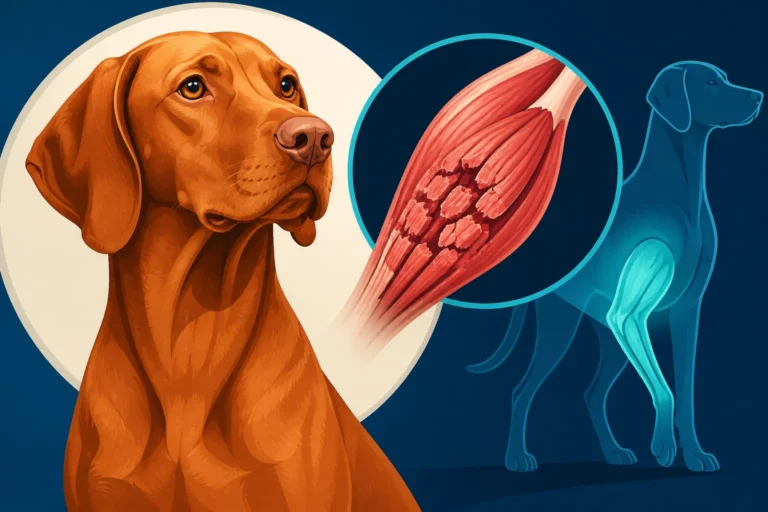
The Twelve to Fourteen Years a Vizsla Lives
Many Vizsla owners dream of a long, active life with their beloved copper companions, but the reality is that the breed, while vibrant, often faces a shorter average lifespan than some might expect. It's a cruel truth that these dogs, full of boundless energy and affectionate devotion, typically live between 12 and 14 years. This guide will delve into the factors that influence a Vizsla's longevity, exploring common health challenges, the critical role of preventative care, and how you can strive to give your cherished friend the healthiest, happiest life possible.
The Heartbreaking Reality of a Vizsla's Lifespan
When you bring home a Vizsla puppy, you're not just getting a dog; you're welcoming a whirlwind of energy, affection, and loyalty into your life. You envision years of hiking, hunting, cuddling on the couch, and growing old together. It’s a profound bond that, for many of us, defines a significant chapter of our lives. The thought of that chapter ending can be truly heartbreaking, especially when you know that for some breeds, the time we get with them is tragically shorter than we'd wish.
Average Lifespan Expectations
Vizslas are generally considered a healthy breed, but their average lifespan typically hovers in the range of 12 to 14 years. This isn't universally short in the canine world, but for such an active, deeply bonded companion, it can feel like a fleeting amount of time. Compared to some larger breeds that might only live 8-10 years, a Vizsla's 12-14 years looks pretty good on paper. However, when you compare it to a smaller terrier or chihuahua that might live well into their late teens, the gap becomes more apparent. We often hope for at least fifteen years with our dogs, and hitting the lower end of that spectrum can be a difficult pill to swallow.
Many factors play into this average. Genetics, lifestyle, nutrition, and even the environment your dog lives in all contribute to how long they may thrive. While 12 to 14 is the average, it's not uncommon to hear of Vizslas living slightly longer, perhaps to 15 or even 16, especially with diligent care and a bit of luck on the genetic lottery. Conversely, some may succumb to health issues earlier in life, bringing that average down. It's a spectrum, and while we can't control everything, we can certainly influence many aspects of their health journey.
The Gap Between Expectation and Reality
The emotional investment we make in our Vizslas is immense. They are truly members of the family, sharing our beds, our adventures, and our quiet moments. We expect, perhaps naively, that this bond will last forever, or at least for a very, very long time. The reality that 12 to 14 years is the typical window often hits hard, particularly if you've previously owned dogs with longer lifespans or if you're experiencing the joy and intensity of a Vizsla for the first time. There's a particular kind of grief that comes with knowing the clock is ticking, even if it's years away.
It's common to meet other Vizsla owners and discuss their dogs' ages, often holding onto the hope that our own dog will be one of the outliers who lives to a ripe old age. We share stories, tips, and sometimes, our fears. This breed's incredible athleticism and youthful exuberance can also make their aging process feel particularly jarring. One day they are bounding through fields, seemingly invincible, and the next, you notice a subtle slowing, a grey muzzle, or a stiffness that reminds you of time passing. This gap between the vibrant, eternal puppy in our hearts and the physical reality can be tough to reconcile.
Why the Vizsla's Lifespan Can Feel Short
Beyond the numerical average, there are intrinsic qualities of the Vizsla that make their lifespan feel particularly brief. Their intense bond with their human family, often earning them the nickname "Velcro Vizslas," means they are deeply intertwined with our daily lives. Every moment is shared, every emotion felt together. This profound connection amplifies the sense of loss when their time comes. They aren't just pets; they are constant companions, shadows, and best friends.
Furthermore, the breed's susceptibility to certain health issues, while not unique in the dog world, can contribute to a feeling of vulnerability. When you read about common ailments like The Cancers That Take a Vizsla Early or the various autoimmune diseases, it casts a shadow over their otherwise joyful existence. The possibility of these serious conditions emerging means we're often acutely aware of their health, hoping to catch any signs early and keep them robust for as long as possible. This vigilance, while crucial, also highlights the fragility of their time with us.
Major Health Challenges That Impact Vizsla Longevity
It’s an unfortunate truth that many purebred dogs, including our beloved Vizslas, can be predisposed to certain health conditions due to their genetic lineage. While responsible breeding aims to minimize these risks, the reality is that some issues are more prevalent in the breed and can, directly or indirectly, affect their overall lifespan and quality of life. Knowing what to look for and understanding the potential impact of these challenges is vital for any Vizsla owner.
The Shadow of Cancer in Vizslas
Cancer is a devastating diagnosis for any dog owner, and sadly, it's one of the leading causes of death in Vizslas. These active, athletic dogs can be prone to several types of cancer, often at relatively younger ages compared to some other breeds. Lymphoma, hemangiosarcoma, and mast cell tumors are frequently reported in the breed. Lymphoma, for instance, can be particularly aggressive, often presenting as swollen lymph nodes that might be hard to spot in the early stages, especially in a thick-coated dog (though Vizslas have a wonderfully short, sleek coat, which sometimes makes lumps easier to feel).
The treatment for canine cancer can be extensive, involving chemotherapy, radiation, or surgery, and it takes a significant emotional and financial toll. We all hope our dogs will never face this, but understanding the risk helps us to be vigilant. Regular palpation of your dog's body, looking for any unusual lumps or bumps, and being attentive to changes in appetite, energy levels, or weight, are crucial steps. Early detection, as with humans, can make a significant difference in prognosis and treatment options. It’s one of those times when having a good pet insurance plan, like those offered by Healthy Paws, can really alleviate some of the financial burden, allowing you to focus on your dog's care rather than the cost.
Autoimmune Diseases and Their Impact
Vizslas are also known for having a propensity for autoimmune diseases. This means their own immune system mistakenly attacks healthy cells or tissues in their body. This can manifest in various ways, from skin conditions to more systemic issues affecting internal organs. Conditions like Sebaceous Adenitis and the Vizsla That Loses Its Coat are known to affect Vizslas, causing severe dry skin, scaling, and hair loss. While not always life-threatening on its own, it can significantly impact their quality of life and make them susceptible to secondary infections.
More severe autoimmune conditions can include What Vizsla Inflammatory Polymyopathy Does, a muscle disease that primarily affects the head and neck muscles, making swallowing difficult. This can be incredibly challenging to manage and can severely impact their ability to eat, leading to aspiration pneumonia if not managed carefully. Other autoimmune issues can affect the thyroid, leading to Thyroid Failure in a Vizsla, which can cause lethargy, weight gain, and coat issues. Managing these conditions often requires lifelong medication and close veterinary supervision. The complex nature of these diseases underscores Why a Vizsla's Immune System Is the Breed's Weak Point.
Orthopedic Issues and Quality of Life
Given their athletic nature and deep love for running and jumping, Vizslas are susceptible to orthopedic problems that, while not always directly shortening lifespan, can severely impact their quality of life, especially as they age. Hip and elbow dysplasia are unfortunately common in many larger, active breeds, and Vizslas are no exception. These conditions involve abnormal development of the hip or elbow joints, leading to pain, lameness, and ultimately, arthritis.
While surgery can correct severe cases, many Vizslas manage with pain medication, joint supplements, and controlled exercise. Preventing or mitigating these issues starts with responsible breeding and proper puppy care, ensuring puppies don't engage in excessive high-impact activities too early. Cruciate ligament tears, particularly common in working dogs, can also sideline a Vizsla and often require costly surgery and extensive rehabilitation. Understanding Hips and Elbows on a Vizsla That Runs All Day is crucial for proactive care, and regular veterinary check-ups can help monitor joint health and address any issues as they arise, helping your Vizsla maintain their active lifestyle for as long as possible.
Understanding Vizsla Genetics and Lifespan Factors
Genetics play an enormous role in a dog's predisposition to certain diseases and their overall longevity. While good care can certainly extend a dog's life, you can't out-care bad genetics. For Vizslas, understanding the importance of responsible breeding practices and the implications of the breed's history is crucial for anyone looking to bring one of these wonderful dogs into their home. It's about looking beyond the cute puppy face and delving into the health of the lines behind them.
The Role of Responsible Breeding
Responsible breeding is arguably the single most important factor in promoting a long and healthy life for a Vizsla. Ethical breeders meticulously research pedigrees, perform health clearances on their breeding stock, and make informed decisions to minimize the risk of passing on genetic diseases. They don't just breed two healthy-looking dogs; they delve into generations of health records, temperament, and longevity within the lines. This is why a reputable breeder will often have a waitlist, as their focus is on producing healthy, well-adjusted puppies, not just making a quick sale.
A responsible breeder will screen for common orthopedic issues like hip and elbow dysplasia through organizations like the Orthopedic Foundation for Animals (OFA) or PennHIP. They should also perform eye exams (CERF/OFA Eye Certification) to check for conditions such as Eye Disease in a Vizsla, and potentially cardiac evaluations. Some may also screen for thyroid issues, as Thyroid Failure in a Vizsla is a recognized concern. They will be transparent about the health history of their dogs and their puppies' parents, grandparents, and even great-grandparents, ensuring you have the best possible chance of bringing home a genetically sound puppy.
Genetic Predispositions and Screening
Despite the best efforts of responsible breeders, some genetic predispositions can still exist within the Vizsla breed, stemming from their relatively small founding population when the breed was rebuilt after near extinction. This means that while individual parents may be healthy, certain genes for diseases might still be present in the wider gene pool. For example, while not always definitively genetic, conditions like Epilepsy in a Vizsla are observed in the breed, and careful breeding practices aim to avoid lines known for such issues.
Genetic screening tests are becoming increasingly available for various canine diseases, and while not every single Vizsla disease has a definitive genetic marker test, breeders are utilizing those that do exist. This scientific approach helps to reduce the incidence of specific inherited conditions. For a prospective owner, asking about the health tests performed on both parents, and ideally, their siblings and previous offspring, provides a clearer picture of the puppy's potential genetic health. Understanding these predispositions allows for proactive monitoring and early intervention, should an issue arise down the line.
The Impact of a Narrow Gene Pool
The Vizsla breed faced near extinction twice in its history, particularly around the turn of the 20th century and during World War II. The breed was painstakingly rebuilt from a very small number of surviving individuals. While this dedicated effort saved the breed, it inevitably led to a narrow gene pool. A limited gene pool means less genetic diversity, which can sometimes concentrate certain recessive genes that predispose dogs to specific health issues. It's a trade-off that many breeds with similar histories face.
This limited genetic diversity can contribute to the prevalence of certain autoimmune conditions and some cancers within the breed. It means that even with careful breeding, completely eradicating these genetic vulnerabilities is an ongoing challenge. Researchers and dedicated breed clubs are constantly working to identify markers for these conditions and develop strategies for increasing genetic diversity while maintaining the beloved characteristics of the Vizsla. As owners, being aware of this historical context helps us appreciate the breed's resilience and understand the importance of supporting responsible breeders who prioritize health and genetic diversity.
The Critical Role of Nutrition and Exercise in Extending Life
While genetics set a baseline, the daily care you provide, specifically in terms of nutrition and exercise, profoundly impacts your Vizsla's health, vitality, and ultimately, their lifespan. These energetic dogs are finely tuned athletes, and their bodies require appropriate fuel and activity to thrive. Skimping on either can lead to a host of problems that can prematurely shorten their time with you.
Fueling an Active Vizsla for Longevity
Vizslas are renowned for their lean, muscular build and incredible stamina. They are dogs that literally burn through calories, often appearing as if they have an internal furnace running constantly. This means their nutritional needs are significant and demand a high-quality diet tailored to their active lifestyle. Feeding a working Vizsla, or even a highly active companion Vizsla, isn't the same as feeding a more sedentary breed. They need nutrient-dense food that supports their energy levels, muscle mass, and overall health.
Look for a high-quality dog food with a good balance of protein, fat, and carbohydrates. Protein is essential for muscle maintenance and repair, especially after a long day in the field or a vigorous run. Healthy fats provide concentrated energy and support skin and coat health. Many Vizsla owners find that performance-oriented kibbles or those designed for active breeds work best. Beyond the main meals, consider supplements like omega-3 fatty acids, which can support joint health, skin health, and cognitive function. Always consult with your veterinarian to determine the best diet for your individual Vizsla, as needs can change with age, activity level, and any specific health concerns like Whether a Vizsla Has a Sensitive Stomach.
Balancing Exercise for Joint Health
It's no secret that Vizslas need a lot of exercise – often two hours or more of vigorous activity daily, sometimes even more. Without it, they can become destructive, anxious, and generally unhappy. But there's a fine line between adequate exercise and over-exercising, especially when they are young or as they age. Too much high-impact activity in puppies can stress developing joints, potentially exacerbating conditions like hip or elbow dysplasia. While they might appear boundless, their growth plates are still open, and excessive pounding can cause long-term damage.
As adults, consistent, appropriate exercise is key. This could include running, cycling with them (canicross), hiking, swimming, or extensive fetch sessions. However, it's also important to vary their activities to engage different muscle groups and reduce repetitive strain. As your Vizsla ages, their exercise needs will naturally change. While The Old Vizsla That Still Wants to Hunt might still have the spirit, their body might not keep up. You'll need to adapt routines to gentler walks, swimming, or shorter play sessions to protect their aging joints and manage conditions like arthritis. Finding that balance ensures they remain fit without causing undue wear and tear on their body, which helps sustain their quality of life for longer.
The Importance of Mental Stimulation
While physical exercise is paramount, mental stimulation is equally important for a Vizsla's overall well-being and can indirectly contribute to a longer, healthier life. A bored Vizsla is a destructive Vizsla, and chronic stress or anxiety stemming from under-stimulation can weaken their immune system and lead to behavioral issues that impact their bond with their family. Engaging their intelligent minds helps keep them sharp, reduces stress, and fosters a sense of purpose.
Mental stimulation can come in many forms. Puzzle toys that dispense treats, scent work (like teaching them to find hidden items), obedience training, learning new tricks, or even advanced gun dog training sessions like those for Starting a Vizsla on Birds or Building a Recall on a Vizsla That Ranges are all excellent ways to tire out their brains. These activities not only provide an outlet for their intelligence but also strengthen your bond and prevent boredom-induced behaviors that could lead to injury or stress. A mentally fulfilled Vizsla is a happier Vizsla, and happiness plays a subtle but significant role in overall health and resilience against disease.
Proactive Veterinary Care and Early Detection
Think of your veterinarian not just as someone you see when your Vizsla is sick, but as your partner in keeping them healthy for as long as possible. Proactive veterinary care, including regular check-ups and a keen eye for early warning signs, is absolutely fundamental to extending your Vizsla's lifespan and ensuring their quality of life remains high throughout their years. It’s about being prepared and taking steps to prevent problems before they become crises.
Establishing a Robust Preventative Care Schedule
A consistent preventative care schedule is the backbone of your Vizsla's long-term health plan. This typically involves annual (or semi-annual for older dogs) wellness exams, where your vet will check everything from nose to tail, listen to their heart and lungs, palpate their abdomen, and check their joints. These routine visits are crucial, even if your Vizsla seems perfectly healthy. They allow your vet to establish a baseline for your dog's normal health, making it easier to spot subtle changes later on.
During these visits, vaccinations are updated, parasite control (for fleas, ticks, and heartworm) is discussed, and dental health is assessed. Dental disease, often overlooked, can have far-reaching effects on systemic health, leading to heart, kidney, and liver problems if left untreated. Regular professional dental cleanings can prevent this. Your vet will also discuss diet and exercise, making recommendations tailored to your Vizsla's age and activity level. This comprehensive approach is your best defense against many common ailments and a solid investment in their future. For these routine costs and unexpected emergencies, many owners find pet insurance from providers like Healthy Paws to be invaluable.
Recognizing Early Warning Signs
As a Vizsla owner, you become intimately familiar with your dog's habits, energy levels, and quirks. This deep familiarity puts you in the best position to recognize when something is "off." Subtle changes can be the first indicators of a developing health issue, and early detection often leads to more effective treatment and a better prognosis. Don't dismiss a slight limp, a cough, a change in appetite, or unusual lethargy as just "getting old" or "a bit tired."
Be vigilant for signs such as unexplained weight loss or gain, changes in drinking or urination habits, skin irritation beyond normal shedding (like those seen in Managing a Vizsla's Skin for Life), persistent scratching, or any new lumps or bumps you feel while petting them. A change in breath odor, unusual discharge from eyes or nose, or a sudden change in behavior (e.g., increased anxiety or aggression) also warrant a vet visit. It's always better to err on the side of caution and have your vet investigate, rather than waiting until a condition progresses and becomes more difficult to treat.
The Value of Regular Health Screenings
Beyond the general wellness exam, specific health screenings become increasingly important as your Vizsla ages or if they belong to lines known for certain predispositions. Blood work, including a complete blood count (CBC) and chemistry panel, can provide a snapshot of organ function and detect underlying issues like anemia, kidney disease, or liver problems before outward symptoms appear. This is especially important for conditions like Thyroid Failure and the Vizsla's Coat, which can be identified through blood tests.
Urine analysis can reveal urinary tract infections, diabetes, or kidney issues. For breeds predisposed to certain cancers, periodic imaging (like ultrasounds or X-rays) might be recommended, especially if there are any suspicious findings on physical exam. Early screening for conditions like Whether a Vizsla Bloats or other gastrointestinal issues can also be discussed with your vet. These screenings provide valuable insights into your Vizsla's internal health, allowing for early intervention when a condition is most manageable. It's a proactive approach that shifts the focus from reactive treatment to preventative health management.
Navigating the Senior Years with Your Vizsla
The transition into senior years is a bittersweet time for any Vizsla owner. The boundless energy might begin to wane, the muzzle greys, and those bright, alert eyes may hold a wisdom born of many shared adventures. While it's sad to see them slow down, it's also an opportunity to provide them with specialized care that ensures their comfort and dignity in their twilight years. Understanding when your Vizsla officially becomes a "senior" and how their needs change is paramount.
Recognizing the Signs of Aging
There isn't a hard and fast rule for when a Vizsla becomes "senior," but generally, they begin to show signs of aging around 8-10 years old. This aligns with The Age a Vizsla Counts as Senior. However, their athletic nature means some may retain youthful vigor longer than other breeds. Key signs of aging often include a decrease in overall energy and stamina, meaning they might not be up for those marathon runs or all-day hunts anymore. You might notice they tire more easily, sleep more frequently, or take longer to recover after activity.
Physical changes are also common. Their coat might thin or become duller, and the tell-tale grey hairs will appear around their muzzle and eyes. Their senses might decline, with hearing loss or vision changes (such as those associated with Whether a Vizsla Gets Progressive Retinal Atrophy) becoming apparent. Joint stiffness or arthritis can lead to a slower gait, difficulty jumping into the car, or reluctance to go up and down stairs. Weight management can become an issue as their metabolism slows down, making them prone to gaining weight even on the same diet. It’s important to acknowledge these changes and adjust expectations, rather than push them beyond their new physical limits.
Adjusting Care for the Older Vizsla
As your Vizsla enters their senior years, their care routine will need thoughtful adjustments. Regular veterinary check-ups should increase to twice a year, as health conditions can develop and progress more rapidly in older dogs. Your vet can monitor for common age-related diseases, such as kidney disease, heart conditions (like Whether a Vizsla Gets a Heart Murmur), or cognitive dysfunction. Blood work and urine analysis become even more critical during these visits to catch issues early.
Exercise should be modified to lower impact activities, perhaps shorter, more frequent walks, gentle swimming, or controlled play sessions. Warm-up and cool-down periods become crucial to prevent injury. Consider providing orthopedic beds to support aching joints and make sure they have a warm, comfortable place to rest, as Whether an Old Vizsla Feels the Cold More. Diet adjustments might be necessary, moving to a senior-specific formula that is lower in calories to prevent weight gain but still provides essential nutrients for aging bodies. Joint supplements can be beneficial, and any pain management needs should be discussed with your vet. Making these adjustments demonstrates true compassion and helps extend their comfortable years.
Maintaining Comfort and Dignity
The goal in your Vizsla's senior years is to maintain their comfort and dignity. This means being acutely aware of their physical and emotional needs. As mobility declines, consider adding ramps for cars or steps, or providing non-slip mats on hard floors to prevent falls. If their vision or hearing deteriorates, maintain consistent routines and avoid startling them. Continue to engage their minds with gentle puzzle toys or scent games, even if they can't run through fields anymore. This still helps maintain their cognitive function and zest for life.
Grooming might also need more attention, as they may find it harder to groom themselves. Regular brushing not only helps with shedding but also provides an opportunity to check for new lumps, skin changes, or sore spots. Most importantly, continue to provide the deep affection and companionship they have always cherished. Even if they sleep more, those moments of quiet connection, a gentle cuddle on the sofa, or a shared sunrise are invaluable. Helping them live out their final years with love, comfort, and respect is the greatest gift we can give to our loyal Vizsla companions.
The Emotional Toll and End-of-Life Decisions
No one wants to think about the end of their beloved Vizsla's life, but it's an inevitable part of pet ownership. The bond we share with these dogs is profound, and facing their mortality brings immense emotional pain. Understanding and preparing for this difficult period, both for yourself and for your dog, is a crucial aspect of responsible and compassionate ownership, ensuring they transition peacefully and with dignity.
Coping with Anticipatory Grief
Anticipatory grief is a very real and often unacknowledged emotion that many pet owners experience when their dog is elderly or facing a terminal illness. It's the sadness, anxiety, and profound sense of loss that washes over you before your dog has passed away. You might find yourself cherishing every moment, yet simultaneously dreading the inevitable. Watching your once-vibrant Vizsla slow down, struggle with daily activities, or fight a chronic illness can be agonizing. This is particularly true when you realize that even with the best care, like ensuring they had proper nutrition and used good insurance like Healthy Paws, some battles just can’t be won indefinitely.
It's important to allow yourself to feel these emotions. Talk to trusted friends, family members, or even a pet bereavement counselor. Recognizing that what you're feeling is valid and shared by many others can provide comfort. Spend quality time with your Vizsla, savoring those last quiet moments, gentle touches, and shared experiences. Taking photos or videos can help preserve memories for later. This period of anticipatory grief is a natural, albeit painful, part of the loving journey you share, and acknowledging it can help you prepare emotionally for what's to come.
Making Compassionate Choices
The most agonizing decision many Vizsla owners face is knowing when it's time to say goodbye. This is often the hardest, most selfless act of love you can offer your pet. It requires putting their comfort and well-being above your own desire to keep them with you for just a little longer. Your veterinarian will be your most important guide in this process, helping you assess your Vizsla's quality of life. They can provide an objective perspective on pain levels, mobility, appetite, and their ability to enjoy their favorite activities.
Factors to consider include persistent pain that can no longer be managed effectively, severe decline in mobility, chronic incontinence, inability to eat or drink, or a complete loss of interest in life. It's about looking at their overall "good days" versus "bad days." When the bad days consistently outweigh the good, and their suffering can no longer be alleviated, making the decision for humane euthanasia becomes an act of immense compassion. Many vets offer in-home euthanasia, which can provide a peaceful, familiar environment for this final moment, allowing your Vizsla to pass surrounded by the love and comfort of their family.
Honoring Their Memory
After your Vizsla has passed, the grief can be overwhelming. The house feels empty, their familiar presence is gone, and the routine you built around them vanishes. It’s important to allow yourself to grieve fully and to honor the incredible life and love they brought into your world. There is no right or wrong way to mourn; everyone experiences it differently. Some find comfort in sharing stories and photos, while others prefer quiet reflection.
Consider ways to remember your beloved companion. This could involve planting a tree in their memory, creating a photo album, commissioning a portrait, or keeping a special collar or toy. Many people find comfort in cremation or burial, and having a physical memorial can help with the grieving process. Some even choose to donate to a Vizsla rescue or a canine cancer research fund in their dog's name, turning their grief into a positive impact for other dogs. Over time, the sharp edges of grief will soften, replaced by cherished memories of the incredible twelve to fourteen years you were blessed to share with your beautiful Vizsla.
Disclaimer
This article provides general information about Vizsla health and lifespan and is not a substitute for professional veterinary advice. Always consult with a qualified veterinarian for any health concerns or before making any decisions about your dog's care.