Thyroid Failure and the Vizsla’s Coat
As Vizsla owners, we often pride ourselves on our dogs' striking, glossy, golden-rust coats. It's one of their most defining features, a beacon of health and vitality. So, when that beautiful fur starts to betray us – becoming thin, dull, or even falling out in patches – it’s not just a cosmetic concern; it’s a deeply worrying sign that something is amiss internally. Many of us initially shrug it off, thinking it’s a bad shedding season, a reaction to a new shampoo, or perhaps even allergies. But when those changes persist, accompanied by other subtle shifts in behavior, it can point to a serious underlying condition: thyroid failure. This comprehensive guide will walk you through the intricate connection between hypothyroidism and your Vizsla’s coat, helping you understand the warning signs, navigate the diagnostic process, and manage this lifelong condition so your cherished companion can regain their sparkle and health.
Unpacking Hypothyroidism in Our Beloved Vizslas
It’s truly disheartening when your energetic Vizsla starts to slow down, or their once-lustrous coat loses its sheen. Hypothyroidism, or an underactive thyroid gland, is a surprisingly common endocrine disorder in dogs, and unfortunately, our sensitive Vizslas are among the breeds genetically predisposed to it. It’s not just about energy levels; the thyroid hormone impacts nearly every cell in the body, making its proper function absolutely critical for overall well-being.
What Thyroid Glands Do for a Vizsla's Body
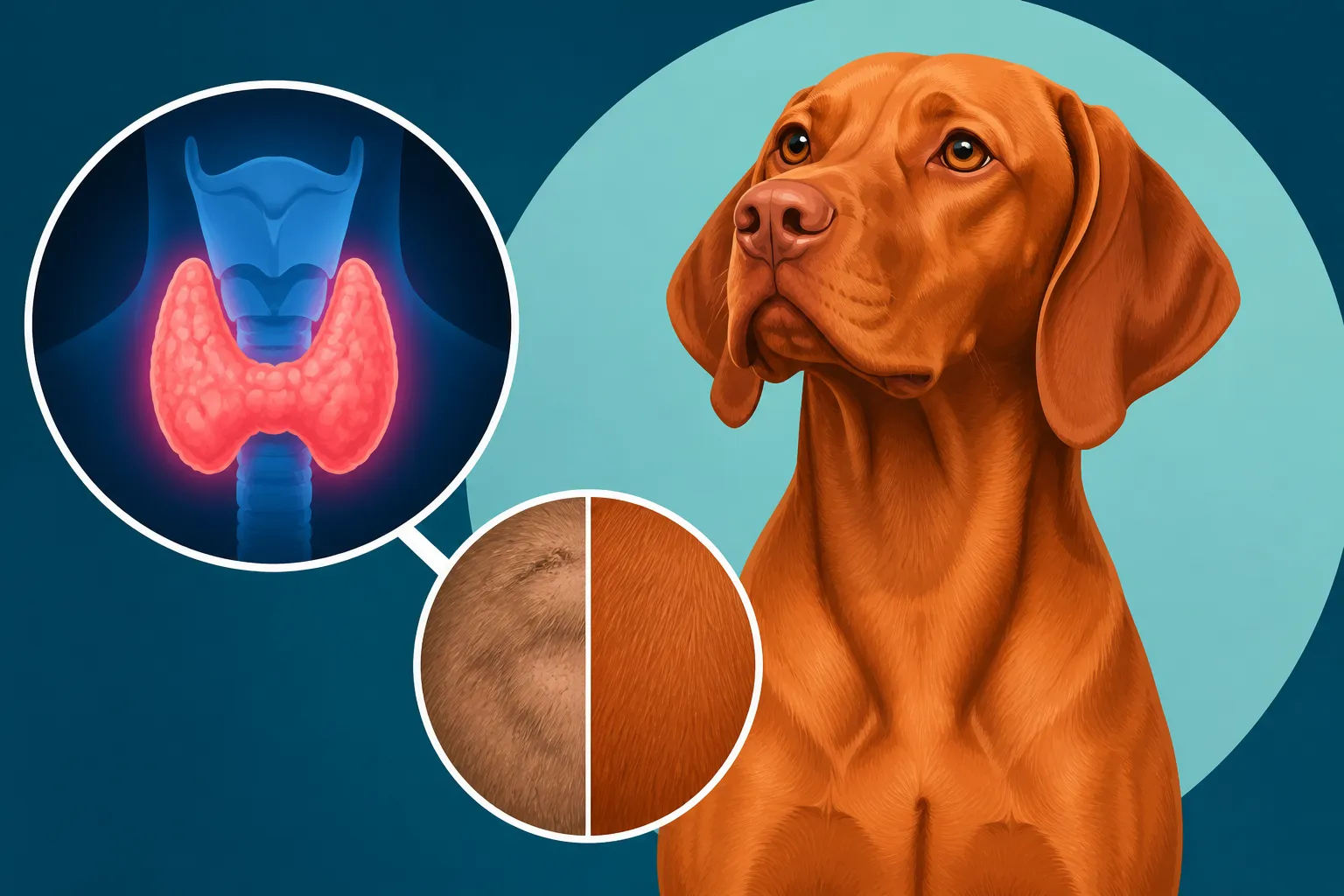
Imagine your Vizsla's thyroid glands, two small butterfly-shaped organs located in their neck, as the unsung heroes of their metabolism. They produce thyroid hormones, primarily thyroxine (T4) and triiodothyronine (T3), which act like the gas pedal for almost every bodily function. These hormones regulate metabolism, affecting heart rate, body temperature, digestion, energy levels, and, crucially, the health of your dog's skin and coat.
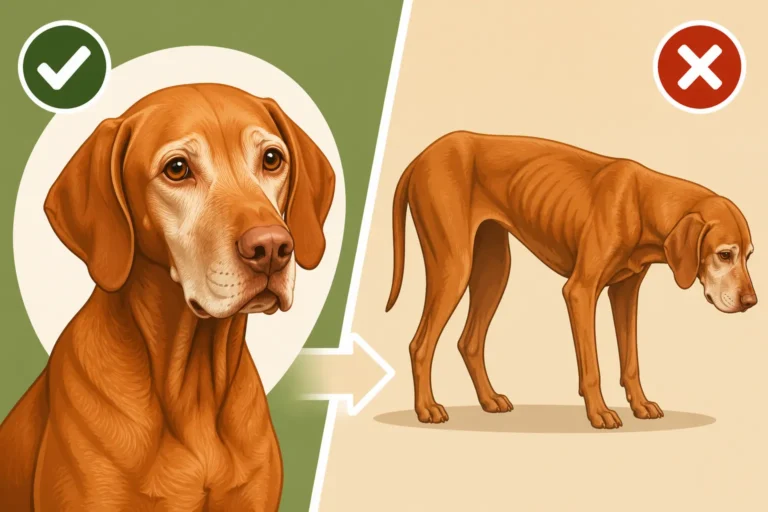
When these hormone levels are optimal, your Vizsla is typically vibrant, their coat is shiny, and their skin is supple. But when thyroid hormone production dips below normal, everything starts to slow down. This systemic impact is why hypothyroidism isn't just about a bad hair day; it can manifest in a myriad of ways, from lethargy and weight gain to a propensity for infections. Our Vizslas, known for their athleticism and keen senses, can suffer significantly when their internal thermostat is off-kilter. It's a cruel twist that a breed known for its robust activity can be so susceptible to an ailment that steals their vigor, a stark reminder of Why Vizslas Carry So Much Immune Disease in general.
Why Vizslas Are Prone to Thyroid Issues
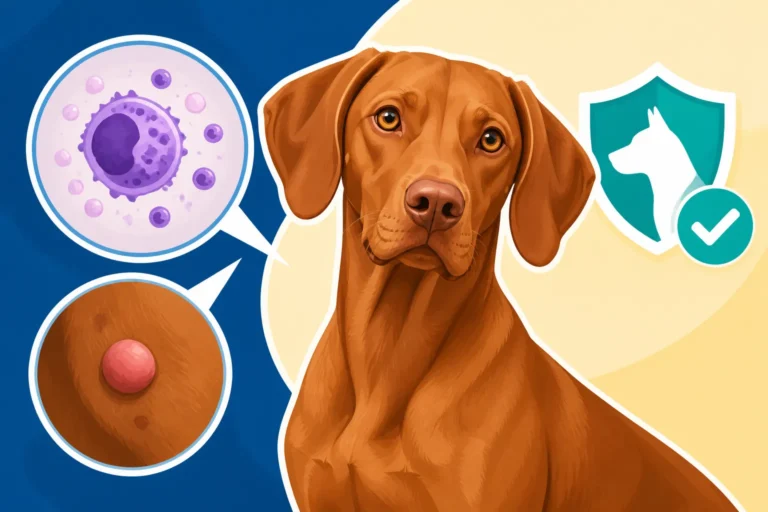
You might wonder why our Vizslas, these seemingly perfect athletes, often seem to draw the short straw when it comes to certain health conditions. When it comes to hypothyroidism, the primary culprit in Vizslas is usually an immune-mediated disease called lymphocytic thyroiditis. In simple terms, your dog's own immune system mistakenly attacks and destroys the thyroid gland, leading to a gradual decline in hormone production. It's an insidious process that can take years to develop, often showing no outward signs until a significant portion of the gland is already compromised.
This genetic predisposition is a key reason why Vizsla owners need to be particularly vigilant. While researchers are still pinpointing all the specific genes involved, we know that certain lines carry a higher risk. This susceptibility is a byproduct of historical breeding practices and, sadly, the relatively small gene pool used to rebuild the breed after its near-extinction events. Thinking back to The Twelve Dogs the Vizsla Was Rebuilt From in 1900, it's a testament to the dedication of breeders but also highlights how genetic bottlenecks can inadvertently concentrate certain health predispositions. It underscores the importance of breeders actively screening their dogs and making informed choices to improve the health of future generations.
The Visible Telltale Signs on Your Vizsla's Coat
One of the most common and often earliest indicators of hypothyroidism in Vizslas manifests right there on their beautiful coat. It's a distressing change to witness, and because it can be subtle at first, it's easy to dismiss or attribute to other factors. However, knowing what to look for can be key to early detection and intervention.
More Than Just Shedding: Hair Loss Patterns
We all know Vizslas shed. They have a single, sleek coat that can leave its mark on your furniture year-round. But the hair loss associated with hypothyroidism is different. It’s not just the usual scatter of fine hairs; it’s a more deliberate and often symmetrical thinning, particularly in areas that don't typically rub or experience trauma.
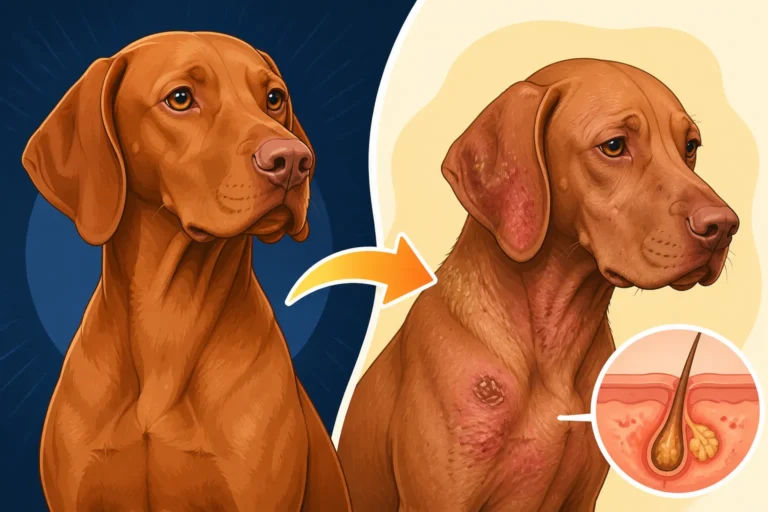
You might first notice hair loss on the flanks, along the sides of the body, or on the bridge of the nose. A classic sign often cited by veterinarians is the "rat tail" – a thinned, bare-looking tail that has lost its characteristic feathery appearance. Sometimes, patches on the chest or behind the elbows also become sparse. What’s particularly telling is the lack of regrowth. You'll notice that the hair that falls out isn't replaced, leading to visibly bald or nearly bald patches that widen over time. This isn't the rapid, patchy loss you might see with an infection or acute irritation; it's a slow, progressive process that can creep up on you, making it harder to pinpoint when it truly started. It's a stark contrast to the healthy, dense coat that should spring back quickly from seasonal shedding.
Changes in Coat Quality and Skin Health
Beyond just losing hair, the very quality of your Vizsla's remaining coat will likely change dramatically. That signature golden-rust sheen, so admired, will dull and become lackluster. The hair itself can feel coarse, brittle, and dry to the touch, almost straw-like, rather than the smooth, silky texture you're used to. You might even notice that the hairs break easily.
The skin underneath the affected coat also tells a story. As thyroid hormone levels drop, the skin's metabolism slows down, leading to a host of problems. You might observe:
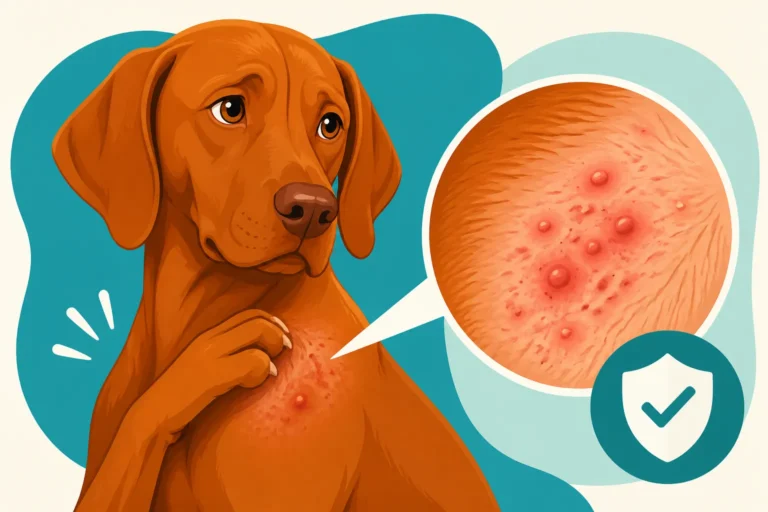
- Hyperpigmentation: Areas of skin can darken, taking on a gray or blackish hue, especially in patches where hair loss is most prominent.
- Thickening (Lichenification): The skin can become thick and leathery, sometimes described as having an "elephant skin" texture, particularly in skin folds or chronically affected areas.
- Scaliness and Dandruff: Dry, flaky skin and excessive dandruff are common, as the skin's natural oil production and cell turnover are disrupted.
- Secondary Infections: The compromised skin barrier, coupled with a weakened immune response, makes Vizslas highly susceptible to secondary bacterial or yeast infections. You might notice redness, pustules, itching, and a distinctive odor. This can be especially frustrating given The Thin Skin a Vizsla Takes Into the Field, which is already prone to nicks and irritation, now struggling with internal health issues.
It's a combination of these coat and skin changes that often sends owners to the vet, realizing that something more profound than simple dryness or allergies is at play.
The Diagnostic Journey: Confirming Thyroid Failure
When you notice these worrying changes in your Vizsla's coat and perhaps other subtle shifts in their energy or behavior, a trip to the veterinarian is essential. Diagnosing hypothyroidism isn't always straightforward, as many of the symptoms can overlap with other conditions. However, a thorough diagnostic approach can accurately pinpoint the issue.
What to Expect at the Vet's Office
Your vet will start with a comprehensive physical examination, carefully assessing your Vizsla's overall condition, weight, heart rate, and of course, those worrying skin and coat changes. They'll also ask you about your dog's history:
- When did you first notice the coat changes?
- Has their energy level decreased?
- Have they gained weight despite no change in diet?
- Are they seeking out warm spots more often?
- Have there been any behavioral shifts, like increased lethargy or disinterest in play?
After the physical exam, blood tests are the cornerstone of diagnosis. While a routine blood panel might show some general abnormalities, such as elevated cholesterol (a common finding in hypothyroid dogs), specific thyroid tests are crucial. These typically include:
- Total T4 (TT4): This measures the total amount of thyroxine in the blood. While a low TT4 can indicate hypothyroidism, it can also be low due to non-thyroidal illness ("sick euthyroid syndrome") or certain medications. So, it's rarely used alone for definitive diagnosis.
- Free T4 (FT4) by Equilibrium Dialysis: This is considered a more accurate measure of the biologically active thyroid hormone. It's less affected by non-thyroidal illnesses or medications and is often a key component in diagnosing hypothyroidism.
- Canine TSH (cTSH): This measures thyroid-stimulating hormone. In primary hypothyroidism (the most common type), the pituitary gland tries to stimulate the underactive thyroid, leading to an elevated TSH level.
- Thyroglobulin Autoantibodies (TgAA): This test detects the presence of antibodies that attack the thyroid gland. A positive result strongly suggests immune-mediated lymphocytic thyroiditis, the most common cause in Vizslas.
Often, a combination of these tests (a "thyroid panel") is recommended to get the clearest picture. It’s why annual check-ups and a full blood panel can be so important, not just for thyroid, but to generally track your dog's health, as discussed in Whether a Vizsla Needs a Yearly Blood Panel. It's about catching these subtle shifts early.
Differentiating from Other Vizsla Skin and Coat Conditions
One of the biggest challenges in diagnosing hypothyroidism is that its skin and coat symptoms can mimic several other conditions that also affect Vizslas. Your vet will need to carefully consider and rule out these differentials.
- Sebaceous Adenitis (SA): This is another immune-mediated skin condition prevalent in Vizslas. SA also causes hair loss, typically starting on the top of the head, neck, and back, and results in flaky, scaly skin. However, with SA, the skin often becomes greasy and malodorous, and the coat tends to clump. A key difference is the destruction of sebaceous glands. Distinguishing between these two can be tricky, and sometimes a skin biopsy is needed to differentiate. This highlights the importance of understanding What Sebaceous Adenitis Does to a Vizsla and how its presentation can overlap with other issues. When faced with coat loss, many owners wonder, Whether a Vizsla's Coat Loss Is Thyroid or Skin Disease, and rightfully so.
- Allergies: Environmental allergies (atopy) or food allergies can cause itching, redness, recurrent skin infections, and secondary hair loss due to scratching and licking. However, the pattern of hair loss tends to be less symmetrical and more inflammatory than with hypothyroidism. While a Vizsla can certainly have allergies and need consideration for Whether a Vizsla Reacts to Its Food, the dull, brittle coat and other systemic signs usually point away from allergies as the sole cause of widespread, symmetrical hair loss.
- Other Hormonal Imbalances: Less commonly, other endocrine disorders like Cushing's disease (hyperadrenocorticism) can also cause symmetrical hair loss and skin thinning. However, Cushing's usually presents with different accompanying signs like a pot-bellied appearance, increased thirst and urination, and muscle wasting.
- Nutritional Deficiencies & Stress: Severe nutritional deficiencies or chronic stress can impact coat quality, but they are less likely to cause the specific, symmetrical hair loss patterns seen with hypothyroidism.
Because of these overlaps, your vet might recommend additional tests, such as skin scrapes (to rule out mites), fungal cultures (to rule out ringworm), or even a skin biopsy, especially if SA is suspected. It’s all part of the detective work to get your Vizsla the right diagnosis.
| Symptom / Condition | Hypothyroidism | Sebaceous Adenitis (SA) | Environmental Allergies (Atopy) |
|---|---|---|---|
| Hair Loss Pattern | Symmetrical, non-itchy, flanks, tail ("rat tail"), bridge of nose | Symmetrical, often on head, neck, back, clumping | Patchy, self-induced from scratching/licking, varied |
| Coat Quality | Dull, dry, brittle, coarse, poor regrowth | Greasy, matted, clumpy, waxy, dry patches | Often oily from inflammation, secondary infection |
| Skin Appearance | Thickening, hyperpigmentation, scaliness, secondary infections | Follicular casts (waxy plugs), scales, oily/dry, often smelly | Redness, inflammation, pustules, thick, itchy |
| Itchiness | Mild to moderate (often secondary infection-related) | Variable, often secondary infection-related | Intense |
| Other Systemic Signs | Lethargy, weight gain, cold intolerance, slow heart rate | None, generally healthy otherwise | None, primarily skin/ear issues |
| Primary Cause | Immune-mediated thyroid destruction | Immune-mediated sebaceous gland destruction | Hypersensitivity to environmental allergens |
| Diagnostic Key | Thyroid panel (low FT4, high cTSH, positive TgAA) | Skin biopsy (absence/destruction of sebaceous glands) | Intradermal skin testing, elimination diet trial |
Lifelong Management: Treating Hypothyroidism
Receiving a diagnosis of hypothyroidism can feel overwhelming, but the good news is that it's a very treatable condition. With consistent, lifelong medication, most Vizslas can live full, happy, and active lives, and you'll see a dramatic improvement in their coat and overall well-being.
The Treatment Protocol: Hormone Replacement Therapy
The standard and most effective treatment for canine hypothyroidism is daily hormone replacement therapy. This means administering a synthetic thyroid hormone, typically levothyroxine (L-thyroxine), to supplement what your Vizsla's body isn't producing naturally. This medication effectively replaces the missing T4 hormone, allowing the body's metabolism to return to normal function.
Your veterinarian will determine the appropriate starting dose based on your Vizsla's weight and the severity of their condition. It's usually given twice a day, every 12 hours, to maintain stable hormone levels. Consistency is absolutely crucial – try to give the medication at the same time each day and avoid missing doses. Giving it with food can sometimes affect absorption, so many vets recommend giving it on an empty stomach or at least separately from meals.
While you'll likely notice an improvement in your Vizsla's energy levels within a few weeks, the coat takes much longer to recover. It can take anywhere from 4 to 8 months, or even longer, for new, healthy hair to grow back and for the skin to fully heal. Be patient; the results will come, but it's not an overnight fix. The transformation from a dull, thinning coat to a vibrant one is incredibly rewarding, a testament to the power of proper treatment.
Monitoring, Adjustments, and Holistic Support
Treatment for hypothyroidism is a lifelong commitment, and regular monitoring is essential to ensure your Vizsla is receiving the optimal dose. Too little medication, and the symptoms will persist; too much, and they could develop signs of hyperthyroidism, which can be equally problematic.
- Follow-Up Blood Tests: Your vet will schedule follow-up blood tests, typically 4-6 weeks after starting medication, and then periodically (every 6-12 months) once a stable dose is achieved. These tests will measure your Vizsla's T4 levels about 4-6 hours post-pill to confirm that the medication is being absorbed and reaching therapeutic levels. They might also re-check TSH.
- Cost of Medication: It’s important to be prepared for the ongoing financial commitment. While levothyroxine is generally affordable compared to some other chronic medications, it is a daily cost that adds up over your Vizsla's lifetime. Understanding What Thyroid Medication Costs a Vizsla Owner Monthly can help you budget appropriately.
- Dietary Considerations: While diet cannot treat hypothyroidism, a high-quality, balanced diet can certainly support overall health, skin, and coat quality. Some owners explore supplements like omega-3 fatty acids, which can help improve skin health and reduce inflammation. However, these should always be discussed with your vet and are supplementary, not a replacement for the hormone medication.
- Pet Insurance: For many chronic conditions like hypothyroidism, pet insurance can be a real lifesaver. Companies like Healthy Paws offer comprehensive coverage that can help offset the costs of diagnostic tests, medication, and ongoing veterinary care. It’s something many owners consider, especially with a breed prone to immune issues.
- Skin Care: If your Vizsla developed secondary skin infections due to hypothyroidism, your vet might prescribe medicated shampoos or antibiotics in the initial stages. Continuing with gentle, soothing shampoos can also support healthy skin. For Vizslas prone to sensitive skin or secondary infections, effective Managing a Vizsla's Skin for Life becomes even more critical once the underlying thyroid issue is addressed.
Living with a Vizsla with Hypothyroidism: What Lies Ahead
A diagnosis of hypothyroidism is certainly a journey, but it's one with a very bright destination. With proper treatment and vigilant care, your Vizsla can thrive and continue to bring immense joy to your life. Understanding the long-term outlook and making informed decisions, especially regarding breeding, are key aspects of responsible Vizsla ownership.
Prognosis and Quality of Life
The prognosis for Vizslas diagnosed with hypothyroidism is overwhelmingly positive, provided they receive consistent, lifelong treatment. Once their thyroid hormone levels are regulated, you'll see a remarkable transformation. Their energy levels will return, they’ll be more engaged, and that spark in their eyes will be back. Their coat will gradually regain its softness and luster, and hair will regrow in previously bald patches. The secondary skin infections and dryness will resolve as their skin health improves.
Many Vizslas, once regulated, can return to their full athletic potential, whether that's running alongside you, competing in dog sports, or, for our sporting companions, hitting the field again. In fact, an old Vizsla with well-managed hypothyroidism can still very much enjoy their hunting days, as discussed in The Old Vizsla That Still Wants to Hunt. The key is to monitor them closely, ensure their medication schedule is adhered to, and continue with regular veterinary check-ups to fine-tune their dosage as needed.
The main challenge for owners is the commitment to daily medication and the associated costs. This is where a robust pet insurance plan, such as those offered by Healthy Paws, can significantly ease the financial burden, covering a large portion of the medication and monitoring expenses over your dog's lifetime. It allows you to focus on your Vizsla's health without constantly worrying about the vet bill. It’s an investment in their long-term well-being and your peace of mind.
Breeding Considerations and Genetic Health
Because lymphocytic thyroiditis, the primary cause of hypothyroidism in Vizslas, has a strong genetic component, breeding decisions are incredibly important. The clear recommendation from veterinary geneticists and responsible breed clubs is that Vizslas diagnosed with primary hypothyroidism should not be bred. This applies to both the affected individual and, often, their direct relatives, especially if they are also carriers or have produced affected offspring. This is directly related to the question of Whether an Affected Vizsla Should Be Bred.
Reputable Vizsla breeders should routinely screen their breeding stock for thyroid health, typically through OFA (Orthopedic Foundation for Animals) thyroid certifications. This involves specific blood tests to evaluate thyroid function and detect the presence of autoantibodies before dogs are bred. For example, if you're considering a Vizsla puppy, it's always wise to ask the breeder about the thyroid health of their breeding pair and their lines. This proactive screening is vital to reduce the incidence of hypothyroidism in future generations of Vizslas, as detailed in Whether a Vizsla Breeder Screens for Thyroid. By making informed, ethical breeding choices, we can collectively work towards a healthier future for this magnificent breed.
Disclaimer
This article is intended for informational purposes only and does not constitute medical advice. Always consult with a qualified veterinarian for any health concerns or before making any decisions about your Vizsla's medical care.