Whether a Vizsla Gets Immune Mediated Anemia
It's incredibly frightening when your usually vibrant, indefatigable Vizsla suddenly seems… off. One day they're bouncing off the walls, eager for their next adventure, and the next they're dragging their feet, looking pale, and just don't want to eat. This alarming change can signal a myriad of health issues, but for Vizsla owners, the specter of serious immune conditions always looms large. This guide will delve into Immune-Mediated Hemolytic Anemia (IMHA), a devastating disease where a Vizsla's own body turns against its life-sustaining red blood cells, helping you understand its complexities, recognize the signs, and navigate the challenging path of diagnosis and treatment.
Understanding Immune-Mediated Hemolytic Anemia in Vizslas
When we talk about a dog's immune system, we usually think of it as a protective shield, fending off invaders like bacteria and viruses. But imagine that shield suddenly turning inwards, attacking the very cells it's supposed to safeguard. That's essentially what happens in Immune-Mediated Hemolytic Anemia (IMHA), a condition that can strike fear into the heart of any Vizsla owner.
What Exactly is IMHA?
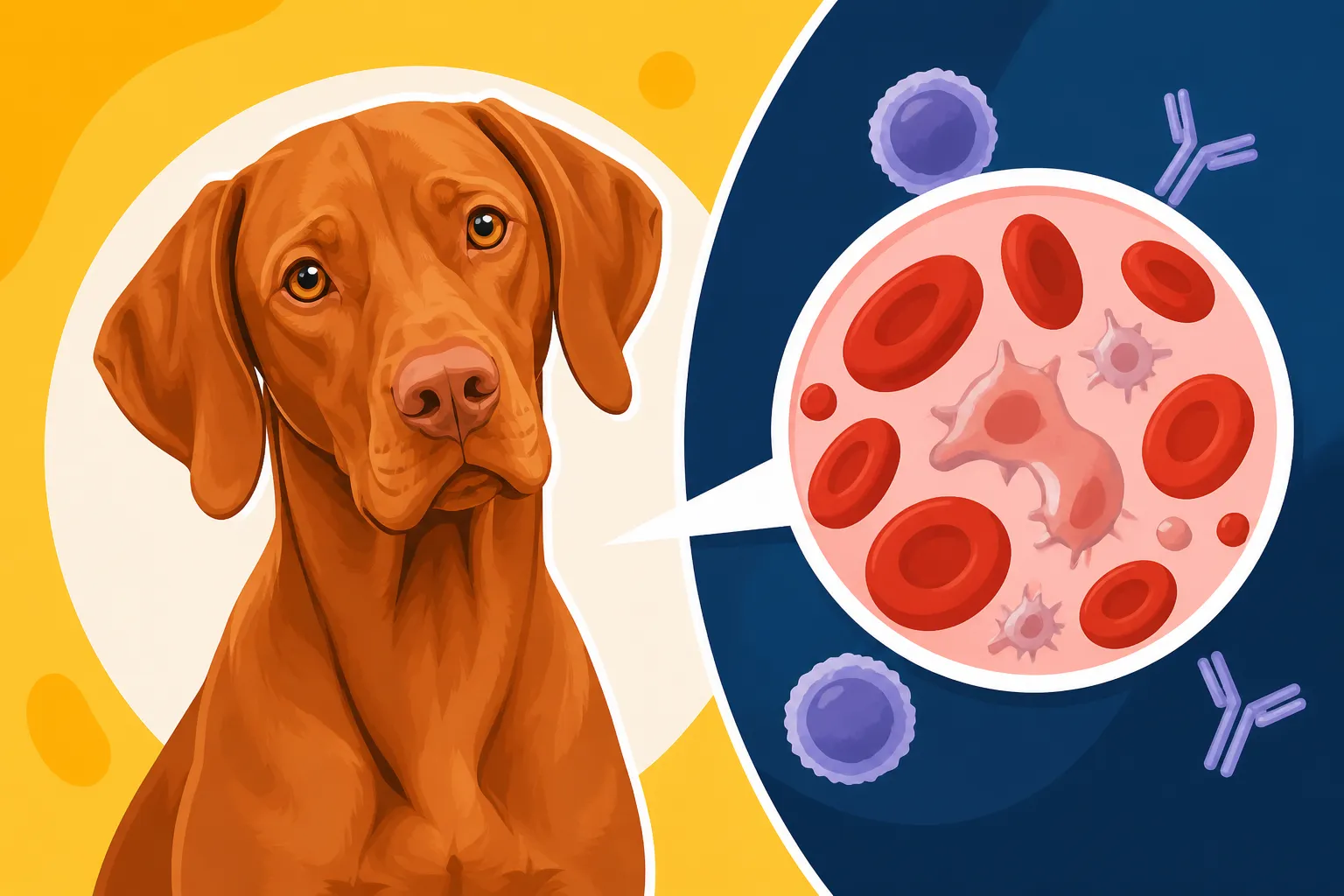
At its core, IMHA is an autoimmune disease where the body’s immune system mistakenly identifies its own red blood cells as foreign invaders. Once flagged, these crucial red blood cells, which are responsible for carrying oxygen from the lungs to every tissue and organ, are then destroyed by the immune system, typically in the spleen or liver. This destruction happens at a rate much faster than the bone marrow can produce new ones, leading to a critical shortage of red blood cells – a state known as severe anemia.
The impact of this red blood cell deficit is profound and swift. Without enough oxygen carriers, every cell in the body struggles to function. Your energetic Vizsla, known for their boundless stamina and desire to run, suddenly can’t manage a short walk without becoming winded. Their once-rosy gums might turn a shocking white or pale pink. It's a sudden, often dramatic decline, leaving owners bewildered and terrified. The process can be primary (idiopathic), meaning there's no identifiable underlying cause, or secondary, triggered by something else like certain medications, toxins, infections, or even cancer. Distinguishing between these can be incredibly difficult, adding another layer of complexity to an already challenging diagnosis.
Why Vizslas Are More Susceptible
It's a heartbreaking truth that certain breeds carry a higher genetic load for specific diseases, and unfortunately, Vizslas are among those known for their propensity for immune-mediated conditions. While IMHA can affect any dog breed, there's a recognized predisposition in Vizslas, alongside other breeds like Cocker Spaniels, Poodles, and Old English Sheepdogs. This susceptibility isn't a simple "gene for IMHA" but rather a complex interplay of genetic factors that make their immune systems more prone to dysregulation.
Think of it like this: a Vizsla's immune system, while incredibly robust in fighting off external threats, sometimes carries a blueprint that, under the right (or wrong) circumstances, can misfire. Researchers believe there are specific immune response genes that, when combined, increase the risk. This means that while not every Vizsla will develop IMHA, the breed's genetic makeup creates a vulnerability. It’s often described as a "perfect storm" scenario where an underlying genetic predisposition meets an environmental trigger – be it a vaccine, a certain medication, a tick-borne disease, or even chronic stress – that pushes the immune system over the edge, causing it to attack healthy cells. Owners of Vizslas should be aware of this potential vulnerability and discuss it with their veterinarians, especially when considering preventive care or if their dog shows any concerning symptoms. The predisposition for such conditions is part of the broader conversation about Why Vizslas Carry So Much Immune Disease.
Recognizing the Alarming Signs of IMHA
Spotting IMHA early in a Vizsla can be incredibly challenging. They are such stoic, eager-to-please dogs that they often mask discomfort until a disease has progressed significantly. However, understanding what to look for, from subtle shifts to critical indicators, can be life-saving.
Early and Subtle Symptoms
When a disease as serious as IMHA begins to brew, the initial signs can be maddeningly vague, often mimicking the symptoms of other, less critical ailments. This is where a Vizsla owner's intimate knowledge of their dog's normal behavior becomes absolutely invaluable. You might notice your once-relentless hiking partner, the dog who never turns down a run, starting to lag behind, showing a general reluctance to engage in their usual activities. This isn't just "being lazy" – it's a significant drop in their typical energy level.
Another key, though often overlooked, early symptom is a loss of appetite or a change in eating habits. Your Vizsla might turn their nose up at a favorite treat, or simply pick at their kibble instead of devouring it with their usual gusto. This subtle shift in their food drive can be a red flag. Perhaps most tellingly, but also easily missed unless you know to look, is a change in gum color. Instead of a healthy, bright salmon pink, your Vizsla's gums might appear noticeably paler, almost white. This pallor is a direct result of the decreasing red blood cell count. You might also notice they're breathing a little heavier after minimal exertion, or their heart seems to be pounding a bit faster. These are all subtle hints that your Vizsla’s body is struggling to get enough oxygen to its tissues, even before the anemia becomes overtly severe.
Advanced and Critical Indicators
As IMHA progresses, the symptoms become far more pronounced and alarming, demanding immediate veterinary attention. These are the signs that scream "emergency." The extreme paleness of the gums becomes undeniable, often turning almost chalky white. What's even more distressing is the development of jaundice – a yellowish tinge to the skin, especially noticeable in the whites of the eyes (sclera) and sometimes on the inside of the ear flaps. This yellowing occurs because the rapid destruction of red blood cells releases a pigment called bilirubin into the bloodstream faster than the liver can process it.
Another critical indicator is the appearance of dark, orange, or brownish urine, a condition known as bilirubinuria or hemoglobinuria. This is a direct sign that red blood cell components are being filtered out by the kidneys. Your Vizsla will also likely exhibit an increased respiratory rate and effort, even at rest, as their body desperately tries to compensate for the severe lack of oxygen. They might pant excessively, even when not hot or exercising. A noticeable increase in heart rate (tachycardia) is also common, as the heart works overtime to circulate the oxygen-poor blood. At this stage, your Vizsla will be severely lethargic, weak, potentially collapsing, and may even show signs of confusion or disorientation due to oxygen deprivation to the brain. If you observe any of these critical signs, do not wait; your Vizsla needs emergency veterinary care immediately.
Diagnosing Immune-Mediated Hemolytic Anemia
When you bring your ailing Vizsla to the vet with concerns about IMHA, the diagnostic process needs to be swift and thorough. It's not just about confirming IMHA, but also about trying to uncover any potential underlying causes, as this can significantly impact the treatment strategy and prognosis.
The Initial Veterinary Examination
Upon arrival at the veterinary clinic, your veterinarian will first conduct a comprehensive physical examination. This isn't just a routine check-up; it's a focused assessment looking for specific indicators of anemia and other systemic issues. The vet will carefully examine your Vizsla's mucous membranes – specifically the gums, the inside of the eyelids, and sometimes the genitals – to assess their color. Extreme paleness is a hallmark sign. They'll also check for any yellowish discoloration (jaundice) that might be present.
Auscultation of the heart and lungs is critical. The vet will listen for a heart murmur, which can develop in an anemic patient as the blood thins and the heart works harder to pump it. They'll also check for increased respiratory effort or abnormal lung sounds. Palpation of the abdomen might reveal an enlarged spleen or liver, organs that are heavily involved in the destruction and processing of red blood cells. The vet will also be looking for any signs of pain, discomfort, or other abnormalities that could point to an underlying cause, such as a hidden mass or infection. This initial exam provides crucial clues that guide the subsequent diagnostic tests.
Key Diagnostic Tests
Once the physical exam raises suspicion of IMHA, a series of specific diagnostic tests will be initiated to confirm the diagnosis and rule out other conditions. The cornerstone of diagnosing anemia is a Complete Blood Count (CBC). This blood test provides a wealth of information, most importantly the Packed Cell Volume (PCV) or hematocrit, which measures the percentage of red blood cells in the blood. A significantly low PCV is a definitive indicator of anemia. The CBC will also show if the bone marrow is responding by producing more red blood cells (regenerative anemia) or if it's not (non-regenerative anemia), which can help differentiate IMHA from other causes of anemia.
Beyond just the PCV, the CBC results for IMHA often reveal specific changes in the red blood cells themselves. A blood smear examination is crucial here. The veterinarian or a veterinary pathologist will look for spherocytes – abnormally small, dense, spherical red blood cells that have lost their central pallor. These are highly indicative of IMHA, as they are red blood cells that have been partially attacked and damaged by the immune system. Another key test is the autoagglutination test. This involves taking a drop of blood, mixing it with saline, and observing if the red blood cells clump together. If they do, it's a strong indicator that antibodies are coating the red blood cells, causing them to stick to each other. Finally, a direct Coombs test (or direct antiglobulin test, DAT) specifically detects antibodies attached to the surface of red blood cells, confirming the immune-mediated nature of the anemia. It's also important to perform other tests, such as a biochemical panel to assess organ function, urinalysis, and potentially tests for infectious agents (like tick-borne diseases) or imaging (X-rays, ultrasound) to rule out secondary causes such as internal bleeding, toxins, or The Cancers That Take a Vizsla Early.
Treatment Approaches for IMHA in Vizslas
Treating IMHA is an intensive, often harrowing journey for both the Vizsla and their devoted owner. The goal is two-fold: to immediately stabilize the dog and then to suppress the immune system to stop the destruction of red blood cells, all while managing potential side effects and complications.
Emergency Stabilization and Blood Transfusions
When a Vizsla presents with severe IMHA, often on the brink of collapse due to critical anemia, the first priority is emergency stabilization. This typically involves placing an intravenous (IV) catheter to administer fluids, provide access for medications, and quickly get life-sustaining blood transfusions underway. Oxygen therapy might also be initiated, especially if your Vizsla is struggling to breathe, to help maximize the oxygen carried by the few remaining red blood cells.
Blood transfusions are truly life-saving in these critical moments. They provide an immediate, albeit temporary, boost in red blood cell count, giving the dog's body the vital oxygen it desperately needs. Your vet will carefully match blood types if possible to minimize reactions. While a transfusion offers immediate relief, it's not a cure; it buys time for the immunosuppressive medications to start working. Think of it as a crucial stopgap measure, pulling your Vizsla back from the brink while the long-term treatment plan begins to take effect. It's a tense period for owners, watching their beloved companion receive these critical interventions, but it's often the only way to get them through the initial crisis.
Immunosuppressive Therapy
Once a Vizsla is stabilized, the cornerstone of IMHA treatment is aggressive immunosuppressive therapy. The primary medication used is corticosteroids, such as prednisone or dexamethasone. These powerful anti-inflammatory drugs work by dampening the immune system's overactive response, preventing it from attacking the red blood cells. The dosage is typically very high initially to achieve rapid suppression, then gradually tapered down over weeks to months as the dog responds.
While corticosteroids are highly effective, they come with a range of side effects that owners need to be prepared for. These can include increased thirst (polydipsia) and urination (polyuria), increased appetite, panting, and sometimes gastrointestinal upset. Your vet will carefully monitor these and adjust treatment as needed. In cases where steroids alone aren't sufficient, or if the side effects are too severe, additional immunosuppressants may be added. These "steroid-sparing" drugs include azathioprine, cyclosporine (like the brand Atopica), or mycophenolate. These medications work through different mechanisms to further suppress the immune system, allowing for a lower steroid dose and potentially reducing side effects. It's a delicate balancing act to find the right combination and dosage to control the disease without causing undue discomfort or further complications for your Vizsla.
Supportive Care and Monitoring
Beyond direct immunosuppression, comprehensive supportive care and diligent monitoring are absolutely vital throughout the treatment of IMHA. In the initial hospital phase, your Vizsla will be monitored around the clock. This includes frequent checks of their Packed Cell Volume (PCV) to see if the red blood cell count is stabilizing or improving, monitoring urine color, heart rate, and respiratory rate. The veterinary team will also watch closely for any transfusion reactions, which can occur despite careful cross-matching.
Preventing secondary complications is another critical aspect. Because the immune system is suppressed, your Vizsla becomes more vulnerable to infections. Antibiotics may be prescribed prophylactically or if an infection is suspected. Gastrointestinal upset is common with high doses of steroids, so medications to protect the stomach (e.g., omeprazole, sucralfate) are often given. A significant concern in IMHA patients is the risk of developing blood clots, which can be fatal. For this reason, anti-thrombotic medications, such as low-dose aspirin or clopidogrel, are frequently incorporated into the treatment protocol. This meticulous, multi-faceted approach aims not only to stop the immune attack but also to support your Vizsla's overall health and prevent further harm, providing the best possible chance for recovery. The road to managing a serious health condition like this emphasizes the importance of understanding all aspects of Managing a Vizsla's Skin for Life and other chronic conditions.
The Long Road to Recovery and Living with IMHA
Surviving the acute phase of IMHA is a huge hurdle, but it's just the beginning of a long and often challenging journey. Living with a Vizsla recovering from or managing IMHA requires immense dedication, patience, and a strong partnership with your veterinary team.
The Challenges of Long-Term Management
Once your Vizsla is home, the real marathon begins. Long-term management of IMHA is incredibly demanding, both emotionally and financially. Your Vizsla will likely be on a gradually tapering regimen of immunosuppressive medications for many weeks, sometimes even months, or potentially for life. This means adhering strictly to medication schedules, which can sometimes be complex, involving multiple drugs given at different times. Missing doses or altering the schedule without veterinary guidance can lead to a devastating relapse.
Regular veterinary visits and blood work are non-negotiable. You'll be back at the clinic frequently for PCV checks to ensure the anemia isn't recurring, as well as blood tests to monitor organ function, especially liver and kidney values, which can be affected by the medications. The constant worry about relapse can be exhausting. Every slight dip in energy or change in appetite can trigger anxiety, making you second-guess yourself and your dog's condition. The financial burden can also be substantial, covering medication costs, frequent vet visits, and emergency care if a relapse occurs. This is precisely where having robust pet insurance, like a policy from Healthy Paws, can make a monumental difference, helping to alleviate some of the financial stress during an incredibly difficult time. Investing in a good policy can cover a significant portion of the costs associated with chronic conditions, allowing you to focus on your Vizsla's well-being. Thinking about these costs upfront is part of understanding What a Vizsla Costs a Year to Keep and why insurance is so crucial.
Prognosis and Quality of Life
The prognosis for Vizslas with IMHA is unfortunately guarded, and it's essential for owners to have realistic expectations. IMHA can be a fatal disease, especially in severe, rapid-onset cases or if complications like blood clots or severe infection occur. Studies suggest initial survival rates vary, but a significant percentage of dogs do not survive the first few weeks of treatment. However, for those Vizslas who respond to initial therapy and stabilize, the outlook improves considerably. Many can go on to lead full, happy lives.
A Vizsla who has recovered from IMHA can absolutely still enjoy a good quality of life, although their active lifestyle might need some adjustments. They may not be able to push themselves as hard or as long as they once did, especially during the initial recovery and while on high doses of medication. It's about learning their new limits and celebrating every good day. Lifelong vigilance is key – any return of pallor, lethargy, or other symptoms warrants an immediate call to the vet. For some, it becomes a chronic condition requiring continuous low-dose medication. The goal is always to achieve the best possible quality of life with the fewest medications and side effects. For those who do recover, their potential lifespan is still within the breed's typical range of The Twelve to Fourteen Years a Vizsla Lives, but it requires careful ongoing management.
Prevention and Breeding Considerations
When it comes to IMHA, true prevention is a complex issue, primarily because idiopathic (primary) IMHA has no clear single cause. It's not like preventing a parasitic infection. Given the suspected genetic component and the fact that Vizslas are predisposed, the most responsible approach lies in careful breeding practices. Breeders should aim to avoid breeding individuals who have developed IMHA or who have produced offspring with the condition, as this suggests a genetic predisposition. While there isn't a specific genetic test for IMHA like there might be for some other inherited diseases, reducing the incidence of immune-mediated diseases in general is a goal for responsible breeders.
It's also worth discussing with your vet how to minimize potential triggers. Some vets recommend a more cautious approach to vaccinations for dogs with a history of immune-mediated disease, or for breeds known to be susceptible, perhaps by giving single vaccines rather than combinations, or spreading them out over time. This links to discussions around Whether a Vizsla Reacts to Vaccines. However, these decisions should always be made in consultation with your veterinarian, weighing the risks and benefits carefully. While we can't fully prevent every instance of IMHA, understanding the breed's vulnerabilities and practicing responsible ownership and breeding are the best lines of defense against this challenging disease. Considering pet insurance options early on, perhaps even before a puppy comes home, from providers like Healthy Paws, can also be a proactive step in managing potential health challenges.
Disclaimer
This article is intended for informational purposes only and does not constitute veterinary advice. If your Vizsla is showing any signs of illness, please consult with a qualified veterinarian immediately. They can provide an accurate diagnosis and recommend the appropriate course of treatment for your pet's specific needs.