Arthritis in a Vizsla at Ten
It’s a tough moment for any Vizsla owner when you start to notice that spring in their step isn't quite what it used to be. Your magnificent, energetic companion, who once bounced through fields for hours on end, is now ten years old, and you're seeing signs of stiffness, reluctance to jump, or a general slowing down. This guide is here to walk you through understanding, managing, and most importantly, supporting your beloved Vizsla as they navigate the challenges of arthritis in their golden years, ensuring their comfort and happiness remain a priority.
Understanding Arthritis in Your Senior Vizsla
Seeing your once-boundless Vizsla start to show their age can be heartbreaking. They're not just pets; they're family, hunting partners, and often, our very shadows. When they hit that decade mark, arthritis can become a real and unwelcome reality for many of these active dogs. It’s not just "getting old"; it's a specific condition that requires understanding and proactive management.
The Reality of Aging Joints
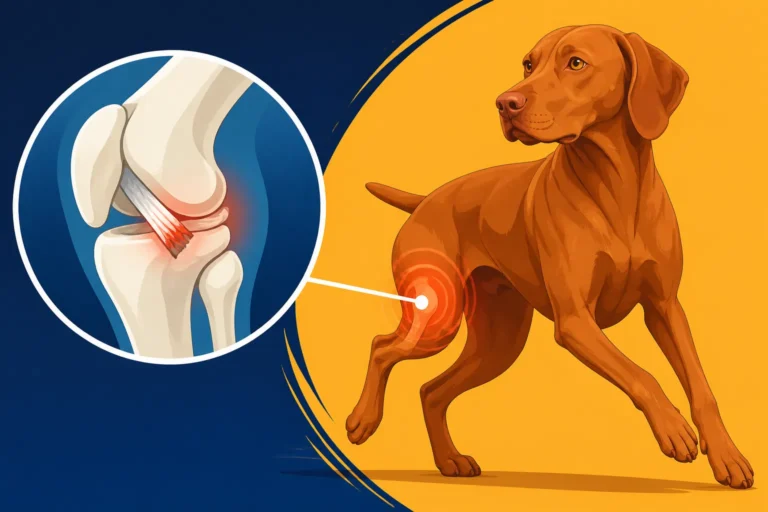
Arthritis, or osteoarthritis, isn't a single event but rather a progressive degeneration of the cartilage that cushions the joints. Think of that cartilage like a natural shock absorber. Over years of high-impact activity – all that running, jumping, and tireless retrieving your Vizsla has loved – this cartilage starts to wear thin. As it breaks down, the bones within the joint begin to rub against each other, leading to inflammation, pain, and the formation of bone spurs, which further reduce mobility and cause discomfort.
Vizslas, with their lean, athletic build and incredible drive, are particularly susceptible. While their lithe bodies make them amazing athletes, those same joints take a tremendous pounding over their lifetime. Genetic predispositions to conditions like hip or elbow dysplasia, even if mild, can accelerate this process, leading to earlier or more severe arthritis. Even a Vizsla with perfect structure will eventually experience some wear and tear. It’s a natural part of aging, but it doesn't mean your dog has to suffer in silence.
Common Signs of Arthritis in a Ten-Year-Old Vizsla
Vizslas are famously stoic. They're built to work, to ignore minor discomforts, and to push through, so recognizing the subtle signs of arthritis can be a real challenge for owners. You might not see overt limping at first, but rather a gradual decline in their usual zest.
One of the most common early indicators is stiffness, particularly after a long nap or getting up in the morning. Your Vizsla might stretch more deliberately, or take a few awkward steps before settling into their stride. You might notice they're hesitant to do things they once loved, like leaping into the car, jumping onto the sofa, or bounding up and down stairs. They might start taking the ramp more often, or even refusing stairs altogether. When they do move, their gait might look a little different – perhaps shorter strides, or a subtle head bob when walking.
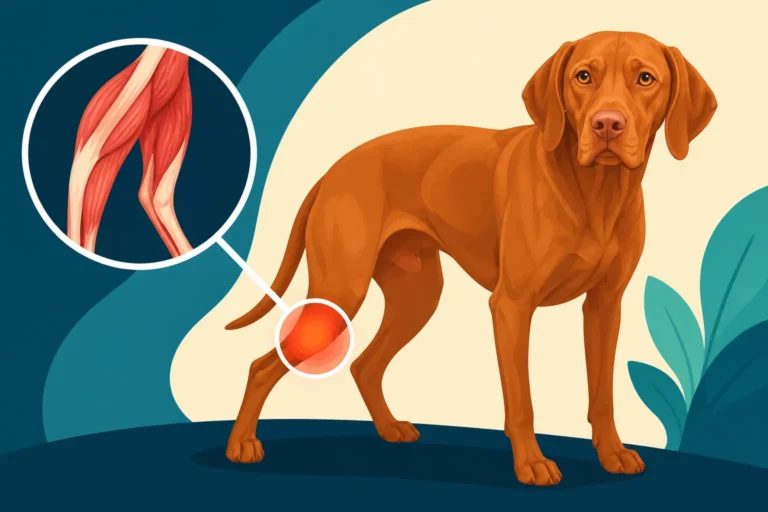
Beyond physical movement, pay attention to behavioral changes. An arthritic Vizsla might be less enthusiastic for walks, play sessions, or even their beloved field work. They might lag behind on hikes, or seek out softer places to lie down. Sometimes, they might start licking or chewing excessively at a particular joint, trying to soothe discomfort. In more advanced cases, you might notice muscle wasting around affected joints, as they guard the area and use the limb less. They might even become a bit grumpier or withdrawn, not because their personality has changed, but because they're in pain. If you've ever wondered if your dog is experiencing discomfort, our guide on "Whether a Vizsla Hides Its Pain" might offer further insight into these subtle cues.
Diagnosing and Managing Arthritis Pain
Once you suspect arthritis, getting a definitive diagnosis and putting a comprehensive management plan in place is crucial. This isn't just about making them comfortable for a day, but about improving their quality of life for the months and years ahead.
Getting a Proper Diagnosis
Your first step should always be a visit to your veterinarian. Don't wait until your Vizsla is clearly struggling; early intervention can make a significant difference in slowing the progression of arthritis and managing pain effectively. Your vet will perform a thorough physical examination, feeling their joints, assessing their range of motion, and watching them walk and move. They'll also ask you detailed questions about the changes you've observed at home.
Often, X-rays are recommended to confirm the diagnosis and assess the severity of the joint changes. X-rays can reveal bone spurs, narrowing of the joint space, or other structural abnormalities. While X-rays don't show the cartilage itself, they provide invaluable information about the underlying bone health and can help rule out other conditions that might mimic arthritis, such as bone tumors or neurological issues. In some cases, blood tests might be run to ensure your Vizsla is healthy enough for certain medications.
Medical Management Strategies
Once arthritis is diagnosed, your vet will discuss a range of medical options. The goal is always to reduce pain and inflammation, thereby improving mobility and comfort.
Non-Steroidal Anti-Inflammatory Drugs (NSAIDs) are a cornerstone of arthritis management. Medications like Carprofen (Rimadyl), Meloxicam (Metacam), or Galliprant are specifically designed for dogs and work to reduce both pain and inflammation. They can be incredibly effective, often leading to a noticeable improvement in your Vizsla's comfort within days. However, NSAIDs do come with potential side effects, particularly affecting the liver, kidneys, and gastrointestinal tract. Your vet will typically recommend regular blood work to monitor these organs, especially when your dog first starts the medication and then periodically throughout their treatment.
For Vizslas with more severe pain, or those who can't tolerate NSAIDs, your vet might add other medications. Gabapentin can be prescribed to help with neuropathic pain (nerve-related pain), and Amantadine can be used as an adjunct pain reliever. There are also newer injectable treatments gaining popularity. Polysulfated Glycosaminoglycans (PSGAGs), such as Adequan Canine, are injections that help protect cartilage and reduce inflammation. More recently, monoclonal antibody injections like Librela have become available, offering monthly pain relief with a different mechanism of action and often fewer systemic side effects than NSAIDs. These newer options can be a game-changer for many arthritic dogs, including your Vizsla. Keeping an old Vizsla's muscle on is vital as they age, and medication can help them stay active enough to maintain it. For more on this, check out our article on "Keeping an Old Vizsla's Muscle On".
The Role of Supplements and Diet
Beyond prescription medications, nutritional support and careful dietary management play a huge role in supporting your arthritic Vizsla.
Joint supplements containing ingredients like glucosamine, chondroitin sulfate, and MSM are often recommended. These compounds are believed to help maintain cartilage health and reduce inflammation. While their efficacy can vary between individual dogs, many owners report positive results. Omega-3 Fatty Acids, particularly EPA and DHA found in fish oil, are powerful natural anti-inflammatories that can significantly reduce joint pain. Look for high-quality fish oil supplements designed for dogs, or consider diets formulated with higher levels of these beneficial fats. Other supplements like green-lipped mussel and turmeric also have anti-inflammatory properties that some owners find helpful.
| Supplement Type | Primary Benefit | How It Helps Your Vizsla |
|---|---|---|
| Glucosamine & Chondroitin | Cartilage repair & protection | Helps maintain existing cartilage, may stimulate new cartilage production, reduces breakdown. |
| Omega-3 Fatty Acids (EPA/DHA) | Anti-inflammatory | Reduces joint inflammation and pain, improves overall coat and skin health. |
| MSM (Methylsulfonylmethane) | Pain relief & anti-inflammatory | Natural analgesic, helps reduce pain signals and inflammation in joints. |
| Green-Lipped Mussel | Broad spectrum anti-inflammatory, joint support | Contains Omega-3s, glycosaminoglycans, and other beneficial compounds for joint health. |
| Turmeric | Anti-inflammatory, antioxidant | Powerful natural anti-inflammatory, can reduce pain and swelling in joints. |
Perhaps most importantly, managing your Vizsla's weight is paramount. Even a few extra pounds put immense strain on already compromised joints. Keeping your Vizsla lean, even as they age, is one of the most impactful things you can do to manage their arthritis. Your vet can help you determine an ideal weight and recommend dietary adjustments. Transitioning to an appropriate senior or joint-support diet can be beneficial. Many of these foods are lower in calories, higher in protein to help maintain muscle mass, and enriched with joint-supporting nutrients. For more tailored advice on what to feed your slowing senior, check out our guide on "Feeding an Old Vizsla That Has Slowed". And if you're exploring proactive measures, consider "Whether a Vizsla Needs Joint Supplements Early".
Regarding costs, an insurance provider like Healthy Paws can be a real lifeline for managing long-term conditions like arthritis, covering a significant portion of prescription medications, supplements, and even physical therapy sessions.
Lifestyle Adjustments for an Arthritic Vizsla
Medical management is only one piece of the puzzle. Adapting your Vizsla's environment and daily routine can make an enormous difference in their comfort, mobility, and overall happiness. These adjustments show them you understand their struggles and are there to support them every step of the way.
Modifying Exercise Routines
The instinct might be to reduce exercise dramatically, but that's often counterproductive. While those long, grueling runs in the field might be a thing of the past, gentle, consistent exercise is vital for an arthritic Vizsla. It helps maintain muscle mass, which supports the joints, and keeps them from becoming stiff.
Instead of one long, intense session, try several shorter, more frequent walks throughout the day. Focus on flat, even surfaces. Leash walks are preferable to off-leash romps in uneven terrain, as they allow you to control the pace and prevent sudden, jarring movements. Swimming is often an excellent low-impact exercise option, as it provides resistance without putting strain on the joints. If you have access to a safe, warm body of water, it can be a fantastic way for your Vizsla to stretch their legs and get some much-needed movement. Avoid activities that involve jumping, tight turns, or sprinting. If your Vizsla is ten, their needs for intense exercise have likely shifted, and our article, "Whether an Old Vizsla Still Needs Two Hours", delves into how their activity requirements change with age. Consistent, gentle movement is key.
Creating a Comfortable Home Environment
Making your home arthritis-friendly can significantly improve your Vizsla's daily life. Start with where they rest. Hard floors can be tough on aching joints. Provide multiple orthopedic dog beds in various rooms – ideally, memory foam beds that contour to their body, offering superior support. For specific recommendations, our guide on "Beds That Suit an Arthritic Vizsla" can be very helpful.
Consider ramps or steps to help them access furniture they still enjoy, like the couch or your bed, and especially for getting in and out of the car. Cover slippery floors with non-slip rugs or runners, particularly in high-traffic areas, to prevent slips and falls that could exacerbate pain. Raised food and water bowls can also make meal times more comfortable, preventing them from having to bend down excessively, which can strain the neck and spine. Vizslas, with their thin coats, are also sensitive to cold, and arthritis can make them feel it even more. Providing a warm, draft-free sleeping area, and even considering a dog coat for outdoor excursions in cooler weather, can make a big difference. You can read more about this in "Whether an Old Vizsla Feels the Cold More".
Physical Therapy and Alternative Treatments
Beyond conventional veterinary care, many alternative therapies and physical rehabilitation techniques offer significant benefits for arthritic Vizslas.
Physical therapy, often overseen by a certified canine rehabilitation therapist (CCRT), can include a range of modalities. Hydrotherapy, which involves controlled exercise in water, is particularly effective. Whether it's walking on an underwater treadmill or swimming in a heated pool, the buoyancy of water reduces stress on joints while allowing for strengthening of muscles. Therapeutic exercises focusing on balance, core strength, and range of motion can be taught to you by the therapist, empowering you to continue exercises at home.
Other complementary therapies gaining popularity include:
- Acupuncture: Involves inserting thin needles into specific points on the body to stimulate natural pain relief and reduce inflammation.
- Laser Therapy (Cold Laser): Uses specific wavelengths of light to promote healing, reduce pain, and decrease inflammation at a cellular level.
- Chiropractic Adjustments: For some dogs, gentle adjustments can improve spinal and joint alignment, reducing discomfort.
- Massage Therapy: Professional canine massage can improve circulation, reduce muscle tension around sore joints, and provide comfort.
When considering these options, always work with your veterinarian to ensure they are safe and appropriate for your Vizsla, and seek out certified professionals for treatment. These therapies, when integrated into a comprehensive plan, can greatly enhance your Vizsla’s mobility and comfort, leading to a much better quality of life. Many pet insurance plans, like those offered by Healthy Paws, recognize the value of these alternative therapies and may help cover their costs, making them more accessible for owners.
Maintaining Quality of Life and Emotional Well-being
Arthritis isn't just a physical ailment; it can profoundly impact your Vizsla's mental and emotional state. As a responsible owner, addressing these aspects is just as important as managing their physical pain.
Recognizing and Addressing Pain Beyond the Obvious
As mentioned earlier, Vizslas are incredibly stoic. They don't always cry out or limp dramatically when they're hurting. Instead, their pain might manifest in more subtle ways, and it’s up to us to be diligent observers. You might notice an increase in panting, especially at rest, or restlessness at night as they struggle to get comfortable. They might start avoiding certain interactions, like not wanting to be petted on a particular area, or showing a brief grimace when trying to shift positions. Some dogs may even experience changes in their house-training habits if it becomes painful to get outside quickly or posture to relieve themselves.
It’s easy for us to rationalize these changes as "just old age," but it’s crucial to remember that pain is often the root cause. Regular check-ups with your vet, even if you think things are stable, are essential for monitoring their condition and adjusting their pain management as needed. Your vet can also help you develop a pain diary to track symptoms, helping to identify patterns or triggers. If you're observing subtle changes, our article on "The Signs a Vizsla Is Getting Old" might provide further clarity on what to look for in your aging companion.
The Mental and Emotional Impact on Your Vizsla
Imagine being an athlete your whole life, full of boundless energy, only to find your body betraying you. That's a bit like what your Vizsla might be experiencing. Their frustration can manifest as boredom, anxiety, or even depression. They might miss the thrill of the chase or the joy of a long hike with you.
To counteract this, focus on providing mental stimulation that doesn't put strain on their joints. Puzzle toys, snuffle mats, and gentle scent games can engage their minds and satisfy their natural Vizsla intelligence without requiring physical exertion. Continue with short, positive training sessions, reinforcing basic commands or teaching new, gentle tricks. Even simply spending quality time together, with lots of gentle petting and praise, can do wonders for their spirits. They still crave your companionship and affection, perhaps even more so when they're not feeling their best. Keeping their spirits up is just as important as keeping their bodies comfortable.
Planning for the Future and End-of-Life Care
As your Vizsla enters their senior years and deals with chronic conditions like arthritis, it's natural to start thinking about their future and, inevitably, end-of-life care. This is perhaps the hardest part of pet ownership, but it’s a conversation worth having with your vet and family well in advance.
Regularly assess your Vizsla's quality of life. Are they still enjoying their food? Do they have more good days than bad? Can they move around comfortably enough to participate in activities they still love, even if modified? Are they able to relieve themselves without significant pain? Open and honest communication with your veterinarian is paramount. They can help you evaluate your Vizsla's condition objectively and discuss options for maintaining comfort as the disease progresses. When the time eventually comes, knowing "Knowing When an Old Vizsla Has Had Enough" is an incredibly difficult but vital part of being a loving owner, and it’s a decision that comes from compassion and selflessness, ensuring your beloved companion doesn't suffer needlessly. While it's a difficult topic, comprehensive pet insurance like Healthy Paws can often provide coverage for palliative care and end-of-life services, easing some of the financial burden during such a sensitive time.
Disclaimer
This article is for general informational purposes only and does not constitute professional advice. Laws, prices and regulations vary by location and change over time. Consult a qualified professional for guidance on your specific situation.