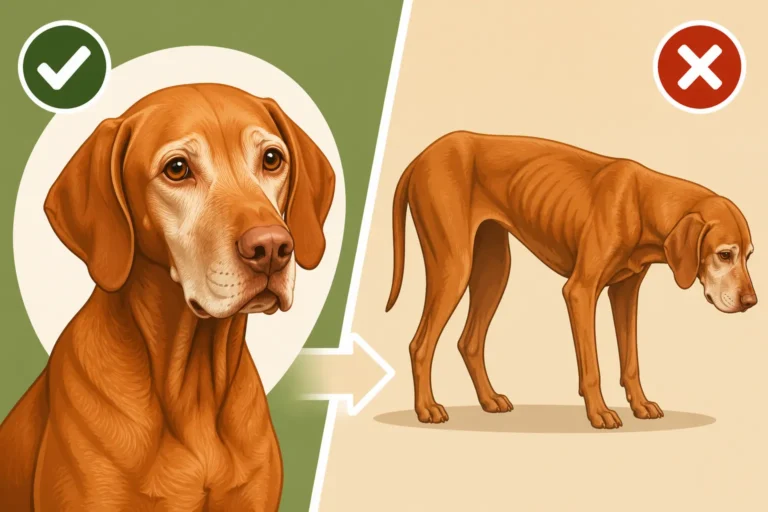
Whether a Vizsla Hides Its Pain
It's a common worry among Vizsla owners: you know your dog is a whirlwind of energy, a tireless hunter, and often, an absolute cuddle bug who seems to thrive on pushing limits. But deep down, many of us wonder if our beloved copper companion would truly let us know if they were hurting. The truth is, Vizslas, like many athletic breeds, can be incredibly stoic, often masking discomfort until a problem is quite advanced. This guide will walk you through the nuanced ways your Vizsla might be telling you they're in pain, helping you become a more astute observer of their well-being.
The Vizsla's Stoic Nature and Why It Matters
Vizslas are renowned for their incredible drive, athleticism, and their strong desire to please. These very qualities, which make them such exceptional hunting partners and devoted family members, can also inadvertently lead them to conceal pain. They are dogs bred to work, to push through discomfort in pursuit of game, and this inherent resilience can make it challenging for owners to detect when something is truly amiss.
Evolutionary Instincts and Pain Suppression
Think about their ancestors in the wild. A visible sign of weakness or injury could make a creature a target for predators. Even though our Vizslas live pampered lives in our homes, these deep-seated instincts remain. A dog showing overt pain might be perceived as vulnerable, even by its pack (your family). So, they learn to "power through" or to minimize outward displays of distress. This isn't about being stubborn; it's a survival mechanism hardwired into their DNA. It means a slight limp might be ignored, or a subtle grimace might only be fleeting, easily missed if you're not looking carefully. Owners who are used to their Vizsla's endless energy might just assume a dip in enthusiasm is a "lazy day," rather than a quiet cry for help.
The Desire to Please and Keep Going
Vizslas are people-pleasers to their core. They thrive on interaction, on being active participants in your life, and on doing whatever you ask of them, especially if it involves running, fetching, or hunting. If performing an activity causes them pain, their instinct might be to push through it anyway because they want to continue engaging with you and fulfilling their "job." This can be particularly true for working Vizslas in the field. A dog with a minor ache might still sprint after a bird, only showing a slight stiffness later, or recovering slower than usual. It’s a heartbreaking testament to their loyalty and drive, but it places a significant burden on us as owners to recognize when their eagerness might be overriding their physical comfort. This is why paying close attention to their recovery after exercise is just as important as watching them during the activity itself.
Subtle Signs of Pain in a Vizsla
Because Vizslas are masters of disguise when it comes to discomfort, you need to become a detective. Their signals are rarely dramatic yelps or obvious lameness until the pain is severe. Instead, look for changes in their normal patterns, no matter how small they seem. These subtle shifts are often the earliest and most reliable indicators of underlying issues, from minor sprains to more serious conditions like Hips and Elbows on a Vizsla That Runs All Day or even the beginnings of The Muscle Disease Named After the Vizsla.
Behavioral Changes That Hint at Discomfort
A Vizsla in pain might not cry out, but they will almost certainly alter their behavior. These changes can be so gradual that they're hard to spot without mindful observation.
Changes in Interaction and Affection
Your "Velcro Vizsla" is known for being glued to your side, often literally. If your typically affectionate Vizsla starts seeking less physical contact, moves away when you try to pet a certain area, or seems less enthusiastic about cuddles, it could be a sign of pain. Conversely, some dogs might become more clingy, seeking comfort, but doing so in a way that suggests they are trying to lean on you for support or reassurance rather than pure affection. You might notice them avoiding jumping onto the sofa or bed, or needing a helping hand to get into the car – these are often early red flags. Pay attention to how they interact with children or other pets; a dog in pain might become less tolerant or even a bit snappish if they anticipate being bumped or hurt.
Altered Play Habits and Exercise Tolerance
Vizslas live for activity. A reduction in their usual zest for life is a major indicator. Are they less eager for their daily run? Do they cut play sessions short? Are they slowing down on walks that they used to power through? Perhaps they're not engaging in intense bursts of speed or jumping as high. A dog that usually loves to play fetch might still retrieve, but perhaps they're not running as fast to get the ball, or they drop it sooner, reluctant to continue the game. For working dogs, this might manifest as a reduced range in the field or difficulty retrieving birds they once easily handled. If your Vizsla is typically a high-energy dog, any sustained decrease in activity levels warrants investigation. Even something as subtle as a slower gait or less spring in their step can signal that they're experiencing discomfort, perhaps from conditions like Arthritis in a Vizsla at Ten or even early signs of a Cruciate Tears in a Working Vizsla.
Restlessness or Difficulty Getting Comfortable
Pain can make it hard to relax. A Vizsla who is normally a champion napper might start shifting positions frequently, struggling to find a comfortable spot to lie down. They might pace more, especially at night, or settle in unusual positions, perhaps favoring one side. You might notice them repeatedly circling their bed before finally lying down, or they might prefer to lie on hard surfaces rather than soft ones if pressure exacerbates their pain. Conversely, some might seek out softer, more supportive beds, indicating joint pain. Observe their sleeping patterns; increased panting, whimpering, or restlessness during sleep can also point to discomfort. Providing comfortable resting spots, like those discussed in Beds That Suit an Arthritic Vizsla, can sometimes offer relief.
Physical Indicators to Watch For
Beyond behavior, subtle physical cues can be invaluable for detecting pain. You'll need to get hands-on and really observe your Vizsla's body.
Posture and Gait Changes
A dog in pain will often try to shift weight away from the painful area. This can lead to subtle changes in how they stand or move. You might notice a slight hunch in their back, a lowered head carriage, or a reluctance to put full weight on a particular limb. Watch them walk from behind and the front: Is their stride even? Do they bob their head when they walk? Do they seem stiffer after resting or first thing in the morning? A short, choppy stride in one leg could indicate an issue. Observe them going up and down stairs or jumping into the car – hesitation or using alternative methods (e.g., jumping from a running start instead of a standstill) are strong signals. These signs are often the first to appear with conditions like Hip Dysplasia in a Vizsla or when Elbow Dysplasia in a Vizsla starts to cause problems.
Grooming Habits and Body Language
Vizslas are generally clean dogs. If you notice an increase in licking, chewing, or biting at a specific body part, it's a huge red flag. This can be an attempt to soothe an area that's painful, itchy, or just feels "wrong." For example, excessive licking of a paw could mean an injury or even a Whether a Vizsla Gets Grass Seeds in Its Feet problem. Also, pay attention to their eyes and ears. Squinting, duller eyes, or ears held back or flattened more often can indicate general discomfort. Their tail, usually a high-flying flag of joy, might be carried lower or tucked between their legs more often. You might also notice muscle tremors or shivering, even when they're not cold, which can be a sign of pain.
Appetite and Thirst Fluctuations
While not always a direct indicator of musculoskeletal pain, changes in appetite or thirst can signal that something is off with your Vizsla's health. A dog in significant pain might be too nauseous or uncomfortable to eat normally. Conversely, some dogs might seek comfort in food, but this is less common with acute pain. Increased thirst could be a sign of many underlying health issues, some of which could be causing discomfort. These changes are often general indicators that a veterinary check-up is needed, especially if combined with other subtle signs. What a Vizsla Needs Every Day for a healthy routine should include consistent eating and drinking habits.
A Quick Glance: Subtle vs. Obvious Pain Indicators
| Category | Subtle Pain Indicators | Obvious Pain Indicators |
|---|---|---|
| Behavioral | Less enthusiasm for play, more clingy OR withdrawn, restlessness, changes in sleeping position, reluctance to jump/climb, slower to recover after exercise. | Yelping, limping clearly, refusal to move, aggressive reaction to touch, severe lethargy. |
| Physical | Shifting weight, altered posture (hunched back, lowered head), excessive licking/chewing a specific spot, dull eyes, ears flattened, muscle tremors, slight stiffness after rest. | Swelling, visible wounds (e.g., Whether a Vizsla Cuts Itself Hunting), audible growling/whimpering, heavy panting without exertion, inability to bear weight. |
| Interaction | Avoids eye contact, moves away from touch, less tolerant of children/other pets, hesitant to engage in usual activities. | Snapping or biting when touched, severe aggression without prior warning. |
Environmental and Lifestyle Factors Affecting Pain Expression
How your Vizsla lives, the environment they're in, and even the weather can all influence how readily they express pain. Understanding these factors can help you interpret their signals more accurately.
The Impact of Activity Levels and Training Regimen
Vizslas are high-energy athletes. If your dog is constantly in motion, whether in the field, on long hikes, or engaging in dog sports, they are more prone to injuries and wear-and-tear conditions. A highly conditioned Vizsla might mask minor aches for longer because their strong musculature and high pain tolerance allow them to compensate effectively. It's often only when the injury becomes significant, or when their conditioning dips due to pain, that the signs become undeniable.
For instance, a dog accustomed to daily vigorous exercise might manage to put weight on a slightly strained muscle for days, whereas a less active dog might show lameness immediately. The pressure to perform in training or competitions can also encourage a Vizsla to push past discomfort. It's crucial for owners to differentiate between a dog genuinely enjoying their work and one that is struggling. After intense activities, always perform a thorough check-over, feeling for heat, swelling, or tenderness. Remember that even young Vizslas can experience growing pains like Whether a Vizsla Gets Panosteitis.
The Role of Home Environment and Routine
A stable home environment with a consistent routine can actually make it easier to spot subtle changes in your Vizsla. If their daily life is predictable, any deviation, however small, becomes more noticeable. For example, if your Vizsla always greets you at the door with a full body wag, but suddenly starts doing so from a sitting position or with less tail action, it's a cue that something might be wrong.
However, a chaotic or highly stimulating environment can sometimes mask pain signals. If there's always a lot of excitement, noise, or activity, a dog's subtle wince or hesitant movement might be overlooked amidst the hubbub. Furthermore, if a Vizsla lives in a home where they don't get enough rest or have comfortable places to recover, minor aches can become exacerbated, and their ability to cope with pain might diminish. Ensure your Vizsla has a quiet, warm place to rest and recover, especially important for older dogs, as highlighted in Why a Vizsla Needs Somewhere Warm to Sleep.
Age and Health Status Considerations
A Vizsla's age plays a significant role in how they might express pain. Younger Vizslas, with their boundless energy, might push through pain, only showing signs when an injury is acute or severe. However, as Vizslas age, like humans, they become more susceptible to conditions like arthritis and other degenerative joint diseases. An older Vizsla might develop a more chronic, low-grade pain that they've learned to live with. Their symptoms might be a general slowing down, stiffness after rest, or a reluctance to engage in activities they once loved.
For these senior dogs, it's particularly important to remember The Old Vizsla That Still Wants to Hunt might still have the spirit, but their body may be telling a different story. Regular veterinary check-ups are paramount as they age to catch issues early. Underlying health conditions, such as autoimmune diseases or thyroid issues, can also impact a Vizsla's general well-being and pain threshold, making them more sensitive or less resilient to discomfort. For instance, sometimes Thyroid Failure in a Vizsla can lead to general lethargy and muscle weakness, which might be mistaken for pain.
Proactive Steps for Recognizing and Managing Pain
As Vizsla owners, our responsibility extends beyond providing food and exercise; it includes being vigilant advocates for their health. Since they're so good at hiding pain, you need to be proactive in your approach to their well-being.
Establishing a Baseline and Regular Health Checks
The absolute best way to spot subtle signs of pain is to know your Vizsla's "normal" inside and out. Spend time observing them closely when they're healthy and happy. How do they usually move? How do they lie down and get up? What's their typical appetite, thirst, and energy level? Once you have this baseline, any deviation becomes a potential red flag.
Make it a habit to perform your own mini-health check regularly. This isn't just a quick pat; it's a mindful examination of their body:
- Run your hands over their entire body: Feel for any lumps, bumps, swelling, heat, or areas of tenderness.
- Gently manipulate their limbs: Check their range of motion in their hips, knees, elbows, and shoulders. Do they resist or seem stiff?
- Examine their paws: Look between their toes for foreign objects, cracks, or irritation.
- Look in their mouth and ears: Check for redness, discharge, or bad odor.
- Watch them move: Observe their gait at different speeds, up and down stairs, and getting in and out of the car.
If you find anything unusual or if your Vizsla reacts negatively to your touch in a specific area, it's time to contact your veterinarian. Early detection is key, especially for conditions that can become chronic, like those mentioned in Keeping an Old Vizsla's Muscle On where pain can lead to muscle wastage.
When to Seek Veterinary Advice
Never hesitate to contact your vet if you suspect your Vizsla is in pain, even if the signs are subtle. It’s always better to be overly cautious. Be prepared to describe the specific changes you've observed, how long they've been occurring, and any patterns you've noticed. Your vet might recommend a thorough physical examination, diagnostic imaging (X-rays, ultrasound, MRI), or blood work as discussed in Whether a Vizsla Needs a Yearly Blood Panel to pinpoint the cause of the discomfort.
Don't be afraid to push for answers if you feel your concerns aren't being fully addressed. Sometimes, a "wait and see" approach is appropriate, but other times, quick action is vital. Consider pet insurance providers like Healthy Paws, which can help alleviate the financial stress of diagnostic tests and treatments for unexpected injuries or chronic conditions. Knowing you have support for potential vet bills can empower you to seek professional help sooner rather than later.
Supportive Care and Pain Management Strategies
Once a diagnosis is made, your vet will work with you to create a pain management plan. This might involve a combination of approaches:
Medication
Depending on the cause and severity of the pain, your vet might prescribe anti-inflammatory drugs (NSAIDs), pain relievers, or other medications to help manage discomfort. Always follow your vet's instructions carefully regarding dosage and administration.
Physical Therapy and Rehabilitation
For many musculoskeletal issues, physical therapy can be incredibly beneficial. This might include hydrotherapy, therapeutic exercises, massage, or even acupuncture. These treatments can help reduce pain, improve mobility, strengthen muscles, and speed recovery, particularly after injuries or surgeries.
Environmental Adjustments
Making simple changes at home can significantly improve your Vizsla's comfort. This could mean ramps to get into cars or onto furniture, non-slip rugs on slick floors, or orthopedic beds. Ensure their sleeping areas are warm and draft-free, especially for older or arthritic dogs.
Nutritional Support and Supplements
A balanced diet is always important. Your vet might recommend specific joint supplements, such as glucosamine, chondroitin, or omega-3 fatty acids, to support joint health, especially if your Vizsla is prone to conditions like arthritis. We discussed Whether Joint Supplements Help a Vizsla in a previous post, highlighting their benefits for active and aging dogs. When considering any supplements, always consult your veterinarian first to ensure they are appropriate for your dog's specific needs and won't interact negatively with any other medications. Insurance providers like Healthy Paws typically do not cover preventative supplements but focus on diagnostics and treatments for actual illnesses and injuries.
By understanding the Vizsla's propensity to hide pain, staying observant of their subtle cues, and acting quickly when you suspect something is wrong, you can ensure your beloved companion lives a long, comfortable, and happy life.
Disclaimer
The information provided in this article is for general informational purposes only and is not a substitute for professional veterinary advice. Always consult with a qualified veterinarian regarding any medical condition or health concerns your Vizsla may have.