Cruciate Tears in a Working Vizsla
It's heartbreaking to see your usually indefatigable Vizsla suddenly favoring a leg, hesitant to jump, or even refusing to put weight down. For owners of these energetic, driven dogs, especially those who hunt or compete, a sudden lameness can feel like a punch to the gut. Cruciate ligament tears are a devastating reality for many active dogs, often bringing their working careers to an abrupt halt and casting a shadow of uncertainty over their future mobility. This comprehensive guide is here to shed light on cruciate tears in working Vizslas, covering everything from understanding the injury and recognizing symptoms to navigating diagnosis, treatment options, and crucial rehabilitation for getting your beloved companion back on their feet and, hopefully, back to the field.
Understanding the Canine Cruciate Ligament and Its Role
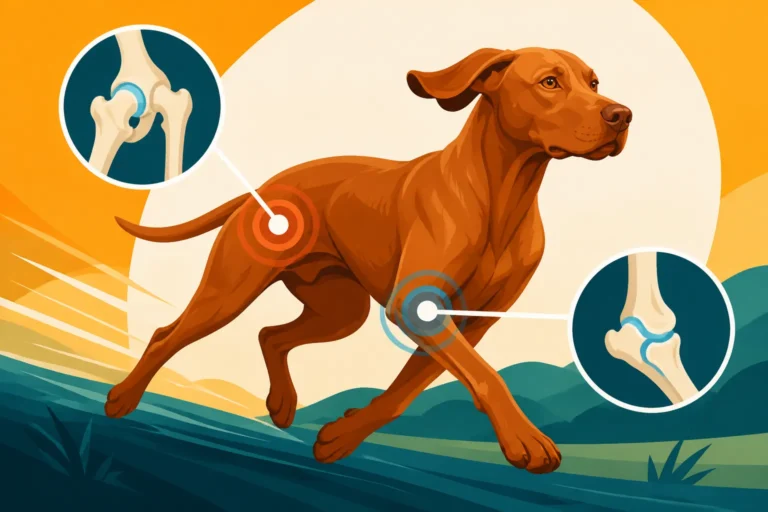
The canine knee, or stifle joint, is a marvel of engineering, allowing for incredible agility, speed, and power – all traits we cherish in our Vizslas. However, this complex joint is also prone to significant injury, particularly involving the cranial cruciate ligament (CCL), often simply called the cruciate ligament. When this ligament tears, it leads to instability and pain, severely impacting a dog's ability to move.
Anatomy of the Stifle Joint
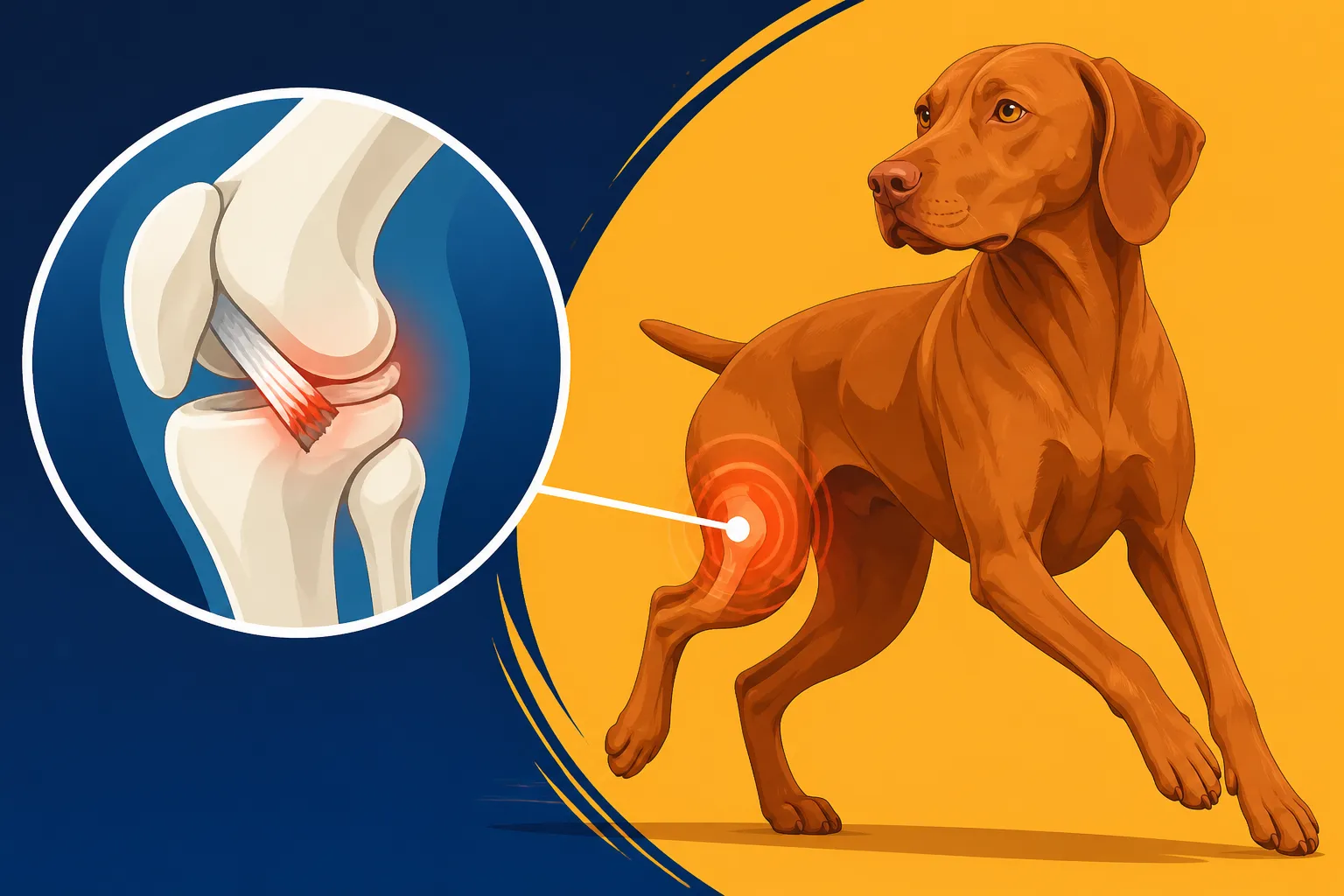
To truly grasp the impact of a cruciate tear, it helps to visualize the stifle joint. Imagine your dog's knee as a hinge, connecting the femur (thigh bone) to the tibia (shin bone). Within this hinge, two crucial ligaments crisscross, forming an "X" shape. These are the cranial cruciate ligament (CCL) and the caudal cruciate ligament. The cranial cruciate ligament is the primary stabilizer of the knee, preventing the tibia from sliding forward excessively relative to the femur and limiting internal rotation of the tibia. Think of it as a strong rope that keeps everything aligned.
Surrounding these ligaments are menisci (crescent-shaped cartilage pads that act as shock absorbers), joint capsule, and various muscles and tendons, all working in concert to provide stability and smooth movement. When the CCL is compromised, this intricate system fails, leading to friction, pain, and degenerative changes in the joint over time. It’s not just a simple sprain; it’s a foundational structural failure that can have long-lasting consequences if not addressed properly.
Why Vizslas are Prone to Cruciate Tears
Vizslas are renowned for their athleticism, boundless energy, and incredible drive. They are built for speed, endurance, and agility, excelling in field work, dog sports, and active family life. Unfortunately, these very qualities can make them more susceptible to cruciate injuries. Their propensity for sudden stops, rapid changes in direction, jumping, and hard landings, especially during intense hunting or agility sessions, puts immense strain on their knee joints.
Unlike humans, whose ACL tears often result from a single, traumatic event, canine CCL tears are frequently degenerative. This means the ligament weakens over time, fraying bit by bit, until a seemingly minor twist or jump causes it to rupture completely. This slow, insidious degeneration can be exacerbated by factors like genetics, conformation (how the bones align), and chronic inflammation. While we want our Vizslas to chase every bird and conquer every obstacle, we also need to be acutely aware of the biomechanical stresses this places on their joints. Understanding that "wearing out" can happen, even to a young, fit dog, is crucial. You might also be interested in learning about other common joint issues like Hips and Elbows on a Vizsla That Runs All Day].
Recognizing the Signs of a Cruciate Tear in an Active Vizsla
Spotting a cruciate tear in an active Vizsla can sometimes be tricky because these dogs are incredibly stoic and often try to "work through" discomfort. They don't want to miss a beat, whether it's retrieving a bird or joining you for a run. However, paying close attention to subtle changes in their gait and behavior is critical.
Subtle vs. Acute Lameness
A complete rupture of the cranial cruciate ligament often presents as acute, non-weight-bearing lameness. Your Vizsla might suddenly yelp, stop dead in their tracks, and hold their leg up, refusing to put any weight on it. This is a clear, unmistakable sign of a serious injury requiring immediate veterinary attention. The knee will likely swell, and your dog will be visibly distressed.
However, many Vizslas experience partial tears or chronic degeneration that leads to lameness that waxes and wanes. You might notice a slight limp after a vigorous activity session, which then improves with rest, only to return the next day. This "on-and-off" lameness can progress over weeks or months. Your dog might be reluctant to put full weight on the affected leg, especially after lying down or during turns. They might perform a "toe-touch" where they barely graze the ground with their paw, or they might adopt a "sit-on-the-side" posture, avoiding bending the painful knee squarely underneath them. These subtle signs are often the first indication that something isn't quite right with their stifle joint. Don't dismiss them; they could be early warnings of a more significant underlying problem.
Behavioral Changes and Pain
Beyond the visible limp, a Vizsla suffering from a cruciate tear will often exhibit changes in their usual behavior. Their high drive might lead them to push through the pain initially, but fatigue or worsening injury will eventually lead to noticeable shifts. They might become reluctant to engage in activities they once loved, such as jumping into the car, chasing a ball, or navigating stairs. A working Vizsla might show decreased enthusiasm in the field, struggle with retrieves, or seem less agile than usual.
You might observe them licking or chewing at their knee joint, a common self-soothing behavior in response to pain. They might also become more irritable or withdrawn, especially if the pain is chronic. What might appear as a temporary slowing down or a fleeting mood change could actually be your dog's way of communicating significant discomfort. Because Vizslas are so devoted and eager to please, they often hide pain until it becomes unbearable. It’s up to us, as their vigilant owners, to observe these nuanced cues. If your Vizsla is limping, it’s worth investigating, as suggested in our guide on Whether a Limping Vizsla Has a Cruciate Tear].
Diagnosing a Cruciate Tear and Assessing Severity
When you suspect a cruciate tear, getting an accurate diagnosis is paramount. This isn't an injury where a "wait and see" approach is advisable, especially with an active working dog. Early and correct diagnosis dictates the best course of action and significantly impacts recovery.
Veterinary Examination
The initial step in diagnosing a cruciate tear involves a thorough physical examination by your veterinarian. They will observe your Vizsla's gait, range of motion in the stifle joint, and palpate for swelling, pain, or instability. The two hallmark tests for CCL rupture are the cranial drawer test and the tibial compression test.
- Cranial Drawer Test: With the dog often gently sedated for muscle relaxation, the vet will attempt to manually slide the tibia forward relative to the femur, much like opening a drawer. If the CCL is torn, there will be abnormal "drawer motion" because the ligament is no longer preventing this forward movement.
- Tibial Compression Test: The vet will hold the femur with one hand and flex the ankle (hock) joint with the other. If the CCL is torn, the tibia will move forward, indicating instability.
A skilled veterinarian can often diagnose a complete CCL tear with these tests alone. However, partial tears can be more challenging to detect, as some fibers of the ligament may still provide a degree of stability. In such cases, further diagnostics might be necessary.
Imaging Techniques
While physical examination is often sufficient for a definitive diagnosis of a complete tear, imaging techniques play a crucial role, especially for partial tears, to assess secondary changes, or to rule out other issues.
- Radiographs (X-rays): X-rays won't show the ligament itself, as ligaments are soft tissue. However, they are invaluable for assessing secondary signs of cruciate disease, such as joint effusion (fluid buildup), early osteoarthritis (bone spurs, joint space narrowing), or displacement of bones that indicate instability. X-rays can also help rule out other orthopedic conditions that might cause similar lameness, such as bone tumors or fractures. They provide a static picture, so the degree of instability might not be fully appreciated without dynamic stress views.
- MRI (Magnetic Resonance Imaging): MRI offers a much more detailed view of soft tissues, including the cruciate ligament, menisci, and joint capsule. It's excellent for diagnosing partial tears, meniscal injuries, and other subtle soft tissue damage that X-rays might miss. However, MRIs are expensive and often require general anesthesia, making them less common as a first-line diagnostic for straightforward complete CCL tears. They are typically reserved for complex cases, especially when surgical planning requires maximal detail or when a diagnosis remains elusive.
- Arthroscopy: This is a minimally invasive surgical procedure where a tiny camera is inserted into the joint. It allows the veterinary surgeon to directly visualize the cruciate ligament, menisci, and joint surfaces. Arthroscopy is considered the gold standard for definitively diagnosing partial tears and meniscal injuries and can often be performed at the same time as surgical repair. It provides a real-time, high-definition view inside the joint, allowing for precise assessment and intervention.
The combination of a thorough physical exam and appropriate imaging helps to confirm the diagnosis, determine the extent of the damage, and guide the most effective treatment plan for your Vizsla.
Treatment Options for a Working Vizsla's Cruciate Injury
Once a cruciate tear is diagnosed, deciding on the best course of treatment is the next critical step. For a working Vizsla, the goal is often to restore as much function, stability, and pain-free mobility as possible to allow them to return to their active lifestyle, whether that's hunting, competing, or just enjoying strenuous hikes.
Surgical Interventions
Surgery is almost always recommended for working and active Vizslas with cruciate ligament tears. Without surgical stabilization, the knee remains unstable, leading to progressive osteoarthritis, chronic pain, and often, injury to the menisci. Several surgical techniques exist, each with its own advantages and considerations.
- Tibial Plateau Leveling Osteotomy (TPLO): This is one of the most common and highly successful procedures for CCL repair, particularly in larger, active dogs like Vizslas. TPLO changes the biomechanics of the stifle joint. Instead of replacing the torn ligament, the surgeon cuts and rotates the top part of the tibia (the tibial plateau) so that it slopes backward. This effectively neutralizes the forward thrust of the femur on the tibia when the dog bears weight, making the torn CCL less critical for stability. The bone is then secured in its new position with a bone plate and screws.
- Pros: Excellent long-term stability, rapid return to weight-bearing, high success rates for active dogs, and generally good outcomes even for larger, more athletic breeds.
- Cons: More invasive bone cut, higher cost, potential for complications like infection or implant issues, and a longer recovery period requiring strict confinement.
- Tibial Tuberosity Advancement (TTA): Similar to TPLO, TTA also alters the biomechanics of the knee joint. In this procedure, the front part of the tibia (tibial tuberosity) is cut and advanced forward, changing the angle of the patellar tendon. This repositions the tendon so that it counteracts the cranial drawer motion. A cage and plate are used to hold the bone in its new position.
- Pros: Can offer faster initial recovery in some cases, less invasive bone cut than TPLO, also yields excellent stability.
- Cons: May not be suitable for all stifle conformations, potential for complications, also requires strict post-operative care.
- Lateral Suture (Extracapsular Repair): This is a traditional technique often used for smaller, less active dogs, or sometimes as a more affordable option for larger dogs. It involves placing a strong suture material outside the joint capsule, mimicking the function of the torn CCL and providing external stability. The suture usually runs from a small bone on the side of the femur to a hole drilled in the tibia.
- Pros: Less invasive than bone-cutting procedures, lower cost.
- Cons: May not provide the same long-term stability for very active or larger dogs, especially Vizslas. The suture can stretch or break, and it relies more on scar tissue formation for long-term stability. It may not hold up as well to the rigorous demands of a working Vizsla.
The choice of surgical procedure will depend on several factors, including your Vizsla's size, age, activity level, stifle conformation, the extent of the tear, and the surgeon's preference and expertise. A board-certified veterinary surgeon, particularly one experienced with sporting breeds, can provide the best recommendation. It's worth noting that What Cruciate Surgery Costs a Vizsla Owner] can be substantial, making pet insurance, such as through Healthy Paws, a valuable consideration.
Conservative Management
Conservative management, involving rest, medication, and physical therapy without surgery, is generally not recommended for working or highly active Vizslas with complete cruciate tears. The inherent instability in the joint will likely lead to chronic pain, significant lameness, and rapid progression of osteoarthritis, severely compromising their quality of life and ability to perform.
However, conservative management might be considered in very specific circumstances:
- For very small, sedentary dogs: Which a Vizsla is not.
- For dogs with partial tears: In some cases of minor partial tears, strict rest, anti-inflammatory medication, and a controlled rehabilitation program might allow the ligament to heal sufficiently. However, even with partial tears, surgery is often recommended for active dogs to prevent further damage and ensure long-term stability.
- When surgery is not an option: If a dog has severe concurrent health issues that make anesthesia too risky, or if financial constraints absolutely prevent surgery, conservative management may be the only choice. In these situations, the goal shifts from full recovery to pain management and maximizing comfort. This would involve strict activity restriction, weight management, anti-inflammatory drugs, joint supplements (like those mentioned in Whether Joint Supplements Help a Vizsla]), and potentially bracing.
It's important to have a frank discussion with your veterinarian about the realistic outcomes of conservative management for your particular Vizsla. For a dog bred and built for activity, conservative management of a full cruciate tear will almost certainly mean the end of their working career and a significantly reduced quality of life compared to surgical repair.
Post-Operative Care and Rehabilitation for a Full Recovery
Surgery is only the first step in the journey back to health for a Vizsla with a cruciate tear. The success of the procedure, and indeed your Vizsla's ability to return to a high level of activity, hinges heavily on meticulous post-operative care and a dedicated rehabilitation program. This phase requires immense patience and commitment from the owner.
Strict Rest and Activity Restriction
The initial weeks following cruciate surgery are the most critical. Your Vizsla will need strict confinement to a crate or a small, enclosed space, with no jumping, running, or uncontrolled play allowed. This means leash walks only for bathroom breaks, and often with support from a sling for the first few days or weeks, depending on the surgeon's instructions. Even small, seemingly innocuous movements can jeopardize the healing surgical site.
This period of strict rest can be incredibly challenging for a high-energy Vizsla. They are naturally curious, active, and want to be involved in everything. Keeping them calm and quiet will test your resolve. Mental stimulation through puzzle toys, chew bones, and short, gentle training sessions (focusing on calm behaviors) can help prevent boredom and frustration. Monitoring the incision site for any signs of infection (redness, swelling, discharge) is also crucial. Medications for pain and inflammation will be prescribed and must be administered diligently. While it feels counterintuitive to limit an active dog so much, this restraint is absolutely essential for the bone and tissues to heal properly and for the joint to stabilize.
Physical Therapy and Hydrotherapy
Once the initial healing phase has passed (typically 4-8 weeks post-op, depending on the surgery and individual dog), the real work of rehabilitation begins. Physical therapy, often guided by a certified canine rehabilitation therapist, is vital for restoring strength, flexibility, balance, and proprioception (awareness of body position) to the injured leg.
A comprehensive rehab program will typically include:
- Therapeutic exercises: These might start with passive range of motion (PROM) exercises, where you gently move your dog's joint, progressing to active exercises like controlled walks, balance exercises (e.g., on a wobble board), core strengthening, and specific muscle-building routines.
- Hydrotherapy: Underwater treadmill sessions or swimming are incredibly beneficial. The buoyancy of the water reduces weight-bearing stress on the healing joint while allowing your Vizsla to move their leg through a full range of motion and build muscle mass without impact. It's often less painful and more motivating for dogs than land-based exercises in the early stages.
- Massage and manual therapies: These can help improve circulation, reduce muscle spasms, and address any compensatory muscle tightness that develops from limping.
- Therapeutic modalities: Laser therapy, therapeutic ultrasound, or electrical stimulation might be used to reduce pain and inflammation and promote tissue healing.
The rehabilitation process can take several months, often 4-6 months, and sometimes up to a year, to achieve full recovery and a safe return to previous activity levels. It's a gradual, carefully planned progression. Pushing too hard, too fast, risks re-injury. The goal is to rebuild muscle, regain confidence, and ensure the joint is robust enough to withstand the demands of a working Vizsla's life. Many owners wonder Whether a Vizsla Returns to the Field After Surgery], and with diligent rehab, many do, though their pace and intensity may need to be managed.
Preventing Cruciate Tears in Highly Active Vizslas
While some cruciate tears are unavoidable due to genetics or unpredictable accidents, there are many proactive steps Vizsla owners can take to minimize the risk, especially for dogs engaged in demanding activities. Prevention is always better than cure, saving your Vizsla from pain and you from significant veterinary bills.
Conditioning and Warm-up Routines
Just like human athletes, Vizslas need proper conditioning and warm-up routines to prepare their bodies for strenuous activity. Diving straight into an intense hunt or a fast-paced agility course without preparation is asking for trouble.
- Year-round conditioning: Maintain a consistent exercise routine that builds strength, endurance, and flexibility. Avoid being a "weekend warrior" where your dog is sedentary all week and then performs extreme activity on Saturday. Gradual increases in duration and intensity of exercise are key. This is why understanding The Two Hours a Vizsla Needs Before It Will Settle] after intense exercise, or How Far a Vizsla Should Run Daily], is so important for their long-term health.
- Warm-up: Before any intense activity, engage in a 5-10 minute warm-up. This could include a brisk walk, gentle trots, and dynamic stretches. A proper warm-up increases blood flow to muscles and ligaments, improving their elasticity and reducing the risk of tears.
- Cool-down: After activity, a 5-10 minute cool-down walk and static stretches (gentle, sustained stretches) can help reduce muscle soreness and improve flexibility.
Incorporating varied terrains and exercises that build different muscle groups can also help. Think about controlled hill work, swimming (great low-impact exercise), or structured play that minimizes sudden twists and turns on slick surfaces.
Weight Management and Nutrition
Keeping your Vizsla at a lean, healthy weight is one of the most impactful things you can do for their joint health. Every extra pound significantly increases the stress on their joints, including the knees, making them more susceptible to injury and accelerating the progression of arthritis if an injury occurs.
- Ideal body condition: You should be able to easily feel your Vizsla's ribs without seeing them prominently, and they should have a visible waist tuck. Consult your veterinarian to determine the ideal body condition score for your individual dog.
- Balanced nutrition: Feed a high-quality diet appropriate for their age, activity level, and breed. Look for foods that support joint health, often containing omega-3 fatty acids, glucosamine, and chondroitin. While these supplements aren't a cure-all, they can provide building blocks for healthy cartilage and reduce inflammation. Some active Vizslas might benefit from a performance formula during hunting season, as discussed in Keeping Weight on a Vizsla That Burns Everything].
- Avoid overfeeding: Be mindful of treats and table scraps, which can quickly add unwanted calories.
- Joint supplements: For a working Vizsla, proactive use of joint supplements containing glucosamine, chondroitin, MSM, and omega-3 fatty acids can be beneficial. These ingredients help maintain cartilage health and reduce inflammation, offering an extra layer of protection for hardworking joints. Discuss appropriate dosages and products with your vet.
Genetic Predisposition and Responsible Breeding
Unfortunately, genetics can play a role in a Vizsla's predisposition to cruciate tears. While not a single gene, certain inherited traits like stifle conformation (the angle of the tibial plateau, for example) can increase risk.
- Responsible breeders: When acquiring a Vizsla puppy, choose a reputable breeder who screens their breeding dogs for orthopedic health issues, including hip and elbow dysplasia, and has a strong understanding of the health history of their lines. While there isn't a specific genetic test for CCL susceptibility, breeders who prioritize overall structural soundness and longevity in their dogs are less likely to produce offspring with inherent joint weaknesses. Knowing about The Health Tests Both Vizsla Parents Should Have] is vital for prospective owners.
- Avoiding breeding affected dogs: Dogs that have suffered from non-traumatic cruciate tears, especially at a young age, should generally not be used for breeding, as they may pass on conformational predispositions or other genetic factors that contribute to the condition.
- Early intervention: For active Vizslas, understanding that Whether a Working Vizsla Wears Its Joints Out] is a real concern means that vigilant observation and proactive care are essential throughout their entire lifespan, which for many Vizslas can be The Twelve to Fourteen Years a Vizsla Lives].
By diligently focusing on proper conditioning, maintaining an ideal weight, and making informed choices when selecting a puppy, Vizsla owners can significantly reduce the likelihood of their beloved companions suffering from this debilitating injury. Remember, regular veterinary check-ups are also crucial for early detection of any subtle joint issues.
Living with a Vizsla After a Cruciate Tear
Successfully navigating a cruciate tear and surgery with your Vizsla is a monumental effort, but the journey doesn't end when they're discharged from rehab. The goal is to return your dog to a full, active life, but this often requires ongoing management and adjustments. For a working Vizsla, this means carefully considering their future in the field.
Long-Term Management and Activity Adjustment
Even after a successful surgery and rehabilitation, the affected knee will never be exactly the same. The primary goal is to maintain stability, minimize the progression of osteoarthritis, and manage any residual pain or stiffness.
- Ongoing joint support: Most Vizslas who have undergone cruciate surgery will benefit from lifelong joint supplements. These can include glucosamine, chondroitin, MSM, and omega-3 fatty acids, which help support cartilage health and reduce inflammation. Discuss the best options and dosages with your veterinarian or rehabilitation specialist.
- Controlled exercise: While your Vizsla can return to activity, it's often wise to manage the intensity and duration, especially in the long term. This doesn't mean no more hunting or running, but perhaps avoiding excessive high-impact activities like repeated hard jumps or sudden, sharp turns on slick surfaces. Incorporate more varied activities, such as swimming or long hikes, which are excellent for conditioning without extreme joint impact. Regularly assess how your Vizsla is moving and adjust activity accordingly.
- Weight management: Maintaining an ideal body weight remains paramount. Every extra pound puts additional stress on the knee, accelerating wear and tear. Regular monitoring of their body condition is critical.
- Regular veterinary check-ups: Even years after surgery, regular vet visits are important to monitor the joint, assess for any signs of worsening arthritis, and adjust pain management strategies if needed. Your vet might recommend periodic X-rays to track the progression of osteoarthritis.
Many Vizslas, with proper care, go on to enjoy many more active years, even returning to the field. For some, a slight adjustment to their working schedule or intensity might be needed, but the joy they derive from their innate drive is still accessible.
Managing Osteoarthritis and Secondary Issues
Unfortunately, once a cruciate ligament has torn, some degree of osteoarthritis (OA) in the joint is almost inevitable. The instability from the original injury, even if corrected surgically, initiates a cascade of degenerative changes. Managing this OA becomes a key aspect of long-term care.
- Pain management: As OA progresses, some Vizslas may experience chronic pain. Your vet might prescribe NSAIDs (non-steroidal anti-inflammatory drugs) for long-term use, or other pain medications as needed. Alternatives like acupuncture or cold laser therapy can also be beneficial in managing pain and inflammation.
- Physical therapy reinforcement: Continuing some elements of physical therapy, such as range of motion exercises or controlled strengthening, can help maintain joint health and muscle mass.
- Meniscal tears: The menisci, the C-shaped cartilage pads in the knee, are frequently damaged when the CCL tears, or can tear later due to the altered biomechanics. If a meniscal tear is present, it's usually addressed during the initial surgery, but new tears can occur. Watch for sudden worsening of lameness or a "clicking" sound in the joint, which can indicate a meniscal issue.
- Injury to the other knee: It is a sobering fact that many dogs who tear one CCL will eventually tear the other. Studies show a significant percentage of dogs will experience a contralateral CCL tear within 1-2 years. This is thought to be due to underlying genetic predispositions, as well as the increased strain placed on the "good" leg as it compensates for the injured one. Be vigilant for any signs of lameness in the previously unaffected limb. This is another reason why comprehensive pet insurance, like the plans offered by Healthy Paws, can be a literal lifesaver, covering potential second surgeries.
Living with a Vizsla who has experienced a cruciate tear means becoming an expert in their comfort, mobility, and overall joint health. It's a lifelong commitment to their well-being, but the resilience and spirit of these dogs make every effort worthwhile. Seeing an Old Vizsla That Still Wants to Hunt] is a testament to the power of dedicated care and good veterinary medicine, even after major injuries.
| Surgical Option | Description | Recovery Time (Active Vizsla) | Suitability for Working Vizsla | Cost Considerations |
|---|---|---|---|---|
| TPLO | Tibial plateau cut & rotated, stabilized with plate. Changes knee biomechanics. | 4-6 months to full activity, strict confinement 6-8 weeks. | Excellent stability, high success rate for return to high activity. | High |
| TTA | Tibial tuberosity advanced forward, stabilized with cage/plate. Changes patellar tendon angle. | 3-5 months to full activity, strict confinement 4-6 weeks. | Excellent stability, good success rate for return to high activity. | High |
| Lateral Suture | Strong suture placed outside joint to mimic CCL. Relies on scar tissue for stability. | 6-8 months, strict confinement 6-8 weeks. | Less suitable for long-term stability in high-drive working dogs; higher re-tear risk. | Moderate |
Disclaimer
The information provided in this guide is for general informational purposes only and does not constitute veterinary advice. Always consult with a qualified veterinarian for any health concerns or before making any decisions related to your Vizsla's health and treatment.