Whether a Vizsla Loses Hair on Its Head and Ears
It's incredibly disheartening when you notice your beloved Vizsla, with their typically sleek and glorious coat, starting to thin or develop bald patches, especially on sensitive areas like their head and ears. As a Vizsla owner, you're used to their fine, short hair, but seeing actual hair loss can be alarming, making you wonder if something serious is amiss. This comprehensive guide is here to shed light on why your Vizsla might be losing hair on their head and ears, helping you understand the common culprits and what steps you can take to get them back to their healthy, golden-rust best.
Understanding Normal Vizsla Shedding vs. Hair Loss
Before we dive into potential problems, it’s important to distinguish between normal shedding and actual hair loss. Vizslas are known for their beautiful, low-maintenance coats, but that doesn't mean they don't shed.
The Vizsla's Unique Coat and Why It Matters for Shedding
Vizslas possess a single, short, dense, and smooth coat that's often described as a "self-cleaning" marvel. Unlike double-coated breeds that "blow coat" seasonally, your Vizsla sheds consistently year-round. You might not see tumbleweeds of fur, but you'll certainly find those fine, short, prickly hairs embedded in your upholstery and clothing. This continuous shedding is completely normal. The hair on their head and ears is particularly fine and sparse, so a little bit of thinning might not always be a cause for panic.
However, the nature of their single coat also means they have less insulation, making them susceptible to the elements and also more prone to showing skin issues directly. There's no thick undercoat to hide problems, which can be both a blessing (easier to spot issues) and a curse (issues are more visible and potentially more irritating for the dog).
When Normal Shedding Becomes Concerning
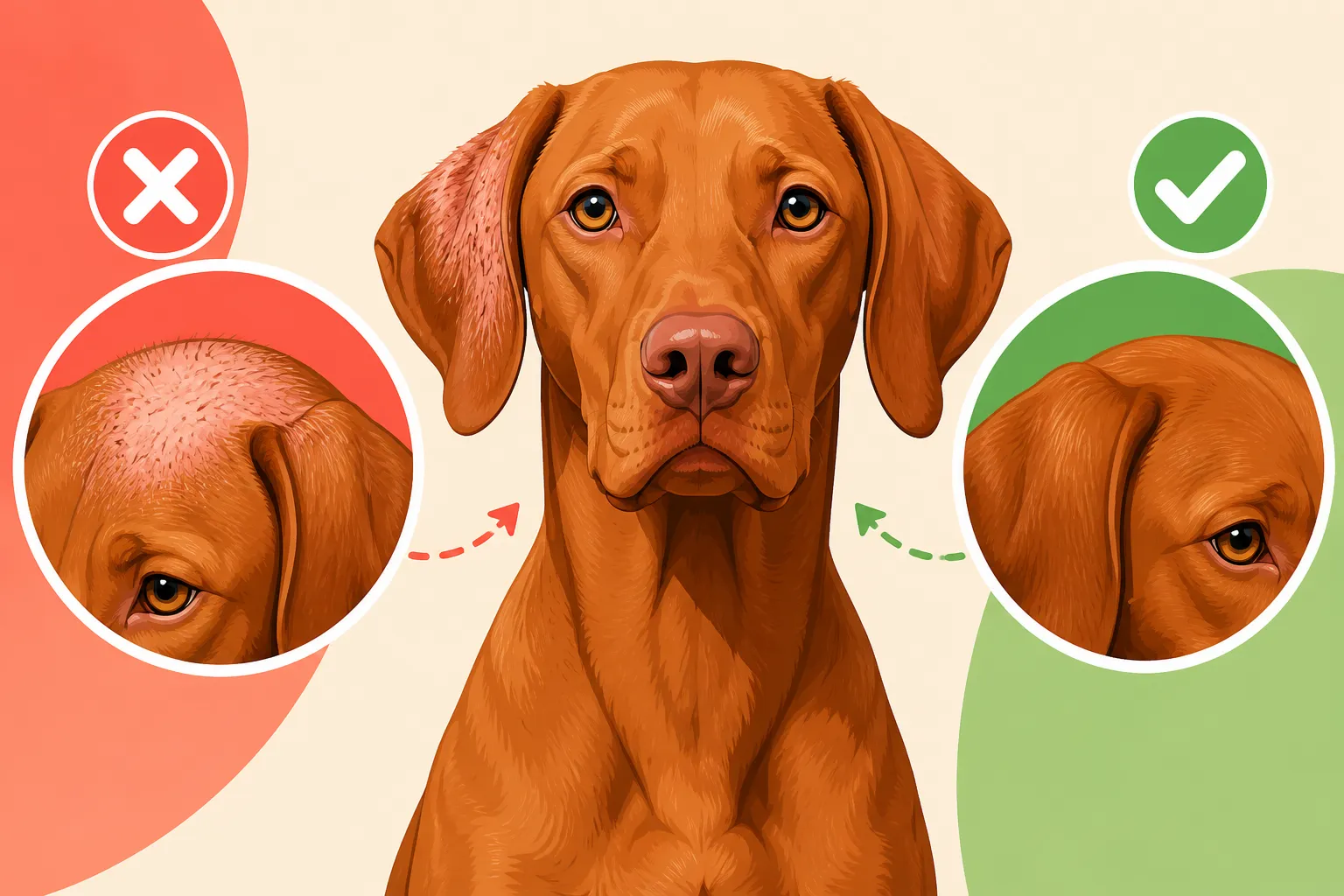
The key is to observe the pattern and severity of the hair loss. Normal shedding results in a uniform thinning of the coat that replaces old hairs with new ones, usually without any visible bare skin or inflammation. When it starts to look abnormal, that’s when your alarm bells should ring.
You might notice something is truly wrong if:
- The hair loss is localized to distinct patches on the head, around the eyes, temples, or on the edges of the ears, rather than general, subtle thinning.
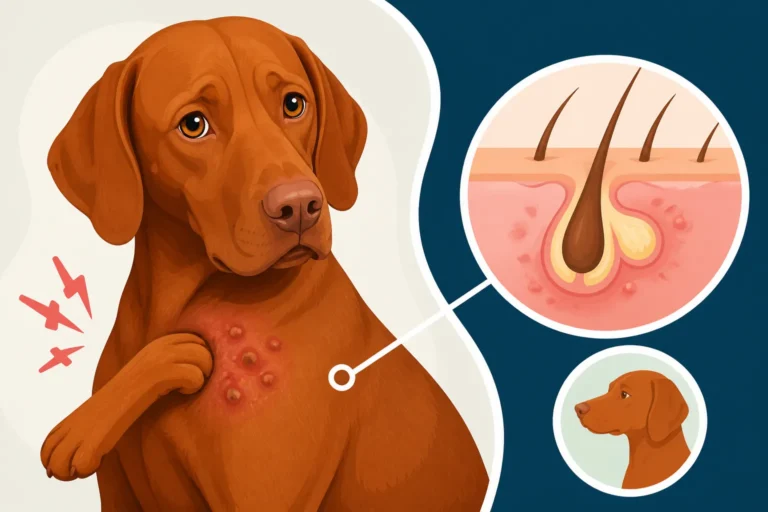
- The skin underneath the affected areas looks red, inflamed, flaky, crusty, oily, or otherwise unhealthy.
- Your Vizsla is scratching, rubbing, or shaking their head excessively, indicating intense itchiness or discomfort.
- There are visible sores, scabs, or a foul odor emanating from the skin.
- The hair loss is symmetrical, affecting both sides of the head or both ears in a similar fashion.
These signs suggest that what you're seeing isn't just normal shedding, but rather a symptom of an underlying health issue that needs investigation. It's a frustrating situation to witness, especially when your otherwise vibrant Vizsla seems uncomfortable.
Common Causes of Hair Loss on a Vizsla's Head and Ears
There are a number of reasons why your Vizsla might be experiencing hair loss on their head and ears, ranging from environmental factors to more serious genetic or autoimmune conditions. Pinpointing the exact cause often requires a veterinary visit.
Allergic Reactions and Environmental Irritants
Just like humans, dogs can suffer from allergies, and these often manifest as skin problems, including hair loss.
- Environmental Allergies (Atopy): Pollen, dust mites, mold spores, and even certain grasses can trigger an allergic reaction in sensitive Vizslas. While these allergies often cause generalized itching, the head and ears are common target areas due to direct exposure and the dog's attempts to relieve the itch by rubbing or scratching. You might see redness, ear infections, and skin thickening in addition to the hair loss. If you notice your Vizsla scratching their ears or rubbing their head against furniture a lot, it could be a sign of atopy. Many Vizslas get Atopic Dermatitis, which can be a lifelong battle.
- Contact Dermatitis: This occurs when your Vizsla's skin comes into direct contact with an irritating substance. This could be anything from certain cleaning products on the floor, plants in the yard, or even materials in their bedding or bowls. The hair loss and irritation would typically be confined to the area of contact.
- Food Allergies: Although less common than environmental allergies, food allergies can also cause skin issues. While they usually result in more generalized itching, gastrointestinal upset, or paw licking, some Vizslas may develop facial itching or ear infections as a primary symptom. Identifying and eliminating the offending ingredient through a careful diet trial can be challenging but rewarding.
Parasites and Fungal Infections
Tiny invaders or insidious fungi can wreak havoc on your Vizsla’s skin, leading to hair loss.
- Mites (Mange): Sarcoptic mange (scabies) and Demodex mange are two common culprits.
- Sarcoptic Mange: These highly contagious mites cause intense, relentless itching, leading to severe scratching and subsequent hair loss, scabs, and skin thickening. The ears, elbows, and hocks are often the first areas affected. The itching is often so extreme that dogs will self-mutilate, leading to more widespread hair loss and secondary infections.
- Demodectic Mange: Caused by Demodex mites, which are normally present on a dog's skin in small numbers. In puppies or dogs with compromised immune systems, these mites can overgrow, leading to localized hair loss, usually starting around the eyes and mouth, and on the ears. It might look like small, non-itchy bald spots, or it can become generalized and more severe.
- Fungal Infections (Ringworm): Despite its name, ringworm is a fungal infection, not a worm. It's highly contagious and can cause circular patches of hair loss, often with redness, scaling, and crusting, on the head, ears, and paws. The infection spreads outwards, creating a "ring" appearance, though not all lesions are perfectly round. It’s important to treat promptly as it can spread to other pets and humans.
Hormonal Imbalances and Autoimmune Conditions
Sometimes, the issue isn't external but internal, stemming from your Vizsla's own body chemistry or immune system.
- Hypothyroidism: An underactive thyroid gland can lead to a host of symptoms, and hair loss is a common one. While often generalized, causing a dull coat, symmetrical hair thinning on the flanks, tail, and sometimes the ears and head can occur. Other signs include weight gain, lethargy, cold intolerance, and a dull, dry coat. Getting a full thyroid panel is important if these symptoms align with what you're seeing. For more detail, you can read about Thyroid Failure in a Vizsla
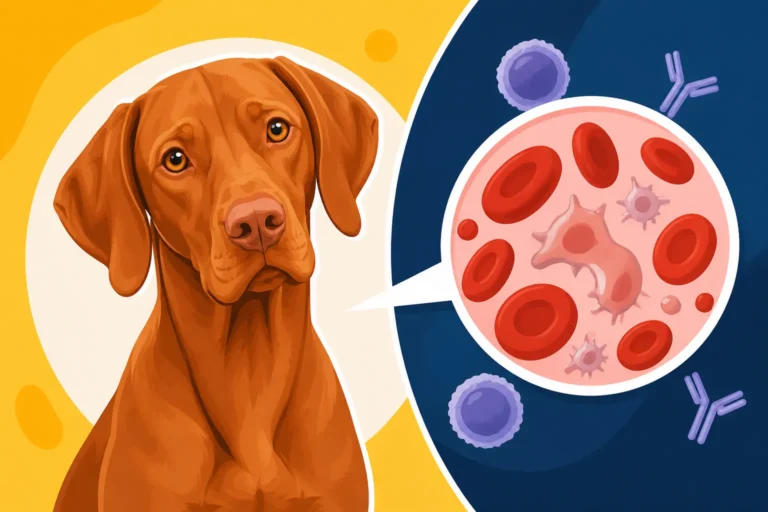
- Sebaceous Adenitis (SA): This is a particularly devastating autoimmune skin condition that Vizslas are unfortunately predisposed to. It involves the immune system attacking and destroying the sebaceous glands, which are responsible for producing the natural oils that keep the skin and coat healthy.
- When these glands are damaged, the skin becomes dry, flaky, and prone to scaling. Hair loss, especially on the head, ears, and down the back, is a hallmark sign. The hair may fall out in clumps, leaving bald patches. The skin can become greasy or waxy in some areas, while others are very dry. It’s an incredibly frustrating condition for owners to manage, and it's essential to understand What Sebaceous Adenitis Does to a Vizsla.
- Diagnosing SA often requires a skin biopsy, and treatment can be lifelong, involving medicated baths, oil soaks, and sometimes immunosuppressant medications. This is where a robust pet insurance plan can be a lifesaver. Companies like Healthy Paws can help cover the significant costs associated with diagnosing and managing chronic conditions like Sebaceous Adenitis, allowing you to focus on your Vizsla's comfort and well-being.
- Pemphigus Foliaceus: Another autoimmune skin disease where the immune system attacks the connections between skin cells. This can lead to crusty lesions, pustules, and hair loss, particularly on the face, ears, and paw pads.
Nutritional Deficiencies and Stress
While less common as a sole cause, nutrition and stress can certainly contribute to or exacerbate hair loss.
- Nutritional Deficiencies: A diet lacking in essential fatty acids (like Omega-3s and Omega-6s), vitamins, or high-quality protein can lead to a dull, dry coat and, in severe cases, hair thinning or loss. While commercially prepared dog foods are usually balanced, individual dogs may have specific needs, or a poor-quality food might not provide optimal nutrition. Ensuring your Vizsla gets enough healthy fats can really boost their skin and coat health, and it's worth considering Whether a Vizsla Needs Fish Oil for Its Skin.
- Stress and Anxiety: A highly stressed or anxious Vizsla might engage in obsessive licking or scratching as a coping mechanism. This self-trauma, known as "lick granuloma" or psychogenic alopecia, can lead to localized hair loss, especially on easily reachable areas like the legs, flanks, but sometimes also the head (from rubbing) or ears (from scratching). This isn't usually the primary cause of hair loss on the head and ears, but it can worsen existing irritation. You might find more insight by exploring Whether a Vizsla Licks Itself Raw From Stress.
Diagnosing and Managing Hair Loss in a Vizsla
When you notice hair loss on your Vizsla's head or ears, the most important step is to consult your veterinarian. Self-diagnosing can lead to delayed treatment and prolonged discomfort for your dog.
The Importance of Veterinary Consultation
A vet visit is crucial for accurate diagnosis. Your vet will start by taking a thorough history, asking about diet, environment, grooming habits, and the timeline of the hair loss. They will then perform a comprehensive physical examination, paying close attention to the affected skin.
Diagnostic tests might include:
- Skin Scrapings: To look for mites (like Demodex or Sarcoptes) under a microscope.
- Fungal Cultures: To test for ringworm.
- Cytology: Examining cells from the skin surface to identify bacterial or yeast infections.
- Blood Tests: To check for underlying systemic issues like hypothyroidism (a full thyroid panel is often recommended for Vizslas).
- Allergy Testing: If allergies are suspected, your vet might recommend intradermal skin testing or blood tests to identify specific allergens.
- Skin Biopsy: For more complex or autoimmune conditions like Sebaceous Adenitis or Pemphigus, a small tissue sample will be taken and sent to a lab for microscopic examination.
It’s easy to feel overwhelmed by the potential tests and their costs, especially if your Vizsla develops a chronic condition. Having pet insurance can significantly ease this burden. Many Vizsla owners rely on comprehensive plans from providers like Healthy Paws to cover the costs of these crucial diagnostic tests and specialist consultations, ensuring their furry family members get the best possible care without financial strain.
Treatment Approaches for Specific Conditions
Treatment will be tailored to the specific diagnosis.
- For Allergies: Management often involves a multi-pronged approach. This could include antihistamines, corticosteroids (for acute flare-ups), Apoquel or Cytopoint injections (newer, targeted medications for itch control), medicated shampoos, and rigorous flea control. If food allergies are suspected, a strict elimination diet using a novel protein or hydrolyzed protein diet is essential.
- For Parasites: Treatment typically involves specific anti-parasitic medications, either topical (like spot-ons), oral, or medicated baths. Your vet will prescribe the most effective option based on the type of mite or parasite identified.
- For Hormonal Imbalances: Hypothyroidism is usually managed with daily thyroid hormone supplementation, which is highly effective and relatively inexpensive once the correct dosage is found. You might be interested in Whether Thyroid Medication Works on a Vizsla.
- For Autoimmune Conditions (e.g., Sebaceous Adenitis): This is often a lifelong commitment. Treatment typically focuses on managing symptoms and slowing disease progression. This can include frequent medicated baths (often weekly) to remove scales and moisturize the skin, oil soaks (e.g., using mineral oil or essential fatty acid blends), and potentially oral medications like cyclosporine, corticosteroids, or other immunosuppressants. For more on this, you can look into Whether Cyclosporine Helps a Vizsla. Consistent application of these treatments is key to keeping the condition under control.
Supportive Care and Prevention Strategies
Beyond specific treatments, general supportive care and preventive measures can significantly improve your Vizsla's skin health and help prevent future flare-ups.
- High-Quality Diet: Ensure your Vizsla is on a premium dog food rich in omega-3 and omega-6 fatty acids. These nutrients are vital for skin barrier health and a lustrous coat. Supplements like fish oil can be added to their diet under veterinary guidance.
- Regular Grooming and Skin Checks: Even with their short coats, regular brushing (with a soft rubber curry brush) helps distribute natural oils and removes loose hair. More importantly, it gives you a chance to regularly inspect your Vizsla's skin for any new lumps, bumps, redness, or patches of hair loss. Early detection is key! For managing a Vizsla's skin for life, consistency is paramount. You can find useful tips in Managing a Vizsla's Skin for Life.
- Environmental Control: If environmental allergies are a factor, try to reduce exposure to known allergens. This might mean frequent vacuuming, using air purifiers, or bathing your Vizsla after outdoor activities during high pollen seasons.
- Stress Reduction: A calm environment and plenty of exercise appropriate for their energy levels can help reduce stress-related skin issues. Vizslas thrive on routine and companionship, so ensuring they have enough mental and physical stimulation is vital.
- Protection in the Field: If your Vizsla hunts or spends a lot of time in thick cover, consider a protective vest or shirt. Their thin skin can easily get scratched or torn, leading to irritation and secondary infections that might resemble hair loss initially.
Caring for a Vizsla with chronic skin issues, especially something like Sebaceous Adenitis, requires dedication and can involve ongoing expenses. Knowing that you have financial assistance for their care provides immense peace of mind. Healthy Paws pet insurance, for example, is highly regarded for its comprehensive coverage of accidents, illnesses, and chronic conditions, allowing you to focus on your Vizsla's health without constantly worrying about the vet bill.
| Cause of Hair Loss | Typical Presentation on Head/Ears | Common Accompanying Signs | Diagnostic Methods |
|---|---|---|---|
| Allergies | Redness, itching, thinning, or patches on ears/face, often symmetrical | Excessive scratching, rubbing, paw licking, ear infections, hot spots | Allergy testing (skin/blood), elimination diet trial, response to meds |
| Parasites (Mites/Fleas) | Intense itching, scabs, redness, localized or generalized bald patches | Relentless scratching, visible parasites (fleas), skin thickening, odor | Skin scrapings, flea comb, physical exam, trial treatment |
| Fungal (Ringworm) | Circular patches of hair loss with scaling, crusting, and redness | Mild itching, brittle hair, can spread to other areas | Fungal culture, Wood's lamp exam (some strains) |
| Hypothyroidism | Symmetrical thinning, especially on ears, flanks, tail | Lethargy, weight gain, dull coat, cold intolerance | Blood test (full thyroid panel) |
| Sebaceous Adenitis (SA) | Dry skin, scaling, hair loss in patches or widespread, particularly on head/ears | Dull, brittle coat, greasy or waxy skin in some areas, secondary infections | Skin biopsy, physical exam |
| Nutritional Deficiency | Dull, brittle coat, generalized thinning | Poor growth, lethargy, poor wound healing | Dietary analysis, blood tests (rarely specific) |
| Stress/Self-Trauma | Localized hair loss from excessive licking/rubbing | Behavioral changes (anxiety), skin irritation, lick granuloma | Behavioral assessment, ruling out other causes |
Living with a Vizsla Prone to Skin Issues
Finding out your Vizsla has a chronic skin condition like Sebaceous Adenitis or severe allergies can feel like a heavy blow. It's a commitment that requires patience, consistency, and sometimes, significant financial resources.
Long-Term Management and Owner Dedication
For conditions like SA, there's no "cure," only management. This means you'll likely be incorporating regular treatments into your routine for the rest of your Vizsla's life. This could involve weekly medicated baths, daily supplements, special diets, or ongoing medication. It's not always easy to maintain this level of care, especially with a high-energy breed like the Vizsla who might not always cooperate with bath time!
However, your dedication makes all the difference. Many Vizslas with chronic skin issues live full, happy lives thanks to committed owners who learn to recognize flare-ups and adjust treatments as needed. It becomes a part of your bond, a testament to the unconditional love you share. Remember, a good breeder will often provide advice and support, and connecting with other Vizsla owners who have experience with similar issues can be incredibly helpful.
The Emotional Toll on Owners
It’s perfectly normal to feel frustrated, worried, and even a little heartbroken when your Vizsla is suffering from chronic hair loss or skin problems. You want the best for your dog, and seeing them uncomfortable or less than perfect can take an emotional toll. It's easy to second-guess yourself, wondering if you're doing enough, or if you somehow caused the problem.
Let me assure you, you are doing your best, and these conditions are often beyond your control, especially genetic or autoimmune diseases. Focus on providing consistent care, following your vet's advice, and celebrating the good days. Your Vizsla thrives on your love and attention, regardless of their coat condition. The emotional and financial weight of these situations can be immense, but knowing you have a reliable partner like Healthy Paws can alleviate some of that stress. Their support can help ensure that you can always afford the best possible care, allowing you to focus on loving and nurturing your Vizsla through their challenges.
Disclaimer
The information provided in this article is for general informational purposes only and is not a substitute for professional veterinary advice. Always consult with a qualified veterinarian for any health concerns or before making any decisions related to your pet's health and treatment.