Whether a Vizsla Gets Ectropion
It’s an unsettling moment for any Vizsla owner when you notice something isn't quite right with your beloved companion's eyes. Their expressive, amber gaze is such a central part of their charm and communication, so any sign of irritation or abnormality can be genuinely worrying. Many Vizsla parents find themselves fretting over everything from discharge to redness, and one condition that sometimes pops up, though perhaps less famously than its inward-rolling cousin entropion, is ectropion. This comprehensive guide will walk you through what ectropion is, how it affects our sensitive Vizslas, what symptoms to look for, and how to manage this often uncomfortable eye condition.
Understanding Ectropion in Vizslas
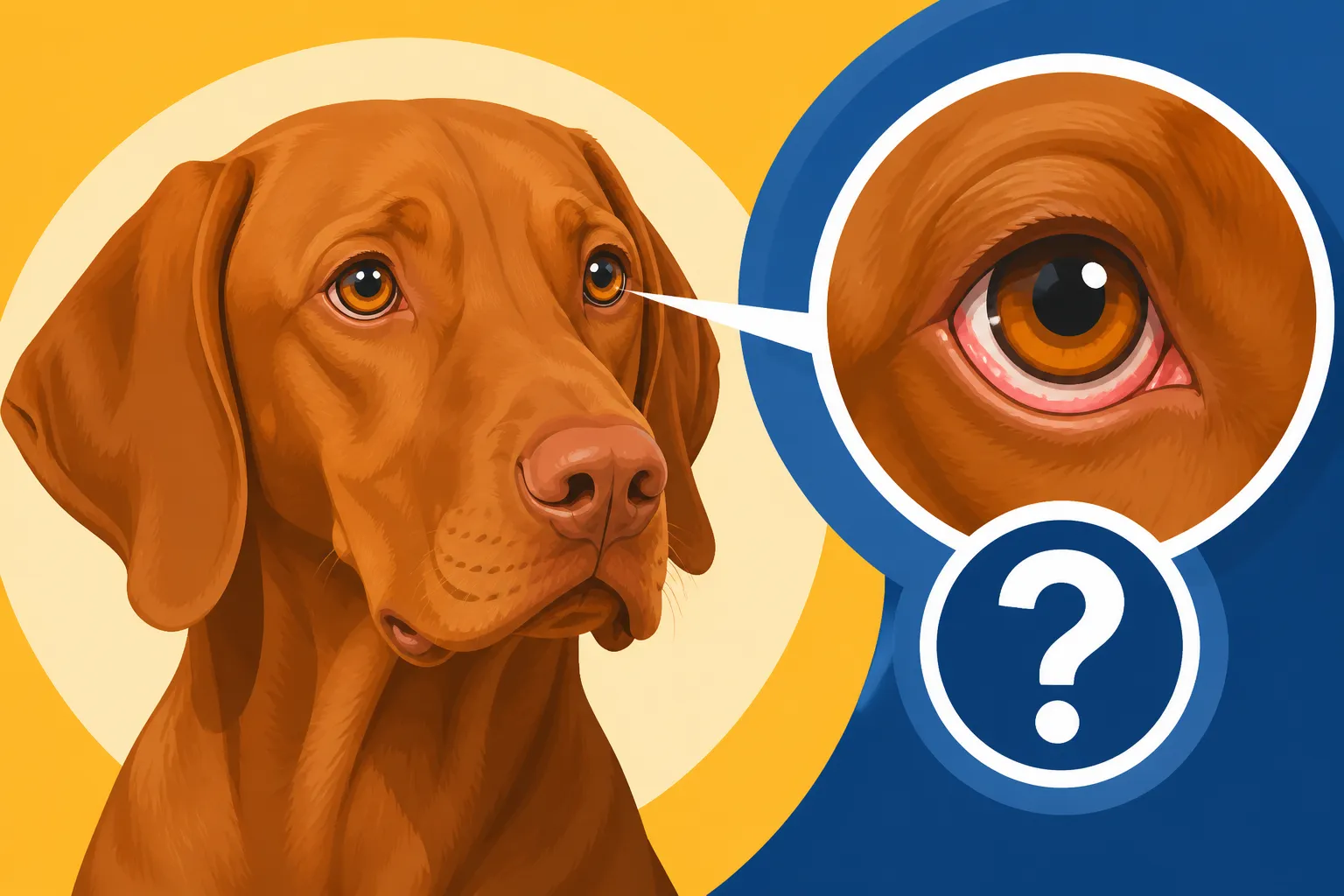
When we talk about ectropion, we're referring to a condition where the eyelid, most commonly the lower one, rolls or sags outward, exposing the delicate pink conjunctiva that usually sits protected inside. Unlike entropion, which causes hairs to rub against the eye, ectropion leaves the eye vulnerable to the elements. While Vizslas aren't as famously prone to ectropion as some other breeds with very loose facial skin, their genetics and conformation can still make them susceptible.
What Ectropion Actually Looks Like
Imagine looking at your Vizsla and noticing that their lower eyelids seem to droop a bit, perhaps making them look perpetually sad or sleepy. That's ectropion in a nutshell. The pink, moist lining of the eyelid, called the conjunctiva, which should ideally be snug against the eyeball, becomes visibly exposed. In mild cases, it might just be a slight sag, barely noticeable unless you're looking closely. But in more severe instances, the entire lower lid can turn outward, resembling a deep, pink pocket under the eye. This exposed tissue is meant to be protected, kept moist by tears, and shielded from environmental irritants. When it's exposed, it can become dry, red, inflamed, and easily irritated. You might notice a constant wetness or tear staining below the eye because the tear film isn't distributing properly, or paradoxically, the eye might actually be quite dry due to increased evaporation from the exposed surface.
Consider a Vizsla named Copper who loves to stick his head out the car window. If he has even mild ectropion, that constant blast of wind could turn his already slightly exposed conjunctiva into a raw, angry red mess. Without the natural protection of a properly fitting eyelid, simple joys like a breezy car ride or a run in a dusty field suddenly become sources of significant discomfort and potential harm.
Why Vizslas Are Prone to Ectropion
While Vizslas don't have the heavily wrinkled, loose skin that makes breeds like Basset Hounds, Bloodhounds, or even some larger Mastiffs almost synonymous with ectropion, they do possess a unique facial conformation. Their relatively lean build and sometimes slightly deeper-set eyes, combined with a breed standard that values a certain "softness" in expression, can occasionally result in looser lower eyelids than ideal. It's not the same dramatic drooping you'd see in a St. Bernard, but enough to cause issues.
The primary reason for ectropion in Vizslas is often genetic predisposition, impacting the tension and structure of the eyelid tissues. It’s an inherited trait, meaning it can be passed down through breeding lines. A puppy born with ectropion might have inherited it from one or both parents, even if the parents only had a very mild, subclinical form. Environmental factors can sometimes exacerbate existing mild ectropion, but the underlying structural issue is typically inherited. For example, if you see a Vizsla with chronic eye issues, it's worth considering their lineage, just as you would when questioning Whether Polymyopathy Runs in Vizsla Lines or Whether an Epileptic Vizsla Should Be Bred. Responsible breeders strive to minimize such genetic predispositions through careful screening, ensuring that the dogs they breed have healthy eye conformation to prevent suffering down the line.
Recognizing the Symptoms and Potential Complications
Identifying ectropion early is crucial to prevent more severe issues. While the visual droop might be the most obvious sign, there are other, more subtle indicators that your Vizsla's eyes might be suffering from this condition.
Key Signs Your Vizsla Might Have Ectropion
Beyond the visible sagging of the lower eyelid, there are several red flags that could indicate your Vizsla is struggling with ectropion. One of the most common signs is chronic tearing or a watery discharge. Because the eyelid isn't creating a proper seal, tears can't drain effectively through the tear ducts and simply spill over onto the face. This often leads to tear staining, which on a golden-rust Vizsla, can look quite prominent. You might also notice a persistent mucous or pus-like discharge, especially if the exposed conjunctiva becomes inflamed or infected.
Your Vizsla might also exhibit behavioral signs of discomfort. They may frequently rub their face against furniture or paw at their eyes, trying to relieve the irritation. Squinting, blinking excessively, or keeping one eye partially closed are also common indicators that something is bothering them. If your Vizsla, like many, loves to nose around in bushes or fields, you might observe them doing this more often after outdoor activities, trying to dislodge an unseen irritant. For instance, if you take your Vizsla, Duke, on a long hunt in a dusty field, and he comes back constantly pawing at his eyes, looking red and watery, ectropion could be making him particularly vulnerable to foreign bodies like grass seeds or dirt that would normally be swept away by a properly functioning eyelid. This kind of persistent irritation, if left unaddressed, can lead to chronic discomfort and more serious problems.
The Risks of Unaddressed Ectropion
Ignoring ectropion can lead to a cascade of complications that severely impact your Vizsla's comfort and long-term eye health. The most immediate risk is chronic irritation. The exposed conjunctiva is delicate and easily dries out, leading to inflammation known as conjunctivitis. This chronic exposure can also cause the surface of the eye (cornea) to become dry and damaged, a condition called exposure keratitis. Imagine having a gritty feeling in your eye all the time – that's likely what your dog experiences.
Beyond dryness and irritation, the exposed tissues are a magnet for foreign bodies and bacterial infections. Dust, pollen, small debris, and even bacteria have an open invitation to settle in the unprotected pocket of the everted eyelid. This can lead to recurring eye infections, which are not only painful but can require frequent veterinary visits and medication. Over time, chronic inflammation and infection can cause scarring, pigmentation changes on the cornea, and even impair vision. It can also be very costly to manage. This is where having pet insurance, such as a plan from Healthy Paws, can really make a difference, helping to cover the expenses of diagnostics, medications, and potential surgeries, providing immense relief during an already stressful time. For more general information on how insurance can help, you might look into Insuring a Vizsla Against Immune Disease, as the principle of covering unexpected health issues remains the same.
Diagnosis and Treatment Options for Ectropion
If you suspect your Vizsla has ectropion, don't delay in seeking veterinary attention. Prompt diagnosis and appropriate treatment are key to alleviating discomfort and preventing long-term damage to their precious eyes.
Getting a Proper Diagnosis
The first step is always a visit to your trusted veterinarian. While your general practitioner can often diagnose ectropion based on a visual examination, they may recommend a consultation with a veterinary ophthalmologist, especially if the case is complex or if surgery is being considered. During the examination, the vet will carefully inspect your Vizsla's eyelids and eyeballs. They might perform a few simple, non-invasive tests:
- Fluorescein Stain Test: This involves applying an orange dye to the eye. If there's any corneal ulceration or damage, the dye will stick to it, glowing bright green under a special light. This helps identify if the exposed eye has suffered any abrasion or injury.
- Schirmer Tear Test: A small strip of paper is placed under the eyelid for a minute to measure tear production. This is crucial because, despite looking watery, ectropion can sometimes lead to dry eye due to increased evaporation.
- Tonometry: This measures the pressure inside the eye, ruling out conditions like glaucoma that can also cause eye discomfort.
Early diagnosis is paramount. Catching ectropion when it's mild can allow for conservative management, potentially delaying or even avoiding surgery. If left too long, the chronic inflammation can cause irreversible changes to the eyelid and cornea, making treatment more challenging and recovery more prolonged. So, if you're asking Whether a Vizsla Needs a Yearly Eye Exam, the answer is unequivocally yes, as routine checks can catch these issues early.
Medical and Surgical Interventions
The treatment approach for ectropion depends heavily on its severity and whether complications have arisen.
For mild cases without significant irritation or corneal damage, conservative management is often the first line of defense:
- Lubricating Eye Drops or Ointments: These help keep the exposed conjunctiva and cornea moist, preventing dryness and irritation. Your vet might recommend artificial tears or a prescribed ophthalmic ointment.
- Topical Antibiotics/Anti-inflammatories: If infection or significant inflammation is present, specific eye drops might be prescribed to reduce swelling and clear any bacterial presence.
- Regular Cleaning: Keeping the area around the eye clean with sterile saline solution and gentle wipes helps prevent debris from accumulating in the exposed lid fold and reduces the risk of secondary infections.
However, for moderate to severe ectropion, or cases where conservative management isn't providing sufficient relief or preventing complications, surgical intervention is typically recommended. The goal of surgery is to tighten the lower eyelid, restoring its natural position against the eyeball. One common technique is the Hotz-Celsus procedure, where a crescent-shaped piece of skin and muscle is removed from below the eyelid, allowing the lid to be pulled back into place and sutured. Other techniques might involve specific stitches to evert the lid, or a combination of methods.
Post-operative care is critical for a successful outcome. Your Vizsla will likely need:
- An Elizabethan Collar (Cone): To prevent them from rubbing or scratching the surgical site, which could disrupt stitches or introduce infection.
- Pain Management: Oral pain medication and anti-inflammatory drugs to keep your dog comfortable during recovery.
- Topical Eye Medications: Antibiotic and anti-inflammatory drops to prevent infection and reduce swelling around the sutures.
- Restricted Activity: Keeping your Vizsla calm and limiting strenuous exercise for a few weeks to allow proper healing.
While surgery can seem daunting, it often provides immediate and lasting relief from discomfort and prevents further complications. It's a significant investment, both emotionally and financially. Costs can vary widely depending on the complexity of the surgery, the need for specialist referral, and where you live. This is another area where a comprehensive pet insurance policy, like those offered by Healthy Paws, can be incredibly beneficial, helping to mitigate the financial burden associated with specialist care and surgical procedures. When you're considering What a Vizsla Costs a Year to Keep, these potential medical needs are a critical factor.
Living with and Preventing Ectropion in Vizslas
Whether your Vizsla has mild ectropion managed conservatively or has undergone surgery, ongoing care and proactive prevention, particularly through responsible breeding, are essential for their well-being.
Daily Care and Management for Affected Vizslas
Even after successful treatment, managing a Vizsla prone to eye issues requires a commitment to daily care. If your dog has residual mild ectropion or a history of the condition, incorporating a routine of vigilance and cleanliness is key.
Firstly, regular eye cleaning is paramount. Use sterile saline solutions specifically formulated for canine eyes, gently wiping away any discharge or debris from around the eyelids with clean cotton balls or gauze. Avoid harsh chemicals or human eye drops unless directed by your vet, as these can irritate their sensitive eyes. A good routine might involve a quick wipe down after every outdoor excursion, especially if they've been in dusty or windy conditions.
Secondly, consider their environment. While you can't live in a bubble, try to minimize exposure to irritants. If your Vizsla spends a lot of time outdoors, especially in fields or woods, you might consider a dog-specific pair of goggles (often called Doggles) for protection. While some Vizslas might tolerate them, others will put up quite a fuss! At home, reducing dust with air purifiers and frequent vacuuming can help. If your Vizsla likes car rides with the window down, ensure they are in a safe harness and consider keeping the window cracked only slightly to reduce direct wind exposure to their eyes.
Regular veterinary check-ups, even if just for a quick eye assessment, become even more important. Your vet can monitor for signs of recurrence, new complications, or the need for adjustments to their daily regimen. This proactive approach helps ensure your Vizsla remains as comfortable and healthy as possible.
Responsible Breeding and Genetic Considerations
Preventing ectropion starts long before a puppy ever comes home: it begins with responsible breeding practices. Since ectropion often has a genetic component, ethical breeders play a vital role in reducing its prevalence within the Vizsla population.
Reputable breeders will be transparent about the health history of their breeding stock, including any incidence of eye conditions in their lines. They should ideally screen their dogs for various inheritable eye diseases and provide clearances from a veterinary ophthalmologist. This might include annual eye examinations, often performed by board-certified veterinary ophthalmologists, which are then registered with organizations like the Orthopedic Foundation for Animals (OFA) through their Eye Certification Registry (CAER) program. This provides a publicly verifiable record of eye health. If a breeder is unwilling or unable to provide such documentation, it should raise a significant red flag. You should always ask about The Health Tests Both Vizsla Parents Should Have before committing to a puppy.
Furthermore, responsible breeders will not knowingly breed dogs with moderate to severe ectropion or those that have required surgical correction, as this risks passing the trait on to future generations. Even dogs with very mild ectropion might be considered for breeding only after careful consultation with a veterinary ophthalmologist and only if the trait is not prevalent in their lines, to maintain genetic diversity while still aiming for overall health. Choosing a breeder who prioritizes these health clearances not only helps prevent ectropion but also guards against a host of other potential health issues, like Whether a Vizsla Gets Entropion or Eye Disease in a Vizsla, ensuring you bring home the healthiest possible Vizsla puppy.
Comparative Look at Ectropion Severity
To help visualize the difference and understand potential actions, here's a table comparing mild vs. severe ectropion symptoms and general recommendations.
| Feature | Mild Ectropion | Severe Ectropion |
|---|---|---|
| Appearance | Slight droop of lower lid, barely visible conjunctiva, often intermittent. | Pronounced outward rolling of lower lid, significant visible conjunctiva, often constant. |
| Tearing/Discharge | Occasional wetness or tear staining. | Chronic heavy tearing, mucoid or purulent discharge common. |
| Irritation Signs | Mild pawing/rubbing, occasional squinting. | Frequent, intense pawing/rubbing, persistent squinting, keeping eye closed. |
| Corneal Health | Usually unaffected, or minor dryness/irritation. | Often inflamed (keratitis), dry spots, or ulceration. |
| Infection Risk | Low to moderate. | High risk of recurring bacterial infections. |
| Comfort Level | Generally mild discomfort, sometimes unnoticed. | Significant, chronic discomfort and pain. |
| Recommended Action | Monitor closely, lubricating drops/ointments, vet consultation. | Prompt vet visit, likely surgical correction recommended. |
Disclaimer
This article is for general informational purposes only and does not constitute professional advice. Laws, prices and regulations vary by location and change over time. Consult a qualified professional for guidance on your specific situation.