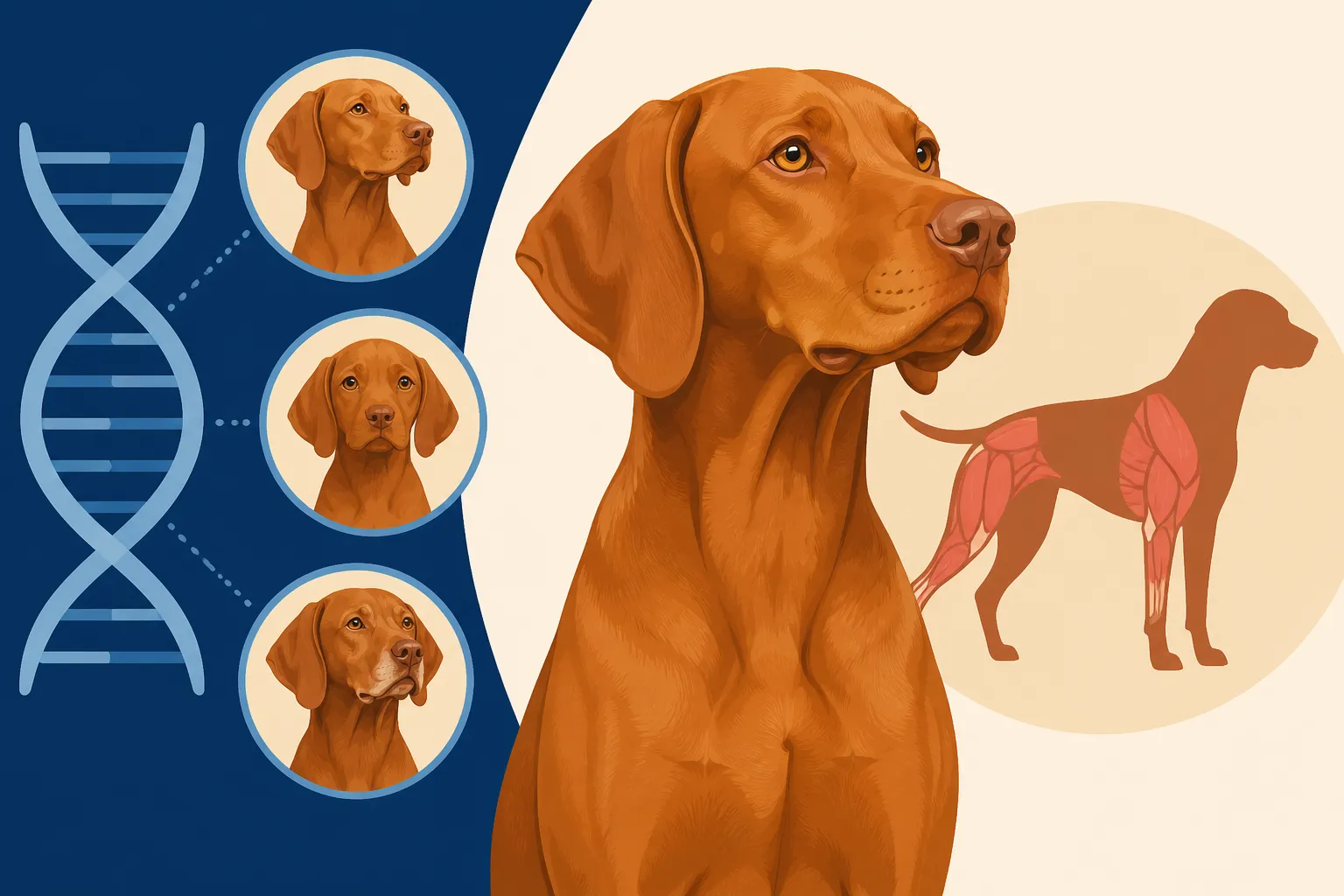
Whether Polymyopathy Runs in Vizsla Lines
The journey of owning a Vizsla is filled with unparalleled joy, bounding energy, and an affection that can feel almost overwhelming in its intensity. But for many dedicated Vizsla parents, this joy is often tinged with a persistent worry: the breed's known predispositions to certain health issues. Among these, the thought of Vizsla Inflammatory Polymyopathy, or VIP, strikes a particular chord of fear. It’s natural to wonder if this devastating muscle disease is something you can screen for, if it lurks unseen in family lines, and what that means for your beloved companion. This comprehensive guide will delve deep into the question of whether polymyopathy runs in Vizsla lines, exploring its genetic links, impact on the breed, and how owners can navigate this complex health challenge.
Understanding Vizsla Inflammatory Polymyopathy (VIP)
Vizsla Inflammatory Polymyopathy (VIP) is a disheartening condition, often referred to as a "head tremor" or "chewing muscle wasting disease." It’s an immune-mediated disease, meaning the body’s own immune system mistakenly attacks healthy tissues, in this case, the muscles of the head, neck, and sometimes the limbs. It's a progressive illness, and witnessing its development in a vibrant Vizsla is incredibly difficult.
What VIP Does to a Vizsla's Muscles
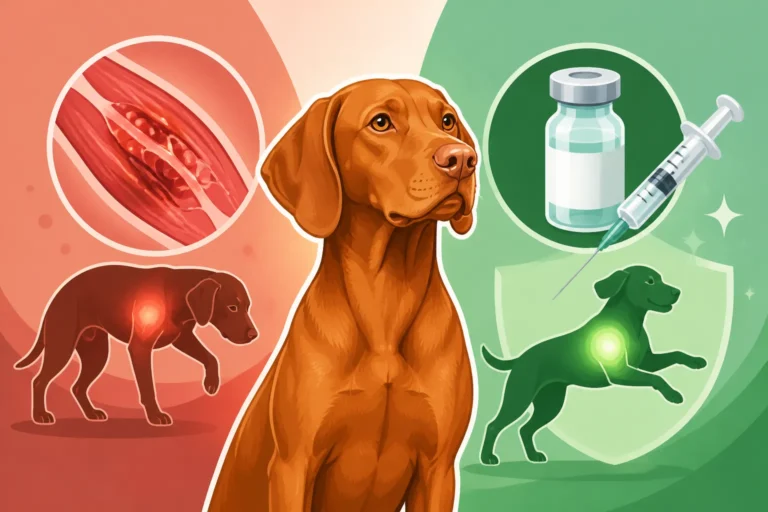
Imagine your energetic Vizsla, always ready to play fetch or snuggle close, suddenly struggling with the most basic functions. VIP primarily targets the masticatory muscles – those used for chewing – and often affects the muscles around the head and neck. This isn't just a cosmetic issue; it's a severe functional impairment. Initially, you might notice subtle tremors, especially after excitement or exercise. These can progress to visible muscle atrophy, particularly on the top of the head, giving the dog a sunken appearance above the eyes.
As the disease progresses, the impact becomes more profound. Dogs might struggle to open their mouths wide enough to yawn or bark normally. Eating becomes a monumental task, with kibble falling out of their mouths, excessive drooling, and obvious discomfort while trying to chew. This inability to eat properly can quickly lead to dangerous weight loss and even aspiration pneumonia if food or water enters the lungs. It's a truly heartbreaking progression, as their spirit often remains bright even as their body struggles. We talk more about this distressing progression in our post on What Vizsla Inflammatory Polymyopathy Does and really delve into Why VIP Attacks a Vizsla's Head and Neck. It's crucial to understand that this isn't just weakness; it's an autoimmune assault on their very ability to live comfortably.
How VIP is Diagnosed and Treated
Diagnosing VIP can be a frustrating and lengthy process, often involving multiple vet visits and specialist consultations. There isn't one simple test that immediately screams "VIP." Vets typically start by ruling out other conditions that might cause similar symptoms, such as foreign bodies in the mouth, dental disease, or other neurological issues. Blood tests might show elevated creatine kinase (CK) levels, indicating muscle damage, but this isn't specific to VIP.
The gold standard for diagnosis usually involves a muscle biopsy of affected areas, which a veterinary pathologist then examines for characteristic inflammatory changes. Electromyography (EMG) can also be used to assess muscle electrical activity. Often, the diagnosis is a process of elimination, which can be agonizing for owners watching their dog decline. Once diagnosed, treatment typically focuses on suppressing the overactive immune system. Corticosteroids, like prednisone, are frequently prescribed to reduce inflammation. While these can often improve symptoms, especially in the early stages, they come with their own set of side effects. For dogs with severe swallowing difficulties, supportive care like elevated feeding platforms or even temporary feeding tubes might be necessary. It's a constant balancing act between managing the disease and mitigating medication side effects. If you're wondering Whether a Vizsla With VIP Can Be Treated, the answer is often yes, but it requires a dedicated, long-term approach to management, including understanding if Whether Steroids Control a Vizsla's Polymyopathy effectively.
The Genetic Link: Is VIP Inherited?
This brings us to the core of the matter for many concerned Vizsla owners: does VIP run in the family? The short answer is, while the exact mode of inheritance is still being researched, there is strong evidence suggesting a significant genetic predisposition. This isn't a random occurrence; it appears to be concentrated in certain Vizsla lines.
The Current Understanding of Genetic Predisposition
Unlike some genetic diseases caused by a single, identifiable gene mutation, VIP is believed to have a more complex genetic basis. It’s not simply a matter of a dominant or recessive gene. Current research suggests it's likely a polygenic disorder, meaning multiple genes contribute to susceptibility, possibly in combination with environmental triggers. This makes developing a simple DNA test incredibly challenging. However, the fact remains that some family lines consistently produce more cases of VIP than others, indicating that a genetic component is undeniable.
This can be incredibly frustrating for potential puppy buyers and breeders alike, as there isn't a clear-cut genetic marker to test for. It means a breeder can't just run a quick swab and declare their dogs "clear" of VIP. Instead, they must rely on meticulous health tracking of their breeding stock and their offspring, looking for patterns and avoiding breeding from lines where VIP has appeared. This is a significant challenge for the breed, and it underscores why careful selection of a puppy from a truly health-conscious breeder is paramount. It’s also why comprehensive pet insurance, such as policies offered by Healthy Paws, can be a lifeline for owners, as genetic and chronic conditions often require extensive and costly care throughout a dog's life. This long-term financial support allows owners to focus on providing the best possible care without added stress. We often hear owners ask Whether Every Vizsla Is at Risk of Polymyopathy, and while every Vizsla carries some risk due to breed predispositions, specific lines undeniably have a higher probability. Research continues into Whether VIP Is Inherited in the Vizsla, constantly refining our understanding.
The Impact of a Small Gene Pool
To fully grasp why VIP, and other autoimmune conditions, might be more prevalent in Vizslas, we need to look back at the breed's history. The Vizsla is a breed that famously came back from the brink of extinction not once, but twice. After two World Wars and various political upheavals, the breed's numbers dwindled to critically low levels. When dedicated enthusiasts began rebuilding the breed, they often did so with a very small number of surviving dogs. This created what is known as a "bottleneck" in the gene pool.
A small gene pool means there's less genetic diversity. While crucial for preserving the breed, it can also concentrate certain genes, both good and bad, within the population. If a small number of the foundation dogs carried genes predisposing them to autoimmune conditions like VIP, those genes would become more common in subsequent generations. This isn't a "flaw" in the breed itself, but a direct consequence of its survival history. It’s a powerful reminder of how resilient, yet vulnerable, our beloved Vizslas are. This unique history is discussed further in The Vizsla Came Back From Extinction Twice and helps explain Why Vizslas Carry So Much Immune Disease. This reduced genetic variation is a double-edged sword, preserving the unique Vizsla traits while also making them more susceptible to certain heritable conditions.
Navigating Breeding and Health Testing
For prospective Vizsla owners, understanding the genetic landscape of VIP is critical. When there's no direct genetic test, the responsibility falls even more heavily on the shoulders of ethical breeders and informed buyers.
What Responsible Breeders Do
Given the complexities of VIP's suspected genetic basis, responsible breeders adopt a multi-faceted approach to minimize its occurrence in their lines. First and foremost, they maintain meticulous records and understand the health history of not just their breeding pair, but also their ancestors and all offspring. They will actively avoid breeding dogs from lines with a known history of VIP. This means they are constantly assessing their pedigrees and making tough decisions about which dogs to breed.
A truly responsible breeder will be transparent and open to discussing health concerns within their lines. They won't shy away from your questions about VIP or other autoimmune conditions. They should be able to provide detailed health clearances for hips, elbows, eyes, and thyroid – even if these aren't directly related to VIP, they demonstrate a commitment to overall health and genetic screening. They understand that even without a direct VIP test, avoiding known affected lines is the best current strategy. Don't be afraid to ask about the health of past puppies from their kennels. This commitment extends beyond just the immediate parents, as we discuss in The Health Tests Both Vizsla Parents Should Have and Whether a Vizsla Breeder Screens for Thyroid.
Here's a comparison to help you distinguish between truly responsible breeders and those who might cut corners:
| Aspect | Responsible Breeder | Less Reputable Breeder |
|---|---|---|
| Pedigree Research | Thoroughly researches health history of ancestors and all progeny; actively avoids known affected lines for VIP. | Limited or no research into lineage health; focuses on superficial traits or wins, not health. |
| Transparency | Openly discusses health issues (including VIP history), provides health clearances, answers all questions. | Avoids health discussions, offers vague answers, or dismisses concerns. |
| Health Testing | Conducts all available recommended breed health tests (hips, eyes, thyroid, etc.) for both parents. | Skips health testing to save costs; may claim it's unnecessary or too expensive. |
| Support | Offers lifetime support for the puppy, takes back dogs if needed, concerned about well-being. | Disappears after sale, little to no follow-up. May not take back an unwell dog. |
| Pricing | Reflects investment in health testing, quality care, and breed preservation; fair. | Undercuts prices significantly, often a sign of cutting corners on health or care. |
| Genetic Testing | Utilizes available genetic tests for other conditions; actively follows VIP research. | May only test for the bare minimum, or none at all; uninterested in research. |
The Limitations of Current Testing for VIP
This brings us to a difficult truth: as of now, there is no single, definitive genetic test available that can predict with certainty whether an individual Vizsla will develop VIP. Researchers are actively working on identifying genetic markers and understanding the complex inheritance patterns, but this is a painstaking process. The challenge lies in the polygenic nature of the disease, meaning many genes contribute to susceptibility, rather than a single gene that can be easily screened for.
This absence of a clear genetic test places a significant burden on both breeders and owners. For breeders, it means they cannot definitively clear a dog for breeding based on a simple DNA test; instead, they must rely on generations of health records and careful observation. For potential owners, it means accepting that even with the most diligent breeder, there is still an element of risk, however small. This lack of a predictive test is why resources like Whether Any Test Predicts VIP in a Vizsla are often sought by concerned owners. Until such a test becomes available, the best defense remains responsible breeding practices focused on known lineage health.
Supporting Your Vizsla and Managing Risk
Even if you’ve done your utmost due diligence in selecting a puppy, or if you already own a Vizsla, understanding how to generally support their health and recognize potential issues is vital. When it comes to conditions like VIP that have a suspected genetic link and are autoimmune in nature, a proactive approach can make a significant difference.
General Health Practices for Autoimmune-Prone Breeds
Because VIP is an autoimmune disease, fostering overall immune system health is paramount for Vizslas. While no diet or supplement can prevent a genetically predisposed dog from developing VIP, a strong foundation of health can help support their body’s natural defenses.
- High-Quality Nutrition: Feeding a premium, balanced diet appropriate for their age and activity level is fundamental. Some owners choose to explore fresh food diets or carefully formulated raw diets, believing they contribute to better gut health and overall immunity. Whatever diet you choose, ensure it's complete and balanced and doesn't cause any digestive upset.
- Appropriate Exercise: Vizslas are high-energy dogs, and regular, consistent exercise is crucial for their physical and mental well-being. However, over-exertion, especially in extreme weather, can sometimes trigger inflammatory responses. Tailor exercise to your dog's individual fitness level and environmental conditions. If you notice any subtle changes in movement or demeanor, ease back and observe.
- Stress Management: Stress can impact the immune system. Providing a stable, loving environment, consistent routines, and adequate mental stimulation can help reduce stress levels in your Vizsla. Remember, they are often called "Velcro Vizslas" for a reason – they thrive on companionship and can suffer if left alone too much.
- Regular Veterinary Check-ups: Don't skip annual vet visits. These routine check-ups allow your veterinarian to monitor your dog's overall health, catch subtle changes, and discuss any emerging concerns. Early detection of any health issue can often lead to more effective management. It's also worth discussing the possibility of baseline blood work as your Vizsla ages, which can help detect changes early.
- Parasite Control & Vaccinations: Keep your Vizsla up to date on flea, tick, and heartworm prevention, as well as vaccinations. Work with your vet to determine a vaccination schedule that provides adequate protection without over-vaccinating, which some believe can impact autoimmune-prone dogs. A robust pet insurance policy, like those provided by Healthy Paws, can also provide peace of mind here, covering unexpected illnesses and accidents, which is crucial for a breed with specific health predispositions. Having that safety net means you can always pursue the best diagnostic and treatment options without financial hesitation.
What to Watch For: Early Signs
One of the most powerful tools an owner has is vigilant observation. Knowing the early signs of VIP can lead to a quicker diagnosis and potentially more effective early intervention. While it can be distressing to constantly look for problems, being informed allows you to act swiftly if needed.
Keep an eye out for these subtle indicators:
- Subtle Tremors: Especially noticeable after excitement, exercise, or when focusing on something. These often appear around the head, face, or jaw.
- Difficulty Chewing/Eating: Your Vizsla might drop kibble, chew slowly or painfully, tilt their head when eating, or show a preference for softer foods. If they suddenly struggle with their regular kibble but devour canned food, this is a significant red flag. This can progress to Whether a Vizsla With VIP Struggles to Eat.
- Excessive Drooling: More than usual, especially when trying to eat or after activity. This is often linked to the inability to properly manipulate food in the mouth. We've explored this further in Whether a Vizsla Drools Before It Loses Muscle.
- Changes in Bark or Voice: The muscles of the larynx can be affected, leading to a hoarse or weaker bark.
- Muscle Wasting: This is often seen over the temples, where the masticatory muscles are. The area might appear sunken, and their facial contours can change. This is a tell-tale sign of Whether a Vizsla's Head Muscles Waste Away.
- Weakness or Reluctance to Exercise: While VIP primarily affects head and neck muscles, some dogs can experience generalized muscle weakness, making them less enthusiastic about their usual activities.
If you observe any of these signs, don't hesitate to consult your veterinarian immediately. The sooner you can get a diagnosis, the better you can manage the condition and maintain your Vizsla’s quality of life.
The Emotional Toll and Owner Responsibility
Caring for a Vizsla with any chronic health condition, especially one as impactful as Vizsla Inflammatory Polymyopathy, is a profound commitment that extends beyond the physical realm. It takes an emotional toll, and it demands a sense of responsibility that all Vizsla owners should understand.
The Reality of Living with a Chronic Condition
When your Vizsla is diagnosed with VIP, it can feel like your world crumbles. The image of your active, joyful companion being unable to eat or move comfortably is devastating. Owners often experience a whirlwind of emotions: sadness, frustration, guilt, and a desperate desire to "fix" things. This isn't just about administering medication; it's about making daily adaptations, monitoring symptoms, managing potential side effects of drugs, and dealing with the uncertainty of a progressive disease.
You might find yourself pureeing food, hand-feeding, or even investing in special feeding chairs to ensure your dog can eat safely and comfortably. Trips to the vet become more frequent, and specialist consultations, such as with a veterinary neurologist, become part of your routine. This constant vigilance and adjustment can be mentally and emotionally exhausting. It’s important to acknowledge these feelings and seek support if needed, whether from your veterinary team, online Vizsla communities, or friends and family. This demanding journey highlights why having robust financial protection, like a pet insurance plan from Healthy Paws, is so beneficial. It allows owners to make care decisions based on their Vizsla's needs, rather than being constrained by the high costs of ongoing treatments, medications, and specialist visits.
Making Informed Decisions for the Future
For those involved in breeding, a diagnosis of VIP in a dog or its close relatives carries significant ethical weight. Most responsible breeders will, without hesitation, remove any dog diagnosed with VIP from their breeding program. Furthermore, they will often advise against breeding close relatives (parents, siblings, offspring) of an affected dog, even if those relatives show no symptoms, due to the suspected genetic component. The goal is to minimize the chances of passing on genes that predispose future generations to this painful condition. For breeders, this involves asking Whether a Vizsla With VIP Should Be Bred and making tough but necessary choices.
For prospective Vizsla owners, this means doing your homework is not just recommended, it's essential. Don't be swayed by charming puppy photos alone. Dive deep into a breeder's health practices, ask about the incidence of VIP or other autoimmune diseases in their lines, and choose a breeder who is transparent, knowledgeable, and committed to the long-term health of the breed. It also means seriously considering Whether an Untested Vizsla Litter Is Worth Buying. A responsible breeder will prioritize health over titles or profits, and they will be a lifelong resource for you and your Vizsla.
Disclaimer
This article is intended for informational purposes only and does not constitute veterinary advice. Always consult with a qualified veterinarian for any health concerns or before making any decisions about your Vizsla's care, diet, or treatment. The information provided here is based on general knowledge and research about Vizsla health and polymyopathy.