Whether Steroids Control a Vizsla’s Polymyopathy
It's absolutely heartbreaking when your vibrant, energetic Vizsla, who usually bounds with limitless enthusiasm, starts to show signs of weakness or discomfort, especially when a complex condition like Vizsla Inflammatory Polymyopathy (VIP) enters the picture. The moment you hear a diagnosis like that, your mind races with questions, and top among them is often, "Can we fix this? Can medication truly control this disease?" This comprehensive guide aims to peel back the layers of VIP and explore the role of steroids in managing this challenging autoimmune condition, offering realistic insights into what you can expect for your beloved companion.
Understanding Vizsla Inflammatory Polymyopathy (VIP)
Vizsla Inflammatory Polymyopathy, or VIP, is a condition that strikes fear into the hearts of Vizsla owners. It's not just a general muscle ache; it's a serious autoimmune disorder where your dog's own immune system mistakenly attacks its muscle tissue, particularly affecting the muscles of the head, neck, and sometimes the limbs. Imagine your dog's body turning against itself – that's the core struggle of VIP. It’s a frustrating and often bewildering diagnosis because the symptoms can creep up subtly, making it hard to pinpoint exactly when things started to go awry. Understanding the disease is the first crucial step in managing it effectively. If you're looking for a broader overview of the condition, you might find it helpful to read about The Muscle Disease Named After the Vizsla for more context.
The Autoimmune Attack on Muscle Tissue
At its heart, VIP is an autoimmune disease. This means that for reasons not entirely understood, the immune system, which is designed to protect the body from foreign invaders like bacteria and viruses, becomes confused. Instead, it starts to identify healthy muscle cells as threats and launches an attack. This sustained inflammation leads to muscle damage, pain, and eventually, muscle wasting. The muscles most commonly affected are the masticatory muscles (those used for chewing), facial muscles, and sometimes the muscles in the esophagus and limbs. This localized attack is what often leads to the specific symptoms we see. For more detail on how the disease manifests, check out What Vizsla Inflammatory Polymyopathy Does. This misdirection of the immune system is why Vizslas often carry a predisposition to a range of immune-mediated conditions, making proactive health management a constant concern.
Recognising the Early Signs of Muscle Weakness
Identifying VIP early can be incredibly challenging because Vizslas are masters at masking pain and discomfort. They are stoic dogs, bred to work through discomfort, and their high pain tolerance can often delay diagnosis. However, vigilance for subtle changes is key. Owners might first notice their dog struggling to chew or swallow, perhaps dropping food, or showing a reluctance to open its mouth wide. You might see a change in their bark, making it sound strained or hoarse. Sometimes, the facial muscles can atrophy, making the temporal bones (on the sides of the head, behind the eyes) appear more prominent. A classic, heartbreaking symptom is progressive muscle wasting around the head, which can give your beloved Vizsla a gaunt appearance. Owners might observe them tipping their head strangely when eating, or finding it difficult to hold their head up for long periods. If you notice your Vizsla seems to be struggling with these issues, especially if they appear to be losing muscle mass around their head, you'll want to investigate Whether a Vizsla's Head Muscles Waste Away and pay close attention to articles like Spotting Swallowing Trouble in a Vizsla. The typical age for onset can also vary, but understanding The Age a Vizsla Develops Polymyopathy can help you be more alert during specific life stages.
Steroids as the Front-Line Defense Against VIP
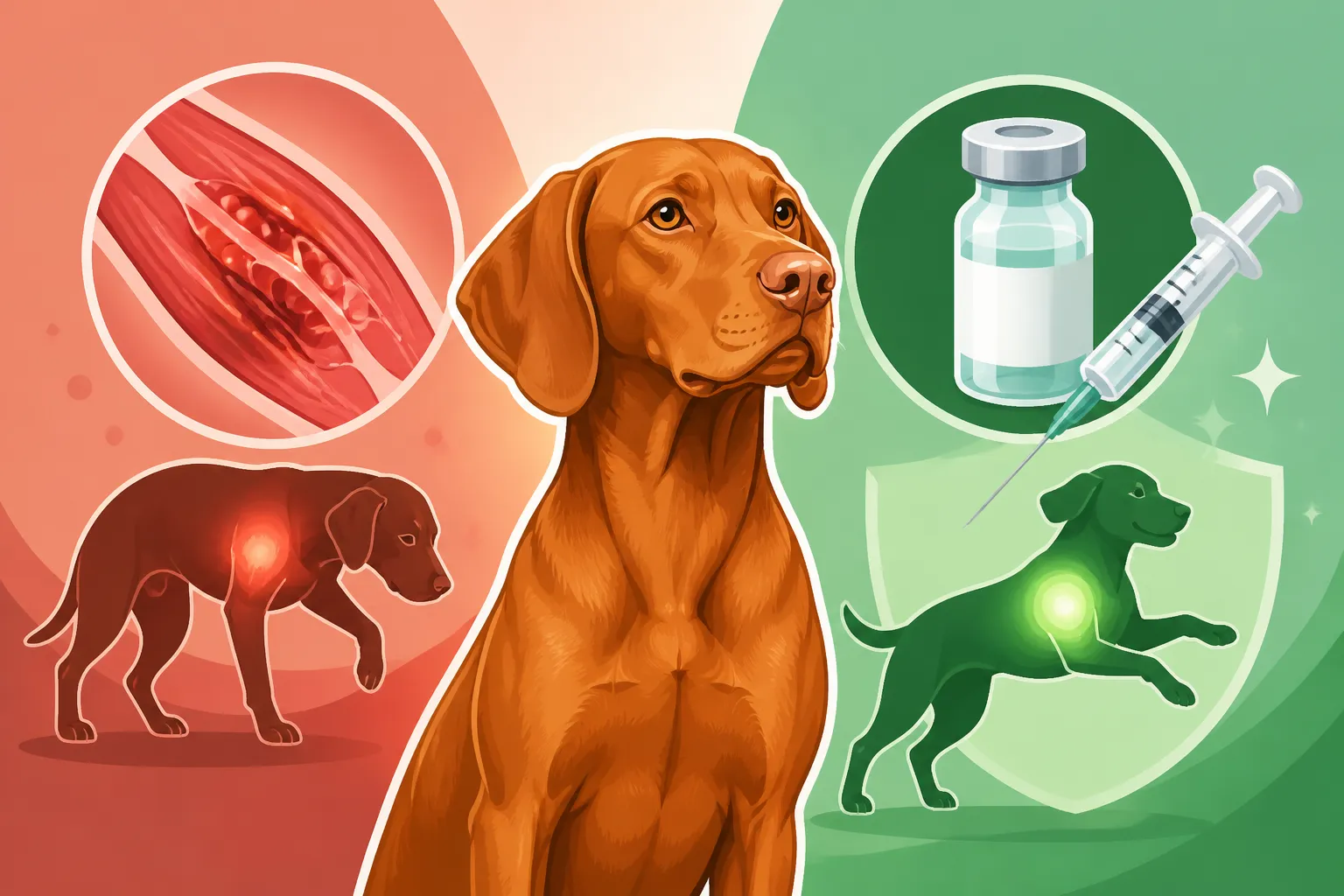
When a Vizsla is diagnosed with VIP, corticosteroids, commonly referred to as steroids, are almost always the first line of treatment. It's a heavy-hitting medication, and veterinarians prescribe it because of its potent anti-inflammatory and immunosuppressive properties. For an owner, giving your dog steroids can feel like a double-edged sword: you're hopeful for improvement, but also wary of the well-known side effects. The goal is to quell that overactive immune response as quickly and effectively as possible to halt the muscle destruction and allow for recovery. It's critical to understand that steroids aren't a cure, but rather a management tool designed to bring the immune system back into balance and control the disease's progression.
How Corticosteroids Work Their Magic
Corticosteroids, such as prednisone or prednisolone, are powerful medications that mimic hormones produced naturally by the adrenal glands. In the context of VIP, their primary "magic" lies in their ability to suppress the immune system. They do this by reducing the production of inflammatory chemicals and cells that are mistakenly attacking your Vizsla's muscle tissues. By calming this aggressive immune response, steroids aim to decrease inflammation, reduce pain, and prevent further muscle damage. This allows the affected muscles a chance to heal and, hopefully, regain some function. The dosage is typically quite high initially, known as an "induction dose," to achieve rapid suppression of the disease. This aggressive start is often necessary because VIP can progress quickly if left unchecked. Your vet will carefully calculate this dose based on your Vizsla's weight and the severity of the disease.
Initial Response and Expected Outcomes
Many Vizslas respond remarkably well to an initial course of high-dose steroids. Within days to a couple of weeks, owners often report seeing significant improvements. Their dog might start eating more easily, show less pain, and gradually regain strength in their facial and neck muscles. It’s a huge relief to witness these changes, a flicker of the old Vizsla returning. This positive initial response is why steroids are considered the cornerstone of VIP treatment. However, it’s important to manage expectations. While many dogs improve, complete resolution of all symptoms, especially severe muscle wasting, might not always be achievable. Some muscle damage can be permanent, and some dogs may never fully recover their previous muscle mass or function. The aim is to achieve the best possible quality of life and functionality, even if it means some lasting changes. This initial phase is about stabilization and getting the inflammation under control. The good news is that for many Vizslas, treatment is possible, and you can learn more about this by reading Whether a Vizsla With VIP Can Be Treated.
Navigating the Realities of Steroid Treatment for Your Vizsla
While steroids are incredibly effective at combating VIP, they come with a host of side effects that can be just as challenging for owners to manage as the disease itself. It’s a delicate balance between treating the primary condition and mitigating the adverse reactions to the medication. This is where patience, observation, and close communication with your veterinarian become paramount. Understanding these realities upfront can help you prepare for the journey ahead.
Managing the Unavoidable Side Effects
No two Vizslas will react to steroids exactly the same way, but there are some common side effects that most owners encounter. The most well-known are increased thirst (polydipsia) and increased urination (polyuria), which means more trips outside and potentially accidents indoors, especially if you're not prepared. Your Vizsla will likely also develop a ravenous appetite (polyphagia), leading to rapid weight gain if not carefully managed. You might see behavioral changes, too: increased panting, restlessness, and sometimes even aggression or anxiety. Some Vizslas develop a "pot-bellied" appearance due to fluid retention and muscle loss in their abdomen. Long-term use can thin the skin, make them more susceptible to infections, and even lead to diabetes or secondary conditions like pancreatitis.
It's a lot to contend with, and it's totally normal to feel overwhelmed. To help you anticipate and manage some of these challenges, here's a table outlining common steroid side effects and strategies to address them:
| Side Effect | Description | Management Strategies |
|---|---|---|
| Increased Thirst & Urination | Your Vizsla will drink and urinate much more frequently. | Ensure constant access to fresh water. Increase potty breaks significantly. Consider pee pads indoors, especially overnight. Be prepared for accidents. |
| Increased Appetite | A voracious, insatiable hunger that can lead to rapid weight gain. | Strictly measure food portions. Use low-calorie, high-fiber fillers (like green beans) to make meals feel larger. Avoid giving in to begging; it's a side effect, not true hunger. Consider slow-feeder bowls. |
| Panting & Restlessness | Heavy panting even at rest, difficulty settling, pacing. | Keep your Vizsla cool. Provide a comfortable, quiet sleeping area. Maintain a consistent routine. Your vet might suggest mild sedatives if it severely impacts sleep or causes distress. |
| Pot-Bellied Appearance | Swollen abdomen due to fluid retention and muscle redistribution. | This is often a cosmetic side effect. Focus on maintaining appropriate body condition with diet. Report any sudden, severe abdominal swelling to your vet immediately as it could indicate a more serious issue like bloat (though less common with steroid use). |
| Thinning Skin & Hair Loss | Skin can become fragile, prone to bruising, and hair may thin out. | Be gentle when grooming. Protect from sun exposure. Report any skin infections promptly to your vet. |
| Behavioral Changes | Can include anxiety, agitation, aggression, or even lethargy/depression. | Maintain routine and provide plenty of enrichment. Consult your vet if changes are severe; sometimes an adjustment in dose or an additional medication might be needed. Seek professional positive reinforcement training advice if aggression becomes an issue. |
| Muscle Weakness | Paradoxically, long-term steroid use can lead to muscle atrophy. | Combine steroid therapy with appropriate physical therapy and controlled exercise as advised by your vet. |
During this time, having a good pet insurance policy, like one from Healthy Paws, can be a lifesaver. Chronic conditions like VIP, with their ongoing medication and vet visits, can really add up. Many owners wish they had coverage for situations like these, which can involve repeated blood tests to monitor organ function and adjust medication.
Tapering, Long-Term Dosing, and Relapse Risks
Once the initial high dose has brought the VIP under control, the goal is to gradually reduce the steroid dosage to the lowest effective amount that maintains remission. This process, known as tapering, is crucial. Stopping steroids abruptly can cause serious health issues, including a rapid relapse of VIP symptoms or even an Addisonian crisis, where the body struggles to produce its own necessary hormones. The tapering schedule will be meticulously planned by your vet, often taking several weeks or even months.
Even on a low maintenance dose, some Vizslas may experience a relapse, where the symptoms of VIP return. This can be incredibly disheartening. A relapse often means returning to a higher steroid dose to regain control, and then restarting the tapering process. The risk of relapse means that regular monitoring and vigilant observation of your Vizsla's health are ongoing necessities. This often means a lifelong commitment to managing the condition, which can be a significant financial burden. This is another reason why comprehensive pet insurance, such as plans offered by Healthy Paws, can provide immense peace of mind, especially for chronic conditions that require continuous care.
Considering Adjunctive Therapies and Support
Sometimes, steroids alone aren't enough, or the side effects become too severe to manage. In these cases, veterinarians may introduce "adjunctive" or "steroid-sparing" medications. These are other immunosuppressants, like azathioprine or cyclosporine, that can help reduce the amount of steroids needed to control the disease. These medications also have their own potential side effects and require careful monitoring, but they can be a valuable tool in reducing the overall burden of steroid side effects.
Beyond medication, supportive care is vital. This includes:
- Dietary adjustments: High-quality, palatable food, often softer in consistency if chewing is difficult. For Vizslas struggling with severe dysphagia (swallowing difficulty), a raised feeding bowl or even a special feeding chair might become necessary. Check out Whether a Vizsla Needs a Feeding Chair for more information on this.
- Physical therapy: Gentle exercises can help maintain muscle mass and prevent contractures, guided by a certified canine rehabilitation therapist.
- Environmental management: Providing a calm, predictable home environment can help reduce stress, which can sometimes exacerbate autoimmune conditions.
- Regular vet check-ups: Frequent visits are essential to monitor your Vizsla's overall health, adjust medication, and catch any secondary issues early.
Prognosis and Maintaining Quality of Life
Living with a Vizsla diagnosed with VIP, especially one on long-term steroid therapy, requires dedication, patience, and an unwavering commitment to their well-being. The good news is that with appropriate management, many Vizslas can live happy, fulfilling lives, even if their physical capabilities are somewhat altered. It's a journey, not a sprint, and every day is about ensuring the best possible quality of life for your cherished companion.
Life on Steroids: What to Expect
For many Vizslas, life on steroids becomes the new normal. While the initial side effects can be intense, many dogs adapt, and often the side effects become more manageable on a lower maintenance dose. You'll likely need to adjust your routine to accommodate increased potty breaks and a strictly controlled diet. Your once ravenous dog might still beg, but you'll become a pro at ignoring those pleading eyes or offering approved low-calorie treats. Regular vet check-ups, potentially including blood work, will be a permanent fixture to monitor for potential long-term complications like liver issues or diabetes. This might feel like a lot, but seeing your Vizsla comfortable and active again makes it all worthwhile.
It's also important to recognize that while steroids can control the disease, they don't necessarily 'cure' it in the sense that your Vizsla will fully recover and never need medication again. While some dogs might eventually be weaned off steroids completely, many will require a low maintenance dose for life to prevent relapse. For a deeper dive into recovery expectations, you can explore Whether a Vizsla Recovers From VIP. The key is understanding that managing a chronic condition is a marathon, not a sprint. Knowing What Vizslas Are Most Often Treated For can help put VIP in perspective relative to other common Vizsla ailments.
The Importance of a Holistic Approach
Beyond the medication, a holistic approach is crucial for a Vizsla with VIP. This means paying attention to their emotional and physical well-being.
- Mental Stimulation: Even if physical exercise is curtailed, mental enrichment through puzzle toys, scent games, and short, positive training sessions is essential to keep their intelligent minds active and happy.
- Comfort: Ensuring they have a warm, comfortable bed, away from drafts, is important, especially since steroids can sometimes make dogs feel colder or their coats thinner.
- Stress Reduction: Vizslas are sensitive souls, and stress can impact their immune system. A stable, loving home environment, consistent routines, and positive interactions are key.
- Diet and Supplements: Discuss with your vet if any supplements, such as omega-3 fatty acids, might support skin health (which can be affected by steroids) or joint health (especially if muscle weakness puts extra strain on joints).
Ultimately, controlling Vizsla Inflammatory Polymyopathy with steroids is a journey that requires vigilance, adaptability, and boundless love. While the challenges are real, the profound bond you share with your Vizsla makes every effort worthwhile. Seeing them comfortable, happy, and enjoying their life is the greatest reward for navigating these complex medical waters. With careful management and a dedicated approach, your Vizsla can continue to be the wonderful, rusty companion you adore.
Disclaimer
The information provided in this article is for informational purposes only and does not constitute veterinary medical advice. Always consult with a qualified veterinarian for any health concerns or before making any decisions about your pet's medical treatment. Individual responses to medication can vary, and your veterinarian is the best resource for tailoring a treatment plan to your Vizsla's specific needs.