Whether a Vizsla Gets Masticatory Myositis
It's incredibly frightening when your vibrant, energetic Vizsla suddenly struggles to perform a basic action like eating or even opening their mouth. You watch them try to lap water or pick up kibble, and the pain or difficulty in their face is unmistakable, sending a chill down your spine. This struggle can be indicative of several conditions, and one that often causes concern, particularly in breeds with known immune sensitivities, is Masticatory Myositis. This guide will explore whether Vizslas can develop this specific autoimmune disorder and what you, as their dedicated owner, need to understand about it.
Understanding Masticatory Myositis (MM) in Dogs
Masticatory Myositis (MM) is one of those conditions that sounds incredibly complex, and in many ways, it is, but understanding the basics can make a world of difference when you're faced with a worried pup. It's a specific type of inflammatory myopathy, meaning an inflammatory disease of the muscle, but what makes it unique is its narrow focus on a particular set of muscles.
What Exactly is Masticatory Myositis?
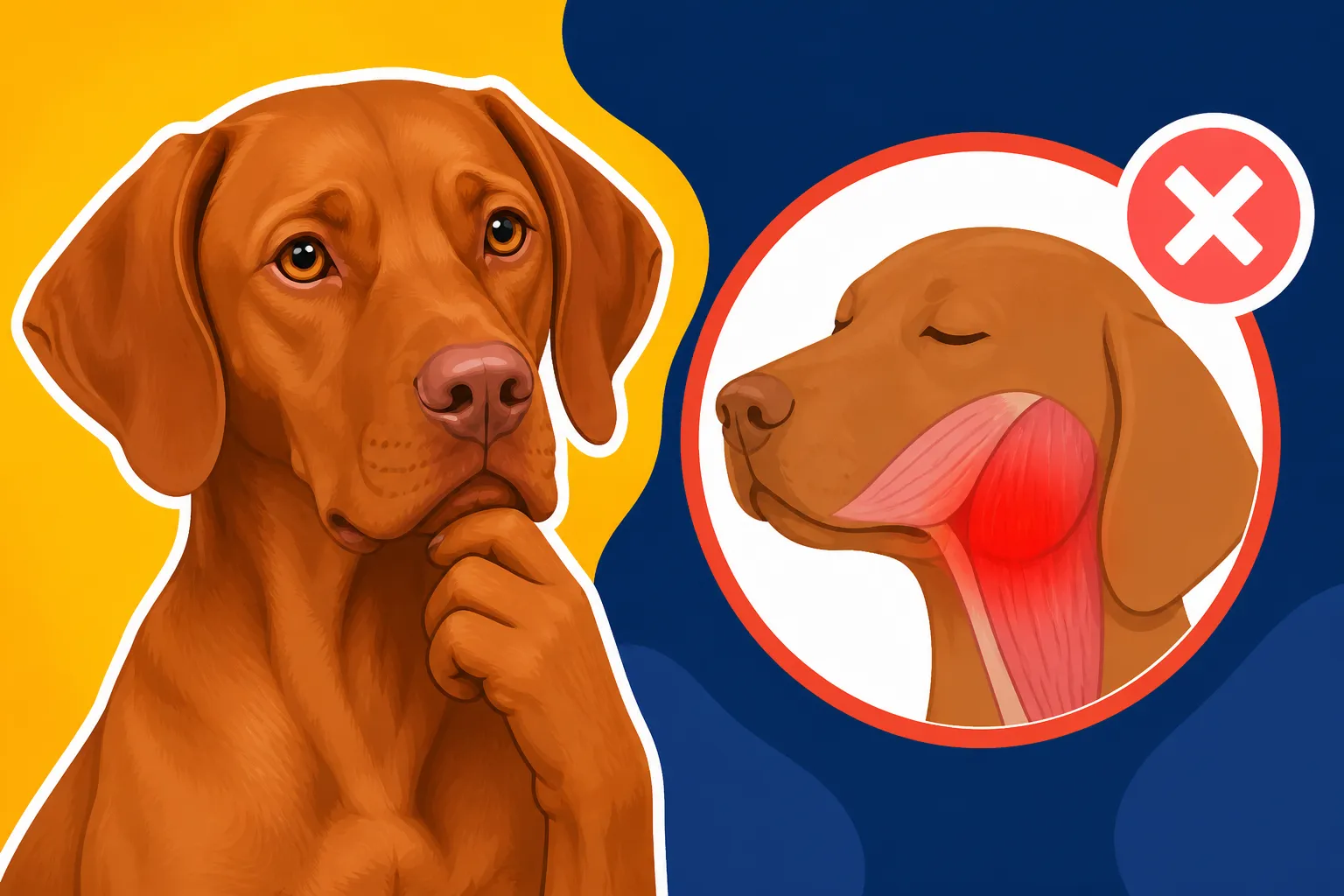
At its core, Masticatory Myositis is an autoimmune disease. This means your dog's own immune system, which is designed to protect them from foreign invaders like bacteria and viruses, mistakenly turns against certain cells in their body. In the case of MM, the immune system specifically targets the 2M muscle fibers, which are found almost exclusively in the muscles responsible for chewing – the masticatory muscles of the jaw. These muscles include the temporalis, masseter, and pterygoid muscles. When these fibers are attacked, they become inflamed, swollen, and eventually, if left untreated, they can atrophy or waste away.
This autoimmune assault leads to inflammation and pain, making it difficult, if not impossible, for your dog to open their mouth wide, chew food, or even yawn comfortably. Imagine having a severe toothache combined with intense jaw stiffness; that's likely a fraction of what a dog with MM experiences. The process can be acute and sudden, or it can be a more chronic, insidious progression that goes unnoticed until it's quite advanced. It's a truly debilitating condition that impacts a fundamental aspect of a dog's life: eating and comfort.
Why Certain Breeds Are More Susceptible
While any dog breed can theoretically develop Masticatory Myositis, it's certainly not an equal playing field. There are several breeds that veterinarians commonly see with MM, suggesting a genetic predisposition. Breeds like German Shorthaired Pointers, Labrador Retrievers, Golden Retrievers, Doberman Pinschers, and Cavalier King Charles Spaniels are often cited as having a higher incidence. The genetic links are still being researched, but it’s believed that specific immune system markers contribute to this increased risk in these lines.
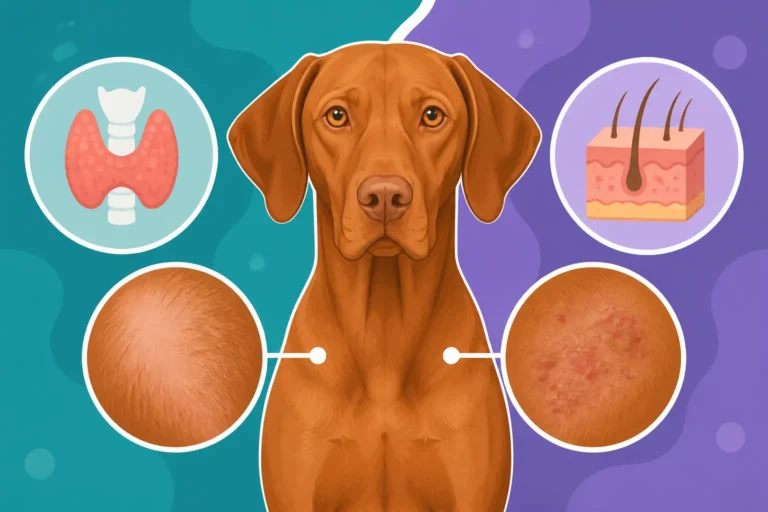
Now, where do Vizslas fit into this picture? Vizslas, unfortunately, are a breed renowned for having a somewhat fragile immune system, making them prone to a range of autoimmune diseases. You can learn more about this tendency in articles like Why a Vizsla's Immune System Is the Breed's Weak Point. While Masticatory Myositis is not as commonly linked to Vizslas as, say, Vizsla Inflammatory Polymyopathy (VIP), their overall autoimmune susceptibility means they are definitely not immune to MM. If your Vizsla exhibits symptoms, it should always be considered a possibility, even if less prevalent than in other breeds. This general predisposition to immune-mediated conditions means that Vizsla owners need to be particularly vigilant for any unusual symptoms that could point to an autoimmune attack, whether it's on their skin, their thyroid, or, indeed, their chewing muscles.
Recognizing the Signs and Symptoms
Catching Masticatory Myositis early can significantly improve the prognosis and reduce long-term damage to the jaw muscles. However, because our Vizslas are so stoic and eager to please, they can sometimes hide their discomfort until the condition is quite advanced. This makes a keen eye and attentiveness to subtle changes in behavior incredibly important for any Vizsla owner.
Early Warning Signs You Might Miss
The initial signs of MM can be quite subtle, and easily attributed to other minor ailments or even just a bad mood. One of the first things you might notice is a slight reluctance to chew hard food or toys. Your Vizsla, who usually demolishes a raw bone with gusto, might hesitate, drop it, or try to swallow smaller pieces whole. You might also observe them being a bit messier when eating, with more kibble falling out of their mouth. Sometimes, there's a soft, puffy swelling around the jaw muscles – particularly noticeable along the top of the head, behind the eyes. This isn't always obvious as it can come and go, or be so mild you only see it if you're looking closely.
Another subtle sign could be a change in how they drink. Instead of lapping water easily, they might struggle to get their tongue around the water effectively, making more noise or leaving more water on the floor. Pay attention to their interactions with other dogs or even their favorite squeaky toys. If they're suddenly less inclined to play tug or pick up a ball, it could be due to jaw discomfort. Any unexplained lethargy or grumpiness could also be a red flag, as chronic pain will definitely affect a Vizsla's usually sunny disposition. It's truly a test of how well you know your dog's normal routine and subtle cues.
Advanced Symptoms and How They Progress
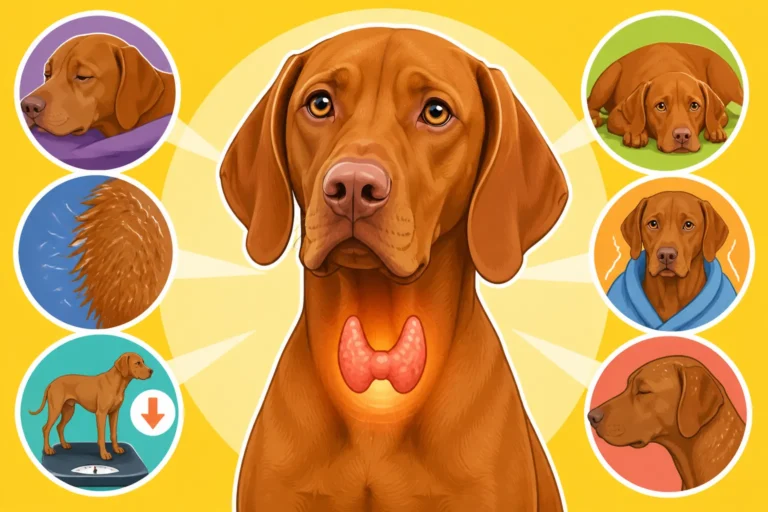
As Masticatory Myositis progresses without intervention, the symptoms become far more pronounced and concerning. The most dramatic and distressing sign is often the inability to open the mouth wide. This can range from a slightly restricted jaw to a completely "locked jaw" where the dog can barely open their mouth more than a centimeter or two. Eating becomes agonizingly difficult, leading to weight loss and nutritional deficiencies. You might find your Vizsla trying to eat by tipping their head to the side, or attempting to swallow soft foods without chewing. In severe cases, they may even drool excessively, as swallowing saliva becomes painful or difficult. This struggle to eat is something Vizsla owners might also see in other conditions, such as when Whether a Vizsla With VIP Struggles to Eat.
Beyond the jaw itself, you'll start to see significant muscle wasting, especially in the temporalis muscles on the top of the head, giving the dog's skull a much more prominent, almost concave appearance. The eyes can also be affected, with the third eyelid often protruding, giving them a perpetually sleepy or uncomfortable look. The pain can be constant, leading to withdrawal, aggression when approached around the head, or a general reluctance to be touched. Your once eager-to-please Vizsla may become irritable and avoid contact, which is truly heartbreaking to witness. At this stage, immediate veterinary attention is crucial, not just for diagnosis, but for pain management and to prevent further muscle degeneration.
The Diagnostic Process and Treatment Options
When you suspect Masticatory Myositis, getting a clear diagnosis swiftly is paramount. Your vet will approach this systematically, aiming to confirm MM while also ruling out other conditions that might present with similar symptoms. This process can sometimes be frustrating, requiring specific tests and careful observation, but it’s essential for getting your Vizsla the right help.
How Vets Confirm a Diagnosis
The diagnostic journey usually begins with a thorough physical examination. Your veterinarian will carefully examine your Vizsla's head and neck, assessing for pain, swelling, and any restriction in jaw movement. They'll likely palpate the jaw muscles and observe your dog attempting to open their mouth. From there, they'll often recommend blood tests. The gold standard for diagnosing MM is a specific blood test called the 2M antibody test. This test looks for antibodies that specifically target the 2M muscle fibers. A positive result strongly indicates MM.
In some cases, especially if the antibody test is inconclusive or other conditions are suspected, a muscle biopsy might be necessary. This involves taking a small sample of the affected jaw muscle under anesthesia and sending it to a lab for histopathological examination. This can provide definitive proof of inflammation and the characteristic changes seen with MM. It's also vital to rule out other conditions that can cause similar signs, such as temporomandibular joint (TMJ) disorders, oral foreign bodies, dental abscesses, or even other myopathies like the ones seen with What Vizsla Inflammatory Polymyopathy Does or understanding Whether Polymyositis and VIP Are the Same Thing. Each of these conditions has a different treatment protocol, which is why a precise diagnosis is so crucial.
Managing MM with Medical Intervention
Once Masticatory Myositis is confirmed, treatment typically focuses on suppressing the immune system to stop the attack on the jaw muscles and reduce inflammation. High doses of corticosteroids, such as prednisone, are usually the first line of defense. These powerful anti-inflammatory drugs work quickly to bring down swelling and pain, and many dogs show improvement within days of starting treatment. The dosage will often be tapered down over several weeks or months to the lowest effective dose that keeps symptoms under control.
For dogs that don't respond well to steroids alone, or who experience unacceptable side effects, other immunosuppressive medications might be introduced. These can include drugs like azathioprine or cyclosporine. Pain management is also a critical component, and your vet may prescribe non-steroidal anti-inflammatory drugs (NSAIDs) or other pain relievers to keep your Vizsla comfortable, especially during the initial acute phase. In very severe cases where the dog cannot eat at all, a temporary feeding tube may be necessary to ensure they receive adequate nutrition while the medications take effect. Physical therapy, which might involve gentle jaw stretching exercises, can also play a role in regaining mobility once the acute pain subsides.
Long-Term Outlook and Management
The long-term outlook for dogs with Masticatory Myositis can vary. Many dogs respond well to treatment, especially if diagnosed and treated early, and can lead a relatively normal life. However, MM is often a chronic condition, meaning relapses are possible, and many dogs require lifelong management with low doses of immunosuppressive medication. This isn't just about managing symptoms; it's about preventing the irreversible muscle atrophy that can occur with repeated inflammatory attacks. Consistent follow-up with your veterinarian is essential to monitor medication effectiveness, adjust dosages as needed, and watch for any signs of relapse.
Managing a chronic condition like MM also comes with financial implications. The cost of diagnostic tests, ongoing medications, and potential specialist visits can add up quickly. This is where pet insurance can be a real lifesaver. Companies like Healthy Paws, for instance, can help mitigate these costs, ensuring you can focus on your Vizsla's health without the added stress of exorbitant vet bills. Having coverage for these unexpected, and often expensive, immune-mediated conditions means you don't have to make decisions based purely on your wallet. While the cost of What Treating a Vizsla's Polymyopathy Costs might give you an idea of related expenses, MM also requires dedicated financial planning. With careful management, dedication, and sometimes the support of a good insurance policy, many Vizslas with MM can continue to enjoy a good quality of life.
Differentiating MM from Other Vizsla Health Concerns
Because Vizslas are prone to a range of health issues, particularly those related to their immune system, it's crucial to distinguish Masticatory Myositis from other conditions that might present with similar symptoms. A misdiagnosis can lead to ineffective treatment and prolonged suffering for your beloved dog. Understanding the nuances between these conditions is key.
Vizsla Inflammatory Polymyopathy (VIP) vs. Masticatory Myositis
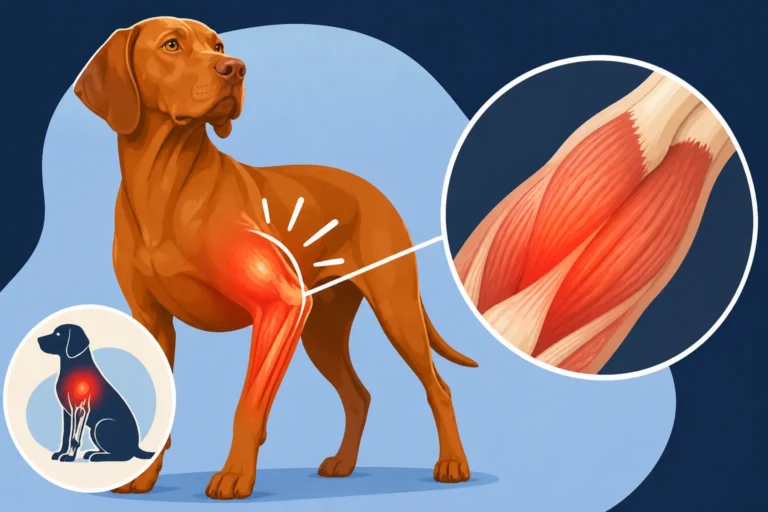
This is perhaps the most important distinction for a Vizsla owner to understand. Vizsla Inflammatory Polymyopathy (VIP) is a breed-specific autoimmune muscle disease that predominantly affects the muscles of the head, neck, and sometimes the esophagus. You can read more about this unique condition in depth in The Muscle Disease Named After the Vizsla. While both MM and VIP are autoimmune myopathies and can cause difficulty eating, there are critical differences. MM specifically targets the 2M fibers in the masticatory (chewing) muscles. VIP, on the other hand, is a more generalized polymyopathy, meaning it affects multiple muscle groups, often starting with the neck and head but potentially progressing to other areas, including the esophagus, which can lead to severe swallowing difficulties and aspiration pneumonia.
A key differentiator often lies in the clinical signs and diagnostic tests. With MM, the jaw muscles are the primary focus of inflammation and atrophy, leading to restricted jaw opening. With VIP, while chewing might be difficult due to neck pain or muscle weakness, severe jaw locking is less common. Instead, dogs with VIP might show more profound generalized weakness, a stiff gait, or vocal changes. The specific diagnostic tests also differ; while MM has the 2M antibody test, VIP typically requires a muscle biopsy and specific genetic testing, and often involves identifying inflammation in multiple muscle groups. Both conditions involve immunosuppressive therapy, but the long-term management and specific presentation can guide the diagnostic approach.
Other Oral and Facial Issues
Beyond autoimmune myopathies, a myriad of other issues can cause pain or difficulty in a Vizsla's mouth and face, and it's vital that your vet rules these out before settling on an MM diagnosis. Dental disease is incredibly common in dogs and can cause significant pain, making chewing difficult. Abscessed teeth, severe gum disease, or even a fractured tooth can mimic some of the symptoms of MM. Your vet will perform a thorough oral examination, often requiring sedation, to check for these issues.
Trauma or injury is another possibility, especially for active dogs like Vizslas who love to explore. A stick caught in the mouth, a jaw fracture from an impact, or even a deep cut could cause pain and reluctance to open the mouth. While What a Vizsla's Emergency Field Injury Costs might give you an idea of general expenses, diagnosing and treating such injuries specifically requires different approaches. Neurological issues, such as trigeminal nerve damage, can also impair jaw function, though this is less common. Tumors or cysts in the oral cavity or jaw area can also cause swelling and discomfort, requiring imaging studies like X-rays or CT scans for diagnosis. It's a comprehensive investigative process, as any good veterinarian will tell you, because getting to the correct root cause is the only path to effective treatment and a comfortable life for your Vizsla.
Comparison of Facial/Oral Issues in Vizslas
To help visualize the distinctions, here's a comparative table of symptoms for common facial and oral issues a Vizsla might experience. Keep in mind this is for informational purposes only and not a substitute for veterinary diagnosis.
| Symptom / Condition | Masticatory Myositis (MM) | Vizsla Inflammatory Polymyopathy (VIP) | Dental Disease / Oral Injury |
|---|---|---|---|
| Primary Target | Chewing (masticatory) muscles | Head, neck, esophageal muscles (more generalized) | Teeth, gums, oral soft tissues, jaw bones |
| Jaw Opening Restriction | Severe and prominent, jaw often "locked" | Moderate, often due to pain or weakness, not locking | Present if painful tooth or fracture, usually not locked |
| Muscle Atrophy | Pronounced in temporalis/masseter (sunken temples) | Present in head/neck, can be widespread | Localized swelling, not muscle wasting |
| Pain | High on palpation of jaw muscles | High in neck, muscles, reluctance to move head | Localized to specific tooth/area, often visible |
| Eating Difficulty | Struggles to chew, drops food, avoids hard food | Difficulty swallowing, gagging, regurgitation | Reluctance to chew on one side, favoring soft food |
| Third Eyelid Protrusion | Common | Less common | Rare, unless severe pain/stress |
| Swelling | Acute phase: swollen jaw muscles; Chronic: sunken | Neck muscle swelling, sometimes subtle facial | Localized around abscessed tooth, gumline |
| Vocal Changes | Rare, unless extreme pain | Common (hoarseness, muffled bark) | Rare, unless extreme pain/infection |
| Other Symptoms | Lethargy, weight loss | Generalized weakness, stiff gait, fever, aspiration | Pawing at mouth, bad breath, visible damage |
| Key Diagnostic Test | 2M antibody test, muscle biopsy | Muscle biopsy, genetic testing, electromyography | Oral exam (often sedated), X-rays |
Disclaimer
The information provided in this article is for general educational purposes only and should not be considered as professional veterinary advice. Always consult with a qualified veterinarian for any health concerns or before making any decisions related to your Vizsla's health and treatment.