Signs a Vizsla’s Thyroid Has Failed
It's incredibly disheartening when your energetic, vibrant Vizsla starts to slow down, gain weight, or develop a dull coat, leaving you wondering if it's just old age creeping in or something more serious. Often, these subtle changes are dismissed as normal wear and tear, but they can actually be the tell-tale signs that your beloved companion's thyroid isn't functioning correctly. This guide will walk you through the often-missed indicators of thyroid failure in Vizslas, helping you understand what to look for and when to seek veterinary help.
Understanding Hypothyroidism in Vizslas: More Than Just a "Slow Thyroid"
Hypothyroidism, often simply referred to as an underactive thyroid, is a common endocrine disorder in dogs, and Vizslas, unfortunately, seem to be predisposed to it. It occurs when the thyroid gland, located in your dog's neck, doesn't produce enough thyroid hormones. These hormones are absolutely critical for regulating metabolism, which pretty much governs every single cell function in the body. When hormone levels drop, it's like the body's internal engine starts running in slow motion.
This isn't just about weight gain, though that's a frequent and frustrating symptom. It affects everything from their skin and coat health to their energy levels, and even their immune system. What makes it particularly tricky in Vizslas is that their natural lean build and high energy can sometimes mask early symptoms. A slight drop in energy might be attributed to a less active week, or a little weight gain might be blamed on too many treats, before the underlying issue is considered. It's a condition that can gradually chip away at your Vizsla's quality of life if left unchecked, often leaving owners scratching their heads about why their usually robust dog just isn't "right."
Why Vizslas Are Prone to Thyroid Issues
While any dog can develop hypothyroidism, certain breeds, including our beloved Vizslas, seem to have a higher genetic predisposition. This isn't just bad luck; it's often linked to an autoimmune condition called lymphocytic thyroiditis, where the dog's own immune system mistakenly attacks and destroys the thyroid gland. Over time, as more and more thyroid tissue is damaged, the gland can no longer produce sufficient hormones. This is why it’s so important to be vigilant, especially if you have a family history of thyroid issues in your Vizsla's lineage.
Understanding this genetic component highlights the importance of responsible breeding practices and health screening. Many good breeders will screen their breeding dogs for thyroid function to try and reduce the incidence of this disease in future generations. Even with the best intentions, however, it can still appear, making regular veterinary check-ups and being aware of the signs absolutely crucial for any Vizsla owner. You can learn more about general thyroid health in our article, Whether a Vizsla's Thyroid Should Be Tested Yearly.
Spotting the Physical Clues: When Your Vizsla's Body Starts Talking
The physical signs of a failing thyroid in a Vizsla can be subtle at first, often developing gradually over months or even years. Because Vizslas are typically so lean, active, and have that striking short, golden-rust coat, any deviation from their norm can be particularly noticeable once you know what to look for. These aren't just cosmetic changes; they're indicators of internal metabolic slowdown that needs attention.
Changes in Coat and Skin Health
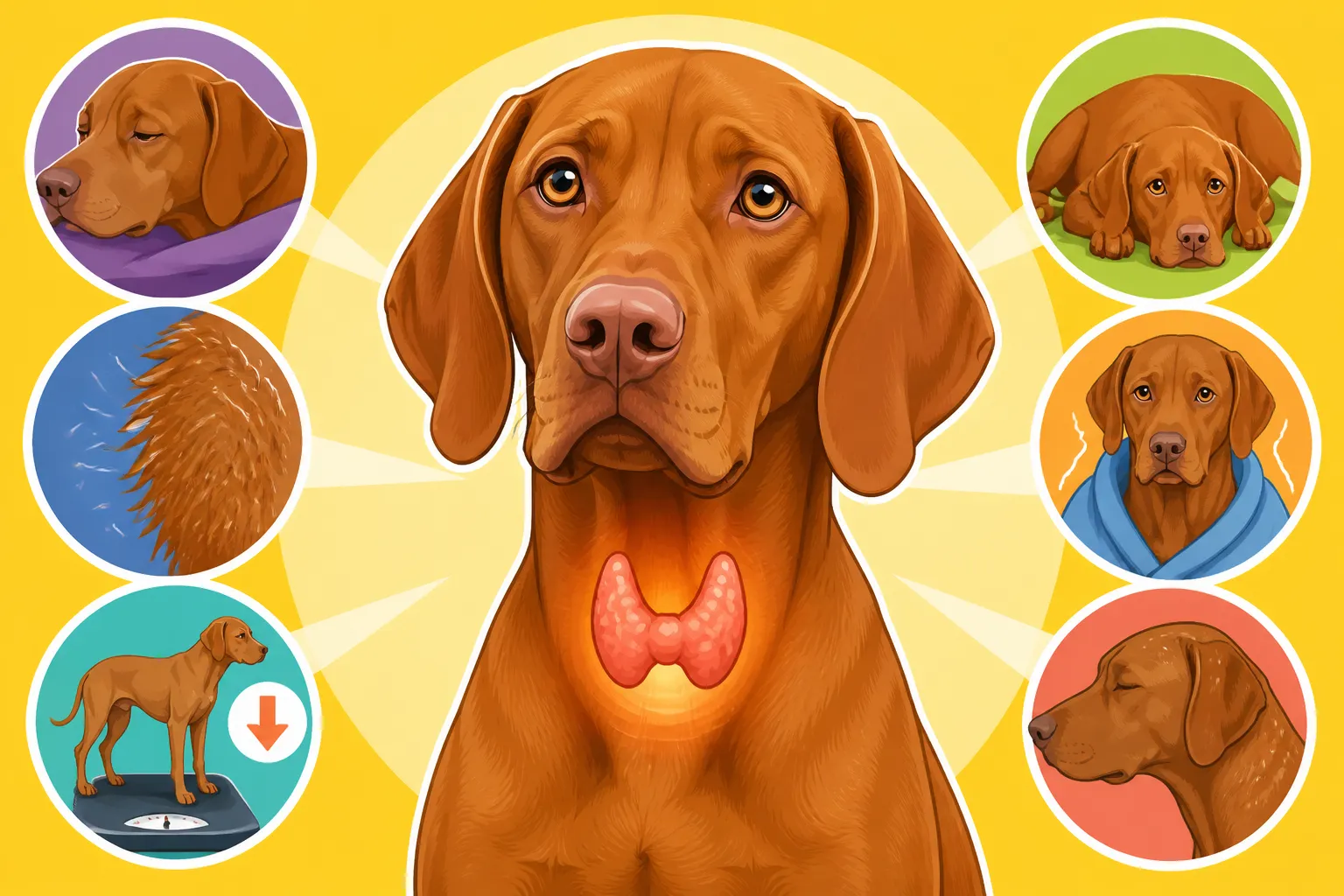
One of the most classic signs of hypothyroidism in dogs, and definitely something to watch for in your Vizsla, involves their skin and coat. You might start noticing that their usually sleek, vibrant golden-rust coat begins to look dull, dry, and even brittle. Instead of that healthy sheen, it might appear lifeless and sparse. This isn't just a bad hair day; it's a reflection of poor follicular health due to insufficient thyroid hormones.
Beyond the dullness, hair loss is a very common symptom. This typically occurs in a symmetrical pattern, often starting on the flanks, chest, and tail. You might see thinning hair on both sides of their body, or a "rat tail" appearance where the hair on their tail is noticeably sparse. Unlike some other skin conditions, this hair loss is usually non-itchy. The skin itself can also suffer; it might become dry, flaky, and even greasy to the touch, sometimes developing secondary bacterial or yeast infections because the skin's natural defenses are compromised. In some cases, the skin can even thicken and darken, a condition known as hyperpigmentation. It’s easy to confuse these symptoms with other common Vizsla skin issues, so it’s important to understand the full picture. For more details on differentiating skin conditions, check out Whether a Vizsla's Coat Loss Is Thyroid or Skin Disease.
Unexplained Weight Gain and Lethargy
This is perhaps one of the most frustrating and often-misinterpreted signs, especially for owners of typically high-energy breeds like Vizslas. Despite no changes in diet or exercise, your Vizsla might start to pack on the pounds. This isn't just a little extra fluff; it can be significant and resistant to your usual efforts to manage their weight. Thyroid hormones play a key role in regulating metabolism, so when they're deficient, the body burns fewer calories, leading to weight gain. It’s hard enough to keep weight on a Vizsla that burns everything it eats when they're healthy, so seeing them get chunky without cause is a huge red flag.
Coupled with weight gain, you'll almost certainly notice a significant decrease in their energy levels. Your once tireless hunting companion or enthusiastic running buddy might seem reluctant to play, tire quickly on walks, or simply prefer to nap more than usual. This isn't just "slowing down with age"; it's a profound shift. They might still get excited for a walk or a game, but their endurance will be drastically reduced. This lethargy can also manifest as mental dullness or a lack of enthusiasm for things they once loved. The dog who used to greet you at the door with a full-body wiggle might now just offer a tired tail wag from their bed. For more on this, consider reading Whether a Hypothyroid Vizsla Gains Weight.
Intolerance to Cold and Other Physical Changes
Vizslas are known for their thin coats and often feel the cold more acutely than many other breeds. However, a hypothyroid Vizsla will exhibit an even greater intolerance to cold. You might find them seeking out warm spots in the house more frequently, shivering even when indoors, or being particularly miserable on chilly days. This happens because a slowed metabolism generates less body heat, making them more susceptible to cold. This isn't just about putting on an extra sweater; it's a deeper physiological shift.
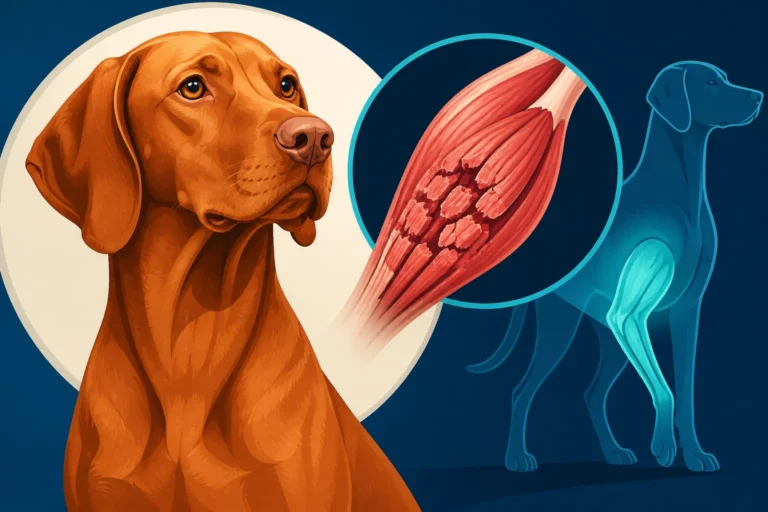
Other less common but still indicative physical signs can include muscle weakness or atrophy, especially in severe or long-standing cases. Their facial expression might appear sad or tragic due to changes in muscle tone. Some Vizslas might also develop a slow heart rate (bradycardia) or neurological issues, though these are less typical primary complaints. If you're noticing a combination of these symptoms, particularly the coat changes, weight gain, and lethargy, it's definitely time to have a serious conversation with your veterinarian.
Beyond the Surface: Behavioral and Energy Shifts to Watch For
While the physical symptoms often grab our attention first, a failing thyroid can also have a profound impact on your Vizsla's personality, energy levels, and overall demeanor. These changes can be particularly distressing for owners who cherish the typical exuberant, intelligent, and sensitive nature of the breed. It’s easy to dismiss these as "just getting old" or "being moody," but they are just as important as the physical signs.
Decreased Activity and Exercise Intolerance
Vizslas are renowned for their boundless energy and incredible stamina. They are dogs built to run, hunt, and be constantly on the go. So, when your typically high-drive Vizsla starts showing a marked decrease in activity, it's a glaring red flag. They might be less enthusiastic about their daily walks, seem to tire out much quicker than usual, or simply prefer to spend their time napping rather than engaging in their usual playful antics. This isn't just a minor dip; it's a noticeable shift from their baseline energy levels.
Imagine your Vizsla, who used to happily trot for miles, now lagging behind after a short walk, or the dog who would tirelessly chase a ball for twenty minutes, now gives up after just a few throws. This exercise intolerance isn't due to a lack of desire, but rather a physiological limitation caused by the metabolic slowdown. Their muscles simply aren't getting the necessary energy to perform as they once did. If your Vizsla, who historically needed at least The Two Hours a Vizsla Needs Before It Will Settle of vigorous exercise, is now content with a leisurely stroll, that’s a significant warning sign that something deeper is amiss.
Behavioral Changes and Mental Dullness
Hypothyroidism can also impact a Vizsla's cognitive function and emotional state. You might notice your once sharp and responsive dog seems a bit "off." They might appear mentally dull, less alert, or slower to respond to commands. Their characteristic intelligent spark might dim, and they may seem generally less engaged with their surroundings or family. It's not uncommon for owners to describe their hypothyroid Vizslas as "losing their personality" or becoming "less happy."
Beyond dullness, some dogs can exhibit more subtle behavioral shifts. They might become more anxious, irritable, or even show aggression in situations where they were previously calm. This isn't universal, but any uncharacteristic change in temperament, particularly if accompanied by other physical signs, warrants investigation. This isn't just a training issue; it's a potential sign of an underlying medical problem affecting their brain chemistry and overall well-being. It highlights how integral thyroid hormones are to a dog’s entire system, including their mental and emotional health.
Navigating Diagnosis and Treatment: Getting Your Vizsla Back on Track
Recognizing the signs of thyroid failure is the crucial first step, but the next equally important one is seeking a proper diagnosis and treatment. It can feel overwhelming to navigate veterinary visits and tests, but getting your Vizsla on the right path can dramatically improve their quality of life.
The Diagnostic Process: What to Expect at the Vet
When you suspect your Vizsla has a thyroid issue, your veterinarian will start with a thorough physical examination, taking into account all the symptoms you've observed. They'll be looking for those classic signs like a dull coat, poor skin condition, unexplained weight gain, and lethargy. This will typically be followed by blood tests.
The primary diagnostic tool is a complete thyroid panel. This isn't just a single T4 test; a comprehensive panel usually includes total T4 (TT4), free T4 (fT4), and thyroid-stimulating hormone (TSH) levels. Sometimes, autoantibodies (TgAA) are also checked, which can indicate if an autoimmune condition is attacking the thyroid.
Key Thyroid Test Markers and What They Indicate:
| Test Marker | What it Measures | What Low/High Levels Might Suggest |
|---|---|---|
| Total T4 (TT4) | Total amount of thyroid hormone in the blood | Low: Often indicates hypothyroidism, but can be influenced by other illnesses or medications. |
| Free T4 (fT4) | Amount of active, unbound thyroid hormone in the blood | More accurate indicator of true thyroid function, less affected by non-thyroidal factors. |
| TSH | Hormone released by the pituitary to stimulate the thyroid | High: Often indicates the body is trying hard to stimulate a failing thyroid (classic for hypothyroidism). Low: Can indicate hyperthyroidism (rare in dogs) or other issues. |
| TgAA | Autoantibodies against thyroglobulin | Presence suggests autoimmune thyroiditis, a common cause of hypothyroidism. |
It’s important to remember that certain medications (like steroids) or other illnesses can temporarily suppress thyroid hormone levels, leading to what's known as "euthyroid sick syndrome." Your vet will take your dog's full health history and any current medications into account to ensure an accurate diagnosis. Don't be afraid to ask for a full panel; it's worth the investment for a precise answer. You might be interested in knowing What a Thyroid Panel Costs on a Vizsla to prepare.
Treatment and Management: Getting Your Vizsla Back to Their Best
The good news about hypothyroidism is that it's typically very treatable. The cornerstone of treatment is lifelong thyroid hormone replacement therapy, usually in the form of a synthetic thyroid hormone called levothyroxine (L-thyroxine). This medication works by supplementing the hormones your Vizsla's body is no longer producing.
Once treatment begins, you should start to see improvements within a few weeks to months. Energy levels often pick up first, sometimes within days or a couple of weeks, making your Vizsla feel more like their old self. Weight management will become easier, and coat and skin improvements will gradually follow, though these can take several months to fully manifest as new, healthy hair grows in.
The dosage of levothyroxine is individualized and will likely require adjustments. Your vet will recommend follow-up blood tests (often 4-8 weeks after starting treatment or a dose change) to monitor their thyroid hormone levels and ensure the medication is at an optimal therapeutic dose. It's a lifelong commitment, but the medication is generally affordable and highly effective. Many owners find the cost of managing the condition to be very reasonable, especially when compared to the peace of mind and improvement in their dog's well-being. Pet insurance providers, such as Healthy Paws, often cover chronic conditions like hypothyroidism, which can certainly help manage the long-term costs of medication and regular blood work, making it less of a financial burden. For more information on treatment, read Whether Thyroid Medication Works on a Vizsla.
Maintaining your Vizsla's health with a thyroid condition also involves regular veterinary check-ups (usually every 6-12 months once stabilized), a balanced diet, and appropriate exercise. Even with a thyroid condition, with proper treatment, your Vizsla can still enjoy a full and active life, often reaching their full The Twelve to Fourteen Years a Vizsla Lives lifespan. Don't hesitate to discuss any concerns with your vet or your pet insurance provider like Healthy Paws, who can offer guidance on coverage for such chronic conditions.
Disclaimer
The information provided in this article is for general informational purposes only and is not intended as a substitute for professional veterinary advice, diagnosis, or treatment. Always seek the advice of your veterinarian or other qualified health provider with any questions you may have regarding a medical condition.