Whether a Vizsla Gets Von Willebrand Disease
It's incredibly unsettling when our vibrant, active Vizslas experience something out of the ordinary, especially if it involves bleeding or an unexplained bruise. Many of us worry about the hidden health challenges that can affect our beloved companions, making routine events like a nail trim or a simple dental procedure feel like a tightrope walk. This comprehensive guide is here to shed light on Von Willebrand Disease (vWD) in Vizslas, explaining what it is, how to spot its signs, and most importantly, how to manage it so your Vizsla can continue living their best, happiest life.
Understanding Von Willebrand Disease in Vizslas
When you hear about a bleeding disorder, your mind might jump to severe trauma or a nasty accident. But for some Vizslas, the issue lies deeper, within their very blood, stemming from an inherited condition called Von Willebrand Disease. It's not something they "catch," but something they're born with, and understanding it is the first step toward safeguarding their health.
What is Von Willebrand Disease?
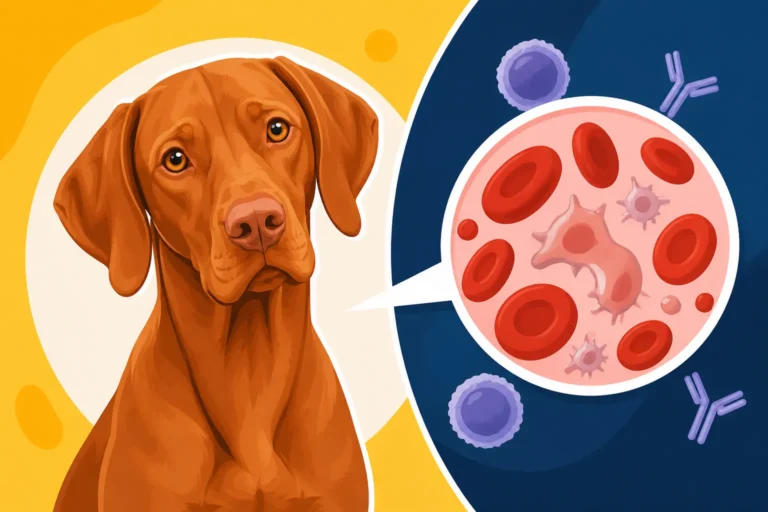
At its core, Von Willebrand Disease is the most common inherited bleeding disorder in both dogs and humans. It's all about a crucial protein called Von Willebrand factor (vWF). Think of vWF as the sticky glue that helps your blood clot. When a blood vessel is injured, platelets—tiny cells responsible for forming a plug—rush to the site. The vWF acts as a bridge, helping these platelets stick together and adhere to the injured vessel wall. Without enough functional vWF, or with vWF that doesn't work correctly, this initial plug can't form properly, leading to prolonged or excessive bleeding.
In Vizslas, the most prevalent form is Type 1 vWD. This means that while they do produce the Von Willebrand factor, they don't produce enough of it. It's like having a jar of glue that's only half-full – it might work for small jobs, but for anything significant, you'll run into trouble. This is different from Type 2, where the factor is present but abnormal, or Type 3, where there's almost no vWF at all, leading to severe bleeding. For our Vizslas, Type 1 means their levels are lower than normal, and the severity of symptoms can be incredibly varied. Some dogs might never show a single sign, while others could face life-threatening bleeding episodes.
Why are Vizslas at Risk?
It's a tough truth that purebred dogs, including our cherished Vizslas, can be more susceptible to certain genetic conditions due to their breeding history and, in some cases, a narrower gene pool. Von Willebrand Disease is one such condition where a genetic predisposition exists within the breed. Type 1 vWD in Vizslas is considered an autosomal dominant trait with incomplete penetrance, which sounds complicated but essentially means that a dog only needs one copy of the abnormal gene to be affected, though not all affected dogs will show outward signs.
The history of the Vizsla breed, which faced near extinction twice and was rebuilt from a relatively small number of dogs, means that certain genes, both good and bad, became more concentrated. This phenomenon is why Vizslas carry so much immune disease and other genetic predispositions. Responsible breeders are keenly aware of these risks and utilize genetic testing to screen their breeding stock. However, not all breeding lines have been rigorously tested, and the disease can quietly persist in the population. It's a stark reminder that even with the best intentions, genetic conditions like vWD can be a concern for any Vizsla owner.
Recognizing the Signs and Getting a Diagnosis
One of the biggest frustrations with Von Willebrand Disease is its chameleon-like nature. The signs can be so subtle or so infrequent that they might be easily dismissed, leaving you second-guessing if what you're seeing is truly a problem or just a normal mishap in your adventurous Vizsla's life. However, knowing what to look for can make all the difference.
Common Symptoms of Von Willebrand Disease
Symptoms of vWD can range from incredibly mild to severely life-threatening, and they often become apparent when a dog experiences some form of trauma or surgery. Perhaps your Vizsla gets a minor cut, and it just keeps bleeding, far longer than you'd expect. Or maybe you notice unexplained bruising on their belly or inner legs after a particularly vigorous run in the field. Nosebleeds, especially recurrent ones that seem to come out of nowhere, can also be a red flag. For a breed like the Vizsla, known for its high energy and occasional bumps and scrapes, it can be hard to differentiate normal bumps from a bleeding disorder.
More severe signs might include bleeding into the gastrointestinal tract, which you might notice as dark, tarry stools (melena) or fresh blood in their vomit. Prolonged bleeding after a tooth extraction, during a spay or neuter surgery, or even after a routine nail trim that goes a little too deep, are classic indicators. Imagine taking your energetic Vizsla in for a routine procedure and getting a call from the vet expressing concern about unusual blood loss. It's a terrifying scenario, but one that early awareness of vWD can help mitigate. Unlike other conditions where a Vizsla might hide its pain, bleeding is often quite obvious once it starts, though the source can sometimes be mysterious.
Here's a quick look at common symptoms:
| Symptom Category | Specific Examples | Severity Level |
|---|---|---|
| Mucosal Bleeding | Nosebleeds (epistaxis), bleeding gums | Mild to Moderate |
| Skin/Subcutaneous | Easy bruising, hematomas (blood pooling under skin) | Mild to Moderate |
| Prolonged Bleeding | After minor cuts, nail trims, tooth extractions, surgery | Moderate to Severe |
| Internal Bleeding | Blood in stool (melena), bloody vomit (hematemesis), joint bleeding | Severe |
| Reproductive | Excessive bleeding during heat cycles or whelping | Moderate |
How Vets Diagnose vWD
If you suspect your Vizsla might have vWD, the first step is always a thorough conversation with your veterinarian. They'll take a detailed history, asking about any past bleeding episodes, their duration, and severity. This information, combined with a physical examination, can help them determine if further testing is warranted. A common initial screening test is the Buccal Mucosal Bleeding Time (BMBT). This involves making a small, standardized incision on the inside of the dog's lip and timing how long it takes for the bleeding to stop. A prolonged BMBT suggests a primary hemostasis (platelet function) defect, which includes vWD, but it's not specific to it.
For a definitive diagnosis, more specialized tests are needed. The gold standard is a quantitative measurement of the Von Willebrand factor antigen (vWF:Ag) level in the blood. This test directly measures how much vWF is circulating. Low levels confirm the presence of vWD. Additionally, genetic testing (a DNA test) is available for many breeds, including Vizslas, to identify the specific mutation associated with Type 1 vWD. This test can tell you if your dog is clear, a carrier, or affected, even if their vWF:Ag levels are only mildly reduced or if they're currently asymptomatic. Knowing your Vizsla's status before any planned surgery, like a spay or neuter, is incredibly important. Many responsible owners will ensure their Vizsla needs a yearly blood panel as part of their routine health checks, and for some, vWD screening might be included or recommended.
Managing and Living with Von Willebrand Disease
Discovering your Vizsla has Von Willebrand Disease can feel overwhelming, but it's important to remember that it's a manageable condition. While there's no cure, understanding the necessary precautions and having a plan in place can ensure your beloved companion continues to lead a full and active life. This means proactive care and being prepared for potential emergencies.
Treatment and Emergency Protocols
The reality is that there's no "cure" for Von Willebrand Disease; we can only manage its effects, especially during a bleeding crisis. If your Vizsla experiences significant blood loss due to vWD, the primary emergency treatment is a transfusion of blood products. This could be whole blood, fresh frozen plasma, or cryoprecipitate. Cryoprecipitate is often preferred because it's a concentrated source of Von Willebrand factor, along with other clotting factors. These transfusions directly supply the missing vWF, helping the blood to clot more effectively.
Another medication you might hear about is Desmopressin (DDAVP). In some dogs with Type 1 vWD, DDAVP can temporarily stimulate the release of stored vWF from the body's cells. However, its effectiveness varies greatly from dog to dog, and it's not a reliable solution for all affected Vizslas. Your vet would need to perform a "DDAVP challenge" to see if your dog responds positively before relying on it in an emergency. The most critical step for any Vizsla owner whose dog has vWD is to inform every veterinary professional, groomer, or anyone else who might handle your dog, about their condition. Having a medical alert tag on their collar, like a bright red one stating "VWD – Bleeding Disorder," can be a lifesaver in an unexpected emergency. For an active breed like the Vizsla, prone to minor injuries while hunting or playing, such as when a Vizsla cuts itself hunting, quick action and awareness are paramount.
Long-Term Care and Prevention
Living with a Vizsla with vWD requires a thoughtful approach to their daily life. The goal is to minimize the risk of injury and to be prepared if bleeding does occur. This means being mindful during play – perhaps avoiding overly rough games or environments that pose a higher risk of cuts and scrapes, like thorny underbrush. For those with working Vizslas, assessing the terrain and taking extra precautions might be necessary. It’s also important to be aware of medications that can exacerbate bleeding. Certain drugs, like aspirin and some NSAIDs (non-steroidal anti-inflammatory drugs), inhibit platelet function and should generally be avoided in dogs with vWD unless absolutely necessary and under strict veterinary guidance. Always consult your vet before giving any over-the-counter medications.
From a preventative standpoint, the most crucial action lies in responsible breeding. Dogs diagnosed with vWD, even those with mild symptoms or those who are just carriers, should absolutely not be used for breeding. This is a fundamental principle of ethical breeding to prevent the perpetuation of genetic diseases. Genetic testing for vWD is readily available, and responsible Vizsla breeders should screen their breeding stock. You can also ask breeders about the results of Von Willebrand testing, alongside other essential health screens, as part of The Health Tests Both Vizsla Parents Should Have. For owners, the financial implications of managing a bleeding disorder can be significant, especially if emergency transfusions are needed. This is where pet insurance can be a genuine lifeline. Many Vizsla owners wisely invest in coverage from companies like Healthy Paws to help cover unexpected medical costs, particularly for conditions that might require extensive or emergency treatment, easing the burden of what a Vizsla's emergency field injury costs. Having insurance like Healthy Paws can provide peace of mind, knowing that you can afford the best care for your Vizsla without financial distress during a crisis.
Disclaimer
This article is intended for informational purposes only and does not constitute veterinary advice. Always consult with a qualified veterinarian for any health concerns or before making any decisions about your Vizsla's medical care.