Whether a Vizsla Gets Dental Disease
It's a common oversight for many of us, but our beloved Vizslas, with all their energy and zest for life, are just as susceptible to dental problems as any other dog. We often focus on their boundless exercise needs or their "Velcro" tendencies, forgetting to peek inside that ever-smiling mouth. The truth is, ignoring oral hygiene can lead to significant pain, infection, and even serious systemic health issues for your Vizsla. This guide will walk you through everything you need to know about dental disease in Vizslas, from spotting the subtle signs to implementing a comprehensive care routine that keeps their pearly whites, and their whole body, healthy.
Understanding Dental Disease in Vizslas
Dental disease, often referred to as periodontal disease, is one of the most common health issues affecting dogs, and Vizslas are certainly not immune. It’s not just about bad breath; it’s a progressive condition that can lead to severe discomfort and impact their overall well-being. Thinking about What Vizslas Are Most Often Treated For, dental issues often rank high on the list, especially as they age.
The Silent Threat of Periodontal Disease
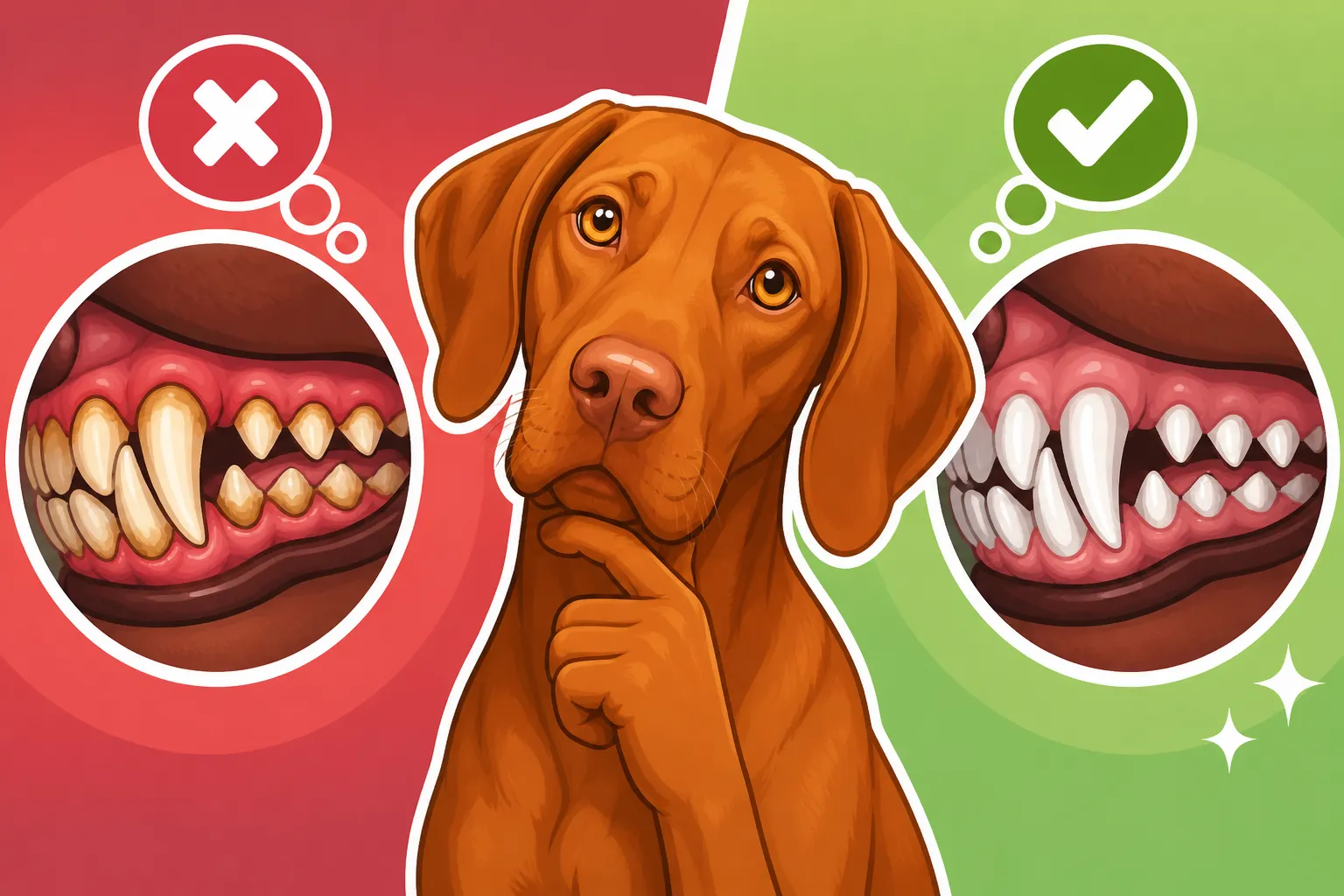
Periodontal disease begins insidiously, often without any obvious signs to the untrained eye. It starts when bacteria in your dog's mouth mix with saliva and food particles to form plaque. This soft, sticky film constantly forms on the tooth surfaces. If plaque isn't removed regularly, it hardens into tartar (or calculus), a rough, porous substance that adheres strongly to the teeth, both above and below the gum line.
Once tartar forms, it acts as a perfect breeding ground for more bacteria, irritating the gums and causing inflammation known as gingivitis. You might notice your Vizsla's gums looking a little red or swollen, perhaps even bleeding slightly if you touch them. This stage is reversible with proper dental care. However, if left untreated, gingivitis progresses to periodontitis. This is where the real damage starts. The infection spreads beneath the gum line, attacking the supporting structures of the teeth – the periodontal ligament and the bone. Pockets form between the gums and teeth, collecting more bacteria and pus. This leads to irreversible bone loss, gum recession, and eventually, tooth mobility and loss. It’s a truly painful process that your stoic Vizsla might hide until it's quite advanced, making early intervention critical.
Why Vizslas Might Be Particularly Susceptible
While dental disease is widespread in all breeds, several factors can influence a Vizsla's individual susceptibility. Genetically, some dogs may be predisposed to developing more plaque and tartar, or have immune systems that react more strongly to the bacterial challenge. Although Vizslas don't typically have the crowded, misaligned teeth often seen in brachycephalic (short-nosed) breeds, which naturally trap food and promote bacterial growth, they can still experience these issues. Any minor malocclusion or spacing can create areas ripe for plaque accumulation.
Their diet plays a role too. Many owners believe that feeding crunchy kibble alone will keep their dog's teeth clean, but this is often a myth. While some specialized dental kibbles are designed to mechanically scrape teeth, most standard kibbles shatter too easily to provide a significant cleaning action. Soft, wet foods offer virtually no dental benefit and can even contribute to plaque buildup. A lack of appropriate chewing habits is another factor. Vizslas are powerful chewers, but if they aren't provided with safe, dental-friendly chew toys or bones, they might not be getting the necessary abrasive action to remove plaque. Conversely, giving them toys that are too hard, like real bones or antlers, can lead to painful slab fractures or chipped teeth, opening the door to infection. Finally, the simple lack of a consistent home dental care routine is the biggest culprit. Unlike us, dogs can't brush their own teeth, and without our help, dental disease is almost inevitable over their The Twelve to Fourteen Years a Vizsla Lives.
Recognizing the Signs and Symptoms
Because Vizslas are known for their hardy nature and incredible pain tolerance, they often mask discomfort until a condition is quite advanced. This makes it crucial for us, as their owners, to be vigilant and know what to look for when it comes to dental disease. Don't assume your Vizsla is fine just because they're still eating – they're masters of disguise when it comes to pain.
Early Warning Signals to Look For
The earliest and perhaps most common sign of dental disease is Whether a Vizsla's Breath Smells, or halitosis. Many owners dismiss "doggy breath" as normal, but it's actually a strong indicator of bacterial overgrowth in the mouth. If your Vizsla's breath makes you wince, it's time to investigate further.
Beyond breath, take a closer look at their gums and teeth. You might notice that their gums appear redder than normal, swollen, or even bleed slightly when they chew on a toy or if you gently touch them. This is a classic sign of gingivitis. Visible tartar buildup is another giveaway. Those yellow or brownish deposits near the gum line, especially on the canine teeth and molars, are hard tartar that needs professional removal. If you see this, the plaque has already been there for a while.
Sometimes, your Vizsla might show subtle changes in their eating habits or overall behavior. They might start favoring one side of their mouth when chewing, or perhaps they're a bit more reluctant to chew on their favorite hard toy or bone. They might drop food more often than usual, or chew more slowly. In some cases, a dog with dental pain might become a little more irritable, withdrawn, or even paw at their mouth. They may also show less enthusiasm for activities they once loved, simply because they're not feeling 100%.
Advanced Indicators and Complications
As dental disease progresses, the signs become more severe and obvious. You might notice loose or even missing teeth – a clear indication of significant bone loss and infection. The infection can create abscesses, which might manifest as swelling on your Vizsla's face, often just under the eye or along the jawline. You may even see pus oozing from around the gum line.
The pain associated with advanced dental disease can be so intense that your Vizsla might completely stop eating hard food, or show extreme reluctance even with softer meals, leading to noticeable weight loss. Beyond the mouth, the bacteria from severe dental infections don't stay put. They can enter the bloodstream and travel to other organs, leading to serious systemic health complications. The kidneys, heart (particularly the heart valves), and liver are all vulnerable to damage from these circulating bacteria. This connection highlights why good dental health isn't just about teeth; it's about the entire body. In extreme cases, especially in smaller breeds or those with severe bone loss in the jaw, simple chewing could even lead to a pathological jaw fracture, though this is less common in the robust Vizsla. For an older Vizsla, recognizing these signs becomes even more important as their general health may already be compromised, making dental issues more debilitating. Keep an eye on your The Old Vizsla That Still Wants to Hunt, as even their strong drive can't overcome severe dental pain.
Here's a quick overview of common dental disease signs:
| Symptom | Early Stage Indicator | Advanced Stage Indicator |
|---|---|---|
| Breath | Mild "doggy breath" | Severe, foul odor (halitosis) |
| Gums | Redness, slight swelling, mild bleeding | Significant swelling, deep red, pus, recession |
| Teeth | Yellow plaque, some tartar buildup | Heavy tartar, loose teeth, missing teeth, discoloration |
| Eating Habits | Slight reluctance to chew hard items | Dropping food, refusal to eat, chewing on one side |
| Behavior | Pawing at mouth, mild irritability | Lethargy, facial swelling, pain response to touch |
| Overall Health | None immediately apparent | Weight loss, systemic issues (heart, kidney, liver) |
Proactive Dental Care Strategies for Your Vizsla
The good news is that dental disease is largely preventable or manageable with consistent, proactive care. It requires a commitment, but the payoff in terms of your Vizsla's comfort, health, and longevity is immeasurable. Just like you budget for What a Vizsla Costs a Year to Keep, you should also budget time and resources for their oral health.
Establishing a Home Dental Routine
The cornerstone of effective dental care for your Vizsla starts right at home. The goal is to reduce plaque buildup before it hardens into tartar.
The gold standard for home dental care is daily tooth brushing. Yes, it sounds daunting, but it’s more manageable than you think, especially if you start when your Vizsla is a puppy. You'll need a dog-specific toothbrush (finger brushes or small human toothbrushes work too) and canine toothpaste. Never use human toothpaste, as it often contains xylitol, which is toxic to dogs, and fluoride, which can cause stomach upset if swallowed. Start slowly, introducing the toothbrush and toothpaste with positive reinforcement. Let them lick the toothpaste first, then gently rub your finger along their gums, eventually moving to a brush. Focus on the outside surfaces of the upper teeth, where plaque tends to accumulate most. Remember, consistency is key! If daily is too much, aim for every other day, but Whether a Vizsla Needs Its Teeth Brushed is a resounding yes.
Beyond brushing, dental chews and toys can be beneficial, but choose wisely. Look for products that have been awarded the Veterinary Oral Health Council (VOHC) seal of approval, which means they've met specific standards for reducing plaque and/or tartar. Avoid chews that are too hard, as they can lead to painful tooth fractures. If you can't indent it with your thumbnail, it's likely too hard for your Vizsla's teeth. Safe options include specific dental kibbles or chew toys designed to scrape teeth gently. You might also consider water additives, though their efficacy varies and they should be used as an adjunct, not a replacement, for brushing.
The debate around diet and dental health is ongoing. While some proponents of raw or fresh food diets claim they improve dental health due to their natural abrasive action, scientific evidence is still emerging. If considering a fresh food diet, discuss it thoroughly with your vet to ensure it's balanced and meets your Vizsla's nutritional needs without compromising other aspects of their health. Remember, a working Vizsla has unique dietary needs to Keep Weight on a Vizsla That Burns Everything.
Professional Veterinary Dental Care
Even with the best home care, most Vizslas will eventually need professional dental cleaning by a veterinarian. Think of it like your own dental check-ups – brushing helps, but regular professional cleaning removes what you miss.
A critical point to understand is the difference between anesthesia-free and anesthetic dental cleanings. While anesthesia-free cleanings might seem appealing to avoid the risks associated with anesthesia, they are overwhelmingly not recommended by veterinary dental specialists. Anesthesia-free procedures can only clean the visible surfaces of the teeth and cannot address the crucial areas below the gum line where most periodontal disease hides. They also don't allow for thorough probing, dental X-rays (which are essential for assessing bone loss and root health), or safe, pain-free extractions if needed.
A proper professional dental cleaning performed under general anesthesia allows your veterinarian to conduct a comprehensive oral exam. This includes scaling (removing plaque and tartar both above and below the gum line), polishing the tooth surfaces to make them smooth and less prone to future plaque buildup, and taking full-mouth dental X-rays to visualize the tooth roots and jawbone. If any teeth are severely diseased or fractured, extractions can be performed painlessly while your Vizsla is asleep. Whether a Vizsla Tolerates Anesthesia Well is a common concern, but with modern anesthetic protocols, pre-anesthetic bloodwork (which is part of Whether a Vizsla Needs a Yearly Blood Panel), and careful monitoring, the risks are minimized and generally far outweighed by the benefits of a healthy mouth.
The What a Vizsla's Yearly Checkup Costs should include a thorough oral examination. Your vet will assess the extent of any dental disease and recommend a professional cleaning schedule, which might be yearly or more frequently depending on your Vizsla's needs. These procedures can be costly, ranging from a few hundred to over a thousand dollars if extractions or specialized care are required. This is where pet insurance can be a tremendous help. Companies like Healthy Paws often cover dental disease treatment as long as it's not a pre-existing condition, significantly easing the financial burden and allowing you to make the best health decisions for your furry family member without undue stress. Investing in Insuring a Vizsla Against Immune Disease or general health concerns can provide peace of mind for dental care too.
Disclaimer
The information provided in this article is for general informational purposes only and is not a substitute for professional veterinary advice. Always consult with a qualified veterinarian for any health concerns or before making any decisions related to your Vizsla's health and treatment.