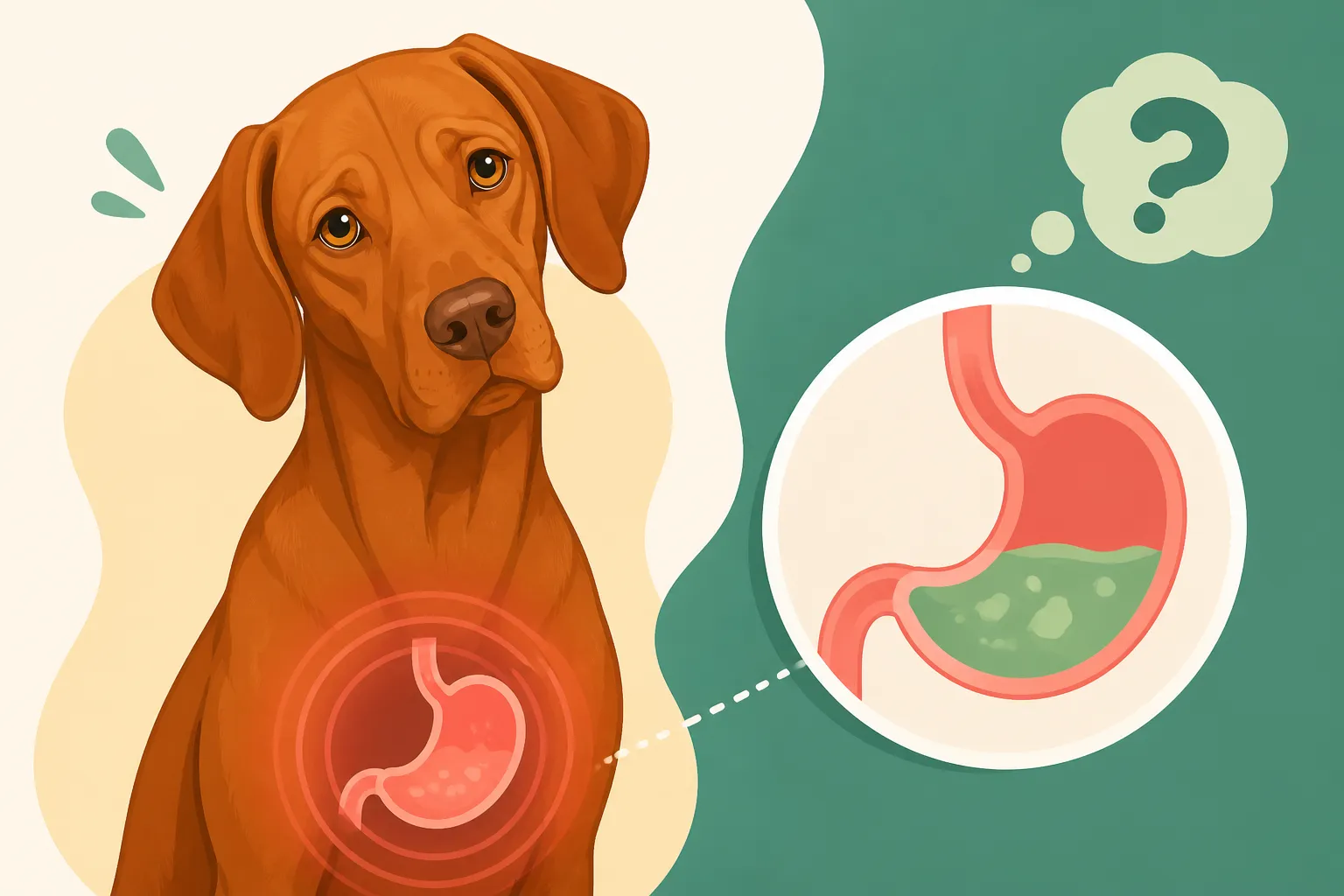
Whether a Vizsla Has a Sensitive Stomach
It’s incredibly frustrating when your active, spirited Vizsla suddenly seems under the weather, especially when it comes to digestive issues. One moment they're chasing squirrels with boundless energy, the next you're cleaning up messes or watching them refuse their food, leaving you to wonder: "Does my Vizsla have a sensitive stomach?" You're not alone in this concern; many Vizsla owners face these challenges. This guide is dedicated to exploring the common gastrointestinal quirks of the Vizsla breed, helping you understand the signs, causes, and best ways to manage a sensitive stomach in your beloved copper dog.
Understanding the Vizsla's Unique Digestive Profile
Vizslas are known for their lean, athletic build and boundless energy, which often means their metabolism runs at a higher gear than many other breeds. This can sometimes translate into a more finicky or sensitive digestive system, as their bodies are constantly working hard, requiring efficient nutrient absorption. It's not always a straightforward case of illness; sometimes, their system is just more prone to reacting to changes or certain ingredients.
General Canine Digestion vs. Vizsla Specifics
Most dogs share a similar basic digestive anatomy and process. Food travels from the mouth, through the esophagus, into the stomach for initial breakdown, then into the small intestine for nutrient absorption, and finally the large intestine where water is absorbed, and waste is prepared for elimination. However, within this general framework, breed-specific nuances can emerge. Vizslas, with their active lifestyle and sometimes intense, nervous energy, can exhibit digestive sensitivities more readily than some more placid breeds. Their high metabolism means their digestive tract is often working quickly, and any disruption can throw it off balance. For instance, a sudden change in diet that might barely register for a Bulldog could send a Vizsla's system into a tailspin of diarrhea. They're finely tuned athletes, and their internal systems often reflect this sensitivity.
Common Misconceptions About "Sensitive Stomachs"
When we talk about a "sensitive stomach," it's often a catch-all term that can mean many things. It doesn't always imply a serious underlying disease, though it certainly can. Sometimes, it simply means a dog reacts negatively to dietary changes, certain ingredients, or even stress. A common misconception is that a sensitive stomach is purely genetic, but environmental factors, diet quality, and even training methods can play a significant role. For example, a Vizsla prone to stress might exhibit digestive upset simply from being left alone for too long, a common issue for this "Velcro" breed. Owners might attribute the diarrhea to food, when the real culprit is anxiety. Another misconception is that all commercial foods are equally digestible; the reality is that ingredient quality and formulation vary wildly, and what works for one dog might not work for another. It's crucial not to jump to conclusions but to observe patterns and consider all potential factors.
Common Gastrointestinal Issues in Vizslas
Vizslas can be susceptible to a range of gastrointestinal problems, some of which are common across all breeds, while others might have a higher incidence due to their genetics or lifestyle. Being aware of these can help you act quickly and provide appropriate care.
Dietary Indiscretions and Their Impact
Vizslas are curious, energetic dogs who often explore the world with their mouths. This means they are prime candidates for dietary indiscretions – eating things they shouldn't. This could be anything from raiding the trash can to finding something questionable on a walk. In the field, a hunting Vizsla might ingest small game parts, rotten carcasses, or even plant matter that can cause severe upset. We’ve all been there, watching them vacuum up something unidentifiable before we can intervene. This impulsive behavior, while characteristic, can lead to acute gastroenteritis, characterized by sudden vomiting, diarrhea, and abdominal discomfort. Their eager nature to explore and sometimes consume anything they find, coupled with their often sensitive systems, makes them particularly prone to these episodes. It's a constant battle to keep their environment clear and to train a solid "leave it" command.
Food Sensitivities and Allergies
While not every Vizsla has a food allergy, many do exhibit sensitivities. A food sensitivity is a digestive reaction to a specific ingredient, often leading to symptoms like diarrhea, vomiting, gas, or even skin issues. Common culprits include proteins like chicken, beef, or dairy, and sometimes grains such as wheat or corn. True food allergies, on the other hand, involve an immune system response, which can manifest with intense itching, skin inflammation, and ear infections, in addition to digestive upset. Diagnosing food sensitivities or allergies often requires a strict elimination diet, which can be a long and challenging process. You might spend weeks, or even months, trying to figure out if your Vizsla's recurrent ear infections or flaky skin (which can also be linked to other conditions like What Sebaceous Adenitis Does to a Vizsla) are tied to their diet. It's an ongoing detective mission for many owners, trying to pinpoint the exact trigger.
Parasites and Infections
Despite our best efforts, dogs can pick up internal parasites like roundworms, hookworms, whipworms, giardia, or coccidia. These microscopic invaders can wreak havoc on a Vizsla's digestive system, causing chronic diarrhea, weight loss, and a dull coat. Puppies are particularly vulnerable, but adult dogs can also become infected, especially if they frequent dog parks, kennels, or consume contaminated water from puddles on walks. Regular deworming protocols are crucial, as are fecal exams, especially if your Vizsla is showing persistent digestive issues. Bacterial infections, such as Salmonella or Campylobacter, can also cause acute gastrointestinal distress, often contracted from contaminated food or water, or interaction with other infected animals. Beyond parasites, some Vizslas are prone to other immune-mediated conditions that can affect the gut, further complicating diagnosis and treatment, which highlights Why a Vizsla's Immune System Is the Breed's Weak Point.
Recognizing the Signs of a Sensitive Stomach
A Vizsla with a sensitive stomach isn't always screaming in pain, but they often send clear signals that something isn't right. Learning to recognize these cues can help you intervene early and seek veterinary advice when necessary. It's easy to dismiss a single bout of diarrhea, but consistency is key to identifying an ongoing issue.
Vomiting and Diarrhea
These are the most overt signs of digestive upset. Vomiting can be acute (sudden and severe) or chronic (intermittent over a longer period). It might involve undigested food, bile, or foamy liquid. Diarrhea, similarly, can range from soft stools to watery explosions, sometimes with mucus or blood. While an occasional episode might just be a reaction to something benign, persistent vomiting or diarrhea, especially if accompanied by lethargy, dehydration, or a fever, warrants immediate veterinary attention. For instance, if your Vizsla normally has solid, well-formed stools, and then suddenly has several days of loose, runny output, it's a huge red flag. Even seemingly mild, recurrent episodes can lead to dehydration and nutrient deficiencies over time, impacting your Vizsla's overall vitality and causing them to struggle with Keeping Weight on a Vizsla That Burns Everything.
Appetite Changes and Weight Loss
A Vizsla known for its voracious appetite suddenly turning its nose up at food is a significant indicator of a sensitive stomach. They might eat only small amounts, pick at their meals, or refuse to eat entirely. This can be particularly concerning in Vizslas, who already have a high metabolism and can quickly lose condition. If your Vizsla is consistently eating less, you'll likely notice weight loss, their ribs becoming more prominent, or a general lack of muscle mass. It's a vicious cycle: digestive upset makes them not want to eat, and not eating exacerbates the problem, leading to weakness and a compromised immune system. Tracking their food intake and body condition closely is essential, as subtle changes can be easy to miss in such an active breed. A weight chart can be invaluable for this, as it provides objective data.
Other Behavioral and Physical Indicators
Beyond the obvious, a sensitive stomach can manifest in more subtle ways. You might notice your Vizsla frequently licking their lips, swallowing excessively, or exhibiting what's known as "grass eating," which is often an attempt to induce vomiting or soothe an upset stomach. Increased flatulence, a rumbling stomach, or a visibly bloated abdomen (which, in rare and severe cases, could signal a life-threatening condition like Whether a Vizsla Bloats) are also common signs. Behaviorally, an uncomfortable Vizsla might become lethargic, withdrawn, or even restless, unable to find a comfortable position. They might stretch frequently, or arch their back in an attempt to relieve abdominal pain. Pay attention to changes in their energy levels, playfulness, and even their sleep patterns. If your usually cuddly Vizsla suddenly wants space or is more irritable, their tummy might be the culprit.
Dietary Management for a Vizsla with a Sensitive Stomach
If you suspect your Vizsla has a sensitive stomach, managing their diet is often the first and most critical step. This involves careful selection of food, establishing consistent feeding routines, and considering beneficial supplements.
Choosing the Right Food
Finding the right food can feel like searching for a needle in a haystack, but it's paramount. For Vizslas with sensitive stomachs, you generally want to look for diets that are:
- Highly Digestible: Look for formulas with easily digestible protein sources (like novel proteins such as venison, duck, or fish, or hydrolyzed proteins) and well-cooked carbohydrates (like sweet potato or rice).
- Limited Ingredient Diets (LID): These diets contain a minimal number of ingredients, making it easier to identify and avoid potential allergens or triggers. If chicken is a common trigger, for example, an LID with lamb and rice might be a good starting point.
- Fiber-Balanced: Too little fiber can lead to constipation, too much can cause diarrhea. A moderate amount of soluble and insoluble fiber is ideal for gut health. Psyllium husk is a good source of soluble fiber, often found in sensitive stomach formulations.
- Free from Common Allergens: This often means avoiding common proteins like chicken, beef, dairy, and soy, as well as artificial colors, flavors, and preservatives.
Some owners find success with prescription gastrointestinal diets from their veterinarian, while others explore high-quality over-the-counter options designed for sensitive systems. It’s important to introduce any new food very gradually over 7-10 days to avoid further upset. Given that many Vizslas are high-energy, it's worth exploring Whether a Vizsla Needs a Performance Formula even if they have sensitivities, as some brands offer performance diets tailored for delicate digestive tracts.
| Food Type | Pros | Cons | Best For |
|---|---|---|---|
| Limited Ingredient Diets (LID) | Reduced exposure to common allergens, easier to pinpoint triggers | Can be more expensive, fewer flavor options | Identifying specific sensitivities, elimination diets |
| Hydrolyzed Protein Diets | Proteins are broken down to bypass immune response | Prescription-only, very expensive | Severe allergies or inflammatory bowel disease |
| Grain-Free Diets | Avoids potential grain sensitivities | Some controversy regarding DCM link | Dogs with confirmed grain sensitivities |
| High Fiber Diets | Can help regulate bowel movements, firm stool | May not be suitable for all types of diarrhea | Mild constipation, some forms of colitis |
| Novel Protein Diets | Introduces proteins the dog hasn't eaten before | Can be harder to source, may not be truly novel | Dogs with common protein allergies/sensitivities |
Feeding Schedules and Practices
Consistency is key for a sensitive stomach. Feeding two or three smaller meals throughout the day, rather than one large one, can be easier on a Vizsla's digestive system. This also helps prevent an overly full stomach, which can contribute to issues like bloating. Ensure they eat in a calm, stress-free environment. Some Vizslas, especially those prone to bolting their food, might benefit from a slow feeder bowl, which helps prevent them from eating too quickly and ingesting excess air, a factor in stomach upset.
After eating, it's generally recommended to allow your Vizsla to rest for at least an hour, especially if they are highly active or prone to conditions like bloat. This means no strenuous exercise, roughhousing, or long walks immediately after meals. Providing constant access to fresh, clean water is also vital to prevent dehydration, particularly if they are experiencing diarrhea or vomiting. Many owners also find success with a consistent schedule, feeding at the same times each day to establish a predictable rhythm for their dog's digestion.
Supplements and Probiotics
Supplements can play a supportive role in managing a sensitive stomach. Probiotics, live beneficial bacteria, can help rebalance the gut microbiome, especially after antibiotic use or periods of digestive upset. They can improve digestion, nutrient absorption, and immune function. Prebiotics, which are non-digestible food ingredients that stimulate the growth of beneficial bacteria, are also found in many gut health supplements.
Digestive enzymes can assist in breaking down food, which may be helpful for Vizslas who struggle with nutrient absorption. Omega-3 fatty acids, like those found in fish oil (consider Whether a Vizsla Needs Fish Oil), have anti-inflammatory properties that can soothe an irritated gut lining. Always consult your veterinarian before adding any new supplements to your Vizsla's diet, as they can help you choose appropriate, high-quality products and ensure they won't interact negatively with any existing medications or conditions. While supplements aren't a magic bullet, they can certainly provide a solid foundation for a healthy gut when used correctly.
Veterinary Intervention and Diagnosis
Sometimes, dietary changes and supplements aren't enough, and a trip to the vet is in order. It's crucial to know when to seek professional help and what diagnostic steps your vet might take to uncover the root cause of your Vizsla's sensitive stomach.
When to See the Vet
You should always err on the side of caution when it comes to your Vizsla's health. If your Vizsla exhibits any of the following symptoms, it’s time to call the vet:
- Persistent vomiting or diarrhea: More than 24-48 hours, especially if severe.
- Lethargy or weakness: A significant drop in energy levels.
- Loss of appetite for more than 24 hours.
- Signs of dehydration: Sunken eyes, dry gums, loss of skin elasticity.
- Abdominal pain or distension: Swollen or tender belly.
- Blood in vomit or stool: Bright red or dark, tarry stool.
- Fever.
- Any sudden, severe change in behavior or physical condition.
Don't wait if your dog appears to be in significant distress. Early intervention can prevent minor issues from becoming major health crises. For instance, if you suspect your Vizsla has picked up something nasty on an outing, given their tendency to Eat Things in the Field, prompt vet attention is critical to rule out blockages or severe infections.
Diagnostic Tests for Gastrointestinal Issues
When you bring your Vizsla to the vet for digestive issues, they will start with a thorough physical examination and discuss your dog's history, diet, and symptoms. Depending on their findings, they might recommend a series of diagnostic tests:
- Fecal Examination: To check for internal parasites (worms, giardia, coccidia).
- Blood Work: A complete blood count (CBC) and biochemistry panel can assess overall health, check for inflammation, infection, dehydration, and organ function. This is part of the Whether a Vizsla Needs a Yearly Blood Panel routine.
- Urinalysis: To rule out urinary tract issues that might mimic digestive problems.
- Abdominal X-rays: To check for foreign objects, blockages, or abnormal organ size.
- Abdominal Ultrasound: Provides a more detailed view of internal organs, including the stomach, intestines, pancreas, and liver, to identify inflammation, tumors, or other abnormalities. If your vet suspects something like Whether a Vizsla Gets Pancreatitis, an ultrasound is often a key diagnostic tool.
- Dietary Trials: If food sensitivities are suspected, a strict elimination diet is often recommended, sometimes using hydrolyzed protein diets or novel protein diets under veterinary guidance.
- Endoscopy or Biopsy: In chronic or severe cases, your vet might recommend an endoscopy (inserting a camera into the digestive tract) or surgical biopsies to directly examine the gut lining and obtain tissue samples for analysis, especially if inflammatory bowel disease (IBD) is suspected.
Navigating these tests can be stressful and costly. Many Vizsla owners find value in pet insurance providers like Healthy Paws, which can help mitigate the financial burden of extensive diagnostics and treatments, allowing you to focus on your dog's recovery.
Treatment Options and Long-Term Care
Treatment will depend entirely on the diagnosis. For acute gastroenteritis due to dietary indiscretion, symptomatic treatment often involves anti-nausea medications, anti-diarrhea medications, and a bland diet (such as boiled chicken and rice) for a few days. If parasites are found, dewormers are prescribed. Bacterial infections may require antibiotics.
For chronic conditions like food sensitivities or IBD, long-term dietary management is crucial, often combined with medications such as anti-inflammatory drugs (e.g., steroids) or immunosuppressants. Regular follow-up appointments with your veterinarian are important to monitor your Vizsla's progress and adjust treatment as needed. Managing a sensitive stomach in a Vizsla is often a marathon, not a sprint. It requires patience, diligence, and a strong partnership with your vet. Remember, having a plan in place, and knowing that providers like Healthy Paws can help with unexpected veterinary expenses, can offer significant peace of mind.
Preventing Stomach Upset in Vizslas
An ounce of prevention is worth a pound of cure, especially when it comes to keeping your Vizsla's stomach happy and healthy. Proactive measures can significantly reduce the frequency and severity of digestive issues.
Avoiding Common Triggers
The easiest way to prevent stomach upset is to identify and avoid common triggers. For Vizslas, this often means:
- Strict Dietary Control: Stick to a consistent, high-quality diet that your Vizsla tolerates well. Avoid table scraps, human foods (especially fatty or spicy items, and known toxins like chocolate, grapes, onions), and sudden food changes. When transitioning to a new food, do so gradually over at least a week.
- Supervised Outdoor Time: Given their natural curiosity and drive, Vizslas are prone to eating things they shouldn't while on walks or in the yard. Keep a close eye on them, use a leash in areas where scavenging is a risk, and train a strong "leave it" command.
- Stress Reduction: Vizslas are sensitive souls, and stress can manifest as digestive upset. Ensure they get adequate exercise (at least two hours a day for an adult Vizsla) and mental stimulation, as an under-stimulated or anxious Vizsla is more likely to engage in stress-related behaviors that impact digestion. Providing a consistent routine and plenty of positive reinforcement can help manage their emotional well-being. This is critical because Whether Separation Anxiety Is Why Vizslas Are Given Up is a real concern, and anxiety can definitely show up in the gut.
- Safe Chews and Toys: If your Vizsla is a heavy chewer, ensure they have access to appropriate, digestible chews and toys that won't splinter or be ingested in large pieces, leading to blockages.
Maintaining a Healthy Gut Microbiome
A balanced gut microbiome is fundamental to digestive health. You can support this balance through several strategies:
- High-Quality Diet: As mentioned, a diet with digestible ingredients and appropriate fiber levels provides the necessary fuel for beneficial gut bacteria.
- Probiotics and Prebiotics: Regular supplementation with these can help maintain a robust and diverse population of healthy gut flora, especially if your Vizsla is prone to occasional upset or has a history of antibiotic use.
- Avoid Unnecessary Antibiotics: While essential for bacterial infections, antibiotics can wipe out both bad and good bacteria. If your Vizsla needs antibiotics, discuss probiotic supplementation with your vet to help restore gut balance afterwards.
- Clean Water: Provide fresh, filtered water daily. Avoid stagnant water sources during walks, as these can harbor parasites and bacteria.
The Importance of Regular Check-ups
Even if your Vizsla seems perfectly healthy, regular veterinary check-ups are vital for proactive health management. These appointments allow your vet to catch subtle issues before they escalate, update vaccinations and deworming protocols, and discuss any emerging concerns you might have.
During these check-ups, you can discuss your Vizsla's diet, stool quality, and any minor digestive quirks you've noticed. Your vet can offer advice tailored to your dog's specific needs and recommend preventative measures. For example, they might suggest specific parasite prevention depending on your local environment and your dog's activities. A well-vizslad plan with your vet, especially backed by a reliable pet insurance policy from a company like Healthy Paws, means you're always prepared for whatever digestive challenges come your way. It's all part of ensuring your cherished companion lives a long, healthy, and comfortable life.
Disclaimer
This article is intended for informational purposes only and does not constitute veterinary advice. Always consult with a qualified veterinarian for any health concerns or before making any decisions about your Vizsla's health or treatment.