Whether a Vizsla Gets Bone Cancer
It’s a thought no Vizsla owner ever wants to entertain: the possibility of cancer taking our beloved companions too soon. These vibrant, energetic dogs fill our lives with so much joy and motion, that imagining them slowed down or in pain from something as insidious as bone cancer can be truly terrifying. This guide will delve into the unfortunate reality of bone cancer in Vizslas, helping you understand the risks, recognize the early signs, and navigate the difficult journey of diagnosis and treatment, should it ever become a part of your life.
The Reality of Bone Cancer in Vizslas
As much as we wish our Vizslas could be immune to serious health issues, they, like many breeds, can be susceptible to certain cancers. Bone cancer, specifically osteosarcoma, is a particularly aggressive and devastating form of cancer that, while not exclusively a Vizsla disease, can certainly affect them. It preys on larger, faster-growing breeds, and while Vizslas aren't typically considered "giant" breeds, their athletic build and bone structure put them within a risk category that makes awareness crucial.
Understanding Osteosarcoma
Osteosarcoma is a malignant tumor of the bone. It's the most common primary bone tumor found in dogs, accounting for over 80% of all canine bone tumors. What makes it so frightening is its incredibly aggressive nature. By the time many dogs show clinical signs, the cancer has often already begun to spread, or metastasize, most commonly to the lungs. It's a cruel disease that targets the very structure that gives our Vizslas their incredible speed and stamina.
These tumors most frequently develop in the long bones of the limbs – think the bones just above the wrist (radius/ulna) or below the knee (tibia/fibula), or even the humerus in the front leg. However, osteosarcoma isn't limited to these areas; it can also appear in other skeletal locations like the ribs, spine, or even the jaw. For a breed like the Vizsla, whose entire existence revolves around movement and agility, a diagnosis in one of their working limbs is particularly heartbreaking.
Why Vizslas May Be at Higher Risk
While specific genetic markers for osteosarcoma in Vizslas aren't as widely publicized as they are for breeds like Rottweilers or Greyhounds, the general characteristics of the breed do place them at an elevated risk compared to smaller dogs. Larger breeds, especially those with rapid growth rates and dense bone structures, tend to have a higher incidence of osteosarcoma. This isn't a definitive indictment of the breed, but rather a reflection of biological predisposition tied to size and bone metabolism.
The precise reasons for this breed-specific susceptibility are still being researched, but theories often point to complex interactions between genetics, rapid bone growth, and even microtraumas over a dog's lifetime. It's also worth noting that Vizslas, unfortunately, are already prone to a number of other serious health conditions, including various immune-mediated diseases and other forms of cancer, as highlighted in "The Cancers That Take a Vizsla Early". This makes understanding their general health risks even more vital for responsible ownership.
Recognizing the Subtle Signs of Bone Cancer
One of the most frustrating aspects of bone cancer is how subtly it can begin, often mimicking other, less serious conditions. Our Vizslas are incredibly stoic animals; they are bred to push through discomfort in the field, and this instinct can make them masters at hiding pain until it becomes severe. This means that as owners, we have to be exceptionally vigilant and attuned to even the smallest changes in their behavior and movement.
Early Indicators You Might Miss
The absolute earliest sign of osteosarcoma is almost always lameness, or a limp. At first, it might be intermittent. You might notice your Vizsla favoring a leg after a particularly long run or a strenuous day in the field, only for it to seem better the next morning. It might be subtle – a slight stiffness, a barely perceptible shift in weight, or a moment of hesitation before jumping onto the couch. You might initially write it off as a muscle strain, a minor sprain from their boundless energy, or even the start of something like Hip Dysplasia in a Vizsla.
However, unlike a typical sprain that improves with rest and time, lameness associated with osteosarcoma will typically not resolve completely or will worsen over time. Your dog might show a reluctance to engage in their usual activities, perhaps less enthusiasm for fetch or a shorter attention span on walks. They might seem a little more withdrawn, wanting to nap more than usual, which can be hard to spot in a dog known for its "off switch" when not working. Any persistent or recurring lameness, even if seemingly mild, warrants a vet visit.
Progressive Symptoms to Watch For
As the tumor grows, the signs become more pronounced and less ambiguous. The intermittent limp will likely become constant and severe, with your Vizsla often refusing to put any weight on the affected limb. You might start to see visible swelling directly over the bone where the tumor is located. This swelling can feel firm and painful to the touch. It's at this stage that the pain becomes a significant factor, potentially leading to whining, guarding the limb, or even snapping if the area is touched.
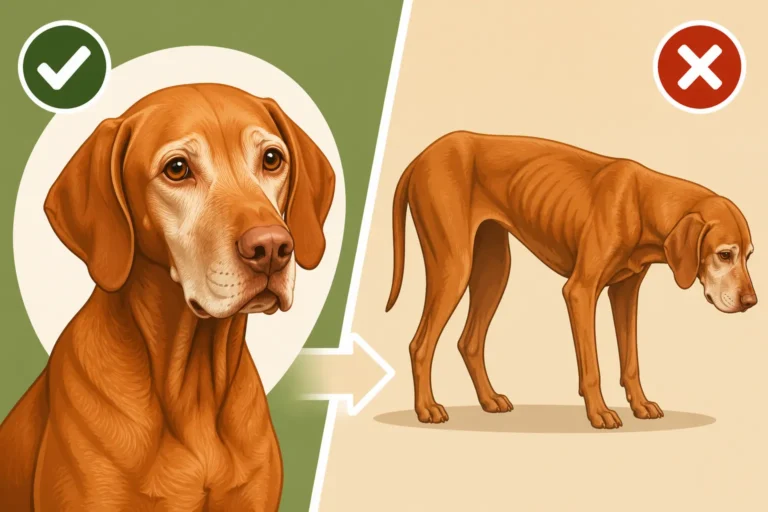
Beyond the localized pain and swelling, you might notice more systemic changes. The constant pain and the body's battle against the cancer can lead to a noticeable loss of appetite and subsequent weight loss. Lethargy and a general disinterest in life can set in. In advanced stages, the weakened bone can even fracture spontaneously, known as a pathological fracture, which is excruciatingly painful. Recognizing these severe signs means getting immediate veterinary attention, as every moment counts when dealing with such an aggressive disease.
Diagnosing and Managing a Bone Cancer Diagnosis
Receiving a cancer diagnosis for your Vizsla is an incredibly difficult and emotional experience. It's a journey that requires strong communication with your veterinarian and a deep understanding of the choices ahead. The diagnostic process aims not only to confirm the presence of osteosarcoma but also to determine its extent, which is crucial for planning the most effective management strategy.
The Diagnostic Journey
The first step usually involves a thorough physical examination by your veterinarian, focusing on the area of lameness or swelling. If bone cancer is suspected, X-rays are almost always the next diagnostic tool. These images can often reveal characteristic changes in the bone structure, such as bone destruction or new bone formation, that are highly suggestive of osteosarcoma. However, X-rays alone cannot definitively confirm cancer or rule out other bone conditions like infections or fungal diseases.
For a definitive diagnosis, a bone biopsy is typically required. This involves taking a small sample of the affected bone for histopathological examination by a veterinary pathologist. While sometimes a challenging procedure, it provides the conclusive evidence needed. Once osteosarcoma is confirmed, the next crucial step is "staging" – determining if the cancer has spread. This typically involves chest X-rays to check for lung metastasis (the most common site for spread) and sometimes an abdominal ultrasound to check other internal organs. Understanding the stage of the cancer is paramount, as it significantly impacts the prognosis and available treatment options. This entire process can be agonizing, filled with waiting and uncertainty, adding to the stress on an owner.
Treatment Options and Prognosis
The treatment of osteosarcoma is multifaceted, often involving a combination of approaches, and the prognosis can vary widely depending on the stage of the disease at diagnosis. For tumors affecting a limb, amputation of the affected limb is often recommended to remove the primary tumor and alleviate pain. While this sounds drastic, dogs adapt remarkably well to three legs, especially active breeds like Vizslas, who are often so relieved to be free of chronic pain. Amputation is almost always followed by chemotherapy to target any microscopic cancer cells that may have already spread but are not yet visible.
Other options, depending on the location and specific circumstances, might include limb-sparing surgery (where the tumor is removed and the limb is reconstructed, though this is less common for Vizslas due to their active lifestyle and higher risk of complications) or radiation therapy to reduce pain and slow tumor growth in cases where surgery isn't an option or is declined. Pain management is also a critical component throughout treatment, ensuring your Vizsla's comfort and quality of life. The cost of such intensive treatments can be substantial, making it a good idea to consider What Cancer Treatment Costs a Vizsla Owner and whether pet insurance, such as a plan from Healthy Paws, is a viable option to help mitigate these expenses.
| Stage of Diagnosis | Common Clinical Signs | Diagnostic Steps | Primary Treatment Goals |
|---|---|---|---|
| Early/Localized | Intermittent lameness, mild swelling | Physical exam, X-rays, bone biopsy | Remove tumor, prevent spread, pain relief |
| Advanced/Metastatic | Persistent lameness, significant swelling, lethargy, weight loss, pain | Physical exam, X-rays, bone biopsy, chest X-rays, abdominal ultrasound | Control pain, slow disease progression, maintain quality of life |
Proactive Health and Support for Your Vizsla
Living with a Vizsla, even one facing health challenges, is about providing them with the best possible life. While we can't prevent every illness, we can certainly be proactive in their care and provide unwavering support through difficult times.
Regular Vet Check-ups and Monitoring
One of the most powerful tools in our arsenal against diseases like bone cancer is regular veterinary care. Annual or, especially for older Vizslas, bi-annual check-ups are essential. These routine visits allow your vet to catch subtle changes that you might miss, and to discuss any concerns you have, no matter how minor they seem. It's during these discussions that you can bring up even a transient limp or a slight change in appetite. Remember that Vizslas are incredibly resilient and will often try to hide their pain, a trait that makes Whether a Vizsla Hides Its Pain all too relevant.
Beyond scheduled appointments, it's crucial to be an observant owner every single day. Pay attention to how your Vizsla moves, how they eat, their energy levels, and their general demeanor. Any persistent or worsening lameness, any new lumps or bumps, or any changes in their willingness to play should trigger a call to your vet. Early detection significantly improves prognosis and broadens treatment options for many conditions, including various forms of cancer like Whether a Vizsla Gets Lymphoma or Whether a Vizsla Gets Hemangiosarcoma.
Support and Resources for Owners
Facing a bone cancer diagnosis for your Vizsla is emotionally taxing. It's vital to remember that you are not alone, and there are many resources available to help you and your dog through this journey. Focus on your Vizsla's quality of life above all else. This means being diligent with pain management, ensuring they have comfortable resting places (perhaps an orthopedic bed for an Arthritis in a Vizsla at Ten dog), and continuing to provide them with mental stimulation and love, even if their physical activity needs to be curtailed.
Consider connecting with Vizsla-specific health groups or online communities; other owners who have walked this path can offer invaluable advice and emotional support. And, as mentioned before, the financial implications of advanced veterinary care can be immense. Researching and securing a robust pet insurance policy, like those offered by Healthy Paws, can provide immense relief, ensuring that you can make medical decisions based on what’s best for your Vizsla, not solely on your wallet. While no one wants to think about it, understanding Whether a Vizsla Is Worth Insuring at All becomes crystal clear when facing a serious diagnosis.
Disclaimer
The information provided in this article is for general informational purposes only and is not intended as a substitute for professional veterinary advice, diagnosis, or treatment. Always seek the advice of your veterinarian or other qualified animal health provider with any questions you may have regarding a medical condition or the health and welfare of your pet.