Whether a Vizsla’s Thyroid Should Be Tested Yearly
It's a common worry among Vizsla owners, isn't it? You hear whispers about certain breeds being prone to thyroid issues, and suddenly you're wondering if you should be rushing your beloved copper dog to the vet for an annual thyroid check, even if they seem perfectly fine. The truth is, Vizslas do have a higher incidence of autoimmune diseases, and thyroid problems often fall into that category, making this a very valid concern for anyone dedicated to the health and longevity of their active companion. This guide will unpack the complexities of Vizsla thyroid health, detailing when testing is warranted, what it involves, and how to best advocate for your dog's well-being.
The Unique Thyroid Susceptibility in Vizslas
Vizslas are magnificent dogs, known for their boundless energy, striking looks, and incredibly affectionate "Velcro" personalities. But beneath that sleek, golden-rust coat lies a genetic predisposition to certain health challenges, and thyroid disease is unfortunately one of them. It's not just a random occurrence; there's a biological reason why this breed, among others, stands out when it comes to thyroid health.
Why the Breed is Prone to Thyroid Issues
The Vizsla's increased susceptibility to thyroid problems, specifically hypothyroidism, is largely rooted in their genetic makeup and a relatively smaller gene pool that, unfortunately, has concentrated certain autoimmune tendencies. Hypothyroidism occurs when the thyroid gland doesn't produce enough thyroid hormone, which is crucial for regulating metabolism and nearly every bodily function. In Vizslas, the most common cause is autoimmune thyroiditis, where the dog's own immune system mistakenly attacks and destroys the thyroid gland. This is a cruel twist of fate for a breed celebrated for its vitality.
For us Vizsla owners, understanding this inherent risk is the first step in proactive care. It means we can't just assume our high-energy dogs are immune to something that might slow them down or cause other subtle issues. Breeders who are committed to the breed's health often screen their breeding stock for thyroid antibodies, but even with careful breeding, the genetic predisposition remains a challenge that every Vizsla owner needs to be aware of throughout their dog's life.
The Autoimmune Link in Vizsla Thyroid Disease
When we talk about autoimmune thyroiditis, we're discussing a condition that's much deeper than just an underperforming gland. It's about the body turning on itself. In Vizslas, this autoimmune attack is thought to be a significant contributor to Thyroid Failure in a Vizsla. It’s part of a broader picture where Vizslas seem to carry a higher burden of immune-mediated conditions compared to many other breeds. This includes issues like Sebaceous Adenitis, a skin condition, or even certain muscle diseases. The immune system, which is supposed to protect the body, instead sees the thyroid cells as foreign invaders and mounts an attack, leading to chronic inflammation and eventual destruction of the gland.
The progression of autoimmune thyroiditis can be slow and insidious. A dog might develop antibodies against its own thyroid gland years before clinical signs of hypothyroidism actually appear. This latent period is precisely why the question of routine testing comes up so often. You might have a Vizsla puppy with no outward signs, but internally, the groundwork for future thyroid issues could already be laid. This underlying autoimmune vulnerability is a key reason Why Vizslas Carry So Much Immune Disease, making thorough understanding and proactive monitoring essential for us owners.
Recognizing the Subtle Signs of Thyroid Imbalance
One of the most frustrating aspects of hypothyroidism in Vizslas, and indeed in many dogs, is how vague and non-specific the early symptoms can be. They often mimic other common ailments or are simply dismissed as "getting older" or "just being a dog." As Vizsla owners, we know our dogs so intimately that even minor changes can set off alarm bells, but with thyroid issues, it can feel like you're chasing shadows.
Physical Changes to Watch For
The physical signs of low thyroid hormone can be incredibly subtle at first, then gradually worsen. You might notice your once-energetic Vizsla becoming just a little less enthusiastic about their morning run, or sleeping a bit more than usual. This isn't just normal aging; it could be a metabolic slowdown. Pay close attention to their coat and skin; this is often where early signs manifest.
Common physical indicators include:
- Dull or Brittle Coat: The once vibrant, shining copper coat might start to look dry, coarse, or less lustrous. It might even feel brittle to the touch.
- Excessive Shedding or Hair Loss: While Vizslas do shed, an increase in shedding or thinning of the coat, especially in specific areas like the flanks, tail, or bridge of the nose, is a red flag. This can sometimes lead to the confusion of whether a Vizsla's coat loss is thyroid or skin disease.
- Weight Gain: Despite no change in diet or exercise, your Vizsla might start to put on weight. This is a classic sign because thyroid hormones regulate metabolism. If you've been struggling to keep weight on a Vizsla that burns everything, this change would be particularly noticeable.
- Lethargy and Exercise Intolerance: Your dog might seem less keen on long walks, tire more easily, or take longer to recover after activity. For a breed known for its stamina, this is a significant shift.
- Cold Intolerance: Vizslas have a single coat and can feel the cold easily anyway, but a hypothyroid dog might become even more sensitive, seeking out warm spots or shivering more frequently.
- Skin Issues: Recurrent skin infections, scaling, or hyperpigmentation (darkening of the skin) can also be signs. Managing a Vizsla's Skin for Life is crucial for the breed generally, and thyroid issues can complicate this.
It's important to remember that not all these signs will appear at once, and some might be so gradual you barely notice them until they become pronounced. Keeping a journal of your Vizsla's activity levels, appetite, and coat condition can be incredibly helpful for tracking these changes over time.
Behavioral Shifts That Might Indicate a Problem
Beyond the physical, hypothyroidism can manifest in behavioral changes that can be particularly distressing for owners. A Vizsla's personality is such a huge part of their charm, and when that starts to shift, it's deeply concerning. These changes are often a reflection of the metabolic slowdown affecting neurological functions and overall energy levels.
Look out for:
- Increased Sluggishness or Depression: Your normally happy-go-lucky Vizsla might seem withdrawn, less playful, or just generally "down." They might not greet you with the same enthusiasm or show interest in their favorite toys.
- Irritability or Aggression: While less common, some dogs with hypothyroidism can develop uncharacteristic irritability or aggression due to the chronic discomfort, fatigue, or neurological impact. This can be particularly alarming in a breed known for its soft nature.
- Mental Dullness: A sharp, intelligent Vizsla might seem a bit "off" – less responsive to commands, slower to learn new things, or generally less engaged with their environment. Their problem-solving abilities might decrease.
- Seeking Warmth Excessively: Coupled with physical cold intolerance, you might notice your Vizsla spending more time curled up in sunny spots, under blankets, or near heating vents, even in comfortable room temperatures.
These behavioral changes, especially when combined with any of the physical symptoms, should prompt a serious conversation with your veterinarian. They are not just quirks; they are potential indicators that something significant is amiss internally.
When Symptoms Overlap with Other Vizsla Ailments
Here's where it gets truly tricky for Vizsla owners. Many of the signs of hypothyroidism can easily be mistaken for other common Vizsla health concerns, or even just the natural progression of aging. For example, lethargy and weight gain could also be signs of The Age a Vizsla Counts as Senior or simply an owner overfeeding an otherwise healthy dog. Skin issues and coat changes are common with allergies or other dermatological conditions that Vizslas are prone to.
Consider this scenario: your Vizsla starts losing hair on its flanks, and its skin seems a bit flaky. Is it autoimmune sebaceous adenitis, a common Vizsla skin condition, or could it be a thyroid issue? Or perhaps it's a food allergy leading to dull coat and itching. This overlap of symptoms makes a definitive diagnosis challenging without proper testing. Similarly, a reduction in energy could be a sign of Hips and Elbows on a Vizsla That Runs All Day if they're experiencing joint pain, rather than a thyroid problem. Because Vizslas are often treated for a variety of conditions, it’s critical that your vet considers the full picture and doesn't jump to conclusions based on a single symptom. A comprehensive diagnostic approach is key to unraveling these complex presentations and ensuring your Vizsla receives the correct treatment.
Deciphering Thyroid Testing Protocols for Vizslas
Given the breed's predisposition and the often-subtle symptoms, the question inevitably arises: how and when should we test our Vizslas for thyroid function? It's not always as simple as a single blood draw, and understanding the different types of tests and their implications is vital for making informed decisions with your veterinarian.
Understanding the Different Types of Thyroid Tests
When your vet suggests a thyroid panel, they aren't usually talking about a single value. A comprehensive thyroid panel provides a much more accurate picture of your dog's thyroid health than just a basic screening. Here's what those tests typically involve:
- Total T4 (TT4): This measures the total amount of thyroxine (T4) hormone circulating in the blood, both bound and unbound. It's often the first screening test because it's relatively inexpensive, but it can be influenced by many non-thyroidal factors, like certain medications or other illnesses, leading to false low results (euthyroid sick syndrome).
- Free T4 (fT4): This measures only the unbound portion of T4, which is the biologically active form. It's considered a more accurate indicator of thyroid function than TT4 because it's less affected by non-thyroidal illnesses and medications.
- Total T3 (TT3) and Free T3 (fT3): Similar to T4, these measure the total and unbound forms of triiodothyronine (T3). T3 is the more potent thyroid hormone, but its levels can fluctuate quite a bit, making it less reliable for initial diagnosis than T4.
- Thyroid Stimulating Hormone (TSH): Produced by the pituitary gland, TSH stimulates the thyroid to produce T4 and T3. In primary hypothyroidism, the thyroid isn't responding, so the pituitary tries harder, leading to high TSH levels. Low TSH can indicate hyperthyroidism (rare in dogs) or secondary hypothyroidism (pituitary issue).
- Thyroglobulin Autoantibodies (TgAA): This is the crucial test for detecting autoimmune thyroiditis. High levels of TgAA indicate that the dog's immune system is attacking its own thyroid gland. Even if T4 and TSH levels are still within the normal range, a positive TgAA test confirms the autoimmune process is underway, even if clinical signs haven't fully developed yet. This is particularly important for breeds like the Vizsla.
A complete thyroid panel including TT4, fT4, TSH, and TgAA is considered the gold standard for diagnosing hypothyroidism in Vizslas, especially when screening or when symptoms are ambiguous. It helps distinguish true hypothyroidism from other conditions that might affect thyroid hormone levels.
Ideal Age and Frequency for Proactive Screening
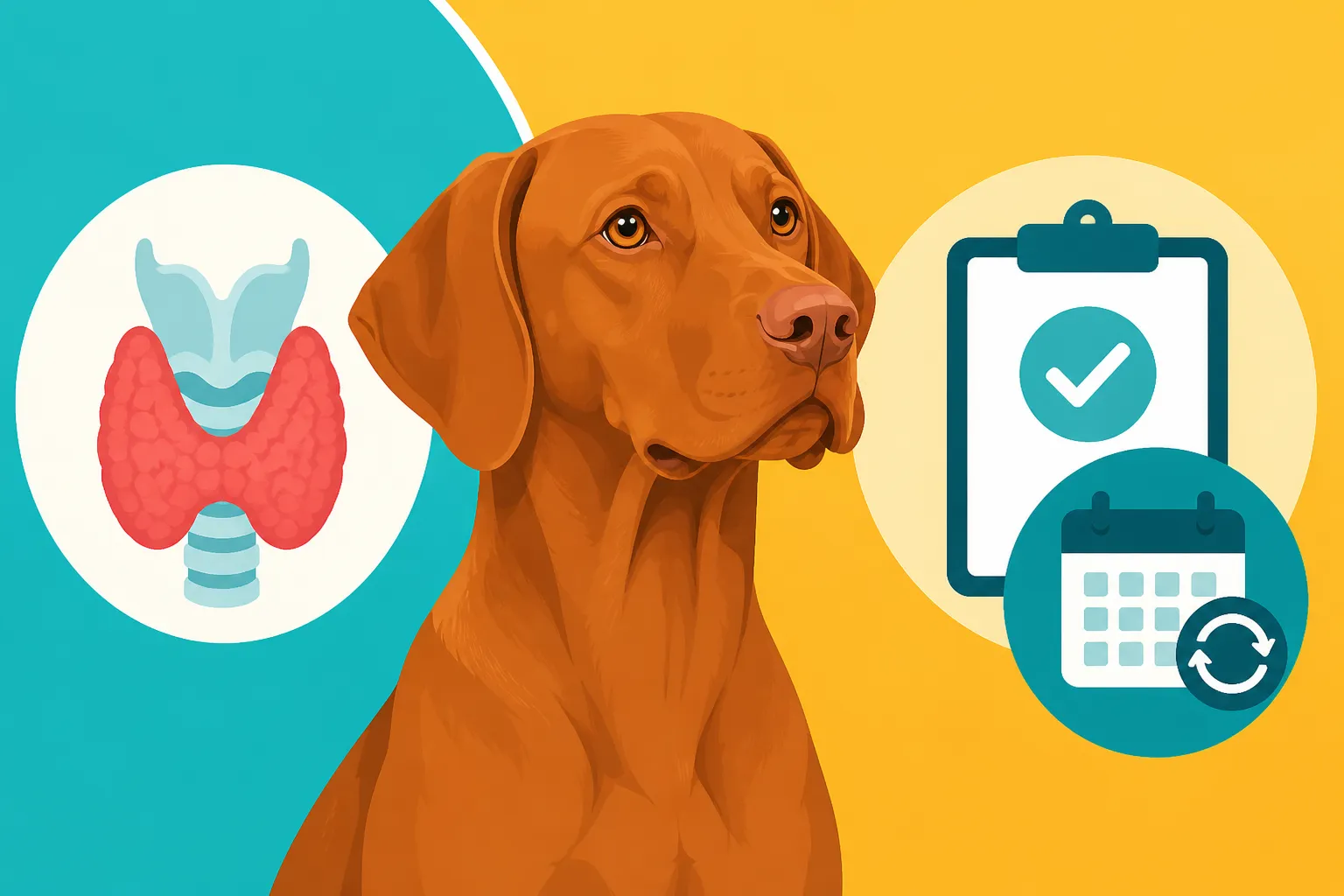
Given the Vizsla's genetic predisposition to autoimmune thyroiditis, many breeders and veterinary specialists recommend proactive screening, particularly if a dog is destined for breeding or if there's a family history of thyroid disease. The Canine Health Information Center (CHIC) program, for instance, recommends thyroid testing for Vizslas starting at 12 months of age and then every two years until age six, and then annually. This is excellent guidance for breeding dogs and highly recommended for companion Vizslas too, especially if you want to be proactive.
For the average pet Vizsla, without a known family history of early-onset disease, starting with a baseline full thyroid panel around 2-3 years of age, and then retesting every 2-3 years, or immediately if symptoms arise, is a reasonable approach. Remember, the autoimmune attack can begin long before outward signs are visible. Catching the rise in TgAA early can give you a head start on understanding your dog's future health trajectory.
Annual thyroid testing, especially a full panel including TgAA, becomes increasingly valuable as your Vizsla ages or if any of the subtle symptoms described earlier begin to appear. It's much easier to address a problem when it's caught early, rather than waiting until your dog is noticeably unwell. This proactive approach is a key part of lifelong health management for a Vizsla, helping you extend their active and comfortable years.
Why a Full Thyroid Panel is Crucial
You might be tempted to opt for just a simple T4 test, especially if cost is a concern. However, for a Vizsla, relying solely on a Total T4 can be misleading and lead to misdiagnosis or missed early detection. As mentioned, T4 levels can be depressed by other illnesses, known as "euthyroid sick syndrome," where the dog's thyroid is actually fine but another condition makes the T4 look low. On the flip side, some dogs with early autoimmune thyroiditis might have normal T4 levels but elevated TSH and positive TgAA, indicating the disease is present and progressing.
A full panel, including TSH and TgAA, provides the context needed to truly understand what's happening.
- If TT4 is low, but TSH is normal, and TgAA is negative, it might be euthyroid sick syndrome.
- If TT4 is low, TSH is high, and TgAA is positive, it's classic primary autoimmune hypothyroidism.
- If TT4 is normal, TSH is high, and TgAA is positive, your Vizsla is likely in an early stage of autoimmune thyroiditis, where the body is working harder to maintain normal T4 levels, but the thyroid gland is already under attack. This is critical to know for a breed with such a genetic predisposition.
Understanding these nuances is why it's so important to work with a vet experienced in breed-specific health concerns. The investment in a full panel is an investment in accuracy, saving you potential worry, further tests, and incorrect treatments down the line. It's a key part of ensuring you understand the complete picture of your Vizsla's health, rather than just a snapshot.
Here’s a simplified look at common Vizsla thyroid testing scenarios:
| Test Result Combination | Interpretation for Vizslas | Action Recommended |
|---|---|---|
| Normal TT4, fT4, TSH, TgAA | Healthy thyroid. | Continue routine monitoring based on age/risk. |
| Low TT4, fT4; High TSH; Positive TgAA | Classic Primary Hypothyroidism (autoimmune). | Start thyroid hormone replacement therapy. |
| Normal TT4, fT4; High TSH; Positive TgAA | Early Autoimmune Thyroiditis (subclinical). | Monitor closely, retest in 6-12 months. May start therapy if clinical signs develop or T4 drops further. |
| Low TT4, fT4; Normal TSH; Negative TgAA | Likely Euthyroid Sick Syndrome or Secondary Hypothyroidism. | Investigate underlying non-thyroidal illness. Further pituitary testing if other illness ruled out. |
| Normal TT4, fT4, TSH; Positive TgAA | Autoimmune process active, but thyroid still compensating. | Annual retesting highly recommended to catch progression. Consider this a significant risk factor for future hypothyroidism. Breeding not advised. |
Navigating a Hypothyroid Diagnosis and Treatment
Receiving a diagnosis of hypothyroidism for your Vizsla can feel daunting, but it's important to remember that this condition is generally very manageable with proper care. It's not a death sentence; it's a chronic condition that requires lifelong attention, but most dogs respond incredibly well to treatment and go on to live full, happy lives.
What to Expect After a Diagnosis
Once your veterinarian has confirmed a diagnosis of hypothyroidism with a full thyroid panel, the next step is usually to start your Vizsla on thyroid hormone replacement medication, typically levothyroxine. This medication is identical to the hormone your dog's own body should be producing, and it simply replaces what's missing.
Here's what you can generally expect:
- Initial Dosage: Your vet will prescribe an appropriate starting dose based on your Vizsla's weight and the severity of their condition. It's crucial to follow these instructions precisely.
- Rapid Improvement in Some Symptoms: You might be amazed at how quickly some of the symptoms resolve. Many owners report seeing an improvement in energy levels, attitude, and mental alertness within a few weeks. It's truly wonderful to see your Vizsla "come back to life."
- Slower Changes in Others: Physical changes, especially coat regrowth and skin healing, take much longer, often several months. Don't get discouraged if you don't see immediate changes in their fur; patience is key. This is a journey, not a sprint.
- Monitoring and Adjustment: After starting medication, your Vizsla will need follow-up blood tests (typically 4-8 weeks later) to check their thyroid hormone levels and ensure the dosage is correct. These tests usually involve taking a blood sample 4-6 hours after their morning pill. It's very common for the dosage to be adjusted one or more times until the optimal maintenance level is found.
- Lifelong Medication: Hypothyroidism is a lifelong condition. Your Vizsla will need to take thyroid medication for the rest of their life, typically once or twice a day. This becomes a regular part of your daily routine, much like feeding them.
The initial period of diagnosis and dosage adjustment can be a bit of a whirlwind, but with consistent communication with your vet and diligent administration of medication, your Vizsla will soon be feeling much better.
Long-Term Management and Prognosis
Long-term management of hypothyroidism in Vizslas is usually quite straightforward once the correct dosage is established. Most dogs on thyroid hormone replacement therapy have an excellent prognosis and can live completely normal, healthy lives without any lasting effects from the condition.
Here's what ongoing care typically involves:
- Regular Vet Check-ups: Your Vizsla will need annual or semi-annual check-ups, which will include a thyroid panel to ensure their hormone levels remain stable. This is especially important as they age, as their metabolic needs can change. This plays into the broader question of whether a Vizsla needs a yearly blood panel for overall health.
- Consistent Medication: Never skip doses or run out of medication. Consistency is paramount to keeping hormone levels stable. Set reminders if necessary!
- Observing for Changes: Continue to be observant of your Vizsla's energy, weight, coat, and behavior. If you notice any return of symptoms, contact your vet immediately, as their dosage may need adjustment.
- Diet and Exercise: While thyroid medication is the primary treatment, maintaining a healthy diet and consistent exercise routine is still important. Hypothyroidism can cause weight gain, and while medication helps, a balanced lifestyle supports overall well-being. Keeping them active helps manage their energy levels and supports their joints, especially crucial for an athletic breed like the Vizsla.
With proper management, a hypothyroid Vizsla can continue to be the active, affectionate companion you know and love. The key is vigilance and dedication to their treatment plan.
The Role of Lifestyle and Diet in Support
While thyroid medication is the cornerstone of treatment for hypothyroidism, lifestyle and diet play a supportive, albeit secondary, role in keeping your Vizsla healthy. You can't cure hypothyroidism with diet, but you can certainly optimize their overall health and well-being.
Consider these aspects:
- High-Quality Diet: Feeding a well-balanced, high-quality dog food is always important for Vizslas, regardless of thyroid status. Some owners explore diets rich in whole foods, avoiding fillers and artificial ingredients. While there's no specific "thyroid diet" for dogs, a nutritious foundation supports all bodily systems. If your Vizsla still struggles with maintaining a healthy weight, despite treatment, you might discuss whether a Vizsla needs a high fat diet with your vet.
- Weight Management: Hypothyroidism can lead to weight gain, and while medication helps normalize metabolism, it's still crucial to monitor your Vizsla's weight. Obesity puts extra strain on joints, especially critical for an active breed that can suffer from Hip Dysplasia in a Vizsla. Work with your vet to ensure your Vizsla maintains a lean, healthy body condition.
- Regular, Appropriate Exercise: Your Vizsla's natural athleticism should be encouraged, even with hypothyroidism. Once on medication, their energy levels should return to normal, allowing them to engage in their usual activities. Regular exercise not only helps with weight management but also provides mental stimulation for this intelligent breed.
- Stress Reduction: While not directly treating hypothyroidism, minimizing stress in your Vizsla's life can support their overall immune system. A calm, predictable environment and plenty of positive reinforcement contribute to their emotional health, which can subtly impact physical well-being.
- Supplements (with caution): Discuss any supplements with your vet before introducing them. Some owners explore omega-3 fatty acids for coat health or antioxidants, but these should always complement, not replace, prescribed thyroid medication. Over-the-counter "thyroid support" supplements for dogs are generally not effective for true hypothyroidism and can sometimes interfere with prescribed medications.
Remember, the goal is to create a holistic environment that supports your Vizsla's health from all angles, making their medication even more effective and ensuring they thrive.
The Financial and Emotional Impact of Thyroid Disease
Any chronic health condition in a beloved pet comes with its own set of financial and emotional burdens. Hypothyroidism in Vizslas is no different. It's a lifelong commitment, and being prepared for both the costs and the ongoing care can help ease the journey.
Understanding the Costs of Diagnosis and Medication
The initial diagnostic phase can be the most expensive part, especially if multiple tests are needed to rule out other conditions or if a full thyroid panel is performed multiple times to establish a baseline and then confirm the diagnosis. A full thyroid panel, including all the T4, T3, TSH, and TgAA values, can range from $150 to $300, depending on your geographic location and veterinary clinic. Knowing What a Thyroid Panel Costs on a Vizsla can help you budget. If repeat testing is needed for dosage adjustments, these costs can add up.
Once diagnosed, the primary ongoing cost is the thyroid hormone replacement medication. Levothyroxine is generally quite affordable, especially compared to some other chronic medications for dogs. For an average-sized Vizsla, you might expect to pay anywhere from $20 to $60 per month for their medication, depending on the dosage and whether you purchase it from your vet or a compounding pharmacy. Over a year, this can be $240 to $720.
Beyond medication, you'll have regular veterinary check-ups (annual or semi-annual) that include blood work to monitor hormone levels. These monitoring panels are crucial and will incur additional costs, perhaps $100-$200 per test. While these costs are manageable for many, they are certainly a factor in the overall cost of ownership. Some pet insurance providers, like Healthy Paws, offer coverage for chronic conditions, which can significantly offset these expenses over your Vizsla's lifetime. It's always worth researching Insuring a Vizsla Against Immune Disease when you first get your puppy to ensure such conditions are covered once diagnosed.
Supporting Your Vizsla Through Lifelong Treatment
The emotional toll of a chronic illness can be profound for pet owners. It's natural to feel worried, frustrated, or even guilty, especially when dealing with a condition that requires lifelong medication. However, with hypothyroidism, the good news is that treatment is usually very effective, and your Vizsla will likely feel much better once their hormones are balanced.
Here are some ways to support yourself and your Vizsla:
- Establish a Routine: Integrating medication into your daily routine makes it less stressful for both you and your dog. Administering the pill before a meal, or hiding it in a favorite treat, can make it a positive experience.
- Educate Yourself: The more you understand about hypothyroidism, the more confident you'll feel in managing it. Knowledge empowers you to advocate for your Vizsla and work effectively with your vet.
- Join a Support Group: Connecting with other Vizsla owners or owners of dogs with hypothyroidism can provide invaluable emotional support, shared experiences, and practical tips.
- Focus on Quality of Life: Remember that the goal of treatment is to restore your Vizsla's quality of life. Celebrate their renewed energy, their shining coat, and their joyful demeanor. These positive changes are a testament to your dedication and the effectiveness of their care.
- Be Patient with Yourself: It's okay to have moments of frustration or worry. Caring for a dog with a chronic condition is a commitment, but the bond you share with your Vizsla makes it all worthwhile.
By understanding the financial implications and preparing for the emotional aspects, you can navigate the journey of managing hypothyroidism with confidence and continue to provide your Vizsla with the best possible care.
Proactive Health Management Beyond the Thyroid
While thyroid health is a critical concern for Vizslas, it's just one piece of a larger puzzle when it comes to comprehensive care for this amazing breed. Their active lifestyle and genetic predispositions mean that a holistic approach to their well-being is always best.
Broader Health Screening for Your Vizsla
Beyond the thyroid, Vizslas are prone to a range of other health issues, making broader health screening a smart move throughout their lives. Regular check-ups are essential, but specific tests can help catch problems early.
Consider these screenings:
- Orthopedic Exams: Given their athletic nature, Vizslas are susceptible to joint issues like Hips and Elbows on a Vizsla That Runs All Day. Regular orthopedic evaluations, and potentially X-rays at appropriate ages (like for OFA certification at two years), are highly recommended.
- Eye Exams: Certain eye conditions, such as progressive retinal atrophy (PRA) or entropion, can affect Vizslas. Annual eye exams by a veterinary ophthalmologist, especially for breeding dogs, can help detect these issues early.
- Cardiac Screening: While less common than thyroid or orthopedic issues, some Vizslas can develop cardiac conditions like heart murmurs. Regular auscultation by your vet is standard, and further cardiac work-up may be recommended if a murmur is detected.
- General Blood Panels: As your Vizsla ages, annual senior blood panels that check kidney and liver function, blood sugar, and red and white blood cell counts become increasingly important. This allows your vet to establish baselines and detect subtle changes that could indicate emerging health problems, helping you stay ahead of potential issues. These are often included when you have your Vizsla's yearly checkup.
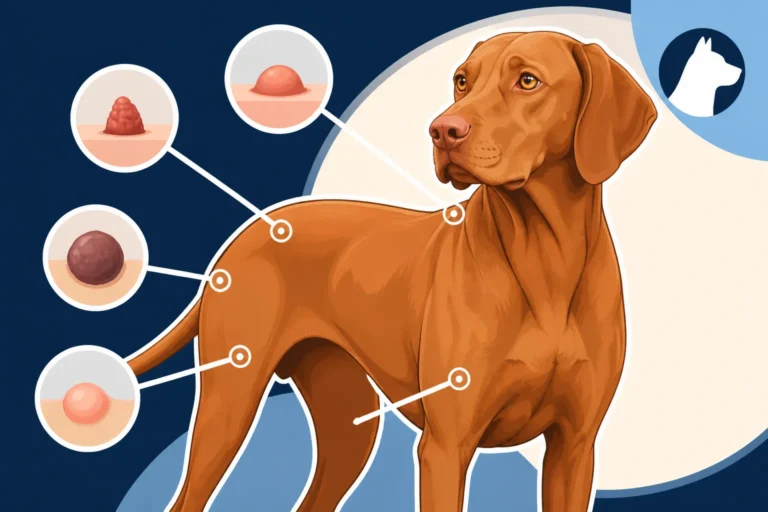
- Cancer Screening: Sadly, Vizslas, like many purebred dogs, have a higher incidence of certain cancers, such as lymphoma, hemangiosarcoma, and mast cell tumors. Being vigilant about any new lumps or bumps, changes in appetite or energy, and discussing these with your vet is crucial. Early detection can make a significant difference in prognosis for The Cancers That Take a Vizsla Early.
A comprehensive approach to health screening ensures that you're not just focusing on one area, but rather monitoring your Vizsla's overall health picture, giving them the best chance at a long and healthy life. Pet insurance, such as that offered by Healthy Paws, can be an invaluable tool to manage unexpected costs associated with various health issues that might arise, offering peace of mind to dedicated Vizsla owners.
The Importance of a Strong Vet-Owner Partnership
Ultimately, the best defense against health challenges in your Vizsla is a strong, trusting partnership with your veterinarian. You are your dog's primary advocate, and your vet is your most important ally. This relationship goes beyond just annual shots; it's about open communication, shared decision-making, and proactive care.
Here’s why this partnership is so vital:
- Open Communication: Don't hesitate to ask questions, share observations about your Vizsla's behavior or health, and discuss your concerns. Your vet relies on your insights as much as you rely on their expertise.
- Shared Decision-Making: For complex health decisions, your vet should explain all options, risks, and benefits. You should feel empowered to discuss what's best for your dog and your family's circumstances.
- Proactive Planning: Work with your vet to create a tailored wellness plan for your Vizsla that considers their age, lifestyle, and breed-specific risks. This includes vaccination schedules, parasite prevention, and recommended health screenings like thyroid panels.
- Emergency Preparedness: Discuss what to do in emergencies and ensure you have a plan in place. Knowing your vet's emergency protocols or where the nearest emergency animal hospital is located can save precious time.
- Referrals to Specialists: If your Vizsla develops a complex condition, a good vet will not hesitate to refer you to a specialist (e.g., a veterinary dermatologist for skin issues, an internal medicine specialist for endocrine problems, or an orthopedic surgeon for joint issues). This ensures your Vizsla receives the most expert care available.
Your Vizsla relies on you to make the best decisions for their health. By building a strong, collaborative relationship with your veterinarian, you ensure that you have the knowledge, resources, and support needed to provide the very best care throughout your Vizsla's entire life. This holistic approach will give your companion the best chance at experiencing The Twelve to Fourteen Years a Vizsla Lives to the fullest.
Disclaimer
This article is intended for informational purposes only and does not constitute veterinary advice. Always consult with a qualified veterinarian for any health concerns or before making any decisions about your pet's medical care.