Whether an Old Vizsla Loses Muscle
It’s a heart-wrenching moment for any Vizsla owner when you start to notice changes in your once boundless, athletic companion. That sleek, powerful body that used to fly across fields now seems a little less defined, perhaps a touch more bony, especially around the hips and spine. This guide is here to help you understand why your older Vizsla might be losing muscle, how to spot the signs, and most importantly, what you can do to support their strength and comfort in their golden years.
Understanding Muscle Loss in Senior Vizslas Sarcopenia
Watching your beloved Vizsla age can be tough, especially when you start noticing physical changes like a decline in muscle mass. It's a natural part of aging, often referred to as sarcopenia, but that doesn't make it any less concerning. For a breed known for its incredible athleticism and lean physique, seeing those muscles diminish can feel particularly stark.
Why Senior Dogs Lose Muscle Mass
Sarcopenia isn't just about getting "old"; it's a complex process that affects a dog's entire body, impacting their quality of life. As Vizslas get older, their metabolism naturally slows down. This means their bodies become less efficient at synthesizing protein, which is the building block for muscle. It’s like trying to build a sturdy house with fewer bricks and a less effective mortar. Even if they're eating enough, their body just isn't utilizing those nutrients for muscle repair and growth as effectively as it once did.
Beyond metabolic shifts, there's often a decrease in overall activity. Your senior Vizsla might not be tearing through the fields with the same gusto, or perhaps those long hikes have become shorter strolls. This reduced physical demand means the muscles aren't being stimulated as much, leading to a natural decline in mass due to disuse atrophy. Hormonal changes, such as a decrease in growth hormone and an increase in inflammatory markers, also play a significant role. These changes contribute to a systemic breakdown of muscle tissue over time. It's truly frustrating to see their once powerful hindquarters start to look a little less robust, knowing how much joy they used to get from their incredible speed and agility.
Differentiating Normal Aging from Underlying Conditions
While some muscle loss is an expected part of the aging process, it’s crucial to understand that not all muscle wasting is simply "old age." Sometimes, it’s a red flag for an underlying health issue that needs your immediate attention. It’s easy to dismiss a slight tremor or difficulty rising as just "getting old," but these can be early indicators of something more serious.
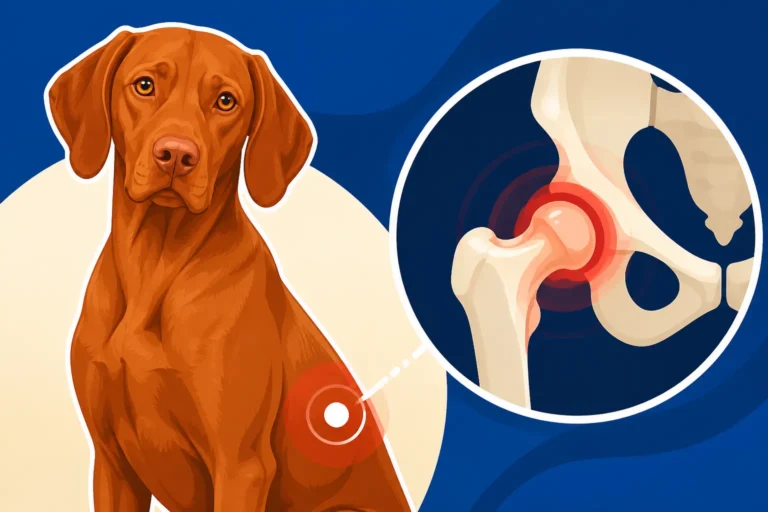
For instance, conditions like osteoarthritis can cause pain in joints, leading your Vizsla to favor certain limbs or reduce movement, which then results in muscle atrophy in the unused areas. Imagine having a sore knee – you'd naturally put less weight on it, and over time, the muscles around it would weaken. Similarly, endocrine disorders such as Thyroid Failure in a Vizsla can lead to generalized weakness, lethargy, and a reduction in muscle tone. Even certain types of cancer can cause cachexia, a severe form of muscle wasting. More specific to the breed, conditions like The Muscle Disease Named After the Vizsla, or Vizsla Inflammatory Polymyopathy, can directly attack muscle tissue, especially in the head and neck, leading to significant and rapid muscle loss. That's why those routine vet visits are so incredibly important. You might just think your dog is slowing down, but your vet can help discern if there's a treatable condition exacerbating the muscle loss. Regular check-ups, especially as your Vizsla approaches The Age a Vizsla Counts as Senior, are key to catching these issues early.
Recognizing the Signs of Muscle Wasting in Your Vizsla
As Vizsla owners, we become intimately familiar with every curve and ripple of our dogs' athletic bodies. So, when changes start to happen, even subtle ones, they can be quite noticeable. Keeping an eye out for these specific signs can help you address muscle loss proactively and ensure your senior companion stays as comfortable and mobile as possible.
Visual Cues and Physical Changes
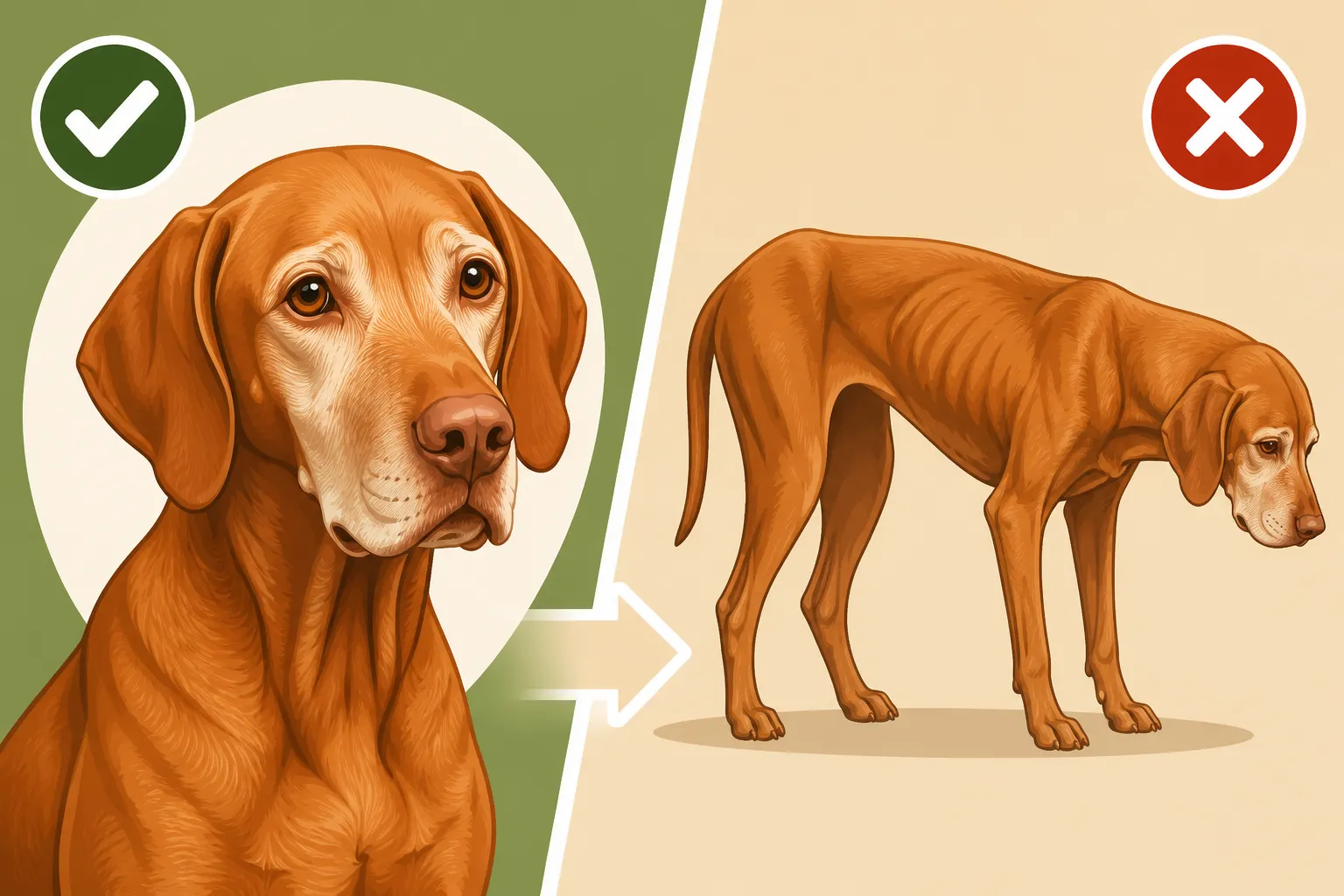
The most obvious signs of muscle wasting are visual. You might start to notice that the elegant, sculpted lines of your Vizsla's body are becoming more angular, more bony. One of the first places to really pay attention to is over their hips and along their spine. Where once there was a smooth, well-padded curve, you might now be able to see or feel individual vertebrae or the prominent points of their pelvis. Their hindquarters, which once propelled them like a spring, might look thinner, almost sunken.
Their legs, too, can show changes. The strong, defined muscles in their thighs might appear smaller, and you might notice their hocks (ankles) looking more pronounced. In some cases, especially with conditions like Vizsla Inflammatory Polymyopathy, you might even see muscle loss in their head and jaw, making their face look narrower or their temples sunken. Their overall posture might shift, perhaps a slight hunch or a less upright stance, as their core muscles weaken. It's disheartening to see, especially when you remember them in their prime, but recognizing these changes is the first step toward helping them.
Behavioral Shifts and Activity Levels
Beyond the physical appearance, muscle loss profoundly impacts a Vizsla's behavior and activity levels. Your dog might not be able to articulate their discomfort or weakness, but their actions will speak volumes. One of the most common observations is difficulty with everyday movements. You might notice they struggle to get up from a lying position, taking longer and needing to brace themselves. Jumping onto the couch or into the car, once effortless, might become a struggle, or they might stop attempting it altogether.
Their gait might change, becoming slower, stiffer, or less coordinated. Those long, graceful strides could turn into a shuffling walk, and you might see them dragging their paws occasionally. Playing fetch might lose its appeal, or they might tire much more quickly than before. If your Vizsla still has The Old Vizsla That Still Wants to Hunt, you might notice they can't sustain the same energy levels or cover as much ground. They might show less enthusiasm for their usual walks or playtime, preferring to rest more often. This isn't just them being "lazy"; it’s a direct consequence of weakened muscles making movement harder and more painful. Any sudden or significant change in their willingness to move or engage should always prompt a call to your veterinarian.
Strategies to Support Muscle Health in Your Aging Vizsla
While we can't stop the clock, there's so much we can do to support our senior Vizslas and help them maintain as much muscle mass and mobility as possible. It’s about adapting their routine and care to their changing needs, ensuring their comfort and happiness.
Tailored Exercise Regimens
The key to supporting muscle health in an aging Vizsla is consistent, appropriate exercise, not cessation of activity. The worst thing you can do for a senior dog with muscle loss is to let them become a couch potato, as this will only accelerate muscle atrophy. However, "appropriate" is the operative word here. Gone are the days of two-hour, off-leash romps across rough terrain. Instead, think gentle and consistent.
Low-impact activities are your best friend. Swimming is absolutely fantastic because it provides excellent resistance training without putting stress on their joints, which are often already prone to Arthritis in a Vizsla at Ten. Short, frequent walks on soft surfaces like grass or dirt can help maintain muscle tone without over-exertion. Controlled leash work, where you guide them through gentle movements and turns, can also be beneficial. The goal isn't to build huge muscles, but to maintain existing ones and preserve range of motion. Pay close attention to your Vizsla's cues; if they seem tired or sore, it's time to stop. Two 20-minute gentle walks are often far more beneficial than one long, exhausting one. Remember, even an old Vizsla still has that drive, but you, as their owner, need to be their wise guide, balancing their desire with their physical limitations.
Nutritional Support and Supplementation
What goes into your Vizsla’s bowl becomes even more critical as they age. Their body needs high-quality fuel to combat muscle loss. Focus on a diet rich in highly digestible protein to support muscle maintenance and repair. Look for foods where a quality animal protein source (like chicken, beef, or fish) is the primary ingredient. Some senior dog foods are specifically formulated with higher protein levels and reduced calories to help maintain lean muscle mass without adding unwanted weight. Feeding an Old Vizsla That Has Slowed often means a careful balance.
Beyond the main meal, supplementation can play a crucial role. Joint supplements containing ingredients like glucosamine, chondroitin, and MSM can help reduce inflammation and pain in joints, encouraging more movement. Omega-3 fatty acids, often found in fish oil, are excellent anti-inflammatories and support overall health, including skin and coat. Some vets also recommend L-carnitine for muscle support. Before adding any supplements, always consult with your veterinarian. They can help you determine the right combination and dosage for your individual Vizsla’s needs. This holistic approach to nutrition is vital for Keeping an Old Vizsla's Muscle On.
The Role of Regular Veterinary Care and Early Intervention
You simply cannot overstate the importance of regular veterinary care as your Vizsla ages. These check-ups are not just for vaccines; they are critical for early detection and intervention. As your Vizsla transitions into their senior years, consider bi-annual (every six months) vet visits instead of annual ones. This allows your vet to track changes more closely.
During these visits, your vet will perform a thorough physical examination, assessing muscle mass, joint mobility, and overall condition. They might recommend diagnostic tests like blood work, including Whether a Vizsla Needs a Yearly Blood Panel, to check for underlying conditions such as thyroid disease, kidney issues, or other metabolic problems that could contribute to muscle wasting. If a specific condition is identified, early intervention can make a world of difference. This could involve medication for pain management, anti-inflammatories, or even specific therapies. Physical therapy, hydrotherapy, or even acupuncture can be incredibly effective in strengthening muscles and improving mobility in older dogs. It might seem like a lot, and the costs can add up, but this is where a reliable pet insurance plan, like Healthy Paws, can be a true lifesaver. Knowing that a significant portion of those specialist consultations, diagnostic tests, or ongoing treatments could be covered can alleviate a huge financial burden, allowing you to focus purely on your Vizsla’s well-being.
Practical Tips for Daily Management and Comfort
Making small adjustments to your daily routine and home environment can significantly improve your senior Vizsla’s comfort and quality of life, especially as muscle loss progresses. These practical tips are all about making their world a little easier to navigate.
Creating an Accessible Home Environment
As your Vizsla’s muscles weaken and their joints become stiffer, navigating their home can become a challenge. What was once a simple leap onto the couch can become an impossible barrier. Start by assessing your home from their perspective. Are there slippery floors that make it hard for them to get traction? Lay down non-slip rugs or runners, especially in high-traffic areas or where they need to get up from a lying position.
Ramps or dog stairs can be a game-changer for accessing furniture, beds, or even getting into and out of the car. Many Vizslas love being close to their humans, and a ramp can allow them to continue enjoying the couch snuggles without pain. Investing in a high-quality orthopedic bed is also paramount. These beds provide superior support for aching joints and tired muscles, allowing for deeper, more restorative sleep. Look for beds with dense, supportive foam that won't flatten over time. For more specific recommendations, you might want to read about Beds That Suit an Arthritic Vizsla. Also, consider that their thinning coat and reduced muscle can make them feel the cold more acutely. An older Vizsla might shiver indoors, so ensuring they have a warm, draft-free sleeping area, perhaps with extra blankets or a heated bed, is crucial. Whether an Old Vizsla Feels the Cold More is a common concern that these simple solutions can address.
Maintaining Mental Engagement and Quality of Life
Physical limitations don't mean mental decline. Vizslas are incredibly intelligent and curious dogs, and mental stimulation is just as vital for their overall well-being as physical exercise. Keeping their minds active can prevent boredom, frustration, and even help manage anxiety that can sometimes accompany physical changes.
Puzzle toys that dispense treats slowly can provide engaging entertainment. Gentle scent work, such as hiding treats around the house for them to find, can tap into their natural hunting instincts without requiring strenuous physical activity. Short, positive training sessions, reviewing basic commands or teaching new, simple tricks, can boost their confidence and keep their minds sharp. Even just spending quality time with them, offering gentle massages, or simply sitting and petting them can significantly contribute to their emotional health. Remember, a happy Vizsla is one who feels loved, engaged, and secure, regardless of their physical limitations. Their zest for life can still be nurtured, just in different ways.
When to Seek Specialized Care
While your primary veterinarian is your first and most important resource, there are times when specialized care becomes necessary. If your Vizsla’s muscle loss is progressing rapidly, or if they are experiencing severe pain, significant mobility issues, or showing neurological signs (like weakness, incoordination, or tremors that don't seem related to simple aging), it's time to consider a specialist.
A veterinary rehabilitation specialist can develop a tailored physical therapy plan, often involving hydrotherapy, therapeutic exercises, and even modalities like laser therapy. For complex neurological issues, a veterinary neurologist can conduct advanced diagnostics and offer treatments that might be beyond the scope of general practice. In cases of severe muscle wasting or unexplained lameness, an orthopedic specialist might be needed. Conditions like The Muscle Disease Named After the Vizsla (Vizsla Inflammatory Polymyopathy) require specialized diagnosis and ongoing management. These specialist visits, while incredibly beneficial, can incur substantial costs. This is another area where having a robust pet insurance plan like Healthy Paws can truly make a difference, covering a significant portion of these expenses and ensuring your Vizsla receives the best possible care without undue financial strain on your family.
Comparison of Senior Vizsla Muscle Issues
| Condition | Primary Cause | Key Signs | Typical Onset Age | Treatment & Management Focus |
|---|---|---|---|---|
| Sarcopenia | Natural aging, metabolic changes, decreased activity | Generalized muscle thinning, especially hindquarters, prominent spine/hips, slower gait | 7-10+ years | High-quality protein diet, gentle exercise, joint supplements |
| Osteoarthritis | Joint degeneration, inflammation | Lameness, stiffness (especially after rest), reluctance to jump/climb, muscle atrophy in affected limbs | 7+ years (can be earlier if predisposed to hip/elbow dysplasia) | Pain management, anti-inflammatories, joint supplements, physical therapy, weight management |
| Hypothyroidism | Underactive thyroid gland | Lethargy, weight gain, poor coat, generalized weakness, muscle weakness (often mild) | 4-10 years | Thyroid hormone replacement medication |
| Vizsla Inflammatory Polymyopathy (VIP) | Autoimmune disease targeting muscle tissue | Difficulty swallowing, excessive drooling, muscle atrophy of head/neck, generalized weakness, vocal changes | 2-7 years (though can appear earlier or later) | Immunosuppressive drugs (e.g., corticosteroids), supportive care, feeding adjustments |
| Cachexia (from Cancer) | Systemic effects of cancer, metabolic derangements | Rapid, severe muscle wasting, weight loss despite adequate food intake, generalized weakness | Any age (more common in older dogs) | Treat underlying cancer, nutritional support, appetite stimulants, anti-inflammatory medications |
Disclaimer
The information provided in this article is for general informational purposes only and is not a substitute for professional veterinary advice. Always consult with a qualified veterinarian regarding your Vizsla's health and any medical conditions.