Whether a Vizsla Drools Before It Loses Muscle
It’s truly unsettling when you notice your beloved Vizsla acting a little off, especially when it involves something as seemingly simple as drooling. We've all been there, wondering if it's just excitement, a stray bit of food, or something far more serious lurking beneath the surface, particularly the frightening thought of muscle loss. This guide aims to thoroughly explore the nuances of drooling in Vizslas, help you distinguish normal slobber from a red flag, and critically examine the potential link to muscle-wasting conditions, offering clear steps on when to seek veterinary help.
Understanding Drooling in Vizslas
Vizslas are known for their sleek build and affectionate nature, but like any breed, they have their quirks – and sometimes, those quirks can be a cause for concern. Drooling is one of those things that can swing from being completely benign to a serious indicator of underlying health issues.
Normal Drooling vs. Excessive Drooling
Let's be real, a happy, excited Vizsla greeting you at the door might let a little drool escape, especially if you're holding a treat or have just returned from a long absence. This kind of drooling, often associated with anticipation or high excitement, is perfectly normal. Similarly, after a vigorous play session or a long run on a warm day, a Vizsla might drool a bit more as they pant to cool down. Their respiratory system, while efficient, works hard, and some saliva production is part of that natural process. You might also notice a bit of drool after they’ve had a big drink of water, or if they’ve been chewing on a favorite toy for a while. These instances are usually fleeting, triggered by a specific event, and don't persist once the stimulus is removed.
However, distinguishing this from excessive drooling is crucial. Excessive drooling, or ptyalism, isn't just a little slobber; it's a persistent, often copious flow of saliva that doesn't seem to have an immediate, obvious cause. It might appear stringy, bubbly, or collect in puddles. This kind of drooling isn't linked to excitement or cooling down. Instead, it might be a constant drip, or your Vizsla might seem to be actively trying to swallow but still struggling to keep the saliva in their mouth. It's the kind of drooling that makes you scratch your head and think, "This isn't right." This persistent, unexplained drooling can signal that something more concerning is going on, and it's definitely something you should pay close attention to.
Anatomical Considerations and Vizsla Physiology
Vizslas, with their elegant, somewhat refined head shape, aren't typically known as heavy droolers like some other breeds (think Saint Bernards or Mastiffs). Their lips are generally tight and don't sag, which naturally helps contain saliva. This means that when a Vizsla does start drooling excessively, it tends to stand out even more.
Their overall physiology is built for athletic endurance, with a lean body and efficient metabolism. However, their physical prowess doesn't exempt them from certain breed-specific health challenges. Because they are so active and often used in working capacities, any subtle change in their physical capabilities, including oral function, can have a significant impact on their quality of life. Issues affecting the head, neck, and mouth can be particularly debilitating for a breed that relies so much on its senses and physical coordination. Understanding these breed-specific traits helps us recognize when a symptom, like drooling, is truly unusual for a Vizsla and warrants further investigation.
The Link Between Drooling and Muscle Loss in Vizslas
Now, let's get to the heart of the matter: the connection between drooling and muscle loss. While drooling can be caused by many things, in Vizslas, it can be a particularly insidious early warning sign of a condition that directly affects muscle integrity.
Vizsla Inflammatory Polymyopathy VIP and Its Early Signs
This is where the alarm bells should really start ringing for Vizsla owners. One of the most significant and heartbreaking conditions that can cause both drooling and subsequent muscle loss in our beloved Hungarian pointers is a disease often referred to as Vizsla Inflammatory Polymyopathy (VIP). This is a serious, immune-mediated disease that targets the muscles, particularly those of the head, neck, and esophagus. It's truly devastating because it directly impacts a Vizsla's ability to eat, drink, and even breathe properly.
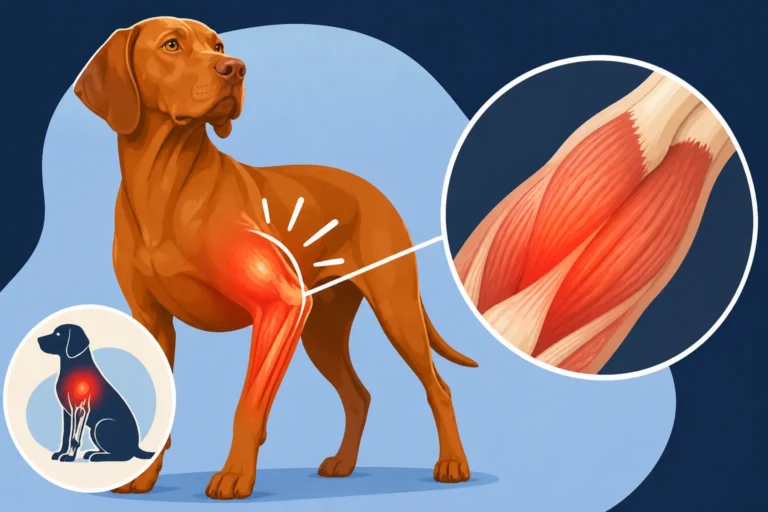
What makes VIP so tricky, and why drooling is such an important symptom to understand, is that the drooling often appears before any obvious, visible muscle atrophy. Owners might first notice their Vizsla has excessive, thick, or ropey saliva. This isn't just a little extra drool; it's persistent and can seem like they're struggling to manage it. This happens because the inflammatory process of VIP starts to weaken the muscles involved in chewing and swallowing – specifically, the masticatory muscles of the jaw and the pharyngeal muscles in the throat. Even if you can't see the muscles wasting away yet, their function is already compromised. Your Vizsla might have difficulty closing their mouth completely, or their jaw might quiver slightly.
As the condition progresses, the drooling often becomes more pronounced, accompanied by other worrying signs. You might start to notice Spotting Swallowing Trouble in a Vizsla, with them gagging, coughing, or even aspirating food or water. They might take longer to eat, drop food from their mouth, or simply refuse to eat dry kibble. Eventually, if left untreated, the muscle loss around the head, particularly over the temples (where the temporalis muscles are) and along the jawline, becomes visibly apparent. This muscle wasting can give their head a gaunt, almost hollowed-out appearance. It's a progressive disease, and understanding The Age a Vizsla Develops Polymyopathy can help owners be vigilant for these early, subtle signs. It’s a frightening prospect, and knowing Whether a Vizsla's Head Muscles Waste Away is key to early intervention.
Other Conditions Causing Drooling and Muscle Wasting
While Vizsla Inflammatory Polymyopathy is a significant concern for the breed, it's important to remember that drooling and muscle wasting can also be symptoms of other health issues, though perhaps not as directly linked in cause and effect for a Vizsla as VIP.
For instance, severe dental disease or oral masses (tumors) can cause excessive drooling due to pain or obstruction, leading to difficulty eating and subsequent weight loss and generalized muscle wasting. Imagine trying to eat with a throbbing toothache; it's no different for our dogs. Foreign bodies lodged in the mouth or throat can also cause acute drooling as the dog tries to dislodge it, and if it prevents eating, muscle loss will follow. Neurological issues, such as nerve damage affecting the facial muscles or swallowing reflexes, could also result in drooling. Conditions like a stroke or certain brain tumors, though less common as primary causes for both drooling and localized muscle loss in this specific pattern, could potentially present with a combination of symptoms that include oral dysfunction and overall debilitation. Systemic diseases, like kidney failure or certain liver conditions, can cause nausea and excessive salivation, and chronic illness almost always leads to a decline in body condition and muscle mass over time. However, it's the specific pattern of drooling followed by localized head and neck muscle wasting that strongly points to VIP in a Vizsla.
Recognizing and Responding to Concerning Symptoms
Catching these signs early is paramount. Vizslas are stoic and often try to hide their discomfort, which makes us, their devoted owners, their first and most important line of defense.
Beyond Drooling: A Symptom Checklist
Drooling alone might not be enough to pinpoint the issue, but when combined with other symptoms, it forms a clearer picture. Here's a comprehensive checklist of signs to watch out for if you're concerned about your Vizsla:
- Changes in Eating/Drinking: Is your Vizsla taking longer to eat? Do they drop food? Are they refusing dry kibble in favor of softer foods? Do they make repeated attempts to swallow without success, or gulp excessively? Are they hesitant to drink water, or do they slurp noisily?
- Facial and Head Changes: Look for visible muscle atrophy, particularly around the temples (the area behind and above the eyes) or along the jawline. Their head might appear more "bony" or sunken. You might also notice a subtle quiver or tremor in their jaw or facial muscles.
- Behavioral Shifts: Is your Vizsla suddenly lethargic or less enthusiastic about their usual activities? Do they seem generally uncomfortable or irritable? Sometimes, a change in their bark or whine, becoming more muffled or weak, can be an indicator.
- Weight Loss: Despite eating, are they losing weight? This is particularly telling in an active breed like a Vizsla, who usually maintains a lean physique. Keeping Weight on a Vizsla That Burns Everything is a challenge even when healthy, so unexplained loss is a red flag.
- Other Oral Signs: Beyond drooling, check for any unpleasant odor from their mouth, swelling, redness, or visible lesions. While these might point to dental issues, they can sometimes coexist with other conditions.
- Regurgitation/Vomiting: Distinguish between true vomiting (expelling stomach contents) and regurgitation (passive expulsion of undigested food from the esophagus). Regurgitation is a significant sign of esophageal dysfunction, often seen in advanced polymyopathy.
Early detection truly is everything. The sooner these symptoms are identified, the quicker you can get a diagnosis and potentially slow the progression of a condition like VIP.
When to Consult Your Veterinarian
If you observe persistent or excessive drooling in your Vizsla, especially if accompanied by any of the symptoms on our checklist, it's time to make an urgent appointment with your veterinarian. Do not delay. Early intervention can make a significant difference in managing these complex conditions.
When you visit the vet, be prepared to provide a detailed history. Note down when you first noticed the drooling, how it has progressed, any other symptoms you've seen, and any changes in your Vizsla's diet, activity level, or behavior. Your vet will perform a thorough physical examination, focusing on oral health, cranial nerve function, and muscle palpation. They'll likely check for pain when opening the mouth or examining the neck.
Diagnostic steps might include:
- Blood work: To check for general health, inflammation markers, and specific muscle enzymes.
- Thyroid panel: As Thyroid Failure in a Vizsla can sometimes mimic or complicate other conditions, this is a standard check.
- X-rays: Of the head, neck, or chest, especially if aspiration pneumonia is suspected or to rule out foreign bodies.
- Muscle biopsies: This is often the definitive diagnostic tool for polymyopathy. Small samples of affected muscle tissue are taken and sent for histopathological analysis.
- Electromyography (EMG): This test measures the electrical activity of muscles and can help detect muscle abnormalities.
- Advanced imaging: Such as MRI, might be considered in some cases to look for neurological causes.
Navigating these diagnostic tests and potential long-term treatments can be financially daunting. This is where having pet insurance like Healthy Paws can truly be a lifesaver. It provides a vital safety net, helping to cover the costs of unexpected illnesses and ensuring you can pursue the best possible care without added financial stress. They understand that serious conditions like polymyopathy require extensive investigation and ongoing management.
Supporting Your Vizsla Through Potential Muscle Disease
Receiving a diagnosis of a muscle-wasting disease like Vizsla Inflammatory Polymyopathy can be overwhelming, but there are concrete steps you can take to support your dog and manage the condition.
Nutritional and Hydration Strategies
One of the primary concerns with muscle diseases affecting the head and neck is maintaining adequate nutrition and hydration, especially if your Vizsla is struggling to eat or swallow.
- Diet Modification: Switching to a softer, gruel-like diet or even canned food can make eating much easier. You might need to add water or broth to kibble to soften it. For some Vizslas, a high-calorie, easily digestible liquid diet might be necessary temporarily. The goal is to ensure they get enough nutrients without excessive effort or pain.
- Elevated Feeding Bowls: For dogs with swallowing difficulties, an elevated feeding bowl can sometimes help gravity assist in moving food down the esophagus. However, for severe cases, this might not be enough.
- Hand-Feeding: Sometimes, patiently hand-feeding small, frequent meals can be more effective than leaving a bowl out. This allows you to monitor their intake closely and ensure they are chewing and swallowing safely.
- Aspiration Risk: This is critical. If your Vizsla is aspirating (inhaling food or water into their lungs), it can lead to aspiration pneumonia, a life-threatening complication. Watch for coughing, gagging, or discomfort during eating or drinking. In severe cases of dysphagia (difficulty swallowing), your vet might recommend a temporary feeding tube to bypass the oral cavity and ensure nutrition. Some Vizslas with severe swallowing issues due to VIP might even benefit from a Bailey chair, which helps them eat in an upright position to prevent aspiration, as discussed in detail in Whether a Vizsla Needs a Feeding Chair.
Management and Long-Term Care
Managing a chronic condition like Vizsla Inflammatory Polymyopathy requires a dedicated approach and close collaboration with your veterinary team.
- Medication: If VIP is confirmed, the primary treatment often involves immunosuppressive medications, most commonly corticosteroids like prednisone. These medications aim to reduce the inflammation attacking the muscles. The dosage will be carefully adjusted by your vet, often starting high and then gradually tapering to the lowest effective dose to minimize side effects. Other immunosuppressants might be used in conjunction with steroids or as an alternative if steroids aren't well-tolerated. It's important to discuss Whether Steroids Control a Vizsla's Polymyopathy with your vet to understand the realistic expectations and potential side effects.
- Physical Therapy: Gentle massage and range-of-motion exercises can help maintain muscle condition and prevent severe atrophy, though this should always be done under veterinary guidance.
- Regular Monitoring: Ongoing vet check-ups are essential to monitor your Vizsla's response to medication, assess their swallowing ability, and check for any secondary infections, like aspiration pneumonia. Blood tests will likely be performed periodically to monitor organ function and ensure medication levels are appropriate.
- Emotional Support: Caring for a Vizsla with a chronic disease can be emotionally taxing. It's okay to feel overwhelmed. Connect with other Vizsla owners who have navigated similar challenges for support and shared experiences. Remember that your dog still finds comfort in your presence and affection.
Dealing with the long-term costs of medication, specialized food, and frequent vet visits can add up quickly. This is another area where a pet insurance policy from a provider like Healthy Paws can be incredibly helpful. It can alleviate a significant portion of the financial burden, allowing you to focus on your Vizsla's health and comfort rather than worrying about the bills. Understanding What Treating a Vizsla's Polymyopathy Costs can help you prepare for the financial commitment involved in providing the best care.
Here’s a quick comparison to help distinguish between normal and concerning drooling:
| Characteristic | Normal Drooling | Concerning Drooling (Potential VIP/Other Issues) |
|---|---|---|
| Occurrence | Intermittent, situational (food, excitement, heat) | Persistent, unexplained, often increasing |
| Appearance | Clear, watery, small amounts | Thick, ropey, foamy, copious amounts, puddling |
| Associated Actions | Panting, salivating over food, greeting | Difficulty swallowing, gagging, coughing, reluctance to eat |
| Facial Changes | None | Visible muscle loss (temples, jaw), facial tremors, difficulty closing mouth |
| Behavioral Changes | Alert, energetic, focused on stimulus | Lethargy, reluctance to play, changes in bark/whine |
| Overall Health | Healthy, good body condition | Weight loss, poor body condition, signs of pain or discomfort |
Remember, any persistent change in your Vizsla’s normal behavior or physical state warrants a conversation with your veterinarian. They are your best resource for accurate diagnosis and tailored treatment plans.
Disclaimer
This article is for general informational purposes only and does not constitute professional advice. Laws, prices and regulations vary by location and change over time. Consult a qualified professional for guidance on your specific situation.