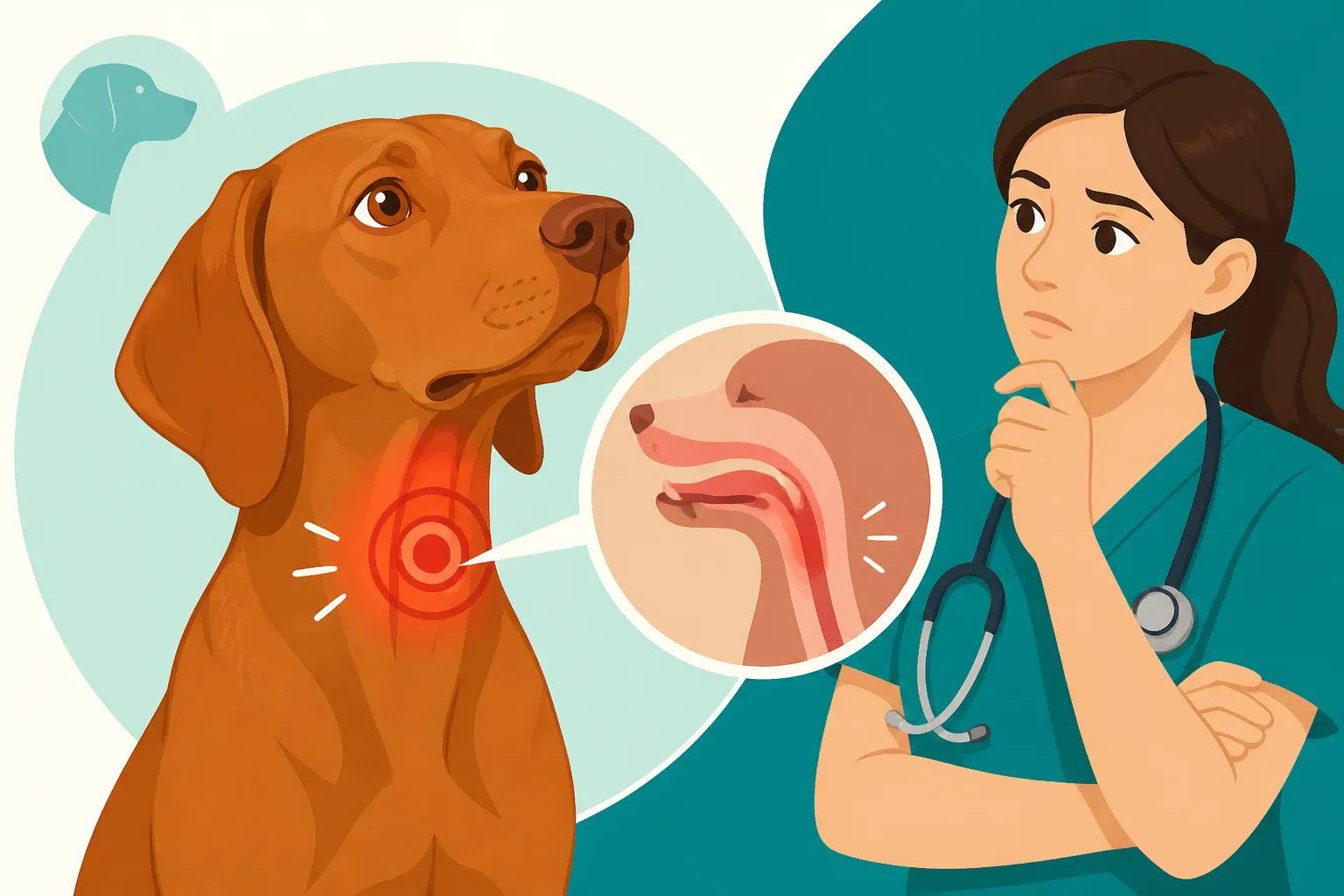
Spotting Swallowing Trouble in a Vizsla
It’s a truly unsettling experience to watch your beloved Vizsla struggle with something as fundamental as eating or drinking. These dynamic, energetic dogs live for their food and their activities, and when they suddenly start coughing, gagging, or dropping kibble, it sends a wave of panic through any devoted owner. This comprehensive guide is here to walk you through the various reasons a Vizsla might develop swallowing difficulties, how to spot the subtle and obvious signs, and the steps you can take with your veterinarian to ensure your copper companion gets the care they need.
Understanding the Causes of Swallowing Difficulties in Vizslas
Swallowing, or deglutition, is a complex process involving muscles, nerves, and precise coordination. When any part of this system goes awry, your Vizsla can experience dysphagia – the medical term for difficulty swallowing. It's not just about food going down the wrong pipe; it can be an indicator of underlying health challenges, some of which are unfortunately more common in our beloved Vizslas.
Neurological Conditions Affecting the Swallowing Reflex
Our Vizslas are known for their intelligence and athleticism, but sometimes the very systems that govern their incredible agility can also be vulnerable. Neurological conditions can directly impair the nerve signals that tell the muscles of the throat and esophagus what to do. One such concern is myasthenia gravis, an autoimmune disease where the body attacks the receptors for neurotransmitters, leading to muscle weakness that can include the pharynx and esophagus. If these muscles don't contract correctly, food cannot be propelled down efficiently.
Another significant concern for Vizsla owners is a condition known as Vizsla Inflammatory Polymyopathy (VIP). This immune-mediated disease often targets the muscles of the head, face, and esophagus. It’s a devastating condition where the body’s own immune system attacks healthy muscle tissue, causing inflammation and weakness. When this affects the muscles responsible for swallowing, such as those in the pharynx and larynx, your dog will undoubtedly struggle. You can learn more about its impact on the breed by reading What Vizsla Inflammatory Polymyopathy Does.
Beyond these specific conditions, generalized polyneuropathies can also occur, affecting multiple nerves throughout the body, including those essential for swallowing. While less common, certain toxins or infections can also temporarily or permanently damage neurological pathways, leading to similar symptoms. It's a stark reminder that what seems like a simple problem with eating can stem from deep within the nervous system.
Structural Abnormalities and Obstructions
Sometimes, the issue isn't with the brain's signals, but with the plumbing itself. Physical obstructions or structural anomalies in the mouth, pharynx, or esophagus can make swallowing impossible or very painful. Think of a foreign body – a piece of a toy, a stick, or even a large, poorly chewed treat – getting lodged in the throat. This is a common, though acute, cause of sudden swallowing trouble.
More chronic structural problems can also arise. Tumors, either benign or malignant, can grow in the oral cavity, pharynx, or esophagus, physically blocking the passage of food. Esophageal strictures, which are narrowings of the esophagus often caused by inflammation or scarring, can make it difficult for anything but liquids to pass. Then there’s megaesophagus, a condition where the esophagus dilates and loses its ability to move food down to the stomach effectively. Instead of contracting, it becomes a flaccid sac, and food simply sits there or falls back up. This can be a primary condition or secondary to other diseases, and it's a critical structural issue to identify.
In some cases, birth defects can lead to structural problems, such as a persistent right aortic arch, a vascular ring anomaly that constricts the esophagus. While these are usually identified early in life, they can sometimes present with delayed symptoms. Understanding these physical barriers is crucial for diagnosis, as their treatment approaches are vastly different from neurological issues.
Inflammatory and Immune-Mediated Diseases
As a breed, Vizslas are known for having a sensitive immune system, making them predisposed to various immune-mediated diseases. This susceptibility means that inflammatory conditions affecting the esophagus or surrounding tissues can be a significant cause of dysphagia. For example, eosinophilic esophagitis involves an accumulation of a type of white blood cell, eosinophils, in the esophageal lining, causing inflammation and pain that makes swallowing difficult.
Of course, we circle back to The Muscle Disease Named After the Vizsla – Vizsla Inflammatory Polymyopathy (VIP) – which is perhaps the most critical immune-mediated cause of swallowing issues specific to the breed. This condition can lead to severe atrophy of the masticatory muscles (those used for chewing) and the pharyngeal muscles, making both chewing and swallowing an immense struggle. Owners might notice their Vizsla struggling to even pick up kibble, let alone process it.
Other immune-mediated conditions, while perhaps not directly targeting the swallowing apparatus, can still cause generalized muscle weakness or pain that indirectly affects a Vizsla's ability or willingness to eat. For example, a dog suffering from widespread pain due to another autoimmune disorder might be too uncomfortable to properly engage in the eating process. This complex interplay of the immune system and bodily functions is why a thorough veterinary investigation is always paramount.
Recognizing the Early Signs of Dysphagia in Your Vizsla
Vizslas are famously stoic and eager to please, often hiding discomfort until it becomes severe. This makes spotting the subtle early signs of swallowing trouble particularly challenging but incredibly important. Catching these issues early can significantly improve the prognosis and management.
Behavioral Changes During Eating and Drinking
The most obvious place to look for signs of dysphagia is during meal times. A Vizsla who normally inhales their food might suddenly become hesitant or show a marked change in their eating habits. You might notice them making repeated, exaggerated swallowing efforts, often extending their neck or tossing their head back in an attempt to get food down. Coughing or gagging immediately after eating or drinking is a huge red flag – it suggests food or water is entering the trachea (windpipe) rather than the esophagus. This is often accompanied by an alarming sound, a sort of sputtering cough that lasts for several seconds.
Observe if your Vizsla starts dropping food from their mouth, as if they can't quite manage to chew or hold it, or if they take much longer to finish their meals. Some dogs might attempt to swallow multiple times before finally getting a mouthful down, or they might prefer softer foods over kibble because it's less effort. If you notice your Vizsla producing excessive drool during or after eating, it could indicate they're struggling to move saliva and food down their throat. This isn't just a messy habit; it's a sign their swallowing mechanism isn't working as it should. If you've ever wondered Whether a Vizsla Drools Before It Loses Muscle, observing these changes can provide crucial early insights.
Physical Manifestations and Secondary Symptoms
Beyond the immediate act of eating, dysphagia can lead to a host of other physical signs. Weight loss is a significant concern, especially in a breed like the Vizsla that burns calories so rapidly. If your dog is losing weight despite being offered adequate food, it’s a clear indication that they’re not getting the nutrition they need, likely because they can't swallow it properly. Another key symptom is regurgitation. This is often confused with vomiting, but it's different: regurgitation is the passive expulsion of undigested food, usually without the abdominal heaving associated with vomiting. It often occurs shortly after eating and the food is typically intact and tubular in shape.
Nasal discharge, particularly if it contains food particles, is a serious sign of aspiration, meaning food has gone into the lungs. This can quickly lead to aspiration pneumonia, a life-threatening infection. You might also notice bad breath (halitosis) not related to dental issues, as food that gets trapped or sits in the esophagus can ferment. Changes in vocalization, such as a hoarse bark or a weak whimper, can also sometimes indicate nerve or muscle damage affecting the larynx. Keeping a close eye on these physical changes, especially if you have a high-energy dog like a Vizsla, is paramount.
Subtle Cues in a High-Energy Breed
Vizslas are known for their unwavering enthusiasm and incredible drive. This very trait can make it hard to spot health issues, as they often try to push through discomfort. A Vizsla might still want to eat, even if it's painful or difficult, because their instinct to work and maintain energy is so strong. So, you might not see outright refusal until the problem is quite advanced. Instead, look for more subtle shifts: a slight hesitation before approaching their bowl, a less enthusiastic "dinner dance," or a quick glance at you as if seeking reassurance before they try to eat.
They might choose to eat in a different position, or refuse certain types of food they once loved, perhaps opting for softer options if offered. You may also notice a general decrease in their overall energy levels, which can be easily dismissed as "just a tired day." However, if this becomes a pattern, especially when combined with any eating difficulties, it warrants attention. A Vizsla who is usually a ball of boundless energy, but is now quieter or less eager for their usual run, could be struggling with an underlying health issue affecting their ability to properly nourish themselves. Regular monitoring of their body condition and general demeanor is key.
The Veterinary Diagnostic Process for Vizsla Swallowing Issues
When you suspect your Vizsla is having trouble swallowing, the next step is a prompt visit to your veterinarian. Diagnosing dysphagia isn't always straightforward, as the causes are varied, but a systematic approach helps pinpoint the exact problem. This can involve a range of tests, from basic physical exams to advanced imaging, and sometimes requires a consultation with specialists.
Initial Examination and History Taking
Your vet will start with a thorough physical examination, paying close attention to your Vizsla’s mouth, throat, and neck. They'll look for any oral lesions, dental problems, masses, or signs of pain on palpation. Neurological reflexes will also be assessed to check for general muscle weakness or nerve deficits. However, perhaps the most critical part of this initial visit is your detailed history. You, as the owner, are the primary observer. Be prepared to provide specific information:
- Onset: When did you first notice the swallowing difficulties? Was it sudden or gradual?
- Frequency: Does it happen with every meal, or only occasionally?
- Food Types: Does your Vizsla struggle more with kibble, wet food, or treats?
- Associated Symptoms: Have you noticed coughing, gagging, regurgitation, nasal discharge, weight loss, or changes in energy?
- Progression: Has the problem worsened, improved, or stayed the same?
Bringing videos of your Vizsla attempting to eat or drink can be incredibly helpful for your vet, as they might not witness the specific struggling behaviors during the appointment. This comprehensive history guides the vet towards the most likely causes and helps them choose the next diagnostic steps.
Advanced Imaging and Specialized Tests
If the initial exam doesn't reveal a clear cause, your vet will likely recommend more advanced diagnostics. A barium swallow study (also known as a contrast esophagram) is a common starting point. Your Vizsla will drink a liquid containing barium, which shows up on X-rays. A series of X-rays are taken as the barium travels down the esophagus, allowing the vet to visualize the swallowing process, identify any obstructions, strictures, or areas of dilation like in megaesophagus. Fluoroscopy is an even more dynamic version, providing real-time video X-rays, which is invaluable for observing the precise mechanics of swallowing and identifying any neurological dysfunctions.
Endoscopy involves inserting a small, flexible camera down your Vizsla's esophagus and into the stomach. This allows the vet to visually inspect the lining for inflammation, ulcers, foreign bodies, or tumors and even take biopsies if needed. Blood tests are also standard, checking for signs of infection, inflammation, or metabolic disorders. For suspected immune-mediated conditions like Vizsla Inflammatory Polymyopathy, specific blood tests to detect antibodies or a muscle biopsy (taking a small tissue sample for microscopic analysis) might be necessary. It’s important to remember that these tests can be expensive, and having pet insurance from a provider like Healthy Paws can significantly ease the financial burden of a complex diagnostic journey, allowing you to focus on your Vizsla’s health.
Differentiating From Other Conditions
One of the challenges in diagnosing dysphagia is that its symptoms can sometimes mimic other, unrelated conditions. For instance, dental disease can make chewing painful, causing a dog to drop food or refuse hard kibble, but it's not truly a swallowing problem. Nausea or a sensitive stomach might lead to a reluctance to eat or vomiting, but the actual act of swallowing remains unimpaired. Sometimes, a Vizsla might just be a notoriously messy eater, splashing water everywhere or scattering kibble, which can be mistaken for difficulty.
Your vet will carefully consider all possibilities. They will rule out simple causes first, like dental pain or dietary intolerance. For instance, if a dog is suddenly hesitant to eat, the vet will check for a broken tooth, gum infection, or foreign object stuck in the mouth. If regurgitation is the primary symptom, they will differentiate it from vomiting, which involves more active abdominal contractions and usually brings up stomach contents. This careful, systematic approach ensures that your Vizsla receives the correct diagnosis and, most importantly, the most effective treatment.
Managing Swallowing Difficulties and Supporting Your Vizsla at Home
Once a diagnosis is made, managing your Vizsla's swallowing difficulties often requires a multi-faceted approach, combining dietary changes, environmental adjustments, and sometimes medication. Your role as an owner is paramount in providing consistent care and observing your dog closely.
Dietary Adjustments and Feeding Techniques
One of the first and most impactful changes you can make is to adjust your Vizsla's diet and how you present their food. If they struggle with kibble, switching to a softer, easily swallowed consistency can make a world of difference. This might mean mixing their kibble with warm water or broth to create a slurry, or feeding canned wet food. Some Vizslas do well with small, meatball-sized portions of soft food, as these are often easier to manage than a bowl of liquid or a mouthful of small pieces.
For dogs with megaesophagus or severe aspiration risk, feeding in an elevated position is crucial. This often involves a special "Bailey Chair" or simply holding your Vizsla upright on their hind legs for 10-15 minutes after each meal to allow gravity to assist food movement into the stomach. You can find more specific guidance in articles like Whether a Vizsla Needs a Feeding Chair. Smaller, more frequent meals can also reduce the volume of food swallowed at one time, minimizing the risk of regurgitation and aspiration. Always ensure fresh water is available, but monitor how your Vizsla drinks. Some might benefit from drinking thick liquids, like diluted chicken broth mixed with a gelling agent, to make it easier to swallow safely. This helps prevent aspiration of thin liquids, which can be very dangerous.
Environmental Modifications and Monitoring
Creating a calm and focused eating environment can also help a Vizsla with dysphagia. Minimize distractions during meal times. If your Vizsla is easily excitable or has other dogs in the household, feeding them separately in a quiet room can help them concentrate on the task of eating without feeling rushed or stressed. After meals, avoid immediate strenuous activity. Instead, encourage a short period of calm, sitting or gentle standing, to allow food to settle.
Constant, vigilant monitoring is essential. Keep a food diary, noting what your Vizsla eats, how much, and any difficulties or regurgitation episodes. This information is invaluable for your vet to track progress and adjust treatment plans. Watch for any signs of worsening symptoms or the development of new ones, particularly those indicating aspiration pneumonia, like increased coughing, lethargy, or difficulty breathing. Your detailed observations are crucial for your Vizsla's ongoing care.
Medications and Supportive Therapies
Depending on the underlying cause of your Vizsla's swallowing issues, your veterinarian might prescribe various medications. For inflammatory conditions, anti-inflammatory drugs or immunosuppressants (like corticosteroids or cyclosporine, as might be used for VIP) may be prescribed to reduce inflammation and suppress the immune response. If aspiration pneumonia develops, antibiotics will be critical to treat the infection. Prokinetic medications can sometimes be used to stimulate esophageal movement, though their effectiveness varies.
For some conditions, particularly those involving muscle weakness or neurological deficits, physical therapy might be recommended. This could involve specific exercises to strengthen jaw and throat muscles or techniques to improve coordination. Nutritional supplements, such as B vitamins, might also be considered to support nerve health. Managing these ongoing medical needs and prescription costs can add up, and many Vizsla owners find that a comprehensive pet insurance plan, such as one from Healthy Paws, provides peace of mind. Knowing that you can pursue all necessary treatments without financial strain allows you to give your Vizsla the best possible quality of life.
When to Seek Urgent Veterinary Help
While managing chronic dysphagia involves consistent care, there are specific situations where you need to contact your veterinarian immediately, as they could indicate a life-threatening emergency. Knowing these signs can be the difference between a quick recovery and a severe health crisis for your Vizsla.
Acute Worsening of Symptoms
If your Vizsla's swallowing difficulties suddenly become much worse, don't wait. This includes if they completely refuse to eat or drink for more than 12-24 hours, especially if they are also lethargic or weak. Severe, prolonged choking or gagging that doesn't resolve within a few minutes is an emergency. If your dog is struggling to breathe, showing signs of distress such as blue gums, excessive panting, or wide-eyed panic, this requires immediate veterinary intervention.
Any sudden increase in regurgitation, especially if it's accompanied by respiratory distress, is a red flag. These acute changes suggest a rapid deterioration, potentially due to a sudden obstruction, a severe flare-up of an underlying condition, or a complication like aspiration pneumonia taking hold quickly. It's always better to err on the side of caution and get your Vizsla evaluated urgently.
Signs of Aspiration Pneumonia
Aspiration pneumonia is a serious and potentially fatal complication of dysphagia, occurring when food, water, or stomach contents are inhaled into the lungs, leading to a bacterial infection. The signs of aspiration pneumonia require immediate veterinary attention. Look for:
- Persistent coughing, especially a moist, productive cough.
- Increased respiratory effort, meaning they are breathing harder or faster than normal, even at rest.
- Shortness of breath or gasping.
- Fever, which you might notice as a warm nose, lethargy, or shivering.
- Lethargy and weakness, a general unwell appearance.
- Nasal discharge, especially if it's thick or colored.
If you suspect aspiration pneumonia, get your Vizsla to an emergency vet clinic right away. Early and aggressive treatment with antibiotics is crucial for a positive outcome. This is a situation where every minute counts.
Recognizing a Foreign Body Obstruction
A foreign body lodged in the throat or esophagus is a distinct and acute emergency. Unlike chronic dysphagia, which might develop gradually, an obstruction presents suddenly and severely. Your Vizsla might suddenly start pawing at their mouth, gagging uncontrollably, drooling excessively, or showing extreme distress and panic. They may stretch their neck out, unable to swallow anything, including their own saliva.
If you know your Vizsla chewed on something inappropriate before these symptoms started, that provides a strong clue. A complete obstruction means nothing can pass, not even water. This is an immediate trip to the emergency vet, as delayed treatment can lead to tissue damage, aspiration, or even suffocation. Trying to remove a foreign object yourself can often push it further down or cause more injury, so it's always best left to veterinary professionals.
Long-Term Outlook and Living with a Vizsla with Dysphagia
Living with a Vizsla that has a swallowing disorder is a commitment to ongoing care, but with dedication and a strong partnership with your vet, many dogs can still lead fulfilling lives. The long-term prognosis, however, is heavily dependent on the specific underlying cause and how well it can be managed.
Prognosis Based on Underlying Cause
The outlook for a Vizsla with dysphagia varies widely. For conditions like a simple esophageal foreign body that is successfully removed, the prognosis is excellent, with a full recovery expected. Similarly, if the dysphagia is due to an easily treatable infection or inflammation, resolution is often possible. However, for chronic or progressive conditions, the prognosis is more guarded.
Vizsla Inflammatory Polymyopathy (VIP), for instance, often requires lifelong management with immunosuppressive drugs. While these can help control the disease, it can recur, and dogs may experience periods of waxing and waning symptoms. Sadly, the muscle wasting, particularly around the head and neck, can be significant. This impacts their ability to eat, and in severe cases, dogs may need a feeding tube. Similarly, if a Vizsla has severe megaesophagus that is secondary to an untreatable neurological condition, the risk of aspiration pneumonia remains high, and the condition can be life-limiting. The key is understanding your Vizsla's specific diagnosis and what it means for their journey, ensuring you are prepared for the commitment of managing a chronic condition.
Quality of Life Considerations
Ensuring a good quality of life for a Vizsla with dysphagia is paramount. This means not just managing their physical symptoms but also their emotional well-being. A dog that struggles to eat can become frustrated or stressed around meal times. Maintaining their enthusiasm for food, even if it requires special preparation and feeding techniques, is important. Regular veterinary check-ups are essential to monitor their weight, hydration, and overall health, adjusting treatment plans as needed.
Consider their enjoyment of life outside of eating. If their condition severely limits their activity or causes chronic pain, difficult decisions may need to be made in consultation with your vet. However, many Vizslas with managed dysphagia can still enjoy walks, playtime, and the companionship they crave. You can explore ways to provide mental stimulation, such as puzzle toys that don't require much chewing, to keep their sharp minds engaged. The goal is to provide them with as much normalcy and joy as possible, within the boundaries of their condition. While the average The Twelve to Fourteen Years a Vizsla Lives might be impacted by chronic conditions, quality is always more important than mere quantity.
Importance of a Strong Veterinary Partnership
Navigating the complexities of dysphagia in a Vizsla demands a robust and trusting relationship with your veterinary team. This isn't a one-time fix; it's an ongoing partnership. You'll need open communication, asking questions, and feeling comfortable sharing your observations and concerns. Your vet will rely on your detailed feedback to fine-tune medications, recommend dietary adjustments, and monitor for complications.
Don't hesitate to seek second opinions or consult with veterinary specialists (such as internal medicine or neurology specialists) if your general practitioner recommends it. These experts can offer advanced diagnostics and treatment options, particularly for rare or complex cases. This continuous collaboration ensures that your Vizsla receives the most up-to-date and effective care available. Throughout this journey, the financial aspect of long-term care can be daunting. Having a reliable pet insurance provider, like Healthy Paws, can be an absolute lifeline, helping cover the costs of specialist consultations, ongoing medications, and emergency visits, allowing you to prioritize your Vizsla's health without added stress.
Comparative Symptoms of Normal Eating vs. Dysphagia
Understanding the difference between a naturally enthusiastic (and sometimes messy!) Vizsla eater and one with genuine swallowing trouble can be tricky. This table highlights key distinctions.
| Symptom Category | Normal Eating Behavior (Vizsla) | Dysphagia (Swallowing Trouble) |
|---|---|---|
| Eating Speed | Fast, eager, often gulps food. | Slow, hesitant, takes longer to finish. |
| Effort | Minimal visible effort, smooth process. | Exaggerated swallowing motions, head tossing, multiple attempts. |
| Drooling | Normal salivation, occasional mess. | Excessive drooling, often thick or stringy, before/during/after eating. |
| Coughing/Gagging | Rare, usually due to eating too fast (choking). | Frequent, especially immediately after eating/drinking, wet or sputtering cough. |
| Food Dropping | Minimal, accidental. | Food frequently falls from mouth, difficulty grasping/holding. |
| Regurgitation/Vomiting | Rare vomiting (active abdominal effort). | Regurgitation (passive expulsion of undigested food) common after eating. |
| Nasal Discharge | Absent. | Present, especially with food particles, after eating/drinking. |
| Appetite | Enthusiastic, strong interest in food. | May show interest but hesitates, selective about food textures, or complete refusal. |
| Weight | Stable or easily maintained. | Unexplained weight loss, difficulty gaining weight. |
| Energy | High, typical Vizsla boundless energy. | Lethargy, decreased activity, general unwellness. |
Disclaimer
The information provided in this article is for general informational purposes only and is not intended as a substitute for professional veterinary advice. Always consult with a qualified veterinarian for any health concerns or before making any decisions related to your Vizsla's health and treatment.