Whether a Vizsla’s Head Muscles Waste Away
There's a specific kind of heartbreak that comes with watching your vibrant Vizsla, once so full of life and eager to gobble up dinner, start to show subtle, unsettling changes in their face. Owners often notice the temples looking a bit hollow, or their once-full cheeks seeming thinner, leading to that worrying question: are my Vizsla's head muscles wasting away? This isn't just a cosmetic change; it's a profound health concern that demands attention. This guide will delve deep into why a Vizsla's head muscles might waste away, what to look for, and how to manage this challenging condition, offering real insight and practical advice for worried owners.
Understanding Muscle Atrophy in Vizslas
When we talk about muscle wasting, or atrophy, in a Vizsla's head, we're almost always referring to a very specific and concerning condition: Vizsla Inflammatory Polymyopathy (VIP). While general muscle loss can occur with aging or severe illness, VIP has a targeted and devastating effect on the muscles responsible for chewing and swallowing. It’s not just a sign of getting older; it’s an active disease process that requires swift intervention.
What Causes Head Muscle Wasting?
The primary culprit behind head muscle wasting in Vizslas is Vizsla Inflammatory Polymyopathy (VIP), also sometimes loosely associated with or compared to Masticatory Myositis. This is an autoimmune disease where the dog's own immune system mistakenly attacks its skeletal muscle tissue, particularly focusing on the muscles of the head and neck. It's a cruel twist of biology where the body turns on itself, leading to inflammation and destruction of healthy muscle cells.
Unlike other forms of myositis that might affect muscles throughout the body, VIP often manifests most visibly in the head, hence the specific concern about muscle wasting there. There's a strong genetic predisposition suspected within the Vizsla breed, meaning certain lines may be more prone to developing this heartbreaking condition. While we might see muscle loss from disuse or general poor health, the rapid and specific nature of head muscle atrophy in a Vizsla typically points directly to VIP. This condition is often referred to as The Muscle Disease Named After the Vizsla, and it's a serious concern for the breed.
The Specific Muscles Affected by VIP
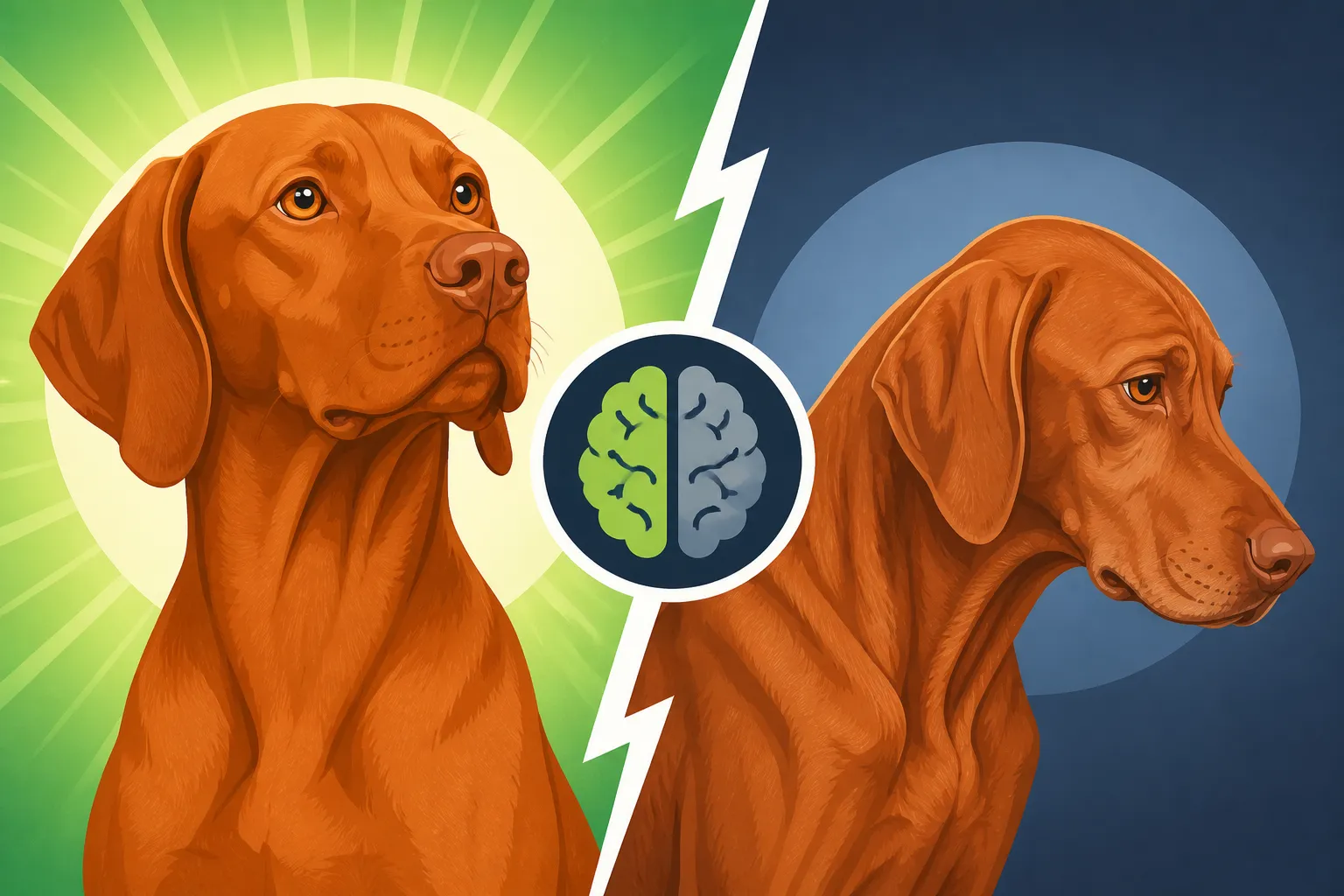
The muscles most visibly and functionally affected by Vizsla Inflammatory Polymyopathy are the masticatory muscles – those used for chewing. These include the temporalis muscles, located on the sides of the head (your Vizsla's "temples"), and the masseter muscles, which are the prominent cheek muscles that bulge when they chew. When these muscles atrophy, they shrink significantly, leading to a very distinct, gaunt appearance. The once-full, expressive Vizsla head can start to look sunken and angular, sometimes described as a "peanut head" due to the narrowness behind the eyes.
Beyond the chewing muscles, VIP can also impact the muscles involved in swallowing (pharyngeal and laryngeal muscles), leading to further complications. This means a Vizsla might struggle not just to pick up and break down food, but also to move it from their mouth down their throat safely. Understanding Why VIP Attacks a Vizsla's Head and Neck is crucial for grasping the disease's progression and potential complications. This dual impact on both chewing and swallowing makes VIP particularly debilitating and dangerous for a Vizsla's nutrition and overall well-being.
How Quickly Does Muscle Wasting Occur?
The progression of head muscle wasting in a Vizsla with VIP can vary, but it often happens surprisingly quickly. Owners might first notice subtle changes, perhaps a slight hollowing of the temples or a reduction in the fullness of their dog's cheeks. These initial signs can sometimes be dismissed as weight loss or just a change in appearance as a dog ages. However, with VIP, these changes typically progress rapidly over weeks or even just a few months.
What starts as subtle hollowing can quickly become pronounced atrophy, making the skull bones, particularly the zygomatic arches (cheekbones) and the sagittal crest (the ridge on top of the head), much more prominent. The speed of onset is one of the key indicators distinguishing VIP from more generalized, slower-onset muscle loss. This rapid deterioration is what makes early detection and intervention so critical. Unfortunately, the more severe the muscle wasting, the harder it can be to reverse the damage, even with treatment.
Recognizing the Signs of Head Muscle Wasting
Detecting head muscle wasting early in your Vizsla can make a significant difference in their prognosis and quality of life. It’s not always obvious at first glance, especially if you see your dog every day. However, once you know what to look for, these signs become incredibly telling.
Visual Changes in Your Vizsla's Face
The most heartbreaking signs of head muscle wasting are often the visual changes to your Vizsla's beloved face. As the masticatory muscles shrink, the temples become noticeably hollowed, giving the dog's head a narrow appearance behind the eyes. The cheekbones, which were once smoothly covered by muscle, start to protrude sharply. This can make their eyes appear larger or more sunken. Some owners describe it as their dog's head resembling a "peanut" from above, due to the concave areas.
This isn't merely a cosmetic alteration; it’s a stark visual indicator of significant muscle loss and potential discomfort. You might also notice that their jawline seems sharper or more defined. These changes can be particularly distressing because they alter the familiar, soft expression of your Vizsla, making them look older, thinner, or even perpetually worried. It’s important to remember that these changes are not due to lack of food but to the body attacking its own muscle tissue.
Behavioral Indicators and Eating Difficulties
Beyond the visual changes, a Vizsla experiencing head muscle wasting will almost certainly display behavioral changes, particularly around eating. One of the earliest and most common signs is a reluctance or inability to fully open their mouth. This can make yawning difficult or painful, and you might notice them struggling to pick up kibble or larger treats. Chewing becomes a monumental effort; they might drop food frequently, chew very slowly, or even refuse to eat hard foods altogether.
Dogs with affected swallowing muscles may cough or choke more often during meals, or even aspirate food or water, which can lead to serious respiratory issues like aspiration pneumonia. You might also notice them tilting their head while eating, trying to use gravity to help, or making exaggerated swallowing motions. Their bark might even change, sounding weaker or hoarser due to muscle weakness in the throat. Keep a close eye out for Spotting Swallowing Trouble in a Vizsla, as this indicates a more advanced stage of the disease. Any of these signs warrant immediate veterinary attention, as they indicate not just muscle loss but a significant impact on their ability to feed themselves.
Distinguishing VIP from Other Conditions
While head muscle wasting in Vizslas strongly points to VIP, it's essential to understand that other conditions can also cause muscle atrophy, albeit typically with different presentations. For instance, general sarcopenia (age-related muscle loss) is a slow, gradual process that affects muscles throughout the body, not just the head, and rarely causes the acute chewing and swallowing difficulties seen in VIP. Severe chronic illnesses like cancer or kidney disease can also lead to cachexia (wasting), but again, this is usually generalized and accompanied by other systemic symptoms.
Nutritional deficiencies are rare in well-fed dogs but could theoretically lead to muscle loss; however, it wouldn't be as localized or inflammatory as VIP. Sometimes, a severe dental issue or jaw injury might cause disuse atrophy, but a thorough veterinary exam would usually reveal the primary cause. This is why a precise diagnosis is so important; simply seeing a sunken face isn't enough, but it should trigger a comprehensive investigation by your veterinarian to rule out other possibilities and confirm VIP. In some cases, a Vizsla might also develop Whether a Vizsla Gets Masticatory Myositis, which presents very similarly.
Diagnosing and Managing Vizsla Head Muscle Atrophy
When you suspect your Vizsla's head muscles are wasting away, the journey to diagnosis and management can feel overwhelming. However, with prompt veterinary care, there are pathways to help your beloved dog. Early action is key to mitigating the long-term impact of this condition.
The Diagnostic Process
Diagnosing Vizsla Inflammatory Polymyopathy involves a combination of physical examination, patient history, and specific diagnostic tests. Your veterinarian will carefully examine your Vizsla's head, jaw, and neck, looking for visual signs of atrophy, assessing their ability to open their mouth, and checking for any pain or discomfort. They'll ask detailed questions about the onset of symptoms, eating habits, and any other changes you've observed.
The most definitive diagnostic tool for VIP is often a muscle biopsy, where a small sample of affected muscle tissue is taken and sent to a specialized laboratory for histopathological examination. This can reveal the inflammatory changes characteristic of polymyopathy. In some cases, blood tests might be performed, though a specific 2M antibody test, which is commonly used for Masticatory Myositis, may not always be definitive for the broader VIP condition in Vizslas. Electromyography (EMG) to assess muscle electrical activity can also be helpful. It’s a process, but getting a clear diagnosis is the first crucial step.
Treatment Options and Prognosis
Once VIP is diagnosed, the cornerstone of treatment is immunosuppressive therapy, typically using high doses of corticosteroids like prednisone. These medications work to suppress the immune system's attack on the muscles, aiming to reduce inflammation and halt further muscle destruction. The initial dosage is often quite high and then gradually tapered over weeks to months, depending on the dog's response. It’s a delicate balance to find the lowest effective dose to control the disease while minimizing side effects.
In addition to steroids, other immunosuppressants might be used in conjunction or as alternatives if steroids are not well-tolerated or effective enough. Physical therapy, including gentle massage and range-of-motion exercises for the jaw, can help maintain muscle flexibility and function. Nutritional support is also paramount, which might involve softened food, elevated feeding bowls, or even a feeding tube in severe cases where swallowing is compromised. The prognosis varies; some Vizslas respond well to treatment and can lead relatively normal lives, while others may experience waxing and waning symptoms or require lifelong medication. It's a long road, but Whether a Vizsla With VIP Can Be Treated effectively largely depends on early and consistent management. The financial strain of managing a chronic condition like VIP can be significant, making a robust pet insurance plan like one from Healthy Paws a wise consideration for many Vizsla owners.
Living with a Vizsla with Muscle Wasting
Living with a Vizsla undergoing treatment for head muscle wasting due to VIP requires dedication and patience. Your dog will need ongoing monitoring to assess their response to medication, adjust dosages, and watch for any side effects. Regular vet visits, potentially involving follow-up muscle biopsies or blood work, will be part of the routine. You'll need to pay close attention to their eating and drinking, ensuring they consume enough calories and stay hydrated. This might mean adjusting their food consistency, feeding schedule, or even using specialized equipment like Whether a Vizsla Needs a Feeding Chair.
Creating a comfortable and stress-free environment is also important. Gentle exercise and mental stimulation that doesn't overtax their weakened muscles can help maintain overall well-being. It’s also important to be emotionally prepared for the ups and downs of managing a chronic autoimmune disease. There will be good days and challenging days, and your loving support is the most important factor in their quality of life. Investing in pet insurance, such as a plan from Healthy Paws, early on can provide peace of mind by helping to cover the often-high costs associated with long-term medication and specialized care.
Preventative Measures and Breeder Responsibility
While VIP can be a devastating diagnosis, understanding its potential roots and the role of genetics can help prospective Vizsla owners make informed decisions and contribute to the breed's overall health. There's no guaranteed prevention, but responsible choices can make a difference.
The Role of Genetics in Vizsla Polymyopathy
Research strongly suggests a genetic component to Vizsla Inflammatory Polymyopathy. This means that certain genetic lines within the Vizsla breed may carry genes that predispose dogs to developing the condition. While the exact mode of inheritance is still being studied, the prevalence of VIP specifically in Vizslas points away from it being a random occurrence and toward a hereditary factor. This is a common theme in autoimmune diseases within specific breeds; Whether Polymyopathy Runs in Vizsla Lines is a question many responsible breeders are actively working to answer through research and careful breeding practices.
Because of this suspected genetic link, responsible breeding practices are paramount. Breeders committed to the health of the Vizsla breed will carefully screen their breeding stock and consider the health history of their dogs' pedigrees, especially regarding autoimmune conditions. Avoiding breeding dogs that have developed VIP or come from lines with a high incidence of the disease is a crucial step in trying to reduce its occurrence in future generations.
Choosing a Responsible Vizsla Breeder
For anyone considering bringing a Vizsla into their home, choosing a responsible and ethical breeder is one of the most impactful decisions you can make to reduce the risk of inherited health issues, including VIP. A reputable breeder will be transparent about the health history of their breeding dogs and their puppies' parents. They should be willing to discuss the incidence of diseases like VIP in their lines and provide information about the health testing they undertake.
While there isn't yet a specific DNA test to predict VIP, a good breeder will still health screen for other known Vizsla issues like hip and elbow dysplasia, eye conditions, and thyroid disease. More importantly, they will be open and honest about any cases of VIP or other autoimmune conditions that have appeared in their extended pedigrees. They should prioritize the health and temperament of their dogs above all else and be dedicated to improving the breed. Don't be afraid to ask tough questions; a responsible breeder will appreciate your thoroughness and be happy to educate you on the breed's health. In the long run, this diligence can save you and your future Vizsla a lot of heartache.
Common Signs and Progression of Vizsla Inflammatory Polymyopathy (VIP)
Here's a quick overview of the typical signs and how the condition might progress:
| Stage of Progression | Visual Signs | Behavioral Signs | Potential Complications | Urgency for Vet Visit |
|---|---|---|---|---|
| Early | Subtle hollowing of temples | Mild difficulty picking up kibble, slower chewing, occasional food dropping | Can be mistaken for normal aging or minor dental issues | Moderate |
| Moderate | Noticeable sunken temples, prominent cheekbones | Reluctance to chew hard foods, significant food dropping, painful jaw opening | Weight loss, discomfort, reduced quality of life | High |
| Advanced | "Peanut head" appearance, severe muscle atrophy | Inability to open mouth wide, refusal to eat, coughing/choking during eating | Severe weight loss, aspiration pneumonia, profound weakness | Immediate |
| Chronic | Persistent muscle loss, potentially irreversible | Lifelong need for softened food, managed discomfort, altered vocalization | Management of secondary infections, ongoing medication needs | Ongoing |
Disclaimer
The information provided in this article is for educational and informational purposes only and does not constitute veterinary advice. Always consult with a qualified veterinarian for any health concerns or before making any decisions about your pet's health or treatment.