Whether a Vizsla Aspirates Its Food
It’s a truly frightening moment for any Vizsla owner: you hear that sudden gagging, choking sound from your beloved companion during or right after a meal, and your heart jumps into your throat. The fear that your dog might be aspirating their food – meaning food or liquid is going down the "wrong pipe" into their lungs instead of their stomach – is a very real and valid concern. This guide is here to shed light on why a Vizsla might aspirate their food, the serious implications, and most importantly, how you can help prevent this dangerous occurrence and manage related health issues.
Understanding Aspiration Pneumonia in Dogs
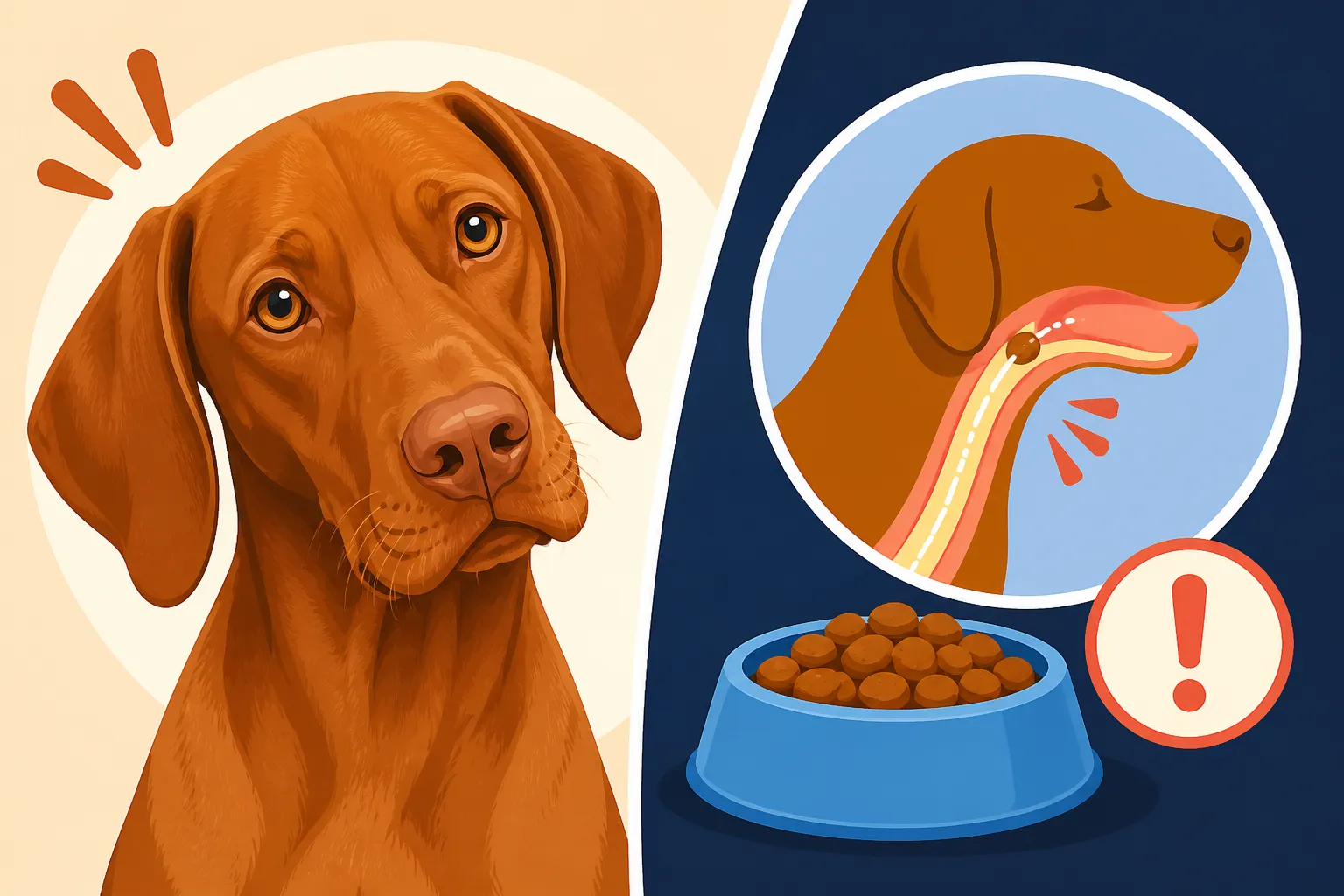
When we talk about a dog aspirating food, we're really talking about a serious medical event that can lead to a life-threatening condition called aspiration pneumonia. It’s not just a momentary cough; it’s when foreign material, typically food particles, water, or even regurgitated stomach contents, gets inhaled into the lungs. Canine anatomy is generally well-equipped to prevent this, but certain underlying conditions can compromise those natural defenses, making some dogs, including Vizslas, more susceptible.
How Aspiration Occurs
Normally, when your Vizsla swallows, a tiny flap called the epiglottis covers the entrance to the trachea (windpipe), directing food and water safely into the esophagus (food pipe) and then to the stomach. It's a remarkably efficient system. However, if this protective mechanism is faulty, or if the food pipe itself isn't working correctly, this vital coordination can break down. The muscles responsible for swallowing need to work in a precise, rhythmic fashion. If these muscles are weak, damaged, or uncoordinated, food can linger in the throat or esophagus, increasing the chance it will accidentally spill into the airway, especially when the dog tries to breathe or cough.
The Dangers of Aspiration Pneumonia
Aspiration pneumonia is no small matter. The inhaled material, whether it's food, water, or stomach acid, can introduce bacteria into the lungs, leading to a severe infection. Symptoms often include a deep, wet cough, difficulty breathing, lethargy, fever, and a loss of appetite. If left untreated, aspiration pneumonia can quickly become fatal. It’s a secondary condition, meaning it’s almost always caused by an underlying problem. Identifying and addressing that primary issue is crucial for a Vizsla's long-term health and to prevent recurrence. This is why understanding the root cause, particularly in a breed predisposed to certain conditions like the Vizsla, is so important.
Specific Vizsla Health Concerns Leading to Aspiration
While any dog can aspirate, Vizslas are unfortunately prone to certain conditions that significantly increase this risk. The most notable among these is a specific muscle disease unique to the breed, but other esophageal issues can also play a role. Being aware of these breed-specific predispositions is key to early detection and management.
Vizsla Inflammatory Polymyopathy
This is a condition that, heartbreakingly, can make a Vizsla particularly vulnerable to aspiration. Sometimes referred to more broadly as The Muscle Disease Named After the Vizsla, Vizsla Inflammatory Polymyopathy (VIP) is an immune-mediated disease where the body mistakenly attacks its own muscle tissue. What makes this so concerning in relation to aspiration is that VIP often affects the muscles of the head, neck, and esophagus.
When VIP attacks these specific areas, it can directly impair a Vizsla's ability to swallow effectively. The muscles of the pharynx (throat) and esophagus become weak and inflamed, making the coordinated act of moving food from the mouth to the stomach incredibly difficult. Your Vizsla might seem to struggle to eat or might cough and gag during meals because the food isn't being propelled properly. This struggle is exactly what increases the risk of food entering the trachea. For more on how this impacts their eating, you might want to read Whether a Vizsla With VIP Struggles to Eat. The critical nature of this condition means owners need to be hyper-vigilant.
Megaesophagus and Other Esophageal Motility Issues
Beyond VIP, some Vizslas, like other breeds, can develop megaesophagus. This condition is exactly what it sounds like: an abnormally enlarged esophagus that has lost its muscular tone and ability to push food down to the stomach. Instead of actively moving food, the esophagus becomes a flaccid, dilated sac where food and liquid accumulate. Gravity becomes the only force trying to move food along, which often isn't enough.
When a dog with megaesophagus eats, food tends to sit in the enlarged esophagus. This creates a high risk for regurgitation – not vomiting, but a passive expulsion of undigested food and liquid, often without warning or effort. When regurgitation happens, especially if the dog is lying down or bending its head, it's incredibly easy for that material to be inhaled into the lungs, leading directly to aspiration pneumonia. Other, less severe esophageal motility issues, where the muscles of the esophagus simply don't contract efficiently, can also contribute to a slower transit time of food and increase the risk of aspiration. Early diagnosis is key, and if you suspect an issue, getting a definitive diagnosis is crucial, as is managing the condition to prevent aspiration.
Recognizing the Signs of Aspiration and Swallowing Trouble
Knowing what to look for is your best defense against the severe consequences of aspiration. Vizslas are known for being stoic, and they might try to hide discomfort, especially if they are highly motivated by food. However, there are tell-tale signs that should prompt immediate investigation.
Acute Signs of Aspiration Pneumonia
If your Vizsla has just aspirated, or is developing aspiration pneumonia, you might notice a combination of these symptoms. It’s crucial to act quickly if you see these:
- Sudden, Violent Coughing or Choking: This often happens right after eating or drinking, or even waking up. It can sound wet and distressed.
- Difficulty Breathing (Dyspnea): Your Vizsla might be breathing rapidly, shallowly, or with obvious effort, sometimes with an open mouth. Their gums might appear bluish if oxygen levels are critically low.
- Fever: Touch your Vizsla's ears and nose; they might feel warm. A rectal temperature above 102.5°F (39.2°C) is generally considered a fever.
- Lethargy and Weakness: They might be unusually tired, uninterested in play or walks, and generally seem unwell.
- Loss of Appetite: This is a common sign of any illness, but particularly concerning if they're refusing food despite being a typically enthusiastic eater.
- Nasal Discharge: You might see discharge from their nose, possibly with food particles in it.
Don't wait if you observe these acute signs; contact your vet immediately. This is an emergency.
Chronic Signs of Swallowing Difficulties or Esophageal Issues
Beyond the acute crisis, there are more subtle, ongoing signs that suggest your Vizsla is struggling with swallowing or has an underlying esophageal issue like VIP or megaesophagus. These are signs that require veterinary attention even if there isn't an immediate emergency, as they indicate a high risk for future aspiration events. Spotting Swallowing Trouble in a Vizsla provides an even deeper dive into these indicators.
Consider these indicators:
- Regurgitation: This is different from vomiting. Vomiting involves heaving and abdominal contractions. Regurgitation is a passive, effortless expulsion of undigested food, often tubular in shape, from the esophagus. It can happen hours after eating.
- Excessive Drooling: If your Vizsla is drooling more than usual, especially after eating, it could be a sign that food is accumulating in their throat or esophagus.
- Repeated Swallowing Attempts: You might see your Vizsla making repeated, exaggerated swallowing motions, as if trying to clear something from their throat.
- Food Aversion or Reluctance to Eat: Even a hungry Vizsla might hesitate to eat if swallowing is painful or difficult. They might approach their bowl, sniff, and then back away.
- Weight Loss: If your Vizsla isn't getting adequate nutrition because food isn't reaching their stomach, they will lose weight. This can be particularly noticeable in active breeds like Vizslas, who already Keeping Weight on a Vizsla That Burns Everything.
- Bad Breath (Halitosis): Stagnant food in the esophagus can ferment and cause an unpleasant odor.
- Coughing After Eating/Drinking: A persistent cough, particularly after consuming food or water, is a huge red flag that material might be entering the airways.
- "Hungry but Can't Eat" Syndrome: This is a particularly frustrating sign where your Vizsla clearly wants to eat and acts hungry, but struggles significantly when presented with food, often giving up.
- Changes in Bark or Voice: If the laryngeal muscles are affected by conditions like VIP, your Vizsla's bark might sound hoarse or weak. Why VIP Attacks a Vizsla's Head and Neck explains more about the muscle involvement.
If you observe any of these signs, even if subtle, it's vital to consult your veterinarian. They can perform diagnostic tests, such as X-rays (plain and barium contrast studies), fluoroscopy (real-time X-ray of swallowing), or endoscopy, to determine the exact cause of the swallowing difficulty.
| Symptom Category | Acute Aspiration (Emergency) | Chronic Swallowing Difficulty |
|---|---|---|
| Respiration | Sudden, wet cough, choking, severe breathing difficulty, blue gums | Persistent cough after eating/drinking, occasional mild gagging |
| General Health | Lethargy, fever, immediate distress, weakness | Gradual weight loss, overall malaise, reduced energy |
| Eating Behavior | Refusal to eat due to distress, active coughing/gagging | Reluctance to eat, repeated swallowing, food aversion, drooling, regurgitation |
| Other Signs | Nasal discharge (possibly with food), panicked demeanor | Bad breath, changes in bark, "hungry but can't eat" |
Management and Prevention Strategies
Once an underlying condition that causes aspiration, such as Vizsla Inflammatory Polymyopathy or megaesophagus, has been diagnosed, your veterinarian will work with you to create a comprehensive management plan. The goal is always to minimize the risk of aspiration and treat any existing aspiration pneumonia.
Elevated Feeding
This is often the first and most critical adjustment for dogs with megaesophagus or severe swallowing difficulties. The idea is to use gravity to help food travel down the esophagus. This typically involves feeding your Vizsla in an upright position.
- Bailey Chair: A specially designed chair that holds your Vizsla in an upright, almost sitting-up-like position while they eat. If you're wondering Whether a Vizsla Needs a Feeding Chair, for dogs with megaesophagus, the answer is often a resounding yes. They eat their meal, then remain in the chair for 10-20 minutes afterward to ensure all food has a chance to pass into the stomach.
- Raised Bowls: While helpful for some dogs, simply raising a bowl may not be enough for severe megaesophagus. The dog needs to be almost vertical. For milder cases or as a supplement, using a stand for their bowls so they don't have to bend their neck downwards can be beneficial.
- Hand Feeding: For some dogs with profound muscle weakness, hand-feeding small, frequent meals while holding them upright might be necessary. This allows you to monitor each swallow closely.
Food Consistency and Meal Frequency
The texture of your Vizsla's food plays a massive role in successful swallowing.
- Liquids vs. Solids: Contrary to what you might think, water and very thin liquids can be the hardest to swallow without aspiration for dogs with motility issues. They are easily inhaled. Sometimes, a thicker consistency, like a gruel, can be easier.
- Slurry or Meatballs: Many vets recommend converting kibble into a thick, soupy slurry with water, or forming canned food into small, soft meatballs. The "meatball" method encourages deliberate swallowing and prevents tiny particles from being easily inhaled. Experiment under vet guidance to find what works best.
- Frequent Small Meals: Instead of two large meals, feeding 4-6 smaller meals throughout the day can reduce the volume of food in the esophagus at any one time, lowering the risk.
Post-Meal Care
What happens immediately after eating is as important as the meal itself.
- Upright Position: As mentioned with the Bailey chair, maintaining an upright posture for 10-20 minutes after eating helps gravity do its job.
- Quiet Time: Avoid strenuous activity, excitement, or belly rubs right after meals, as these can stimulate regurgitation. A calm environment is best.
- Water Management: Water also needs careful management. Many dogs with swallowing issues find it difficult to drink from a bowl without aspirating. Options include:
- Thickening Water: Using a commercial thickening agent (like thickeners for human dysphagia patients) to make water more gel-like.
- Ice Cubes: Some dogs do better licking ice cubes, as they take in smaller, controlled amounts of water.
- Water Added to Food: Ensuring their slurry or wet food has sufficient moisture to cover their hydration needs.
Medications and Ongoing Veterinary Care
For conditions like Vizsla Inflammatory Polymyopathy, medication is typically a cornerstone of treatment. Whether Steroids Control a Vizsla's Polymyopathy is a good resource to delve into that aspect. Immunosuppressive drugs, such as corticosteroids (e.g., prednisone) or other immune modulators like cyclosporine, are often used to reduce the immune system's attack on muscle tissue. These medications aim to improve muscle function and, consequently, swallowing ability.
Beyond specific treatments, regular veterinary check-ups are paramount. Your vet will monitor your Vizsla's weight, lung sounds, and overall condition. They will also guide you on dietary adjustments and ensure that any signs of aspiration pneumonia are caught and treated swiftly with antibiotics and supportive care. Conditions like megaesophagus often require lifelong management, and having a good relationship with your vet, and perhaps considering pet insurance like Healthy Paws to help with ongoing treatment costs, can make a huge difference in managing these complex health challenges.
When to Seek Veterinary Help Immediately
It's tempting to try and manage things at home, especially if you're a seasoned dog owner, but aspiration is incredibly serious. Knowing when to drop everything and head to the vet can literally save your Vizsla's life.
Acute Respiratory Distress
Any sign of your Vizsla struggling to breathe should be treated as an emergency. This includes:
- Rapid, Shallow Breathing: More than 30-40 breaths per minute at rest.
- Obvious Effort: Chest and abdominal muscles working hard to breathe.
- Open-Mouth Breathing: If they're breathing through their mouth when not hot or exercising.
- Gums Changing Color: Blue, purple, or even pale gums indicate a lack of oxygen.
- Distress or Panic: Your Vizsla might seem anxious, unable to settle, or actively fighting for breath.
These signs demand immediate veterinary intervention, as they could signify severe aspiration pneumonia, which can rapidly become life-threatening. Do not delay, even if it's late at night; seek an emergency veterinary clinic.
Persistent Coughing, Lethargy, and Fever
While not as immediate an emergency as acute respiratory distress, these symptoms, especially when combined, indicate a developing aspiration pneumonia that needs urgent attention. If your Vizsla is coughing persistently, seems unusually tired, and has a fever (warm to the touch, or if you can take a rectal temperature above 102.5°F), they need to be seen by a vet within hours, not days. Untreated pneumonia can quickly worsen, leading to severe complications.
Many Vizsla owners find themselves facing unexpected and significant veterinary bills for conditions like VIP, megaesophagus, or repeated bouts of aspiration pneumonia. This is where pet insurance like Healthy Paws can be a lifesaver, helping to cover the costs of diagnostics, emergency care, and long-term medication. It allows you to make decisions based on your Vizsla's health needs, not just your wallet. Understanding What a Vizsla Costs a Year to Keep often highlights that unexpected health events are a major factor, making Insuring a Vizsla Against Immune Disease a wise consideration.
In essence, if you ever doubt whether your Vizsla is okay after a coughing or gagging spell, err on the side of caution and call your vet. They are the best resource for evaluating your dog's symptoms and providing the necessary care to ensure their safety and well-being. Proactive monitoring and quick action are your Vizsla's best defense against the dangers of aspiration.
Disclaimer
The information provided in this article is for educational purposes only and is not a substitute for professional veterinary advice. Always consult with a qualified veterinarian for any health concerns or before making any decisions related to your Vizsla's care and treatment.