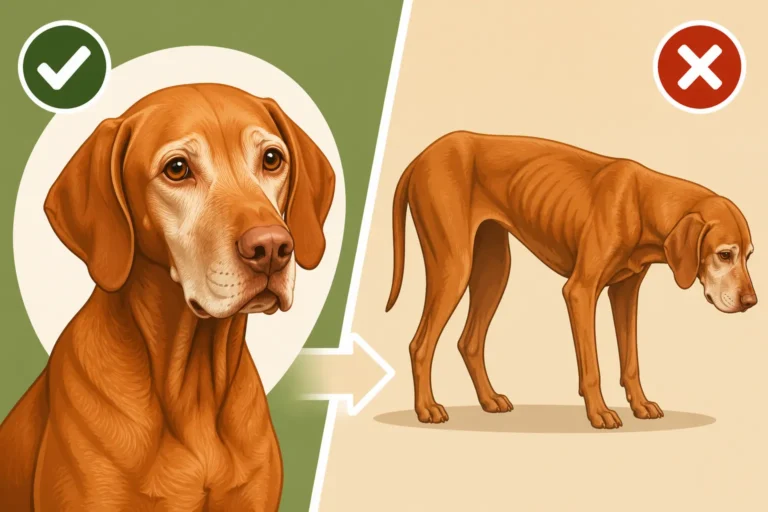
The Age Lymphoma Hits a Vizsla
It's an absolute gut punch to think about our beloved Vizslas facing serious health challenges, especially something as devastating as cancer. These energetic, joyful dogs are more than just pets; they're family, hunting partners, and our constant shadows. When you hear about diseases like lymphoma, it's natural to immediately wonder, "Could my Vizsla get that? And if so, when?" This guide aims to shed light on the typical age lymphoma tends to strike Vizslas, giving you a clearer picture of what to watch for and when to be most vigilant.
Understanding Lymphoma in Vizslas
Lymphoma is one of those words that sends shivers down any dog owner's spine. It's a type of cancer that originates in the lymphocytes, which are a specific type of white blood cell crucial for the immune system. When these cells become cancerous, they can proliferate uncontrollably in various organs throughout the body, most commonly affecting the lymph nodes, spleen, liver, and bone marrow. For Vizsla owners, understanding this disease is particularly important because, sadly, our breed is considered to be at a higher risk compared to the general canine population.
What Exactly Is Lymphoma in Dogs?
At its core, lymphoma is a cancer of the lymphatic system, a vast network that runs throughout your dog's body, playing a vital role in immunity. Think of it like the body's internal defense system, with lymph nodes acting as little filtering stations and lymphocytes as the soldiers. In lymphoma, these soldiers go rogue, multiplying abnormally. This can lead to enlarged lymph nodes that you might feel as lumps, or it can manifest internally, affecting organs you can't see but which are critical for your dog's health. The insidious nature of lymphoma is that it's systemic, meaning it can appear almost anywhere, making it a tricky opponent. It's not like a benign fatty tumor that just sits there; it's an aggressive cancer that impacts the body's fundamental ability to fight off disease.
Why Vizslas Seem Prone to This Cancer
It's heartbreaking to admit, but Vizslas, with their beautiful golden coats and vibrant personalities, do seem to carry a predisposition to certain cancers, and lymphoma is high on that list. While no single gene has been definitively identified as the "lymphoma gene" in Vizslas, the prevailing theory points towards a genetic component, possibly linked to the breed's relatively narrow gene pool. Many experts believe that generations of careful breeding for specific traits, such as hunting prowess and that distinctive "golden rust" color, may have inadvertently amplified certain genetic susceptibilities. This means that if your Vizsla comes from lines with a history of lymphoma, their risk might be elevated. It’s a harsh reality that a breed so meticulously developed for performance and companionship often faces these health hurdles. This unfortunately is part of the larger discussion about The Cancers That Take a Vizsla Early.
Different Forms Lymphoma Can Take
Lymphoma isn't a one-size-fits-all diagnosis; it's a spectrum of diseases, each with its own characteristics and typical presentation. The most common form seen in dogs, including Vizslas, is multicentric lymphoma, which affects multiple lymph nodes throughout the body. You might notice swollen glands under their jaw, in their armpits, or behind their knees.
Then there's alimentary lymphoma, which targets the gastrointestinal tract. This form can be particularly tricky to diagnose because the symptoms often mimic common stomach upsets: vomiting, diarrhea, weight loss, and a general lack of appetite. It’s easy to dismiss these as a sensitive stomach or a dietary indiscretion, but for a Vizsla, it could be something far more serious.
Less common but still devastating are mediastinal lymphoma, affecting lymph nodes in the chest, which can cause breathing difficulties, and extranodal lymphoma, which can strike any organ, from the skin to the eyes. The variety of presentations is precisely what makes lymphoma so challenging for veterinarians and worrying for owners.
Typical Age of Onset for Lymphoma in Vizslas
One of the most pressing questions for any Vizsla owner when learning about lymphoma is undoubtedly: "When should I be most concerned?" While cancer can, unfortunately, strike at any age, there are certain patterns and age ranges where lymphoma is more commonly diagnosed in our beloved copper dogs. It’s important to remember that these are averages, and individual dogs can, and do, fall outside these norms.
The "Middle-Aged" Window for Vizslas
Based on veterinary oncology data and anecdotal evidence within the Vizsla community, lymphoma most frequently presents itself in Vizslas during their "middle-aged" years. This typically spans from about 5 to 9 years old. For many active Vizslas, this is a time when they are still in their prime, full of energy, and showing no outward signs of slowing down. This makes the diagnosis even more shocking and heartbreaking for owners. You might have a six-year-old Vizsla who's still tearing through fields like a puppy, and suddenly, you feel a lump under their jaw. It's a stark reminder that even seemingly healthy, vibrant dogs can harbor hidden illnesses. This age window is often where we see many breed-specific health issues begin to surface, prompting careful monitoring. It’s worth noting that this differs from some other cancers that predominantly affect much older dogs.
Early Onset Versus Late Onset Cases
While the 5-9 year range is most common, lymphoma can certainly occur outside of this window.
- Early Onset: We sometimes see cases of lymphoma in younger Vizslas, occasionally as young as 2 or 3 years old. These cases are generally less common but can be particularly aggressive. A diagnosis in a young dog often leaves owners reeling, as it feels deeply unfair for such a young life to be cut short or face such a battle. It emphasizes the need for owners to be observant of their Vizsla's health, regardless of age. If you're seeing signs that make you question Whether a Vizsla Gets Cancer Younger Than Most, lymphoma should certainly be on your radar.
- Late Onset: Conversely, some Vizslas may not develop lymphoma until their senior years, perhaps at 10, 11, or even 12 years of age. While any cancer diagnosis is difficult, finding it in an older dog often comes with a different set of considerations, both for the dog's tolerance for treatment and the owner's perspective on quality of life. These later-life diagnoses remind us that vigilance is a lifelong commitment with our dogs. Older Vizslas can develop a range of health issues, and sometimes, a seemingly unrelated symptom might be the first sign of something more serious.
The table below provides a general overview of lymphoma onset based on age:
| Age Range (Years) | Likelihood of Lymphoma Diagnosis | Typical Disease Aggressiveness | Owner Vigilance Level |
|---|---|---|---|
| 0-4 | Less Common (Early Onset) | Often more aggressive | High |
| 5-9 | Most Common (Middle-Aged Onset) | Varies, can be aggressive | Very High |
| 10+ | Less Common (Late Onset) | Varies, may be slower growing | High |
Why Age is a Factor
The reasons why certain cancers, including lymphoma, tend to cluster in specific age groups are complex and not fully understood. However, several factors are thought to contribute:
- Cumulative Exposure: Over time, dogs are exposed to various environmental factors, toxins, and carcinogens that can contribute to cellular damage and mutations. The longer a dog lives, the more opportunities there are for these detrimental exposures to accumulate.
- Immune System Changes: As dogs age, their immune systems can become less efficient at identifying and destroying abnormal cells, allowing cancerous cells to establish and proliferate. For a breed like the Vizsla, known for its Why a Vizsla's Immune System Is the Breed's Weak Point, this natural decline might make them even more vulnerable.
- Genetic Predisposition: If there's a genetic component, it might be programmed to manifest after a certain number of cell divisions or after a certain developmental stage. The genetic "switches" that lead to cancer might simply take time to activate or accumulate enough damage to trigger disease. This is why careful breeding practices and understanding a dog's lineage can be so important for long-term health planning.
Recognizing the Early Signs of Lymphoma
As Vizsla owners, we pride ourselves on knowing our dogs intimately – their quirks, their moods, their boundless energy. This close bond is your best tool in detecting the subtle, early signs of lymphoma. Because Vizslas are so stoic and eager to please, they often hide pain or discomfort until a disease is quite advanced. This makes your keen observation skills absolutely critical. Don's dismiss any changes, no matter how small they seem initially.
Subtle Changes to Watch For
The signs of lymphoma can be incredibly varied, depending on where the cancer is developing. However, there are some common indicators, and recognizing them early can make a significant difference in prognosis.
-
Swollen Lymph Nodes: This is by far the most common initial sign of multicentric lymphoma. Lymph nodes are like little bean-shaped glands that you can feel in certain areas of your dog's body. The easiest ones to check are:
- Under the Jaw (Submandibular): Feel along the underside of their jawline. Normally, they should be barely palpable, like small, soft peas. If they feel like hard walnuts or golf balls, that's a red flag.
- In the Armpits (Axillary): Gently feel in the "armpit" area where the front leg joins the body.
- Behind the Knees (Popliteal): Feel behind the stifle joint on their back legs.
- In the Groin (Inguinal): Located in the fold where the back leg meets the body.
- These nodes should be freely movable and not painful to the touch. Swelling in multiple nodes is particularly concerning.
-
Lethargy and Decreased Stamina: Your Vizsla, known for needing The Two Hours a Vizsla Needs Before It Will Settle, might start to tire more easily on walks, show less enthusiasm for playtime, or seem generally subdued. They might be reluctant to retrieve or range as far as they usually do. This isn't just "getting old"; it's a significant change in their typical energetic behavior.
-
Weight Loss and Decreased Appetite: If your Vizsla, who usually eats with gusto, starts picking at their food or losing weight despite adequate meals, it's a cause for concern. This is especially true for those with alimentary lymphoma, where digestive issues can lead to poor nutrient absorption.
-
Gastrointestinal Upset: Persistent vomiting, diarrhea, or changes in stool consistency could point to alimentary lymphoma affecting the digestive tract. It's easy to dismiss these as dietary indiscretions, but if they persist or worsen, it warrants investigation.
-
Trouble Breathing or Coughing: If lymphoma affects the lymph nodes in the chest (mediastinal lymphoma), they can press on the trachea or lungs, leading to coughing, labored breathing, or increased respiratory rate.
-
Increased Thirst and Urination: While less common as a primary sign of lymphoma, sometimes internal organ involvement (like the kidneys) can lead to these symptoms.
Importance of Regular Vet Checks and What to Mention
You are your Vizsla's first line of defense. Regular hands-on checks at home are invaluable. Get into a routine of feeling your dog's lymph nodes, checking their overall body condition, and observing their behavior during your daily interactions. Don’t hesitate to contact your vet if you notice any of the subtle changes mentioned above.
When you go to the vet, be prepared to describe the changes you've observed, no matter how minor they seem. Detail when you first noticed them, how they've progressed, and any other symptoms your Vizsla might be showing. Your vet will perform a thorough physical exam, paying close attention to palpating all peripheral lymph nodes, and may recommend further diagnostics like blood work to check Whether a Vizsla Needs a Yearly Blood Panel, radiographs (X-rays), or ultrasound. Even just a simple observation like "My dog usually sleeps on the bed with me, but lately he's been sleeping on the cool tile" can be a helpful clue for your veterinarian.
Distinguishing from Other Ailments
It's natural for a swollen lymph node or a bout of lethargy to immediately spark worry about cancer. However, it's crucial to remember that these symptoms can also be indicative of less serious conditions. For example:
- Infections: Swollen lymph nodes are a very common response to local infections (e.g., a tooth infection can swell submandibular nodes, a paw injury can swell popliteal nodes). Your vet will look for other signs of infection, such as fever, pain, or a wound.
- Allergies: Skin issues or reactions can sometimes cause lymph node enlargement, particularly if there's secondary infection from scratching. Given that many Vizslas struggle with skin issues, it’s a valid consideration.
- Other Cancers: Not every lump is lymphoma. Other types of tumors, like mast cell tumors, can present as skin lumps. Similarly, internal cancers could cause weight loss or lethargy. For a comprehensive overview, you might want to read about Whether a Vizsla Gets Mast Cell Tumors.
While these alternative diagnoses might be less severe, it's the persistent or unexplained nature of the symptoms, particularly in the common age range for Vizsla lymphoma, that demands a deeper look. Never try to diagnose it yourself; always consult your veterinarian.
Diagnosis and Prognosis at Different Ages
Receiving a lymphoma diagnosis for your Vizsla is devastating, regardless of their age. However, the path to diagnosis, the treatment considerations, and the general prognosis can sometimes vary depending on whether your dog is a young adult, middle-aged, or a senior. Understanding these nuances can help you make informed decisions alongside your veterinary team.
Diagnostic Procedures for Suspected Lymphoma
If your veterinarian suspects lymphoma, they will typically recommend a series of diagnostic tests. The gold standard for confirming lymphoma is usually a fine needle aspirate (FNA) or a biopsy of an affected lymph node.
- Fine Needle Aspirate (FNA): This is a quick, minimally invasive procedure where a small needle is inserted into the swollen lymph node or mass, and a sample of cells is aspirated. These cells are then examined under a microscope by a veterinary pathologist. FNAs are often the first step because they can provide a rapid, initial indication of lymphoma.
- Biopsy: For a more definitive diagnosis, especially if the FNA is inconclusive, a surgical biopsy might be recommended. This involves removing a small piece of the affected tissue (or the entire lymph node) for histopathological examination. This can provide more detailed information about the specific type and grade of lymphoma.
- Blood Work: Complete blood count (CBC) and biochemistry profiles can reveal general health status, detect any organ involvement, and identify other conditions that might mimic lymphoma.
- Imaging: X-rays (radiographs) of the chest and abdomen, and ultrasound of the abdomen, are crucial for staging the cancer, meaning to determine how widespread it is. This helps identify if the spleen, liver, or other internal lymph nodes are affected.
- Bone Marrow Aspirate: In some cases, a bone marrow sample might be taken to see if the cancer has spread to the bone marrow.
These diagnostic steps are essential for creating an appropriate treatment plan.
Treatment Considerations for Younger vs. Older Vizslas
Once lymphoma is diagnosed, the conversation shifts to treatment. The primary treatment for most types of lymphoma in dogs is chemotherapy. While the goal is remission, not always a cure, the approach might be tailored based on your Vizsla's age and overall health.
- Younger Vizslas (under 5 years): When a young Vizsla is diagnosed, the inclination is often to pursue the most aggressive treatment possible. They typically have better organ function, fewer co-morbidities, and a stronger constitution to withstand the rigors of chemotherapy. Owners often feel a greater urgency to fight for every possible day, and sometimes, younger dogs achieve longer remission times. However, it's also important to remember that they are still developing, and the emotional toll on the owner can be immense as they watch their youthful dog undergo treatment.
- Middle-Aged Vizslas (5-9 years): This is the most common age for diagnosis. Treatment protocols are often robust, aiming for significant remission. At this age, most Vizslas are still quite strong, and their owners are generally highly invested in extending their quality of life. The consideration here is balancing aggressive treatment with maintaining a good quality of life throughout the process. Financial considerations, like having a good pet insurance policy such as Healthy Paws, become critically important here, as treatments can be extensive.
- Older Vizslas (10+ years): For senior Vizslas, treatment decisions become more nuanced. While chemotherapy is still an option, vets and owners often prioritize quality of life above all else. An older dog might have pre-existing conditions like arthritis (Arthritis in a Vizsla at Ten) or other organ weaknesses that make intense chemotherapy regimens harder to tolerate. Less aggressive, palliative protocols or even steroid-only treatments might be chosen to provide comfort and some extension of life without compromising their remaining golden years. The question then becomes, "Will the treatment make their remaining time better, or will it cause more suffering?"
No matter the age, your vet will discuss the various chemotherapy protocols, potential side effects, and the expected prognosis. It’s also important to consider the financial implications; What Chemotherapy Costs for a Vizsla can be significant, and pet insurance can offer crucial support.
Impact of Early Detection
The single most impactful factor in a Vizsla's prognosis with lymphoma, regardless of age, is early detection. Finding the cancer when it's less widespread and before it has severely impacted organ function generally leads to better outcomes and longer remission periods.
- Better Response to Treatment: Early-stage lymphomas often respond more favorably to chemotherapy, leading to higher rates of complete remission.
- Improved Quality of Life: By catching it early, you can start treatment before your Vizsla is severely debilitated, allowing them to maintain a better quality of life throughout their therapy.
- More Treatment Options: Early diagnosis means you often have a broader range of treatment options available, as the disease might not yet have progressed to a point where certain therapies are no longer viable.
This highlights the importance of your proactive role as an owner. Regular physical examinations at home, understanding your Vizsla's normal behavior and physical state, and swift action when you notice something amiss, are truly life-saving measures. Companies like Healthy Paws can also alleviate some of the financial stress associated with critical diagnoses, allowing you to focus on your Vizsla's care without worrying about every single bill. Knowing Whether Cancer Is Covered on a Vizsla Policy beforehand is a wise step for any Vizsla owner. While the journey with lymphoma can be challenging, our Vizslas are fighters, and with early detection and dedicated care, they can often have more good days than you might initially imagine.
Disclaimer
Please remember that the information provided in this guide is for informational purposes only and is not a substitute for professional veterinary advice. If you suspect your Vizsla has lymphoma or any other health concern, please consult with your veterinarian immediately. Only a qualified veterinary professional can diagnose and recommend appropriate treatment for your pet.