Whether a Vizsla Gets Entropion
It’s truly disheartening when your beloved Vizsla, who usually has such bright, expressive eyes, starts showing signs of discomfort or irritation around their vision. As active, curious dogs, their eyes are constantly at work, and any issue can be incredibly worrying for us owners. One condition that can creep up and cause significant pain and potential long-term damage is entropion, where the eyelid rolls inward. This guide aims to shed light on what entropion is, how to spot it, and what steps you can take to help your Vizsla see clearly and comfortably again.
Understanding Entropion in Vizslas
The thought of your dog's eyelid turning inward probably sounds uncomfortable, and you'd be right – it is. Entropion is a condition that, while not unique to Vizslas, can certainly affect them and cause a lot of misery if left unchecked. It's not just a cosmetic issue; it's a structural problem that can lead to chronic pain and even vision impairment.
What Entropion Actually Is
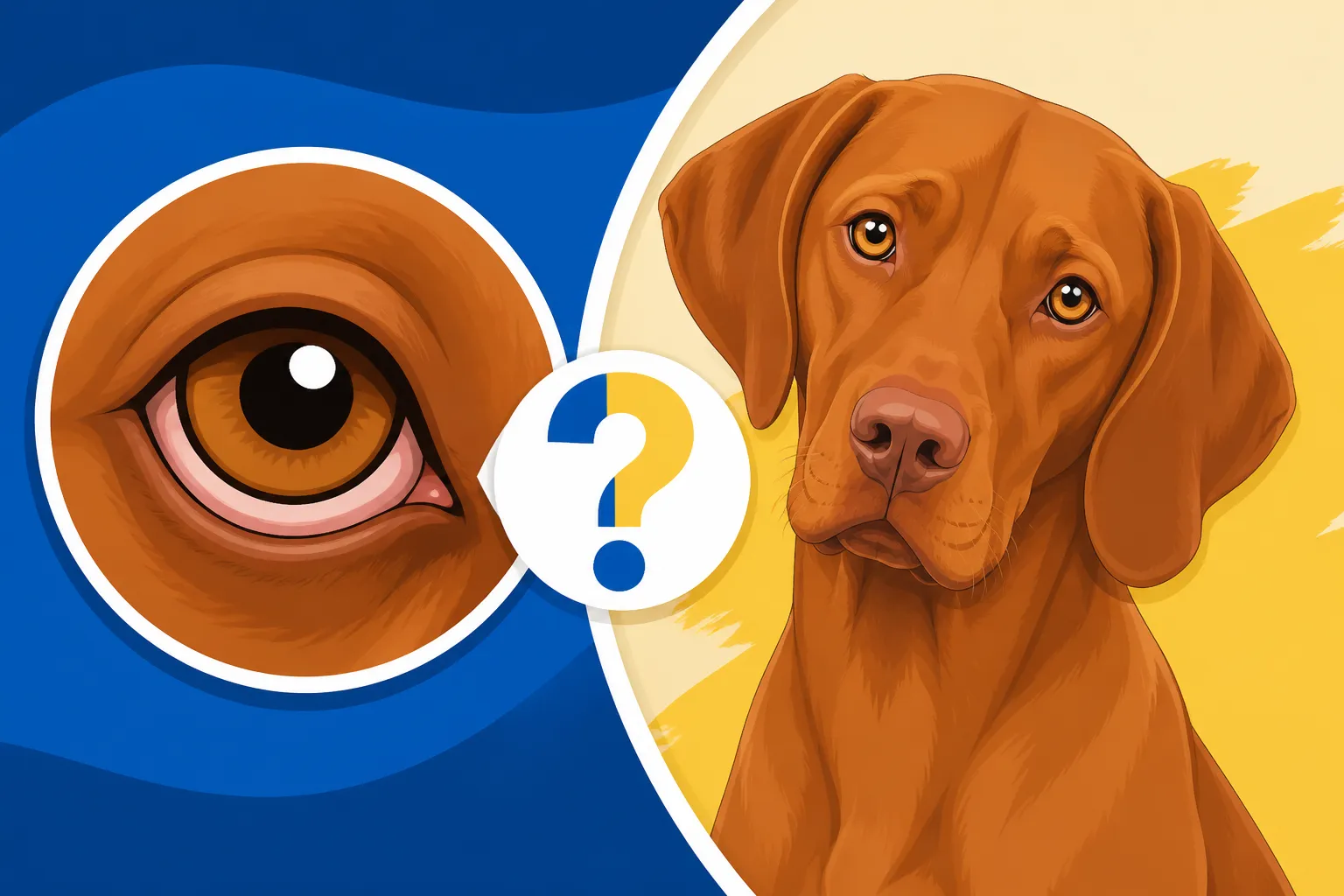
Imagine the delicate skin of your eyelid, now picture it folding in on itself so that your eyelashes rub directly against your eyeball. That's essentially what happens with entropion. In Vizslas, like other breeds, the eyelid margin, which is typically crisp and outward-facing, rolls inward towards the cornea. This means the fur and eyelashes on the outside of the eyelid are constantly scraping against the sensitive surface of the eye.
This constant abrasion acts like sandpaper on the cornea, causing irritation, redness, and often excessive tearing. Over time, it can lead to more serious issues such as corneal ulcers, scarring, and even infections, which can severely impact your Vizsla’s vision. It’s a progressive problem, meaning it usually gets worse without intervention, leading to more profound discomfort and potential damage. The discomfort alone can make a normally energetic Vizsla hesitant to play or even open their eyes fully.
Why Vizslas Might Be Prone to It
While entropion can affect any dog breed, some breeds are more predisposed due to their facial structure and genetics. Vizslas, with their distinctive head shape and often deep-set, expressive eyes, can sometimes fall into this category. The exact reason isn't always clear-cut; it can be inherited (congenital) or acquired later in life.
Congenital entropion is often seen in puppies and is usually a result of the way the eyelids and surrounding facial skin are formed. If the skin around the eyes is a bit too loose or the underlying bone structure creates a specific tension, the eyelid can roll in. In Vizslas, factors like broad heads or certain eye shapes, while part of their breed standard, can inadvertently increase the risk. Acquired entropion, on the other hand, might develop from chronic eye pain, muscle spasms, or scarring from injury that pulls the eyelid inward. This is why paying attention to any changes in your Vizsla’s eye health is so crucial, as discussed in our deeper look at Eye Disease in a Vizsla.
Recognizing the Signs of Entropion
Catching entropion early is key to preventing further complications and alleviating your Vizsla's discomfort. It can be easy to dismiss early signs as a simple irritation, but knowing what to look for can make all the difference. Their stoic nature might even make them try to hide their pain, so being observant is paramount.
Visible Changes in Your Vizsla's Eyes
The most obvious sign of entropion is the physical appearance of the eyelid itself. You might notice the lower eyelid, or sometimes even the upper eyelid, appears to be rolling inward. This can be subtle at first, perhaps only noticeable when your Vizsla is squinting or blinking. As the condition progresses, it becomes more pronounced.
Beyond the eyelid's position, you’ll likely see direct effects on the eye. Look for redness, especially around the white of the eye (sclera) and the conjunctiva (the pink tissue lining the eyelids). There might be excessive tearing, causing wetness or staining on the fur beneath the eye. In some cases, you might even see a thick, mucoid discharge, indicating irritation or a secondary infection. If the cornea has been damaged, it might appear cloudy or bluish, and in severe cases, a visible ulcer could be present.
Behavioral Clues and Discomfort
Because entropion causes constant irritation, your Vizsla will undoubtedly show behavioral signs of discomfort. One of the first things you might observe is frequent blinking or squinting, especially in bright light or when they're trying to focus. They might seem more sensitive to touch around their face or try to rub their eyes with their paws or against furniture. This rubbing, while an attempt to find relief, can unfortunately worsen the irritation or even introduce bacteria, leading to infection.
A change in their usual enthusiastic demeanor is also a red flag. A Vizsla who is constantly in pain from their eyes might be less eager to play, reluctant to go outside, or generally more subdued. They might even try to keep the affected eye partially closed, or you might notice a difference in how they track moving objects, suggesting impaired vision or discomfort when looking around. These behavioral shifts are important indicators that something is definitely amiss and warrants immediate veterinary attention.
Diagnosing Entropion and What to Expect at the Vet
When you suspect your Vizsla has an eye issue, a trip to the vet is non-negotiable. Don't try to self-diagnose or treat it with home remedies, as eye conditions can escalate rapidly and lead to permanent damage. Your veterinarian has the tools and expertise to properly assess the situation.
The Eye Exam Process
When you take your Vizsla to the vet, they’ll perform a thorough ophthalmic examination. This usually starts with a general observation of your dog’s eyes and eyelids. They’ll look for the inward rolling of the lid, any redness, swelling, or discharge. They'll also check for any signs of pain or discomfort your Vizsla might be exhibiting.
The vet will typically use an ophthalmoscope to examine the internal structures of the eye and often apply a special dye, called fluorescein, to the eye. This dye is crucial because it highlights any corneal abrasions or ulcers that might have resulted from the eyelashes rubbing against the surface. If there's damage, the dye will glow bright green under a blue light. They might also check tear production, especially if dry eye is a potential contributing factor or concurrent issue. Sometimes, a mild sedative might be needed to allow for a comprehensive and stress-free examination, especially if your Vizsla is in significant pain. This detailed examination helps differentiate entropion from other conditions that might have similar symptoms, like Whether a Vizsla Gets Entropion or other irritations.
When to Seek Expert Veterinary Opinion
While your general practice veterinarian can diagnose and often treat straightforward cases of entropion, there are times when seeking a veterinary ophthalmologist is highly recommended. These specialists have advanced training and equipment specifically for eye conditions. If the entropion is severe, involves both eyes, has led to significant corneal damage (like deep ulcers), or if initial treatments aren't yielding results, your vet might refer you.
An ophthalmologist can offer more advanced diagnostic techniques and surgical approaches. They can also provide a more precise prognosis and discuss the long-term management of your Vizsla's eye health. Sometimes, the condition might be more complex than it appears, or there could be underlying issues that require a specialist's nuanced understanding. Don't hesitate to ask your vet about a referral if you feel your Vizsla’s condition warrants an expert's touch – their vision is too precious to take chances.
Treatment Options for Entropion in Vizslas
The good news is that entropion is a treatable condition. The approach depends heavily on the severity of the inward rolling, the age of your Vizsla, and whether any corneal damage has occurred. Your vet will outline the best course of action, which could range from conservative management to surgical intervention.
Non-Surgical Approaches for Mild Cases
For very mild cases, particularly in puppies where their head structure is still developing, non-surgical options might be considered. One common method is "tacking." This involves placing temporary sutures in the eyelid to evert it (turn it outwards). These sutures help hold the eyelid in a more normal position, allowing the puppy to grow into their skin and for the irritation to subside. Tacking is often done under light sedation and the sutures are typically removed after a few weeks, or they may dissolve on their own. This can sometimes provide a permanent correction if the growth spurt resolves the issue.
Another non-surgical route involves using lubricating eye drops or ointments to protect the cornea from further irritation and keep the eye moist. Antibiotic drops might also be prescribed if a secondary bacterial infection is present. These conservative treatments aim to manage symptoms and prevent further damage, but they don't correct the underlying structural problem. They are often a temporary measure or used in conjunction with tacking, offering a bit of respite while waiting to see if the Vizsla outgrows the condition.
Surgical Correction: What It Involves
For most adult Vizslas with entropion, especially if the condition is causing significant discomfort or corneal damage, surgical correction is the definitive treatment. This procedure is called blepharoplasty, and it aims to remove a small, crescent-shaped piece of skin and muscle from the affected eyelid, effectively pulling the eyelid margin outward. The goal is to reshape the eyelid so it sits correctly, preventing the fur from rubbing against the eye.
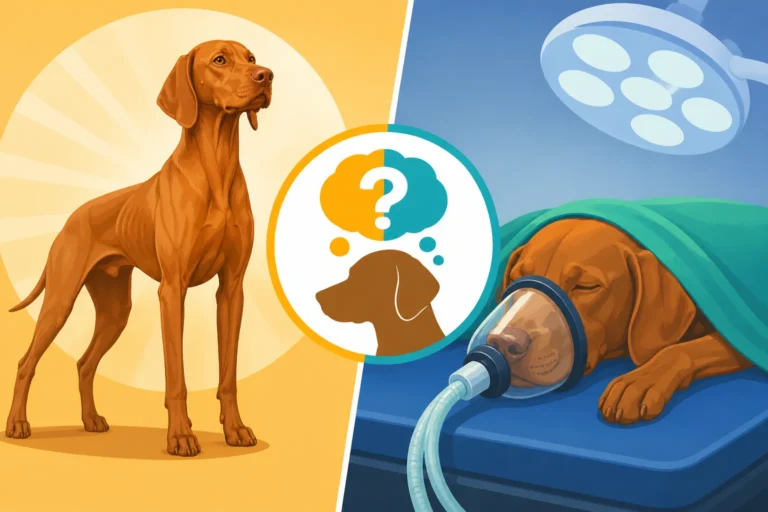
The surgery is performed under general anesthesia. The vet or veterinary ophthalmologist carefully measures and marks the area to be removed to ensure precise correction. Too little tissue removed, and the entropion might persist; too much, and it could lead to ectropion (where the eyelid rolls outwards, exposing the eye). It’s a delicate balance. Afterward, fine sutures are used to close the incision. Your Vizsla will likely go home with an Elizabethan collar (the "cone of shame") to prevent them from rubbing or scratching at the surgical site, and you'll have post-operative care instructions, including eye drops and pain medication. You might be concerned about the costs involved, and it’s wise to understand What Cruciate Surgery Costs on a Vizsla or similar procedures, as eye surgery can also be a significant expense. This is where pet insurance, like a policy from Healthy Paws, can really make a difference, helping to cover these unexpected veterinary bills.
Life After Entropion Correction
Undergoing surgery for entropion can be a bit daunting, but with proper post-operative care, your Vizsla can look forward to a much more comfortable life, free from eye irritation. The recovery period is crucial, and long-term vigilance will help ensure the best outcome.
Post-Operative Care and Recovery
After surgery, your Vizsla will need dedicated care for several weeks. The most important aspect is preventing them from interfering with the surgical site. This means strict adherence to wearing the Elizabethan collar until the sutures are removed, typically in 10-14 days. You’ll also be responsible for administering any prescribed eye drops or ointments, which may include antibiotics to prevent infection and anti-inflammatory medications to reduce swelling and pain. Oral pain relief is also common for the first few days.
It’s important to keep the area clean and dry. Avoid vigorous exercise or anything that might cause your Vizsla to rub their face. Keep an eye out for any signs of infection, such as increased redness, swelling, discharge, or if your Vizsla seems to be in more pain. Regular follow-up appointments with your vet are essential to monitor healing and remove sutures. Most Vizslas recover very well from entropion surgery, and the relief they experience is often immediate and profound, leading to a noticeable improvement in their overall demeanor and comfort.
Long-Term Outlook and Management
For most Vizslas, surgical correction of entropion provides a permanent solution. Once the eyelids are properly positioned, the constant irritation stops, and the cornea can heal. Scarring from previous damage might remain, but typically, vision improves significantly once the source of irritation is gone. In rare cases, especially if the initial surgery was conservative, a second minor corrective surgery might be needed later in life if the entropion recurs or wasn't fully resolved.
Even after successful surgery, maintaining good eye hygiene and regular veterinary check-ups are important. These check-ups can also cover general health concerns, like whether your Vizsla needs a yearly eye exam. Be observant of your Vizsla's eyes throughout their life. Any new signs of irritation, redness, or discharge should prompt a visit to the vet. By providing this consistent care, you help ensure your Vizsla continues to enjoy clear, comfortable vision for years to come. Thinking about the future, it's also worth considering The Age a Vizsla Counts as Senior and how eye health fits into their overall senior care.
Preventative Measures and Responsible Breeding
While not all cases of entropion are preventable, especially those caused by injury, reducing the risk of inherited forms largely comes down to informed choices and responsible breeding practices. As caring Vizsla owners, we want to ensure the health and well-being of the breed for generations to come.
Selecting a Reputable Breeder
If you're considering bringing a Vizsla puppy into your home, choosing a reputable breeder is perhaps the single most important step in preventing inherited health conditions like entropion. Responsible breeders are transparent about their dogs' health history and conduct various health screenings on their breeding stock. When it comes to eyes, they should be able to provide clearances from an organization like the Orthopedic Foundation for Animals (OFA) or the Canine Eye Registry Foundation (CERF), indicating that the parent dogs have been examined by a veterinary ophthalmologist and are free of hereditary eye diseases.
Don't be afraid to ask detailed questions about the parents' eye health, and if any previous puppies from their lines have developed entropion. A good breeder will welcome your questions and provide documentation. This due diligence is part of understanding The Health Tests Both Vizsla Parents Should Have and can save you and your future Vizsla a lot of heartache (and vet bills!) down the line. A breeder who focuses on producing healthy pups is less likely to produce a litter with a predisposition to entropion or other common issues.
Early Detection and Regular Check-ups
Even with the best breeding practices, some conditions can still manifest. This is why vigilance and regular veterinary check-ups are so important throughout your Vizsla’s life. Schedule routine physical exams, including a thorough eye check, annually. Your vet can often spot subtle signs of entropion or other eye problems before they become severe. Early detection allows for earlier intervention, which can often lead to less invasive treatments and better outcomes.
Pay close attention to your Vizsla’s eyes yourself. Get into the habit of gently examining their eyelids, checking for redness, discharge, or any inward rolling. If you notice any of the signs we've discussed – persistent squinting, excessive tearing, pawing at the face, or a change in the eyelid's appearance – contact your veterinarian promptly. Swift action can prevent irreversible corneal damage and ensure your Vizsla maintains optimal eye health. Remember, a comprehensive pet insurance plan from a provider like Healthy Paws can also help ease the financial burden if unexpected health issues arise, encouraging you to seek vet care without delay. This proactive approach is fundamental to Caring for an Old Vizsla That Has Stopped Hunting and for Vizslas of all ages.
Hereditary Nature and Breeding Decisions
It is widely accepted that entropion has a hereditary component in many breeds, including Vizslas. This means that if a Vizsla develops congenital entropion, especially if it requires surgical correction, that dog should ideally not be used for breeding. The goal of responsible breeding is to improve the health and well-being of the breed, and passing on a predisposition to a painful and costly condition goes against this principle.
Breed clubs and health registries often provide guidelines for breeding dogs affected by inherited conditions. While the decision ultimately rests with individual breeders, ethical considerations strongly advise against breeding dogs with known hereditary entropion. Discussing eye health with your breeder, and asking about the history of entropion in their lines, is crucial. This helps to reduce the prevalence of this condition in future generations of Vizslas and contributes to the overall health of the breed, ensuring that these wonderful dogs continue to thrive. It’s a part of the bigger picture of why Why Vizslas Carry So Much Immune Disease is such an important topic, as it highlights the need for careful breeding decisions across all health concerns.
| Severity Level | Description | Common Signs | Recommended Treatment |
|---|---|---|---|
| Mild | Slight inward rolling, intermittent irritation. | Occasional squinting, mild tearing. | Lubricating drops, temporary tacking (puppies). |
| Moderate | Consistent inward rolling, regular irritation. | Persistent squinting, redness, moderate tearing. | Surgical correction (blepharoplasty). |
| Severe | Pronounced inward rolling, significant corneal contact. | Chronic pain, discharge, corneal ulcers/scarring. | Urgent surgical correction, intensive post-op care. |
| Recurrent | Entropion returns after initial treatment. | Signs re-emerge post-treatment. | Re-evaluation by ophthalmologist, possible revision surgery. |
Disclaimer
The information provided in this article is intended for general knowledge and informational purposes only, and does not constitute medical advice. Always consult with a qualified veterinarian or veterinary ophthalmologist for any health concerns or before making any decisions related to your Vizsla's health and treatment.