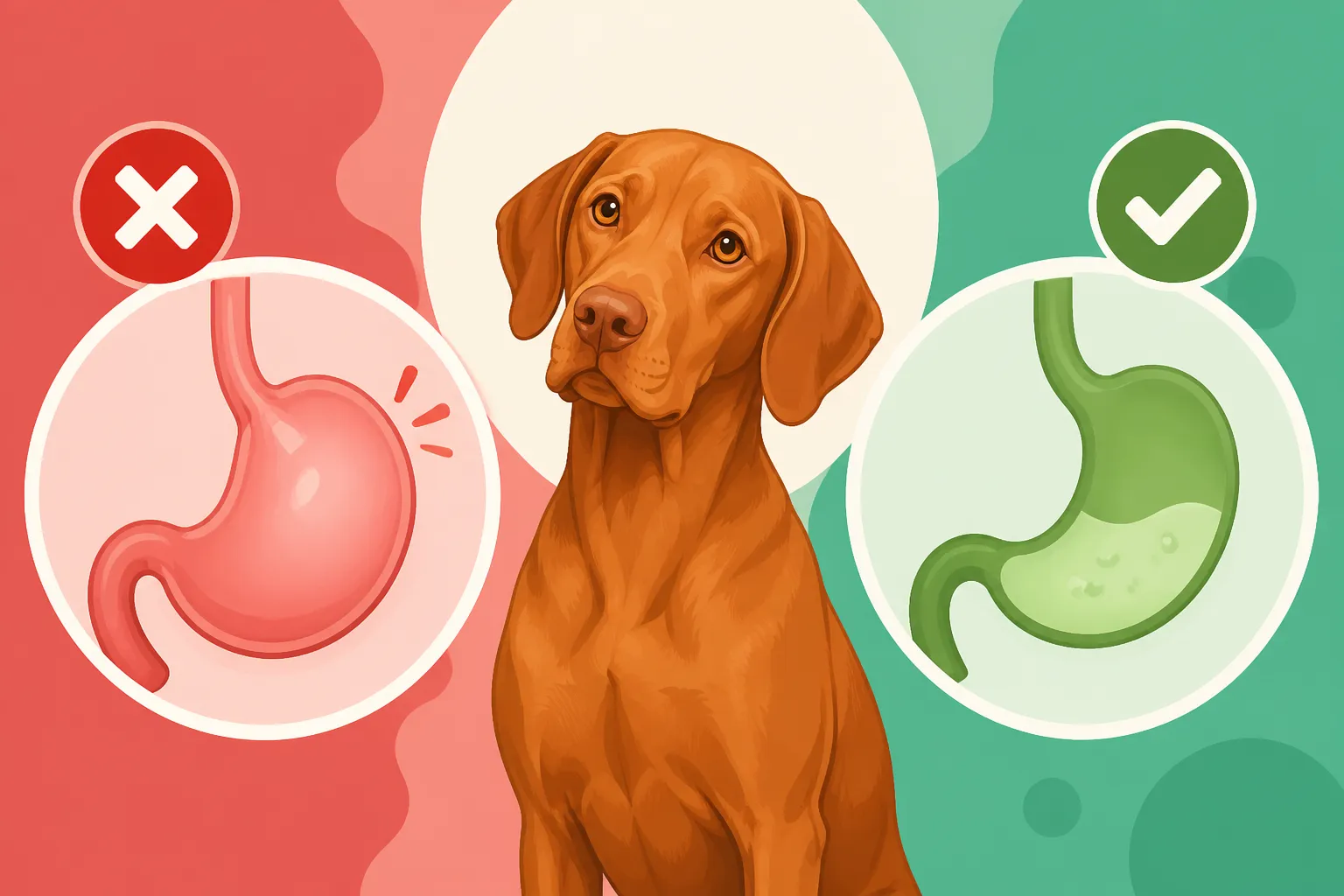
Whether a Vizsla Bloats
When you live with a Vizsla, you quickly become accustomed to their sleek, aerodynamic athleticism and boundless energy. However, that magnificent, deep-chested physique that allows them to run through fields all day carries a quiet, frightening vulnerability that every owner needs to understand: the risk of gastric dilation-volvulus, commonly known as bloat. This comprehensive guide breaks down whether a Vizsla bloats, how to identify early signs, preventive strategies, medical interventions, and real-world action steps to protect your beloved red dog.
Anatomy, Genetics, and the Risk Profile of the Vizsla
The athletic build of the Hungarian Vizsla is one of its most striking features, but it is precisely this geometry that creates a biological vulnerability. Bloat is not simply an upset stomach or a bit of gas; it is a life-threatening medical emergency. To properly safeguard your dog, you must first understand how their internal build dictates their risk level and why this specific breed requires specialized daily care.
The Deep-Chested Body Structure
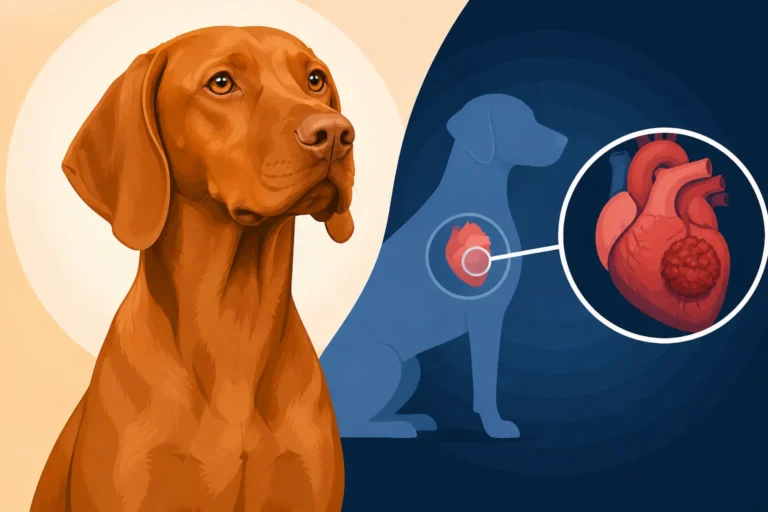
Vizslas are classic examples of a deep-chested, narrow-waisted sporting breed. Their rib cage extends deep toward the elbows while tucking up tightly at the flank, creating a spacious thoracic cavity and a relatively loose abdominal void. While this anatomical layout provides massive lung capacity for endurance running in the field, it also leaves the stomach hanging in a somewhat suspended, mobile position.
Because of this space, when a Vizsla’s stomach fills with gas, food, or liquid, it can easily expand downward and backward. If the stomach expands enough, its natural pendulum-like position allows it to rotate along its longitudinal axis. When asking Whether a Deep Chested Vizsla Bloats, veterinarians always look at the depth-to-width ratio of the chest. The deeper and narrower the chest, the easier it is for an expanded stomach to twist.
For Vizsla owners, this means that even a lean, muscular, and perfectly fit dog is physically predisposed to gastric torsion. The stomach sits in an environment where movement and gas accumulation can interact dangerously, making everyday feeding routines a crucial line of defense.
Understanding Gastric Dilation-Volvulus
To truly grasp the danger, it helps to separate the condition into its two distinct phases: gastric dilation (bloat) and gastric volvulus (torsion). Dilation occurs when the stomach fills excessively with swallowed air, fermenting food, or fluids. The stomach stretches beyond its normal capacity, compressing surrounding blood vessels and organs. At this stage, the dog is in immense discomfort, but the stomach has not yet twisted.
Volvulus occurs when the distended stomach actually rotates inside the abdomen, usually anywhere from 180 to 360 degrees. This rotation seals both the entrance (esophagus) and the exit (pylorus) of the stomach, trapping gas and fluid inside a closed loop. The twisting also strangulates the primary blood supply to the stomach and often pulls the spleen into a twisted position as well, cutting off its circulation.
As tissue death begins in the stomach wall, toxic substances leak into the bloodstream, and blood flow back to the heart drops dramatically. This leads to rapid system-wide shock, cellular starvation, and dangerous heart arrhythmias. Without immediate surgical untwisting, GDV is almost universally fatal within a matter of hours.
Genetics vs. Environmental Triggers
While anatomy sets the stage, genetics and environment share the blame for why bloat strikes individual dogs. Studies across deep-chested breeds show that having a first-degree relative (a parent or sibling) that suffered from bloat significantly increases a dog’s personal risk. Lineage matters, which is why reputable breeders carefully monitor their lines for instances of GDV before deciding to pair working or show stock.
However, genetics alone rarely trigger an episode without an environmental nudge. Factors such as rapid food consumption, elevated feeding bowls, eating a single large meal per day, dry kibble high in oils or fats, and intense exercise immediately after eating all play documented roles in swelling the stomach with air and fluid.
Stress and temperament are equally critical genetic factors. Vizslas are notoriously sensitive, highly emotional dogs. Chronic anxiety, fearfulness, or high-stress home environments increase gastrointestinal motility issues and gas production, making a naturally nervous Vizsla far more susceptible to stomach distress than a relaxed one.
Recognizing the Early Warning Signs of Bloat in a Vizsla
When bloat strikes, time is measured in minutes, not hours. Recognizing the subtle behavioral shifts that precede physical collapse can mean the difference between a successful emergency surgery and a tragic loss. Vizslas are tough, resilient dogs that often try to push through pain, so owners must learn to read the very first signs of distress.
Behavioral Shifts and Pacing
The earliest indication of bloat is almost always a radical change in your dog’s demeanor. A Vizsla that usually settles comfortably on the sofa after dinner will suddenly become intensely restless. They may pace continuously from room to room, sit down briefly, immediately stand back up, and repeatedly change positions without ever looking comfortable.
You might notice your dog staring intently at their own flanks or biting at their stomach area as if trying to relieve a sudden, sharp pain. They may stretch out their front legs while keeping their rear end in the air—a classic “play bow” position that dogs use to stretch out painful abdominal cramping.
Look closely at their facial expression. A dog experiencing early bloat will often display an anxious, wide-eyed look, frequently checking in with you or seeking a quiet corner to hide. They may pant heavily even though the room is cool and they have not been running. Never ignore unexplained post-meal restlessness in a deep-chested dog.
Unproductive Retching and Hypersalivation
As gas builds and the stomach begins to swell, the dog’s brain triggers a reflex to vomit and clear the contents. However, if the stomach has begun to rotate or if the lower esophageal sphincter is swollen shut, nothing can come up. This results in the single most diagnostic symptom of bloat: non-productive retching.
Your Vizsla will heave dramatically from the diaphragm, making loud coughing or hacking noises, but they will produce only thick, ropy white foam or small amounts of clear saliva. They may try to vomit every few minutes with increasing desperation. This unproductive dry-heaving is an absolute red alert.
Along with retching, you will likely see intense hypersalivation. Thick, viscous drool will hang from their flews or drip onto the floor. This occurs because the dog cannot swallow their own saliva past the obstructed stomach inlet, and nausea causes excess saliva production.
Physical Distension and Shock Symptoms
As the stomach continues to inflate, physical swelling may become visible behind the rib cage. However, it is vital to know that in some deep-chested dogs with long torsos, the stomach expands upward under the ribs before expanding outward, meaning a dog can have severe bloat without looking dramatically round. If you gently tap on their abdomen and it feels tight like a basketball or sounds hollow like a drum, abdominal pressure is dangerously high.
As blood circulation fails, systemic shock sets in rapidly. Lift your dog’s lip to inspect their gums. Healthy Vizsla gums are bright, bubblegum pink with a capillary refill time under two hours. In a dog entering bloat shock, the gums will look pale, grayish, or dark red, and pressing them with a finger will leave a white spot that takes several seconds to return to color.
Their heart rate will spike significantly, and their breathing will become fast, shallow, and labored. Their ears and paws may feel cold to the touch as blood pulls away from extremities to protect vital organs. By the time a dog collapses or cannot stand, they are in advanced shock and require immediate life-support measures during transport.
High-Risk Behaviors and Feeding Habits
Understanding how food, air, and liquid move through your dog’s digestive system allows you to restructure daily routines to minimize mechanical risk. While you cannot change your Vizsla’s skeleton, you can completely control the circumstances around their meal times.
Rapid Eating and Air Swallowing
Vizslas are notorious for inhaling their food as if every meal were their last. When a dog gulps kibble at breakneck speed, they do not just swallow food; they gulp massive quantities of air alongside every mouthful. This process, known as aerophagia, is one of the leading contributors to sudden gastric expansion.
When large amounts of dry kibble hit the stomach combined with swallowed air and water, the kibble begins to absorb moisture and expand rapidly. If the dog’s stomach is flooded with gas and expanding kibble simultaneously, the wall stretches past its elastic threshold, inhibiting the natural burping reflex that allows dogs to release trapped air.
To prevent this, feeding management must slow down consumption. Puzzle bowls, slow-feeder inserts, and snuffle mats are invaluable tools for deep-chested breeds. Breaking meals into multiple smaller portions throughout the day rather than one large daily feast also prevents the stomach from ever reaching dangerous capacity levels.
Exercise Timing Around Meals
The relationship between physical activity and digestion is a cornerstone of bloat prevention. Running, jumping, twisting, or playing vigorously with a stomach heavy with food or water creates the exact kinetic force required to flip a mobile stomach on its axis.
A simple rule of thumb for Vizsla owners is to strictly enforce a quiet rest period around meal times. Do not allow your dog to exercise for at least one hour before eating, as heavy panting causes air swallowing before the food even enters the stomach. Even more importantly, enforce strict rest for two hours after a meal.
This quiet window allows the initial stage of gastric breakdown to occur and lets food pass out of the stomach into the small intestine. During this rest period, keep your Vizsla calm, crate them if necessary, or encourage them to lounge indoors rather than zoom in the backyard.
Water Intake and Stress Factors
Water consumption around mealtime requires careful monitoring as well. If a dry-kibble-fed dog downs an entire bowl of water immediately after eating, the kibble inside the stomach absorbs that fluid instantly, expanding like a sponge while adding significant heavy weight.
Limit access to massive quantities of water during meals. Offer small, controlled amounts during eating, and allow free access to fresh water about thirty to forty-five minutes after the meal has settled. Additionally, never allow a hot, heavily panting dog coming off a hard run in the field to drink an entire bucket of cold water at once, as rapid water gulping frequently induces acute bloat.
Stress management during meals is equally essential. In multi-dog households, competitive eating creates intense pressure to gulp food fast. Feed your dogs in separate rooms or inside crates where they feel completely secure and can eat at a natural pace. Addressing underlying anxiety or gut issues like when considering Whether a Vizsla Has a Sensitive Stomach ensures smooth digestive motility.
| Risk Factor | High-Risk Condition | Safe Preventive Habit |
|---|---|---|
| Meal Frequency | Single large meal once daily | 2-3 smaller split meals daily |
| Eating Speed | Gulping dry kibble in under 60 sec | Slow-feeder bowls or puzzle games |
| Post-Meal Activity | Running, zoomies, or hunting practice | 2 hours enforced quiet rest |
| Bowl Position | Elevated feeding stations | Floor-level feeding bowls |
| Water Consumption | Downed heavy water right after meal | Controlled water, small amounts |
| Household Stress | Competitive feeding near other dogs | Separate quiet rooms or crate feeding |
Preventive Strategies and Medical Interventions
Beyond daily routine changes, modern veterinary medicine offers proactive surgical solutions and long-term wellness plans designed specifically to neutralize the threat of GDV. Evaluating these strategies early in your dog’s life gives you complete control over their health trajectory.
Daily Management and Slow Feeders
Implementing a bloat-safe daily routine starts with picking the right gear and food preparation methods. Slow-feeder bowls featuring intricate maze patterns force your Vizsla to use their tongue to navigate single kibbles, extending mealtime from thirty seconds to ten minutes.
Moistening dry kibble with warm water, bone broth, or mixing in wet canned food prior to serving can also significantly reduce risk. When dry food is pre-soaked, it expands in the bowl rather than inside your dog’s stomach. This reduces swallowed air and softens the food mass for easier gastric emptying.
Furthermore, avoid elevated dog bowls unless specifically prescribed by a veterinarian for a neck or esophageal condition like megaesophagus. While elevated bowls were once thought to prevent bloat, extensive epidemiological studies showed that elevated bowls actually increase the incidence of GDV in deep-chested dogs by changing the angle of the esophagus and increasing air swallowing.
The Role of Prophylactic Gastropexy
For high-risk deep-chested dogs, a prophylactic gastropexy is the gold-standard medical intervention. A gastropexy is a surgical procedure where the surgeon permanently attaches the outer layer of the stomach wall to the inside of the abdominal body wall (usually to the right abdominal wall).
When the stomach heals to the body wall, it creates a permanent fibrous scar tissue bond. While a gastropexy does not completely prevent the stomach from dilating with gas if the dog swallows air, it physically prevents the stomach from twisting into a volvulus. Preventing the twist eliminates the fatal vascular strangulation and shock, turning a potentially lethal emergency into a manageable medical issue that can be treated with a simple stomach tube.
Many owners elect to have a laparoscopic prophylactic gastropexy performed at the exact same time their Vizsla is spayed or neutered. Doing both procedures under a single anesthesia event minimizes stress, reduces recovery times, and offers lifelong peace of mind for deep-chested working dogs. Discussing Whether a Vizsla Needs a Gastropexy with your vet during early consultations is a wise proactive step.
Financial Planning for Emergency Surgical Intervention
Emergency bloat surgery is one of the most complex and expensive procedures in veterinary medicine. It requires an immediate team effort involving stabilization, intravenous fluid resuscitation, continuous cardiac monitoring, complex abdominal surgery, and intensive post-operative ICU care.
Because bloat strikes with zero warning, having emergency financial protection is essential for every Vizsla owner. When a crisis occurs at 2:00 AM, the last thing you want to do is hesitate on life-saving surgery due to sudden financial strain. Maintaining a comprehensive pet insurance plan through Healthy Paws ensures that when an unexpected GDV emergency occurs, you can approve emergency intervention instantly without hesitation.
In addition to emergency coverage, preparing a dedicated emergency fund covering high-end veterinary procedures prevents heartbreak. When catastrophic bloat strikes, having financial backing secured through Healthy Paws allows the medical team to focus entirely on untwisting the stomach and restoring blood flow before permanent tissue necrosis sets in.
Comparing Bloat Risk in Vizslas and Other Sporting Breeds
To understand where the Vizsla sits on the risk spectrum, it is helpful to compare their physical build, behavioral traits, and health profile against other popular gun dogs and sporting breeds.
Deep Chest vs. Barrel Chest Dynamics
Not all large or medium sporting dogs face the same mechanical risks. Breeds with barrel chests—such as Labradors or Golden Retrievers—have rounder, wider rib cages that offer more lateral stability to the stomach. While a Labrador can certainly bloat, their anatomical structure makes physical volvulus statistically less frequent than in narrow, deep-chested breeds.
In contrast, Vizslas share the narrow, deep-chested silhouette of Weimaraners, German Shorthaired Pointers, and Gordon Setters. Among these, the Weimaraner historically ranks as one of the single highest-risk breeds for bloat across all veterinary registries. Vizslas sit slightly lower in overall incidence than Weimaraners primarily due to their smaller overall body mass, but their chest depth-to-width ratio remains squarely in the high-risk zone.
Because Vizslas are so incredibly lean and active, their abdominal fat pad is often minimal. Abdominal fat can sometimes act as a subtle mechanical buffer around internal organs. A lean, field-conditioned Vizsla has a clean abdominal cavity where a full stomach has plenty of space to roll if filled with air.
Breed-Specific Temperament Impact
Temperament plays a sneaky role in gastrointestinal health. German Shorthaired Pointers and Vizslas share similar energetic drives, but Vizslas are noticeably more “soft” and prone to environmental stress or separation anxiety.
A high-strung, anxious Vizsla that paces when left alone or gets stressed during thunder, fireworks, or travel is at a elevated risk for digestive motility stalls. Stress alters gut hormone release, slowing stomach emptying and promoting gas buildup.
Furthermore, field-bred Vizslas that work hard in cover often ingest foreign matter, seeds, or heavy pond water. When managing field dogs, owners must balance high energy expenditures with smart recovery routines, ensuring dogs do not gulp food while still winded from a hunt. Exploring topics like Whether a Vizsla Eats Things in the Field highlights how field habits intersect with gut safety.
What to Do in an Emergency: Step-by-Step Response Protocol
When bloat happens, panic is your worst enemy. Having a written, pre-practiced emergency plan allows you to act decisively and get your dog into an operating room within the critical survival window.
Immediate Triage and Transport
If you see non-productive retching, extreme pacing, or a tight, swollen abdomen, stop reading and act immediately. Do not give home remedies, do not give gas-relief drops, do not give water, and do not wait to see if the dog “settles down.” Every single minute spent waiting at home reduces the chance of stomach tissue survival.
Call your primary veterinary clinic or the nearest 24/7 emergency veterinary hospital immediately while walking to the car. Tell the receptionist clearly: “I am bringing in a Hungarian Vizsla displaying active signs of GDV and unproductive retching. Please prepare a triage team.” This alerts the hospital to set up IV catheters, oxygen, and diagnostic x-rays before you even arrive in the parking lot.
If possible, have a second person drive while you keep the dog calm in the backseat. Keep the dog resting on their side on a soft surface, keep the car cool, and speak in calm, soothing tones to keep their heart rate as low as possible.
What to Expect at the Veterinary ER
Upon arrival, the emergency medical team will rush your Vizsla directly to the back triage area. The initial focus is rapid stabilization. Nurses will place large-bore intravenous catheters in both front legs to pump rapid shock-doses of fluids into the circulatory system, restoring blood pressure.
The vet will take a quick, single abdominal x-ray (a right lateral view) which provides a definitive diagnosis. If bloat with volvulus is present, the x-ray shows a classic “double bubble” or “Popeye arm” sign, where the gas-filled stomach is split into two chambers by the tissue fold.
To relieve dangerous pressure before surgery, the vet may pass a soft rubber stomach tube down the throat or insert a large trochar needle directly through the flank into the stomach wall to vent trapped gas. Once stabilized, the dog is moved straight to the surgical suite for full abdominal exploration, stomach untwisting, evaluation of stomach tissue health, spleen inspection, and a permanent gastropexy.
Post-Surgical Recovery and Life After Bloat
The 48 to 72 hours following bloat surgery are critical. Even after the stomach is untwisted and fixed to the wall, cardiac arrhythmias (specifically ventricular premature contractions, or VPCs) can occur due to inflammatory toxins released back into the heart during tissue reperfusion. Continuous ECG monitoring in the ICU is necessary.
Once your Vizsla comes home, strict exercise restriction is mandatory for at least two to three weeks to allow the surgical incision and internal gastropexy site to form strong scar tissue. You will feed small, soft meals four to five times a day, slowly transitioning back to a regular split-meal schedule.
Securing lifelong medical protection through Healthy Paws early in your dog’s life provides an invaluable safety net for post-operative management, follow-up diagnostics, or potential secondary gut issues. Navigating long-term medical care becomes far easier when you can focus purely on your dog’s healing.
Taking care of an active Vizsla requires diligence, but understanding the real mechanics of bloat allows you to enjoy every trail run and cuddly evening on the couch with total confidence. By combining smart feeding habits, watchful observation, and proactive veterinary care, you can protect your companion for a long, happy, and healthy life.
Owners who take time to learn about related health considerations—such as reading about Insuring a Vizsla Against Immune Disease, checking What Insuring a Vizsla Runs Monthly, budgeting for What a Gastropexy Costs on a Vizsla, or understanding What an Out of Hours Vet Visit Costs a Vizsla Owner—build a solid foundation for lifetime care. Additionally, keeping an eye on other digestive vulnerabilities like Whether a Vizsla Gets Pancreatitis or Whether a Vizsla Gets Colitis ensures your deep-chested athlete stays in peak condition through every season.
Disclaimer
This article is for general informational purposes only and does not constitute professional advice. Laws, prices and regulations vary by location and change over time. Consult a qualified professional for guidance on your specific situation.