Whether Joint Supplements Help a Vizsla
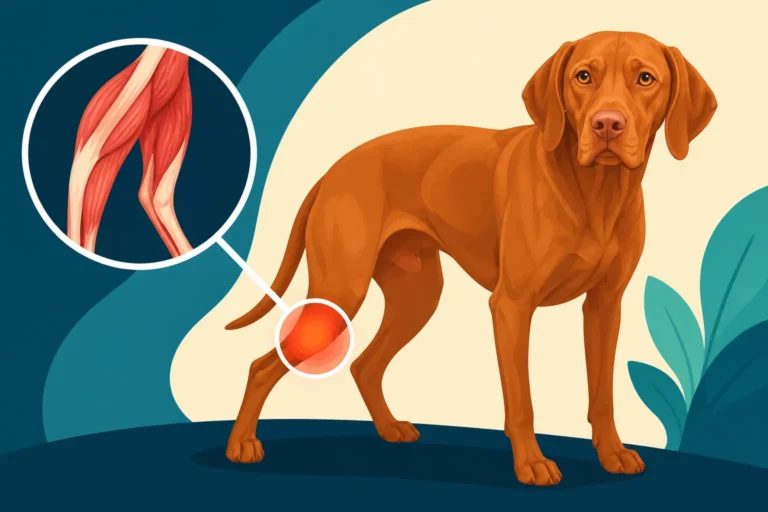
As a Vizsla owner, watching your vibrant, energetic companion bound across a field or launch themselves off the couch can fill you with immense joy – and maybe a tiny pang of worry. These dogs are built for speed and stamina, and they live for movement. But all that glorious athleticism can, over time, take a toll on their hardworking joints. The concern about keeping our beloved Vizslas comfortable and active for as long as possible is very real, and it often leads us to wonder if joint supplements truly make a difference. This guide aims to unpack the complexities of Vizsla joint health and explore whether supplements can be a valuable part of their care regimen.
Understanding Vizsla Joint Health Challenges
Vizslas are poetry in motion, renowned for their sleek physique, incredible endurance, and boundless energy. It's these very qualities that make them such magnificent companions and capable working dogs, but they also place unique demands on their musculoskeletal system.
The Vizsla's Active Lifestyle and Joint Strain
Let's be honest, a Vizsla isn't content with a leisurely stroll around the block. They thrive on vigorous exercise – long runs, intense field work, agility courses, and endless games of fetch. This inherent drive to move, jump, and weave at high speeds means their joints are under constant, repetitive stress. Think about the impact of landing after a high jump or the torque on their hips as they make a sharp turn while chasing a bird. Every single one of these actions, while essential to their breed character, contributes to the gradual wear and tear on cartilage and connective tissues. Owners often observe their dogs, even young ones, pushing their physical limits, and it's natural to feel concerned about the cumulative effect. Their lean build, while efficient for speed, sometimes gives an impression of delicacy, but Vizslas are robust; it’s the consistent high impact that can challenge them.
Unfortunately, despite careful breeding, Vizslas are not immune to common orthopedic issues. Conditions like Hip Dysplasia in a Vizsla and Elbow Dysplasia in a Vizsla can affect dogs even from well-screened lines, adding to an owner's worries. These are often genetically predisposed conditions that can be exacerbated by intense physical activity. Even without a formal diagnosis of dysplasia, the constant pounding from a life of adventure can lead to generalized arthritis over time. We want our Vizslas to live their best, most active lives, and that means considering how to support their bodies through all their escapades.
When Joint Issues Begin to Show
One of the frustrating realities of owning a highly driven breed like a Vizsla is their incredible ability to mask pain. They often have such a high pain tolerance and a strong desire to please or continue working that they will push through discomfort until it becomes quite severe. This stoicism can make early detection of joint issues incredibly challenging, leading to missed opportunities for early intervention. You might notice subtle changes first: a slight stiffness after getting up from a nap, a momentary hesitation before jumping into the car, or a decrease in their usual enthusiasm for a long walk. Perhaps they start lagging a little on a hike or taking more breaks than usual. These are easy to dismiss as just "getting older" or a "bad day," but they can be crucial early indicators.
As the condition progresses, the signs become more overt. You might see a visible limp, particularly after exercise or prolonged rest. They might have difficulty climbing stairs, or perhaps their gait just looks a little "off." Some Vizslas might start licking at a particular joint more frequently, or show irritability when touched in certain areas. It's a heartbreaking realization when you see your once-agile companion struggling, especially when you know The Old Vizsla That Still Wants to Hunt still has the spirit, but their body is letting them down. Paying close attention to these subtle behavioral and physical changes is paramount. Early identification allows for more effective management strategies, potentially slowing the progression of degenerative joint disease and maintaining a better quality of life for your Vizsla for years to come. This vigilance is a key part of responsible Vizsla ownership, as these dogs tend to hide their pain quite well, often making owners realize Whether a Vizsla Hides Its Pain too late.
The Science Behind Joint Supplements for Vizslas
When faced with concerns about your Vizsla's joint health, the world of supplements can seem overwhelming. There are countless products on the market, each promising relief and support. Understanding the key ingredients and their proposed mechanisms can help you make more informed decisions.
Key Ingredients and Their Role
Many joint supplements for dogs contain a blend of ingredients, each targeting different aspects of joint health. Let's look at the most common ones:
- Glucosamine and Chondroitin: These are often found together and are considered the workhorses of joint supplements. Glucosamine is an amino sugar that plays a crucial role in building and repairing cartilage, the cushion between bones that prevents them from rubbing together. It's believed to help stimulate the production of new cartilage and synovial fluid, which lubricates the joints. Chondroitin, a complex carbohydrate, is also a fundamental component of cartilage. It helps to inhibit enzymes that break down cartilage and enhances the elasticity of cartilage, allowing it to better absorb shock. Together, they aim to support the structural integrity of the joint and its cushioning capabilities.
- MSM (Methylsulfonylmethane): MSM is a naturally occurring sulfur compound that is widely recognized for its anti-inflammatory and pain-relieving properties. It's thought to reduce inflammation and oxidative stress in the joints, which can be a significant source of discomfort for dogs with arthritis. By reducing inflammation, MSM can help alleviate pain, improve flexibility, and make movement more comfortable for your Vizsla. It often works synergistically with glucosamine and chondroitin, enhancing their beneficial effects.
- Omega-3 Fatty Acids (EPA/DHA): These essential fatty acids, primarily found in fish oil, are powerful natural anti-inflammatories. EPA (eicosapentaenoic acid) and DHA (docosahexaenoic acid) help to reduce the body's production of inflammatory chemicals, which can significantly decrease joint pain and stiffness. They also contribute to overall joint lubrication and promote healthier skin and coat. For an active breed like the Vizsla, where inflammation from exercise and potential underlying conditions can be an issue, Omega-3s are an excellent addition to a joint support regimen.
- Other Ingredients: You might also see ingredients like Hyaluronic Acid, which is a major component of synovial fluid and helps lubricate joints; Collagen, a primary protein in connective tissues; and Turmeric, a potent natural anti-inflammatory. Each of these can offer additional layers of support, either by contributing to cartilage health, reducing inflammation, or enhancing lubrication. The combination of these ingredients aims to provide comprehensive support for stressed or aging joints.
How Supplements Support, Not Cure
It's crucial to approach joint supplements with realistic expectations. While they can be incredibly beneficial for many Vizslas, they are supportive measures, not magical cures that will reverse existing structural damage or eliminate disease entirely. Think of them as helping to slow down the progression of degenerative joint disease, reducing inflammation, and improving overall comfort and mobility. They work by providing the building blocks for cartilage and by mitigating the inflammatory processes that cause pain. However, they cannot rebuild severely damaged cartilage or correct anatomical abnormalities like hip or elbow dysplasia.
The effectiveness of joint supplements is often best seen as part of a multi-faceted approach to joint health. This approach should ideally include a balanced diet, maintaining a healthy weight – which can be a challenge for a Vizsla since Keeping Weight on a Vizsla That Burns Everything but is critical for joint health – and appropriate, controlled exercise that strengthens muscles without over-stressing joints. For many Vizslas, especially those diagnosed with conditions like Arthritis in a Vizsla at Ten or those showing significant signs of pain, joint supplements will be used in conjunction with prescription medications (like NSAIDs) or other therapies recommended by a veterinarian. Always, always consult your vet before starting any supplement regimen, as they can help determine the underlying cause of joint discomfort and recommend the most appropriate and safe course of action for your specific Vizsla.
Choosing and Using Joint Supplements for Your Vizsla
Navigating the supplement aisle can feel like a minefield, with so many options promising the world. For your Vizsla, choosing wisely and administering consistently are key to seeing any potential benefits.
What to Look For in a Quality Supplement
When it comes to something as important as your Vizsla's health, quality matters immensely. Don't just grab the first product you see. Here’s what to keep an eye out for:
- Reputable Brands and Third-Party Testing: Look for brands that are well-established and have a strong reputation in the veterinary community. The best manufacturers invest in rigorous testing. A good indicator of quality is the NASC (National Animal Supplement Council) Quality Seal. This seal signifies that the product comes from a company committed to quality manufacturing practices, accurate labeling, and adverse event reporting. This oversight provides a much-needed layer of confidence in a largely unregulated industry.
- Active Ingredient Dosages: Check the label carefully for the specific amounts of active ingredients (glucosamine, chondroitin, MSM, etc.). The dosage should be clearly listed and ideally align with research-backed therapeutic levels for a dog of your Vizsla's weight. Generic "proprietary blends" without specific ingredient amounts can be red flags. Don't be shy about comparing labels and consulting your vet about appropriate dosages.
- Form and Palatability: Joint supplements come in various forms: chewable tablets, soft chews, powders, and liquids. Consider what will be easiest for your Vizsla to take consistently. Some Vizslas are notoriously picky, while others will eat anything. Soft chews are often highly palatable and can be given like a treat. Powders can be mixed into their food, which can be convenient. Liquids might be a good option for precise dosing, especially for smaller dogs or those with sensitive stomachs. If your Vizsla turns their nose up at one form, don't give up – try another!
Integrating Supplements into Your Vizsla's Routine
Once you've chosen a high-quality supplement, the next step is integrating it effectively into your Vizsla's daily life and routine.
- Start Slow and Be Patient: Don't expect overnight miracles. Joint supplements take time to build up in the system and exert their effects. Most veterinarians recommend giving a supplement consistently for at least 4-8 weeks before evaluating whether it's making a difference. During this initial period, you might start with a loading dose (higher dose for the first few weeks) as recommended by the manufacturer or your vet, then reduce to a maintenance dose. Observe your Vizsla closely for subtle changes in their mobility, stiffness, and overall comfort. Keep a little journal if that helps, noting their activity levels and any signs of discomfort.
- Combine with Other Supportive Therapies: Joint supplements are often most effective when used as part of a holistic approach. This might include:
- Weight Management: Keeping your Vizsla at a lean, healthy weight is perhaps the single most important thing you can do for their joints. Even a few extra pounds put immense strain on hips, elbows, and knees.
- Controlled Exercise: While Vizslas need activity, modify it as needed. For older dogs or those with known issues, this might mean shorter, more frequent walks, swimming (low impact!), or leash-controlled activity rather than intense, high-impact games. Whether a Vizsla Puppy Should Run on Hard Ground is also important to consider to prevent early strain.
- Physical Therapy/Rehabilitation: A certified canine rehabilitation therapist can develop a tailored exercise program to strengthen supporting muscles, improve range of motion, and reduce pain.
- Comfortable Bedding: Provide orthopedic beds that offer good support, especially for older Vizslas. Consider Beds That Suit an Arthritic Vizsla to give them the best comfort.
- Regular Veterinary Check-ups: Your veterinarian is your best partner in managing your Vizsla's joint health. Regular check-ups allow them to assess your dog's progress, adjust dosages, or recommend additional treatments if needed. They can also perform diagnostic tests like X-rays to monitor the progression of any underlying joint disease. Don't hesitate to discuss any changes you observe, positive or negative, with your vet.
When to Start and Long-Term Considerations
Deciding when to start joint supplements for your Vizsla often sparks a debate between proactive and reactive approaches.
For many Vizsla owners, the question isn't if but when to start. Given their high activity levels and genetic predispositions to certain orthopedic issues, many veterinarians and experienced breeders advocate for a proactive approach. This means starting a quality joint supplement early in a Vizsla's life, perhaps around 1-2 years of age, before any noticeable signs of joint discomfort appear. The idea is to provide the building blocks and anti-inflammatory support before significant wear and tear sets in, potentially delaying or reducing the severity of future joint problems. It's an investment in their long-term soundness, much like considering The Health Tests Both Vizsla Parents Should Have before breeding. However, if your Vizsla is already showing signs of stiffness, limping, or has been diagnosed with a joint condition, then starting supplements immediately as part of a comprehensive treatment plan is crucial. This is particularly true if your Vizsla is approaching the age where The Age a Vizsla Counts as Senior is a consideration, as arthritis becomes more prevalent then.
Joint supplementation is typically a lifelong commitment. Once you start, it's generally recommended to continue consistently to maintain the benefits. This means budgeting for the ongoing cost of supplements, which can add up over years. This is also where pet insurance providers like Healthy Paws can come into play, potentially covering some of the veterinary diagnostic and treatment costs associated with joint conditions, though supplements themselves are typically not covered. It's always a good idea to research different insurance plans to understand what they cover regarding hereditary conditions, chronic issues, and rehabilitation, which can become significant expenses as your Vizsla ages. While supplements may not be covered, the related vet visits and potential medications for joint pain can be, which offers considerable financial peace of mind. Even if your Vizsla doesn't have obvious joint issues, the preventative aspect is valuable. Maintaining joint health throughout their life helps ensure your Vizsla can continue enjoying their signature activities, whether that's chasing pheasants in the field or simply playing fetch in the backyard, for as many years as possible.
| Ingredient | Primary Benefit | Supports | Potential for Vizslas |
|---|---|---|---|
| Glucosamine | Cartilage repair and production | Joint structure, synovial fluid | Aids in maintaining cushioning and mobility |
| Chondroitin | Inhibits cartilage breakdown, improves elasticity | Cartilage integrity, shock absorption | Helps protect against wear and tear |
| MSM (Methylsulfonylmethane) | Reduces inflammation and pain | Overall joint comfort, flexibility | Alleviates discomfort from activity |
| Omega-3 Fatty Acids | Powerful anti-inflammatory, joint lubrication | Reduced pain/stiffness, overall health | Essential for active dogs, combats inflammation |
| Hyaluronic Acid | Joint lubrication, shock absorption | Synovial fluid quality | Enhances smooth movement |
| Collagen | Connective tissue strength and elasticity | Ligaments, tendons, cartilage | Supports overall joint stability |
Disclaimer
The information provided in this article is for general informational purposes only and does not constitute veterinary advice. Always consult with a qualified veterinarian for any health concerns or before making any decisions about your Vizsla's medical care, diet, or supplement regimen.