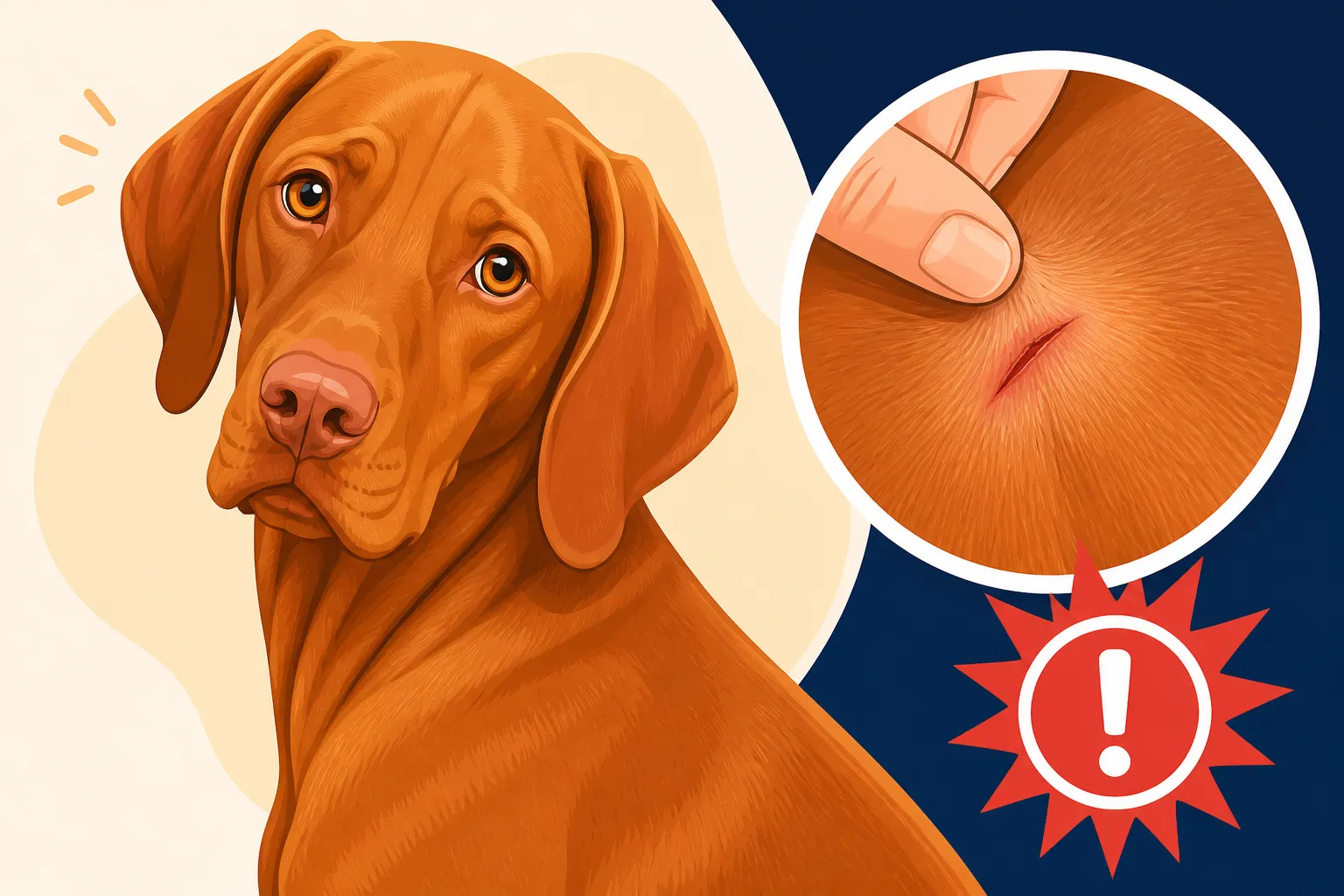
Whether a Vizsla’s Thin Skin Tears Easily
One of the most common worries Vizsla owners voice, especially those whose dogs spend time exploring or working in the field, is the alarming ease with which their beloved companions can sustain skin injuries. That sleek, distinctive golden-rust coat, while beautiful, often overlies surprisingly delicate skin that seems to tear or puncture with the slightest brush against something sharp. If you've ever had your heart sink at the sight of a new gash or torn ear on your adventurous Vizsla, you know this frustration all too well. This comprehensive guide will explore the reasons behind your Vizsla's delicate skin, detail common injury scenarios, and provide actionable strategies for prevention and treatment.
The Unique Nature of Vizsla Skin
Vizslas are renowned for their elegant appearance, lean musculature, and distinctive short, smooth, "golden rust" coat. What many new owners don't realize until they've experienced a few scrapes and tears is that this very coat, or lack thereof, contributes significantly to their skin's vulnerability. Unlike many other breeds, the Vizsla's skin is remarkably fine and offers less natural protection, making them susceptible to injuries that might barely bother a thicker-skinned dog.
The Vizsla's Single, Fine Coat
A defining characteristic of the Vizsla is its single coat, meaning it lacks the dense undercoat found in many other breeds. This single layer of short, fine hair lies close to the body, contributing to their signature sleek look and quick drying time. However, this minimalist coat offers minimal physical barrier against external threats. Imagine running through a thorny bush in a thin t-shirt versus a heavy winter coat – the difference in protection is stark.
This lack of an insulating undercoat means that a Vizsla's skin is much more exposed. Where a German Shorthaired Pointer or a Labrador Retriever might have a plush, water-resistant, and relatively tough coat to deflect thorns and sharp twigs, a Vizsla's skin has no such buffer. It's truly a case where The Single Coat a Vizsla Has and Why It Changes Everything, impacting not just their ability to handle cold but also their physical resilience in the field. This unique coat, while visually stunning, necessitates a greater awareness from owners regarding potential skin hazards.
Furthermore, the actual skin beneath that sparse coat is inherently thin. You can often see muscle definition and even the slight protrusion of bone through their skin, particularly over the ribs and hips, which speaks to its delicate nature. This isn't a defect; it's simply how the breed is built – lean, agile, and without the heavy hide of some working breeds. This thinness means that any abrasive contact is more likely to result in a laceration or puncture rather than just a superficial scratch or bruise.
The Lack of Subcutaneous Fat
Another factor contributing to the Vizsla's skin fragility is their notably lean build and minimal subcutaneous fat layer. Vizslas are athletic dogs, bred for speed and stamina, and they typically carry very little excess weight or padding. This gives them that streamlined, almost chiseled appearance, but it also means there's less "cushion" between their skin and their underlying muscles and bones.
Think of it this way: a dog with more fat or thicker skin has a built-in shock absorber. When they bump into something, the impact is absorbed more gradually, reducing the chance of the skin breaking. For a Vizsla, with its The Thin Skin a Vizsla Takes Into the Field, that buffer is largely absent. A direct impact, even a seemingly minor one, can immediately transfer force to the skin, causing it to tear or puncture more easily. This is particularly noticeable on areas like their flanks, chest, and the backs of their legs, where the skin is stretched tautly over muscle.
This lack of padding isn't just about impacts; it also influences how quickly wounds can penetrate deeper tissues. A sharp object that might only cause a superficial wound in a heavier-built dog could easily go deeper on a Vizsla, potentially affecting muscle or even bone. This reality underscores the importance of thorough post-adventure checks and swift action if an injury is suspected, as what appears minor on the surface might have more significant implications underneath.
Common Scenarios for Skin Tears and Injuries
Given their thin skin and energetic nature, Vizslas frequently encounter situations that lead to cuts and scrapes. Understanding these common scenarios can help owners anticipate risks and take preventative measures. From the dense undergrowth of a hunting trip to everyday mishaps around the house, the potential for injury is ever-present.
Field and Outdoor Hazards
The great outdoors, while a paradise for a Vizsla, is also a minefield of potential skin injuries. These dogs thrive on exploring, running, and chasing scents, often at high speeds and with little regard for obstacles.
One of the most frequent culprits for skin tears in the field is dense vegetation. Think about thorny bushes like wild roses or blackberry brambles, sharp-edged tall grasses, or stiff, woody undergrowth. As a Vizsla bursts through these areas, particularly when on the scent of game, the sheer force and speed can cause the delicate skin to snag and tear. This is a common occurrence for those who engage in upland bird hunting. A dog built for speed doesn't always slow down for protective measures, and their enthusiasm often overrides caution. These incidents perfectly illustrate how a Vizsla cuts itself hunting, highlighting how even natural environments pose risks.
Beyond natural flora, man-made hazards are also a significant concern. Old barbed wire fences, discarded metal scraps, broken glass, or even splintered logs can inflict deep, jagged wounds. A Vizsla, ranging wide and fast, might not see these dangers until it's too late. Puncture wounds from sticks or sharp debris are also a risk, especially if they run into a fallen branch at an awkward angle. Even seemingly benign objects like a dry cornstalk or a sharp stubble in a harvested field can cause surprisingly nasty nicks or tears on their tender belly or leg areas.
Household and Play Incidents
It's not just the wilderness that poses a threat to a Vizsla's skin. Even within the safety of your home or yard, everyday objects and activities can lead to tears. Owners often mistakenly believe their dog is only at risk when outside, but the truth is, accidents can happen anywhere.
Sharp corners on furniture, exposed edges of household items, or even a sudden misstep can cause a Vizsla to brush against something and sustain a superficial, or sometimes deeper, cut. Imagine a Vizsla tearing around the living room during a bout of zoomies, misjudging a turn, and scraping their flank against the sharp corner of a coffee table or a protruding door frame. Their exuberance often means they don't always pay close attention to their surroundings in familiar territory. These seemingly innocuous bumps can be enough to break their thin skin, leaving you with a messy situation and a worried heart.
Interactions with other animals, especially during rough play, can also result in skin tears. Even well-socialized dogs can get a little too boisterous, and a playful nip or scratch from another dog's claw can easily tear a Vizsla's delicate skin. Their ears, being relatively thin and exposed, are particularly vulnerable during play. Additionally, self-inflicted injuries are surprisingly common. Overgrown or sharp nails, particularly the dewclaws, can get caught on carpets, blankets, or even tear into their own skin during vigorous scratching, especially if they are suffering from allergies or skin irritations that cause excessive itching, which could lead to conditions like Whether a Vizsla Gets Hot Spots. Regular nail trims are not just about comfort, but a crucial preventative measure against these types of injuries.
Preventing Skin Injuries in Your Vizsla
While it's impossible to eliminate all risks for an active Vizsla, adopting proactive strategies can significantly reduce the incidence of skin tears and injuries. Prevention is always better than treatment, and a thoughtful approach to their environment and daily care can make a world of difference.
Proactive Field Management
For Vizslas who love to explore or hunt, careful planning and appropriate gear are paramount to minimizing field-related injuries. Simply letting them loose in any terrain is a recipe for potential harm.
Before heading out, especially into unfamiliar territory, take a moment to survey the area for obvious hazards. Look for dense thickets of thorns, old fencing lines, broken glass, or other sharp debris. If you're a hunter, consider the type of cover you'll be working. Heavy briar patches, while excellent for holding birds, are exceptionally dangerous for a Vizsla's skin. Opt for more open fields or areas with less abrasive vegetation when possible. When entering riskier areas, keeping your Vizsla on a long line or check cord can give you better control and allow you to guide them away from immediate dangers. Even if they are usually reliable off-leash, a moment of intense focus on a scent can override their awareness of physical surroundings.
Protective gear can be a game-changer for working or highly adventurous Vizslas. There are various types of protective vests and chest protectors made from durable materials like Cordura or rip-stop nylon. These vests are designed to cover the chest, belly, and sides, the areas most prone to lacerations from brush and sharp objects. While they might seem like an extra hassle, a good quality vest can prevent countless trips to the vet for stitches. When considering protective gear, it's worth exploring options related to Whether a Vizsla Needs a Vest in the Field to ensure you're choosing the most effective protection for your dog's activities. Beyond vests, regularly checking and conditioning your Vizsla's paw pads with balms or waxes can also help toughen them against rough terrain, reducing the likelihood of issues like split pads.
Home and Daily Care
Prevention doesn't stop at the field's edge; a safe home environment and consistent daily care are also crucial for protecting your Vizsla's delicate skin. Many household accidents are easily preventable with a little foresight.
Start by "Vizsla-proofing" your home, much like you would for a toddler. Identify any sharp corners on furniture, exposed wires, or precarious objects that could fall or cause injury. Consider adding corner protectors to tables or padding sharp edges. Regularly check your yard for debris – remove any fallen branches, loose fencing, or discarded items that your dog could run into or step on. For outdoor enthusiasts, ensuring your Vizsla has a comfortable, warm, and secure place to rest indoors is vital, as a cold, uncomfortable dog might fidget more or try to burrow, increasing minor risks. It's also worth noting how even indoor environments can affect their thin coats, making them more sensitive to temperatures, as discussed in Whether a Vizsla Needs a Raincoat.
Regular grooming and health checks are indispensable. Keeping your Vizsla's nails trimmed short is perhaps one of the most underrated preventive measures. Long nails, especially dewclaws, are notorious for catching on things and tearing, leading to painful and often bleeding injuries that require veterinary attention. You should also conduct a thorough "pat down" of your Vizsla daily, feeling for any new lumps, bumps, or tender spots. This allows you to catch minor scrapes or punctures early before they become infected or more severe. Incorporating a routine like this is part of Managing a Vizsla's Skin for Life, ensuring that their overall skin health is maintained. Don't forget their sensitive nose and belly; remember that Whether a Vizsla's Belly Gets Sunburned is a real concern, and sunscreen can be necessary for pale-nosed Vizslas or those spending extended time outdoors, particularly during summer months.
First Aid and When to Seek Vet Care for Skin Tears
Despite the best preventative measures, accidents happen. Knowing how to administer immediate first aid for a skin tear and recognizing when professional veterinary care is essential can significantly impact your Vizsla's recovery and prevent complications.
Immediate At-Home Care
When you discover a skin tear on your Vizsla, remain calm. Your dog will pick up on your anxiety, which can make them more stressed and difficult to handle. The first step is to assess the injury.
If the wound is bleeding, apply direct pressure with a clean cloth or gauze for several minutes. Most minor cuts will stop bleeding with consistent pressure. Once the bleeding is controlled, gently clean the wound. Use a mild antiseptic solution, such as diluted povidone-iodine (Betadine) or chlorhexidine, or simply warm water and a mild, pet-safe soap. Rinse thoroughly to remove any dirt, debris, or foreign material. Clipping the hair around the wound (if necessary and if you feel comfortable doing so carefully) can help keep the area clean and allow for better visualization, but be extremely cautious to avoid further injury. A well-stocked What a First Aid Kit for a Hunting Vizsla Holds can be invaluable in these moments, providing you with all the necessary supplies for immediate care.
After cleaning, you need to prevent your Vizsla from licking or chewing the wound, as this can introduce bacteria, remove clots, and delay healing. An Elizabethan collar (e-collar or "cone of shame") is often the most effective tool for this. Keep the wound clean and dry, changing dressings as needed if you've applied one. Monitor the wound closely for any signs of infection, such as increased redness, swelling, warmth, pus, or a foul odor. Even small tears can become infected if not managed properly.
Recognizing When Professional Help is Needed
While some minor scrapes can be managed at home, many Vizsla skin tears require prompt veterinary attention. Knowing when to make that call can prevent serious complications.
You should always contact your veterinarian if the wound is deep, long, or gaping, meaning the edges don't come together easily. These types of lacerations often require stitches or surgical glue to close properly and prevent infection. Puncture wounds, even if they appear small on the surface, can be deceptively deep and carry a high risk of infection as bacteria can be pushed into deeper tissues. If you suspect a puncture wound, especially from a stick or bite, veterinary assessment is crucial. Also, seek immediate care if the wound won't stop bleeding after several minutes of direct pressure, if you see exposed muscle, bone, or fat, or if your dog is in significant pain or limping.
Signs of infection, as mentioned above, also warrant a vet visit. If the wound shows any pus, excessive redness, swelling, or your dog develops a fever or becomes lethargic, it's time for professional intervention. Veterinary care for skin injuries can range from simple wound cleaning and suturing to more complex procedures if infection sets in or tissue damage is extensive. Understanding What a Vizsla's Emergency Field Injury Costs can be sobering, and many owners find peace of mind with pet insurance. Providers like Healthy Paws can help cover the costs of these unexpected vet visits, allowing you to prioritize your dog's health without financial strain. From a simple stitch-up to more extensive care for a deeply infected wound, having a comprehensive policy from providers such as Healthy Paws ensures that financial worries don't delay vital care for your adventurous companion.
Here’s a quick overview to help guide your decision-making:
| Injury Type | Severity & Characteristics | Immediate At-Home First Aid | When to Seek Vet Care Immediately |
|---|---|---|---|
| Minor Scrape/Abrasion | Superficial, no deep bleeding, skin not broken through. | Clean with mild antiseptic/saline. Prevent licking. | If signs of infection develop (redness, pus, swelling). |
| Small Cut/Laceration (edges meet) | Skin broken, minor bleeding, edges can be pressed together. | Clean thoroughly, apply direct pressure. Keep clean & dry. | If deeper than superficial, doesn't stop bleeding, or signs of infection. |
| Deep Cut/Gash (edges gape) | Skin separated, exposing underlying tissue (fat, muscle). | Control bleeding with direct pressure, keep clean. | Always. Requires stitches or surgical closure. |
| Puncture Wound (e.g., from stick/bite) | Small entry hole, but potentially deep, often little bleeding. | Clean visible area, apply pressure if bleeding. | Always. High risk of deep infection, even if it looks minor. |
| Torn Ear | Often bleeds heavily, can be minor or significant tear. | Apply firm direct pressure to control bleeding. | If bleeding is persistent, tear is large, or requires sutures. |
Even with the most careful planning and immediate home care, there are times when professional veterinary intervention is simply unavoidable. Pet insurance, such as plans from Healthy Paws, can be an invaluable resource, helping to offset the financial burden of these unexpected medical expenses and ensuring your Vizsla receives the best possible treatment. When those unexpected scrapes happen, having a plan is crucial, both for immediate care and for managing potential vet bills. Many owners find peace of mind with pet insurance providers like Healthy Paws, knowing they're covered for unforeseen injuries.
Disclaimer
This article is intended for informational purposes only and does not constitute veterinary advice. Always consult with a qualified veterinarian for any health concerns or before making any decisions about your pet's health or treatment.