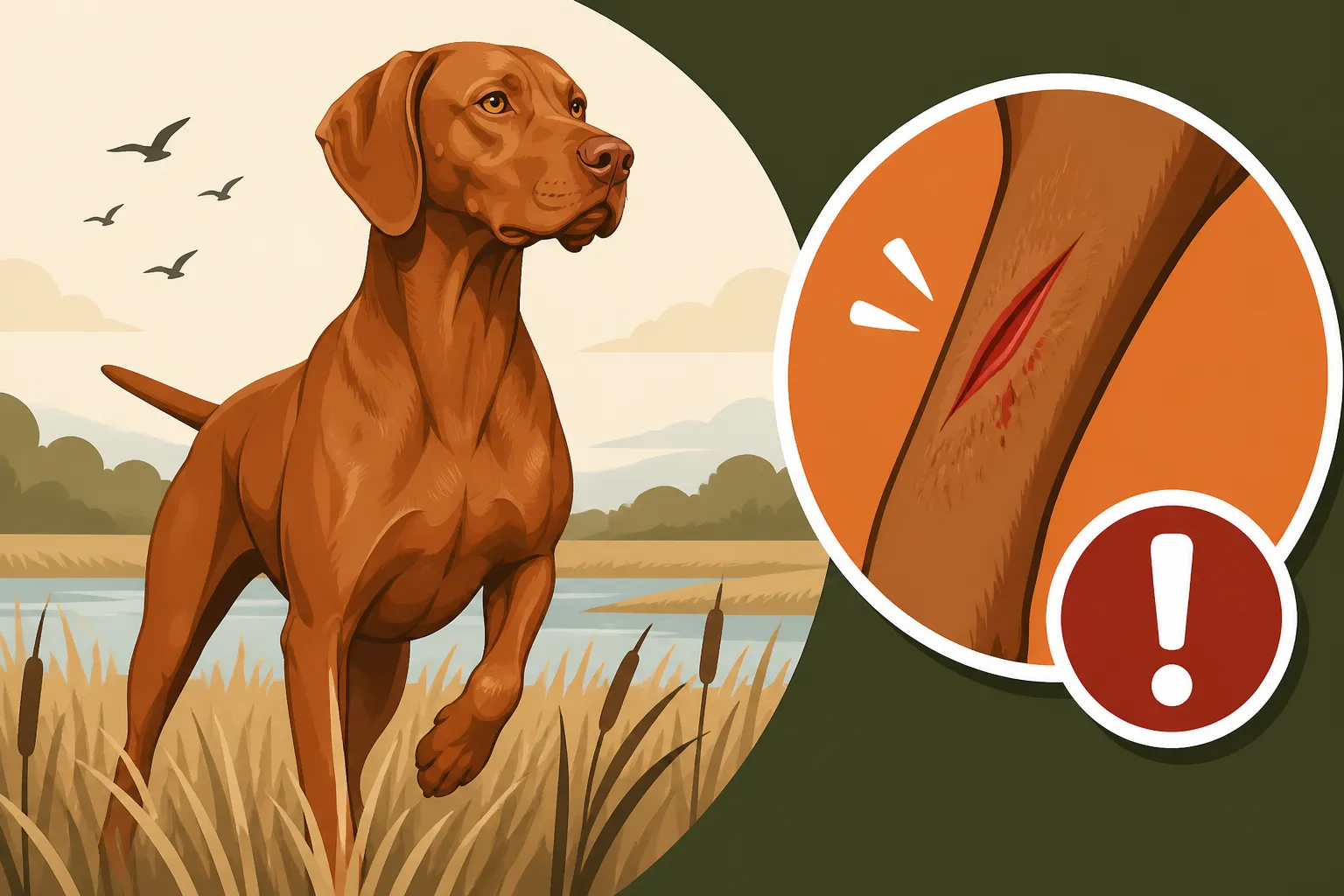
Whether a Vizsla Cuts Itself Hunting
It’s a heart-stopping moment for any Vizsla owner: you’re out in the field, enjoying the thrill of the hunt, and suddenly your beloved dog lets out a yelp. A quick check reveals a nasty gash, perhaps on a paw pad or along their thin flank. Vizslas are exceptional hunting companions, but their zest for adventure combined with their unique physical characteristics means they are, unfortunately, quite prone to cuts and scrapes when working in rough terrain. This guide will delve deep into why these energetic red dogs often come back from a hunt with battle scars and offer comprehensive strategies for prevention, immediate care, and ensuring a swift recovery.
The Vizsla's Unique Vulnerabilities in the Field
Our beloved Velcro Vizslas are renowned for their incredible athleticism, boundless energy, and unwavering focus when on the hunt. But these very qualities, combined with certain breed-specific traits, also make them more susceptible to injuries than some other sporting dogs. It's a trade-off many of us accept for their extraordinary capabilities, but understanding these vulnerabilities is the first step in mitigating the risks.
The Thin Skin of a Vizsla
If you own a Vizsla, you know their coat is sleek, short, and feels like velvet. What you might not always realize is just how thin and delicate their skin underneath truly is. Unlike breeds with thick double coats or dense, wiry fur that can offer a degree of protection, a Vizsla's single coat is a minimalist affair. It's fantastic for shedding burrs and drying quickly, but it provides almost no barrier against sharp objects. Imagine yourself walking through a thorny rose bush in a thin t-shirt versus a heavy canvas jacket – that's the difference for a Vizsla compared to, say, a German Shorthaired Pointer or a Labrador Retriever.
This means that a minor brush against a sharp twig, a run-in with a barbed-wire fence, or a slip on a rocky outcrop can easily result in a laceration or puncture wound that would merely be a superficial scrape on a more heavily coated dog. We often talk about how our dogs carry [The Thin Skin a Vizsla Takes Into the Field] and it truly changes everything about how we approach their safety in harsh environments. Even seemingly innocuous vegetation like dried corn stalks or brittle weeds can inflict significant damage on their delicate skin.
High Drive and Impulsivity
A Vizsla's hunting drive is nothing short of legendary. When they catch scent of game, their focus narrows, their speed increases, and they become a blur of copper-gold intensity. This incredible drive, while essential for their working purpose, can also be a double-edged sword when it comes to self-preservation. In the heat of the moment, with adrenaline pumping, a Vizsla might not register pain or perceived danger as readily as a dog with a lower prey drive or more cautious nature.
Picture this scenario: your Vizsla is hot on the trail of a pheasant, scenting hard, and suddenly there's a tangled mess of blackberry brambles or a partially collapsed fence line in their path. Another dog might hesitate, pick a safer route, or even stop. Your Vizsla, however, might just power through, driven by instinct, only realizing the consequences seconds later when they emerge bleeding. This impulsivity, born of their intense passion for hunting, means they rely heavily on their handler's awareness and preparation to keep them out of harm's way.
Terrain and Environmental Hazards
The environments where we often hunt with Vizslas are rarely pristine, manicured fields. They are wild, unpredictable places, full of natural and sometimes man-made hazards that can spell trouble for a fast-moving, thin-skinned dog. From the obvious dangers like discarded glass bottles and rusty metal scraps to the more subtle threats posed by natural vegetation, the field is a minefield of potential injuries.
Think about the sharp, broken stumps of winter-worn stalks in a stubble field, or the unforgiving edges of shale rock on a hillside. Thorns from multiflora rose, hawthorn, or even common wild roses can easily snag and tear skin. In colder climates, jagged ice can inflict deep cuts on paw pads. Even something as seemingly benign as a cluster of grass seeds can work their way deep into a paw, causing irritation and infection, a common issue often discussed when considering [Whether a Vizsla Gets Grass Seeds in Its Feet]. Every hunting outing requires a mental checklist of these potential dangers, anticipating where your dog might encounter trouble.
Common Hunting Injuries and How to Identify Them
Knowing what kind of injuries to look for and where they commonly occur on a Vizsla can help you react quickly and provide appropriate care. These dogs are stoic, often masking pain to continue their work, so a thorough check-over after every hunt is paramount.
Paw Pad Lacerations and Abrasions
The paw pads are arguably the most vulnerable part of a hunting Vizsla. They are their connection to the ground, absorbing impact and providing traction. However, they are also constantly exposed to sharp objects, abrasive surfaces, and extreme temperatures. Lacerations, which are deep cuts, can happen from shards of glass, sharp rocks, or even ice. Abrasions, or "rug burns" on the pads, result from prolonged running on rough, unforgiving terrain like gravel roads or rocky hillsides, especially if the pads aren't conditioned.
Signs of paw pad injury include immediate limping or reluctance to bear weight on a specific paw. You might notice your Vizsla frequently licking at their paw, or you may see visible blood on the ground or matted in the fur between their toes. It’s crucial to separate the paw pads gently and inspect them closely, as a small cut can bleed profusely and look worse than it is, but a deep puncture needs urgent attention. A dog that hesitates on certain surfaces or keeps lifting a paw is often trying to tell you something is wrong with their footing.
Body Cuts, Scrapes, and Punctures
Given their thin skin and eagerness to push through dense cover, cuts, scrapes, and punctures to the body are unfortunately common for Vizslas. The areas most at risk are their flanks, belly, chest, and the inside of their legs – basically anywhere their sleek coat offers minimal protection. We've all heard stories, or experienced ourselves, the panic of seeing a dog emerge from a thicket with blood streaking their coat. These types of injuries can be caused by sharp branches, barbed wire, abrasive stubble, or even rough concrete if they slip or fall.
It's not uncommon for a Vizsla to get a serious cut just beneath the ribs or along the chest when pushing through thick underbrush or attempting to navigate obstacles. Concerns about [Whether a Vizsla Cuts Its Chest on Wire] are very real because their body shape and exuberance mean they often lead with their chest into unknown territory. Look for visible bleeding, fur matted with blood, swelling around an injury site, or a spot where your dog flinches when you touch it. Sometimes, a puncture wound might be small on the surface but can be quite deep, carrying bacteria into the muscle layers, leading to abscesses if not properly cleaned and treated.
Eye and Ear Injuries
While less common than body or paw injuries, eye and ear injuries can be particularly distressing and, in the case of eyes, potentially sight-threatening. Vizslas work with their heads down, nose to the ground, but also push through tall grasses and brush. Their eyes can be vulnerable to direct trauma from flying debris, branches, or even the wings of flushed birds. A small scratch on the cornea can be incredibly painful and quickly lead to infection.
Ear injuries typically involve the long, pendulous ear flaps getting caught or torn by thorns, sharp twigs, or even another dog during enthusiastic play in the field. A "flapper" injury can bleed quite a bit due to the rich blood supply in the ear leather. Signs of an eye injury include squinting, excessive tearing, redness, cloudiness of the eye, or rubbing at the face. For ears, look for visible tears, fresh blood, or your dog shaking their head constantly and scratching at the ear. Remember, a quick rinse after a hunt can often prevent irritation, as discussed in [Whether a Vizsla's Eyes Need Rinsing After a Field Day].
| Injury Type | Common Causes | Immediate Signs | First Aid Steps (Minor) | When to Seek Vet Care |
|---|---|---|---|---|
| Paw Pad Lacerations | Glass, sharp rocks, ice, rough terrain | Limping, licking, visible blood, reluctance to walk | Clean with saline, apply antiseptic, bandage tightly | Deep cuts, excessive bleeding, sustained limping, signs of infection |
| Body Cuts/Scrapes | Barbed wire, sharp branches, stubble, falls | Visible bleeding, matted fur, swelling, tenderness | Clean with antiseptic, apply pressure, cover with gauze | Deep punctures, long gashes, wounds near joints, uncontrolled bleeding |
| Eye Injuries | Debris, branches, bird wings | Squinting, redness, tearing, rubbing face, discharge | Rinse with saline, keep clean | Any visible corneal damage, persistent pain, discharge, vision changes |
| Ear Flap Tears | Thorns, sharp twigs, dense brush | Bleeding, head shaking, scratching at ear | Apply direct pressure, clean edges, cover loosely | Deep tears, uncontrolled bleeding, ear canal involvement, signs of infection |
Prevention Strategies for the Hunting Vizsla
Being proactive is always better than reactive, especially when it comes to keeping your Vizsla safe in the field. Implementing a few key strategies can significantly reduce the risk of injury and ensure many more happy, healthy hunting seasons for your companion.
Protective Gear for the Field
Just as we wear sturdy boots and protective clothing when out hunting, our Vizslas can benefit immensely from appropriate gear designed to shield them from the elements and environmental hazards. A blaze orange vest isn't just for visibility; a good quality, well-fitting vest can offer a crucial layer of protection for your dog's chest and flanks. These areas, as we've discussed, are particularly vulnerable to cuts from brush, stubble, and even accidental contact with another dog's teeth.
When considering what [What a Blaze Orange Vest Costs for a Vizsla], it's important to view it as an investment in their safety. Beyond vests, paw protection is vital. Depending on the terrain, dog boots can be a lifesaver for delicate paw pads, preventing cuts and abrasions. If boots aren't practical for your hunting style or your dog won't tolerate them, a good paw wax applied before a hunt can create a protective barrier, reducing friction and preventing cracking. Knowing [What Boots Cost for a Vizsla in the Field] and incorporating them into your routine can save you much more in vet bills down the line.
Careful Field Selection and Preparation
One of the most effective ways to prevent injuries is to be mindful of where and how you hunt. If you're exploring new hunting grounds, take the time to scout the area beforehand without your dog, looking for potential hazards. Note any areas with dense thorny brush, broken glass, old farm equipment, or dangerous fencing. If you encounter known dangers, adjust your route or avoid the area entirely.
Even in familiar territory, conditions can change. A winter storm might bring down branches, or a farmer might have repaired a fence with new, sharper wire. Before releasing your Vizsla, do a quick visual scan of the immediate area. Furthermore, ensure your Vizsla is properly conditioned for the hunt. An unfit dog is more prone to fatigue, which can lead to clumsiness and increased risk of accidents. Just like human athletes, dogs need to be warmed up and cooled down, and their overall fitness plays a big role in injury prevention. Regular checks of your dog’s paws and body are also part of [Checking a Vizsla Over After a Hunt].
Training and Management
Effective training is not just about obedience; it's about safety. A strong, reliable recall is perhaps the most critical command for a hunting Vizsla. If you can call your dog back instantly, even when they're intensely focused on game, you can prevent them from charging into a dangerous area. Think about a field bordered by a busy road or a river – your recall is their lifeline. We've all seen how far a Vizsla can range, and building a solid [Building a Recall on a Vizsla That Ranges] takes consistent work and patience.
Commands like "leave it" or "wait" can also be invaluable for stopping your dog from investigating something potentially harmful. Practicing these commands in varied environments, slowly introducing distractions, ensures they'll respond when it truly matters. Finally, manage the duration and intensity of your hunts. While Vizslas have incredible stamina, pushing them past their physical limits can lead to exhaustion, making them more susceptible to accidents and poor judgment. A tired dog might not lift its feet high enough, leading to trips and falls, or might be less aware of its surroundings.
First Aid and When to Seek Veterinary Care
Despite our best efforts, accidents can happen. When your Vizsla does sustain a cut or injury in the field, knowing how to administer immediate first aid and when to seek professional veterinary help is crucial for their well-being and recovery.
Essential Field First Aid Kit
Every hunting excursion with a Vizsla should include a well-stocked first aid kit, specifically tailored for canine emergencies. This isn't just a suggestion; it's a necessity. Imagine being miles from your vehicle or a vet clinic with a profusely bleeding dog – a basic kit can make all the difference. Your kit should include items like antiseptic wipes (such as chlorhexidine or diluted povidone-iodine), sterile gauze pads, self-adhering veterinary wrap, medical tape, blunt-nosed scissors, saline solution for rinsing, styptic powder (for quick-stopping minor bleeding on nails or small cuts), and perhaps a dog-specific pain reliever (only administer under vet guidance).
For a minor cut, the first step is to calmly assess the wound. If it's bleeding, apply firm, direct pressure with a clean gauze pad. Once the bleeding is controlled, gently clean the wound with saline solution to remove dirt and debris, then apply an antiseptic. If possible, cover the wound with a fresh gauze pad and secure it with vet wrap, ensuring it's snug but not too tight to cut off circulation. This basic knowledge of [What a First Aid Kit for a Hunting Vizsla Holds] is indispensable.
Recognizing When a Vet Visit is Crucial
While you can handle minor scrapes and superficial cuts with your field first aid kit, many injuries will require immediate professional veterinary attention. It’s important to know the red flags that indicate an urgent trip to the vet. These include:
- Deep Puncture Wounds: Especially if they're near a joint, eye, or in the chest/abdomen, as these can easily become infected or cause internal damage.
- Excessive or Uncontrolled Bleeding: If bleeding doesn't stop after 5-10 minutes of direct pressure, or if it's spurting profusely.
- Wounds that are Wide Open or Long: These often require stitches to heal properly and prevent infection. Knowing [Whether a Vizsla Needs Stitches After a Hunt] is key to preventing complications.
- Lameness or Inability to Bear Weight: This could indicate a deeper injury to muscle, tendon, ligament, or bone.
- Signs of Infection: Swelling, heat, redness, pus, or a foul odor developing around the wound in the days following the injury.
- Eye Injuries: Any visible damage to the eyeball, persistent squinting, or discharge.
- Behavioral Changes: Lethargy, loss of appetite, or persistent whining could signal pain or a systemic issue.
Don't hesitate to contact your veterinarian if you're unsure. It's always better to be safe than sorry, and early intervention can prevent minor issues from becoming major, costly problems. This is also where having robust pet insurance like Healthy Paws can truly alleviate the financial stress of unexpected emergencies, allowing you to focus purely on your Vizsla's health. Pet insurance can cover a significant portion of these emergency vet visits, diagnostic tests, and treatments.
Recovery and Long-Term Healing
Once your Vizsla has received veterinary care, the recovery phase begins. This often involves careful wound cleaning, administration of antibiotics or anti-inflammatory medications, and strict activity restriction. Depending on the severity of the cut, your dog might need to wear an Elizabethan collar (the "cone of shame") to prevent them from licking or chewing at the stitches or wound, which can lead to infection or reopening the injury.
Patience is key during this time, which can be particularly challenging with an active breed like a Vizsla. Keeping them calm and limiting their exercise to leash walks for several weeks might feel impossible, but it’s vital for proper healing. Follow all your vet's instructions meticulously, and don't hesitate to call them with any concerns about the healing process, such as increased swelling, redness, or discharge. Investing in your Vizsla's recovery, both with time and resources, is part of being a responsible owner. Having a reliable insurance plan like Healthy Paws in place helps ensure that every necessary follow-up appointment or unforeseen complication is managed without added financial strain. These plans are designed to help you cover the cost of illnesses and injuries, giving you peace of mind.
Disclaimer
Please remember that this article is for informational purposes only and is not a substitute for professional veterinary advice. Always consult with a qualified veterinarian for any health concerns or before making any decisions about your Vizsla's care.