Whether a Vizsla Gets Dry Eye
It’s a heart-wrenching moment for any Vizsla owner when you notice something isn't quite right with their bright, intelligent eyes. Often, we worry about injuries from romping through brush or more serious genetic conditions, but a less obvious yet equally concerning issue can be at play: dry eye. This guide will walk you through what dry eye, or Keratoconjunctivitis Sicca (KCS), means for your beloved Vizsla, how to spot it, and what you can do to manage this chronic condition.
Understanding Dry Eye, or Keratoconjunctivitis Sicca KCS in Vizslas
Dry eye, clinically known as Keratoconjunctivitis Sicca (KCS), is a surprisingly common and often frustrating condition that impacts our canine companions, and Vizslas are certainly not immune. In simple terms, KCS occurs when the eyes don't produce enough tears, or the tears they do produce aren't of the right quality to keep the eyes adequately lubricated. Imagine trying to blink all day with sandpaper in your eyes – that's a glimpse into the discomfort a Vizsla with KCS experiences.
The Science Behind the Tears and Why They Fail
Our Vizslas' eyes, much like our own, rely on a delicate tear film that constantly bathes the corneal surface. This tear film isn't just plain water; it's a sophisticated three-layered marvel. There's an oily outer layer, produced by the meibomian glands, which prevents evaporation; a watery middle layer, generated by the lacrimal glands, which provides moisture and nutrients; and an inner mucin layer, created by goblet cells, that helps the tears stick to the eye's surface.
With KCS, the primary issue usually lies with a deficiency in that crucial watery middle layer. The lacrimal glands, which are the main tear producers, simply aren't doing their job effectively. This can stem from several causes. Often, it's an immune-mediated disease, where the body's own immune system mistakenly attacks and damages the tear glands. It's a sad irony when a dog’s own protective mechanisms turn against them. Other potential culprits include certain medications like sulfa drugs, viral infections, trauma to the eye or glands, or even some endocrine disorders. For a breed like the Vizsla, which can sometimes face a variety of immune-mediated challenges, it's particularly important to be vigilant for signs of KCS. We often discuss Why Vizslas Carry So Much Immune Disease in general, and KCS can be another manifestation of that underlying predisposition.
Why Vizslas Might Be More Susceptible
While KCS can affect any breed, some breeds, including Vizslas, do show a higher predisposition. This increased susceptibility is often linked to the immune-mediated nature of the disease. Just as some Vizslas are prone to conditions like sebaceous adenitis or certain thyroid issues, their genetics might make them more inclined to develop autoimmune conditions that target tear glands.
It’s not just genetics, though. A Vizsla’s active, adventurous lifestyle can also play a subtle role. They love nothing more than running through fields, plunging into water, and generally being outdoors, which can expose their eyes to more dust, wind, and allergens. While these external factors don't cause KCS, they can certainly exacerbate the symptoms in a dog already struggling with tear production. Imagine your Vizsla happily flushing birds in a dry, dusty field; if their eyes aren't producing adequate tears, that dust becomes a much more irritating and damaging factor, potentially worsening inflammation and discomfort. This breed's enthusiasm means their eyes are often working overtime in environments that aren't always pristine.
Recognizing the Signs and Symptoms of Dry Eye in Your Vizsla
Spotting KCS early can make a world of difference in managing the condition and preserving your Vizsla’s eye health and comfort. It’s easy to dismiss early signs as just "allergies" or "a little irritation," but with a Vizsla, who might hide discomfort, paying close attention to subtle changes is crucial.
Early Warning Signals You Cannot Ignore
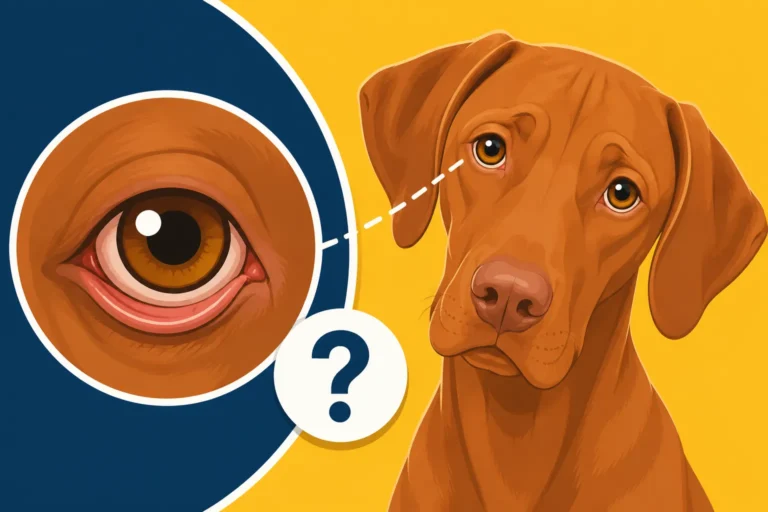
The very first signs of dry eye can be quite subtle, often manifesting as an increased irritation. You might notice your Vizsla blinking more frequently or squinting, especially in bright light or after being outdoors. Their eyes might appear a little redder than usual, particularly around the whites (sclera) or the third eyelid. This redness indicates inflammation, a direct result of the lack of lubricating tears.
Another tell-tale sign is a change in ocular discharge. Instead of clear, watery tears, you'll often see a thick, stringy, yellowish, or whitish mucus discharge collecting in the corners of their eyes. This isn't normal tear film; it's the eye trying to protect itself with whatever moisture it can muster, and it often leads to crusting around the eyelids. Your Vizsla might start rubbing or pawing at their eyes more, trying to relieve the persistent itchiness and discomfort. This can lead to secondary issues like scratched corneas or skin irritation around the eyes. If your Vizsla is pawing at their face, especially after a run through some brush, it's not always just a foreign object – it could be early KCS. Keep an eye out for these changes, as prompt veterinary attention is key to preventing progression.
Progressive Changes and Potential Vision Impairment
If KCS goes untreated, these early signs will inevitably worsen, leading to more significant and potentially irreversible damage to the cornea, which is the clear outer layer of the eye. The lack of proper lubrication causes chronic irritation, which can lead to a condition called corneal ulceration. This is when the surface of the cornea actually breaks down, causing considerable pain and making the eye vulnerable to infection.
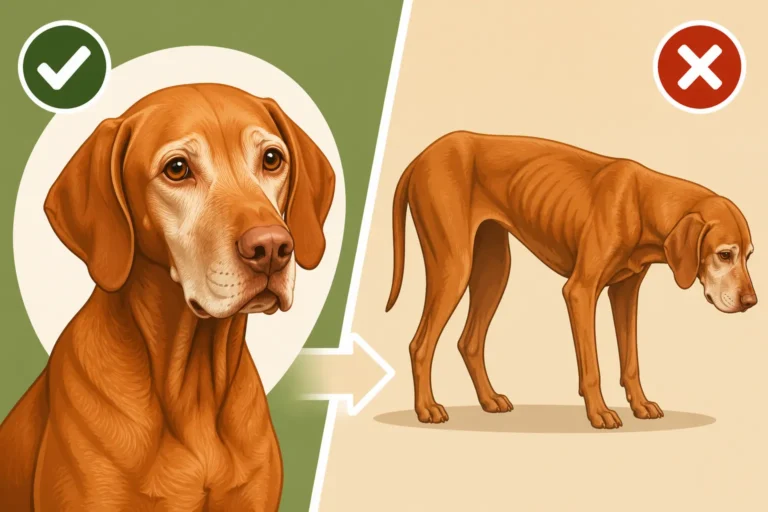
Over time, the cornea may begin to look dull, cloudy, or hazy, losing its characteristic shiny, transparent appearance. This is due to inflammation and cellular changes. You might also observe the development of dark pigmentation or brown spots spreading across the corneal surface. This pigmentation is the body's attempt to protect the eye from chronic irritation, but it also gradually obstructs vision. In severe, prolonged cases, the corneal surface can become so thickened, inflamed, and pigmented that it results in significant vision impairment or even blindness. Imagine your Vizsla, who relies so much on their keen eyesight for hunting and navigating, having their world dimmed by this preventable progression. This is why addressing Eye Disease in a Vizsla promptly is so important.
Here's a quick comparison of common eye issues that might seem similar but have distinct differences:
| Symptom / Condition | Dry Eye (KCS) | Allergic Conjunctivitis | Foreign Object/Trauma | Infection (Bacterial/Viral) |
|---|---|---|---|---|
| Discharge | Thick, stringy mucus, yellowish/whitish | Clear, watery (initially), can become thick with secondary infection | Clear, watery (excessive tearing) | Yellow-green, thick, pus-like, often abundant |
| Redness | Moderate to severe, generalized | Moderate, often itchy | Localized or generalized | Moderate to severe, often with swelling |
| Squinting/Pain | Consistent, moderate | Mild to moderate, itchy | Severe, sudden onset | Moderate to severe |
| Cornea | Dull, cloudy, pigmented over time, ulcers | Usually clear | Can show scratches/ulcers | Usually clear, but ulcers possible with severe infection |
| Rubbing/Pawng | Frequent, persistent | Frequent, intense itching | Sudden, persistent | Frequent, persistent |
| Onset | Gradual | Seasonal or sudden exposure | Sudden | Gradual to sudden |
Diagnosing and Managing Dry Eye in Your Vizsla
Once you suspect KCS, don't delay in getting your Vizsla to the vet. Early and accurate diagnosis is essential for effective treatment and preventing long-term complications.
The Vet Visit and Diagnostic Tests
When you bring your Vizsla in, your veterinarian will perform a thorough eye examination. The cornerstone of diagnosing KCS is a simple, yet highly effective test called the Schirmer Tear Test (STT). This involves gently placing a small strip of filter paper with a measurement scale just inside your Vizsla’s lower eyelid for one minute. The amount of tears absorbed by the paper indicates the tear production rate. A reading below a certain threshold (typically 10-15 mm/minute) strongly suggests KCS. It’s a quick, painless test that provides crucial information.
Your vet may also use a fluorescein stain to check for corneal ulcers. This orange dye glows under a special blue light and will adhere to any areas where the corneal surface is damaged, making ulcers visible. They'll also examine the overall health of the eye, looking for signs of infection, inflammation, or other abnormalities. These tests, combined with your observations of your Vizsla's symptoms, will help your vet arrive at an accurate diagnosis and rule out other potential causes of eye irritation.
Medical Management: The Cornerstone of Treatment
The good news is that KCS is often manageable with consistent medical treatment, though it is usually a lifelong condition. The primary goal of treatment is to stimulate natural tear production and replace missing tears.
The most common and effective medications are topical immune suppressants, specifically cyclosporine (like Optimmune) or tacrolimus eye drops/ointments. These medications work by suppressing the immune attack on the tear glands, allowing them to resume some level of tear production. They usually need to be administered once or twice a day, every day, for the rest of your Vizsla's life. It can feel like a big commitment, but for many dogs, these medications dramatically improve comfort and eye health.
Alongside immune suppressants, your vet might prescribe artificial tear supplements to provide immediate lubrication and comfort, especially in the initial stages or during flare-ups. Topical anti-inflammatory drops might also be used to reduce corneal inflammation. If a secondary bacterial infection is present, antibiotic eye drops will be necessary to clear it up. Remember, consistency is key with these medications. Missing doses can quickly lead to a relapse of symptoms and discomfort for your Vizsla. The ongoing nature of this treatment is why having pet insurance, like a plan from Healthy Paws, can be a real lifeline for managing the costs of chronic conditions.
Surgical Interventions: When Medications Aren't Enough
In some rare cases, medical management alone isn't enough to control KCS, or the tear glands are completely non-functional. For these Vizslas, a surgical procedure called Parotid Duct Transposition (PDT) might be considered. This complex surgery involves redirecting one of the salivary ducts from the mouth to the eye, so saliva, rather than tears, can provide lubrication.
While PDT can be life-changing for some dogs, it's not without its challenges. Saliva is not the same as tears; it contains different enzymes and can sometimes lead to excessive moisture around the eye, mineral deposits on the cornea, or skin irritation. It also requires a highly skilled veterinary ophthalmologist. Your vet will thoroughly discuss the pros and cons, the potential complications, and the realistic expectations for your Vizsla if PDT is an option. It's a significant decision, and thankfully, for most Vizslas, consistent medical treatment is sufficient. If you’re ever considering surgery for any condition, knowing Whether a Vizsla Tolerates Anesthesia Well is another important topic to discuss with your vet.
Living with Dry Eye: Management and Long-Term Outlook
Managing KCS is a marathon, not a sprint. It requires dedication, a keen eye for changes, and consistent daily care, but the payoff is a comfortable, happy Vizsla.
Establishing Daily Care Routines
Once your Vizsla is diagnosed with KCS, establishing a strict daily routine for eye care is paramount. This typically involves administering eye drops or ointment one to two times a day, exactly as prescribed by your vet. It might feel like a chore at first, especially if your Vizsla is wiggly, but with patience and positive reinforcement (lots of treats!), most dogs adapt well. Many Vizslas are quite sensitive, so a gentle approach is always best. Make it a positive experience with praise and rewards.
Regularly cleaning around your Vizsla’s eyes is also vital to remove any thick discharge or crusting that accumulates. Use a soft, damp cloth or a veterinary-approved eye-cleaning solution. This not only keeps your Vizsla more comfortable but also prevents secondary skin irritation or infection. Your vet will likely schedule regular follow-up appointments to monitor tear production with the Schirmer Tear Test, assess the cornea's health, and adjust medications as needed. This ongoing management highlights the importance of budgeting for What a Vizsla Costs a Year to Keep, as chronic conditions add up. Many owners find that a good pet insurance policy, like those offered by Healthy Paws, significantly eases the financial burden of these essential, ongoing veterinary costs.
Environmental Considerations for a Vizsla with KCS
Environmental factors can significantly impact a Vizsla with KCS. Dust, wind, and dry air can exacerbate the condition by increasing tear evaporation and irritation. If your Vizsla spends a lot of time outdoors, especially in dusty fields or windy conditions while hunting, consider rinsing their eyes with a sterile saline solution after exposure to help clear irritants. A protective set of dog goggles might even be a consideration for very active hunting Vizslas to shield their eyes from harsh elements and physical trauma.
Indoors, humidifiers can help add moisture to the air, making your home environment more comfortable for your Vizsla's eyes, especially during dry winter months. Avoid exposing your Vizsla to direct drafts from fans or air conditioners. While you can't completely shield your active Vizsla from the world, being mindful of these environmental factors can help minimize irritation and support their eye health. For an active dog that loves the outdoors, managing conditions like KCS is part of ensuring The Twelve to Fourteen Years a Vizsla Lives are as comfortable and full of life as possible.
Long-Term Prognosis and Quality of Life
With consistent and appropriate treatment, the long-term prognosis for Vizslas with KCS is generally good. Most dogs can live full, comfortable lives with their vision maintained. However, it's important to understand that KCS is typically a chronic, lifelong condition that requires ongoing management. There is no "cure" in most cases, but rather effective control of the symptoms.
Your dedication to the daily routine and regular vet check-ups will be the biggest factors in your Vizsla's comfort and eye health. While KCS can be frustrating, especially when dealing with the cost and frequency of medication, seeing your Vizsla happy, comfortable, and able to enjoy their favorite activities makes it all worthwhile. Just like Managing a Vizsla's Skin for Life for other chronic skin conditions, KCS management becomes a part of their regular care. Regular conversations with your veterinarian about any changes you observe, or questions you have, will ensure your Vizsla continues to thrive despite their dry eye.
Disclaimer
This article is intended for informational purposes only and does not constitute veterinary advice. Always consult with a qualified veterinarian for any health concerns or before making any decisions about your Vizsla's care.