Whether a Vizsla’s Eyelids Roll Inward
There's nothing quite as heartbreaking as seeing your vibrant, energetic Vizsla squinting, rubbing their eyes, or just generally looking uncomfortable. As Vizsla owners, we become acutely aware of every little nuance in their behavior, and when something affects their eyes, it's a serious cause for concern. One issue that sometimes crops up, causing significant irritation and pain, is when a Vizsla's eyelids roll inward, a condition known as entropion. This isn't just a cosmetic problem; it can lead to chronic discomfort and even severe vision impairment if left unaddressed. This guide is here to walk you through what entropion is, how to spot it, and what steps you can take to help your beloved companion.
Understanding Entropion in Your Vizsla: More Than Just a Frown
When we think about our Vizslas, we picture their expressive, intelligent eyes, always scanning the horizon or locking onto us with affection. The idea that their own eyelids could be causing them distress is a tough one to stomach. But understanding this condition is the first step toward effective management and ensuring their continued comfort.
What Exactly is Entropion?
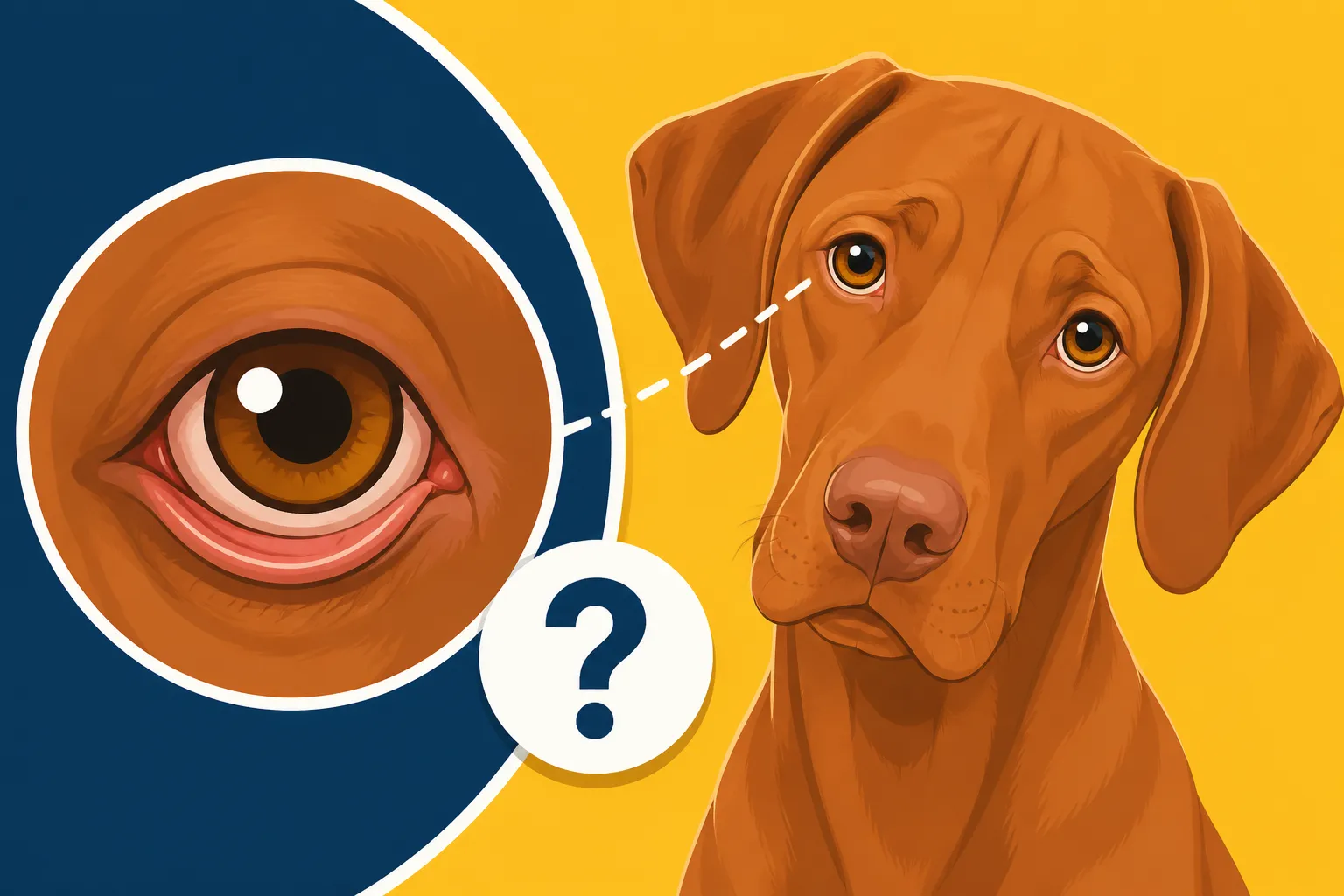
At its core, entropion is an anatomical defect where a portion of the eyelid, usually the lower one, rolls inward towards the eyeball. When this happens, the delicate hairs on the eyelid and sometimes the eyelashes themselves are constantly rubbing against the surface of the eye, particularly the cornea. Imagine having a tiny, stiff brush constantly irritating your eye – that's essentially what your Vizsla is experiencing.
This constant friction isn't just annoying; it's painful. It can lead to a cascade of problems: excessive tearing (epiphora), redness, inflammation, and if left untreated, it often results in corneal ulcers. These ulcers are open sores on the eye's surface that can be incredibly painful and, in severe cases, lead to scarring, infection, and even vision loss. The pain can be so intense that your Vizsla might keep its eye partially or completely shut, a clear sign of distress.
Why Vizslas are Particularly Prone
While entropion can affect any breed, some breeds, including Vizslas, are predisposed due to their unique facial structure and genetic makeup. Vizslas often have deep-set eyes, which, combined with the way their skin and muscle tissue around the eyes are formed, can sometimes create a predisposition for the eyelids to fold inward. It's not as common or as severe as in breeds like the Shar-Pei or Chow Chow, which are famous for their excessive skin folds, but it's certainly a concern for Vizsla owners.
The hereditary component is crucial here. Entropion is often passed down through generations. This is why responsible breeders go to great lengths to screen their breeding stock for various health issues, including eye diseases. They understand the importance of healthy genetics in maintaining the breed's well-being. Knowing your Vizsla's lineage and whether there's a history of eye issues can be incredibly helpful, though it doesn't guarantee your dog won't develop it.
Spotting the Subtle Signs: Is Your Vizsla Uncomfortable?
Our Vizslas are stoic creatures, often trying to power through discomfort, especially if they're still in puppyhood or in the prime of their energetic adult lives. This means we, as their dedicated owners, need to be extra vigilant in recognizing the signs that something isn't quite right, especially when it comes to their sensitive eyes. It's often said that Whether a Vizsla Hides Its Pain, and this is particularly true for chronic discomfort like eye irritation.
Recognizing the Early Symptoms of Inward Rolling Lids
The symptoms of entropion can range from subtle to quite dramatic, depending on the severity of the inward roll and how long it's been present. Here are the key indicators to watch out for:
- Excessive Tearing (Epiphora): You might notice a constant wetness or tear staining around the affected eye, even when your dog isn't particularly emotional. This is the eye trying to flush out the irritant.
- Squinting (Blepharospasm): Your Vizsla might frequently or consistently hold one or both eyes partially closed, or blink more often than usual. This is a direct response to pain and irritation.
- Rubbing at the Eyes: If your Vizsla is constantly pawing at their face, rubbing their eyes on furniture, or dragging their face along the carpet, it’s a strong sign of irritation.
- Redness and Inflammation: The whites of the eyes (sclera) might appear red and bloodshot, and the conjunctiva (the pink tissue around the eye) may look swollen and inflamed.
- Mucus or Purulent Discharge: While clear tearing is common, more serious irritation can lead to thick, sticky mucus or even pus-like discharge if a secondary bacterial infection has set in.
- Light Sensitivity (Photophobia): Your dog might shy away from bright lights or prefer to be in dimmer areas, as light can exacerbate eye pain.
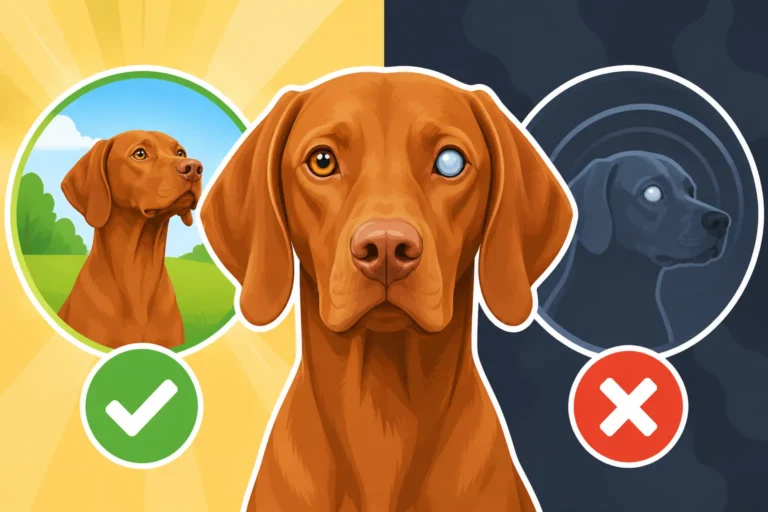
- Corneal Changes: In more advanced cases, you might notice cloudiness or a bluish tint on the surface of the eye, which indicates a corneal ulcer or chronic scarring.
Remember, these signs can sometimes appear or worsen after physical activity, like a long run or a romp in the woods, as dust or debris might exacerbate the friction caused by the inward-rolling lid.
When to Seek Veterinary Attention
Any persistent eye irritation in your Vizsla warrants a trip to the vet, and the sooner, the better. Eye conditions can deteriorate rapidly, and what starts as mild irritation can quickly escalate to a serious problem like a deep corneal ulcer, which is considered an ocular emergency. If you notice any of the symptoms listed above lasting for more than a day or two, or if your Vizsla seems to be in severe pain, exhibits sudden cloudiness in the eye, or has difficulty seeing, don't delay. An emergency vet visit might be necessary.
Regular veterinary check-ups are also crucial for early detection. During these visits, your vet will typically perform a general eye examination, which can often catch subtle signs of developing issues. It's a good idea to consider scheduling Whether a Vizsla Needs a Yearly Eye Exam as part of their routine health care, especially as they age or if they participate in activities where eye injuries are more common.
Navigating Diagnosis and Treatment Options
Once you've noticed the signs of entropion in your Vizsla, the next step is to get a definitive diagnosis and discuss the best course of action with your veterinarian. Rest assured, entropion is a treatable condition, and there are several options available to alleviate your dog's discomfort.
The Veterinary Examination Process
When you take your Vizsla to the vet with concerns about their eyes, a thorough ophthalmic examination will be performed. This usually involves:
- Visual Inspection: The vet will carefully observe your dog's eyelids, looking for any inward rolling, redness, swelling, or discharge. They'll assess how your Vizsla holds its eyes and whether there's any squinting.
- Eyelid Eversion: Gently rolling the eyelids outward to check the inner surface for any abnormalities or irritation.
- Fluorescein Stain Test: This is a crucial diagnostic tool. A special orange dye is applied to the eye. If there's any damage to the cornea, such as an ulcer or abrasion, the dye will adhere to it and glow bright green under a blue light, making the lesion visible. This test helps confirm if the rubbing eyelid has already caused damage.
- Schirmer Tear Test: Sometimes, dry eye can mimic or worsen entropion symptoms. This test measures tear production to rule out or diagnose concurrent dry eye.
- Magnification and Ophthalmoscopy: Using specialized tools, the vet can get a magnified view of the eye's structures, including the cornea, lens, and retina, to check for any secondary issues.
In some cases, especially if your Vizsla is very uncomfortable or uncooperative, mild sedation might be necessary to perform a complete and accurate examination. It's good to be prepared for the potential What an Eye Exam Costs on a Vizsla, as specialized diagnostic tests can add to the overall expense.
Surgical and Non-Surgical Interventions
The treatment approach for entropion depends on several factors, including your Vizsla's age, the severity of the condition, and whether corneal damage is present.
-
Non-Surgical Options (Often Temporary or for Puppies):
- Lubricating Eye Drops or Ointments: These can provide temporary relief by creating a barrier between the hairs and the cornea, reducing friction. They are not a cure but can manage mild symptoms.
- Antibiotic Eye Drops/Ointments: If a secondary bacterial infection has developed due to irritation, antibiotics will be prescribed to clear it up.
- Temporary Eyelid Tacking: This technique is sometimes used in puppies, where sutures are placed to roll the eyelid outward. As the puppy grows, their facial structure can change, and sometimes the entropion resolves on its own. It's not typically a permanent solution for adult dogs.
- Hyaluronic Acid Injections: In some cases, veterinarians may use hyaluronic acid fillers to temporarily evert the eyelids without surgery, providing relief for a few months.
-
Surgical Correction (The Definitive Treatment):
- For most adult Vizslas with persistent entropion, surgical correction is the most effective and often the only permanent solution. The most common procedure is called the Hotz-Celsus procedure.
- During this surgery, a small, crescent-shaped piece of skin and muscle is carefully removed from the affected eyelid, and the remaining skin is sutured together. This tightens and everts the eyelid, rolling it back to its normal position so that the hairs no longer rub the eye.
- The surgery is performed under general anesthesia. It's natural to worry about anesthesia, but rest assured, your vet will conduct pre-surgical bloodwork and take all necessary precautions. For dogs like Vizslas, it's important to know Whether a Vizsla Tolerates Anesthesia Well and discuss any concerns with your veterinary team.
- Recovery typically involves wearing an Elizabethan collar (e-collar) to prevent your Vizsla from rubbing at the incision site, along with prescribed eye drops or oral medications to manage pain and prevent infection. The sutures are usually removed after 10-14 days.
- While surgery is highly successful, some dogs may require a second, minor "touch-up" procedure if the initial correction isn't quite perfect, or if their anatomy changes slightly over time.
Living with Entropion and Long-Term Care
Once your Vizsla has been diagnosed and treated for entropion, your role as their caretaker shifts to managing their recovery and ensuring long-term eye health. It's a commitment, but one that is absolutely worth it for your dog's comfort and well-being.
Managing Post-Surgery Recovery and Expectations
The post-operative period is crucial for a successful outcome after entropion surgery. Your vet will provide detailed instructions, which usually include:
- E-Collar Compliance: Your Vizsla must wear an Elizabethan collar (the "cone of shame") continuously for the prescribed period, typically 10-14 days, until the sutures are removed and the incision has healed sufficiently. This prevents them from rubbing or scratching the surgical site, which could cause infection, damage the sutures, or even self-traumatize the eye.
- Medication Administration: You'll likely be sent home with oral pain medication, oral antibiotics (if an infection was present or as a prophylactic), and possibly topical eye drops or ointments. Administer these exactly as directed.
- Restricted Activity: Limit strenuous exercise, rough play, and activities that could cause dirt or debris to enter the eye. Short, leashed walks are usually fine, but intense field work or dog park visits should be avoided until fully cleared by your vet.
- Keeping the Area Clean: Gently clean any discharge from around the eye with a warm, damp cloth, being careful not to touch the incision.
- Follow-Up Appointments: Attend all scheduled follow-up appointments. These are vital for your vet to monitor healing, remove sutures, and assess the surgical outcome.
While the vast majority of entropion surgeries are successful, it's important to have realistic expectations. The goal is to correct the eyelid position, eliminate discomfort, and prevent further corneal damage. In some rare cases, a small revision surgery might be needed down the line if the eyelid partially rolls inward again.
Preventive Measures and Responsible Breeding
For future Vizsla owners, or those considering adding another companion to their family, prevention starts with responsible breeding practices. When choosing a Vizsla puppy, always ask about the health clearances of both parents. Reputable breeders will perform genetic testing and screening for various hereditary conditions, including eye diseases. They should be able to provide documentation, such as OFA (Orthopedic Foundation for Animals) or CERF (Canine Eye Registration Foundation) certifications, showing that the parents have been screened and are clear of known inherited eye conditions. An ethical breeder would never breed a dog with severe, hereditary entropion.
Even if your Vizsla never develops entropion, maintaining good eye hygiene is always a good practice. Regularly check your dog's eyes for any redness, discharge, or signs of irritation. If you notice any issues, consult your vet promptly. For ongoing unexpected veterinary expenses, having pet insurance can provide immense peace of mind. Many pet insurance providers, like Healthy Paws, offer comprehensive plans that can cover everything from accidental injuries to illnesses, helping you manage the costs of conditions like entropion surgery or ongoing eye care.
Remember, a Vizsla's thin skin, while beautiful, can be prone to various issues, not just around the eyes. Consider exploring general care tips for The Thin Skin a Vizsla Takes Into the Field to ensure you're addressing all aspects of their unique physical needs. By being proactive and attentive, you can help ensure your Vizsla's eyes remain bright, clear, and comfortable for years to come.
Disclaimer
This article is intended for informational purposes only and does not constitute veterinary advice. Always consult with a qualified veterinarian for any health concerns or before making any decisions about your Vizsla's care.