The Thin Skin a Vizsla Takes Into the Field
There's a reason why seasoned Vizsla owners often refer to their beloved companions as "velvet dogs"—it's not just about their incredibly soft, short coats, but also a knowing nod to their notoriously delicate, thin skin. This beautiful, fine skin, so characteristic of the breed, is a double-edged sword: it contributes to their elegant appearance and allows them to feel the air currents when scenting game, but it also makes them incredibly vulnerable to cuts, scrapes, and punctures, especially when they're eagerly plunging through dense cover in the field. If you've ever owned a Vizsla, you know the heart-stopping moment of finding a fresh tear on their flank after a retrieve, or watching them wince after a run through brambles. This guide is dedicated to understanding this unique vulnerability and arming you with the knowledge to protect and care for your Vizsla's precious skin.
Understanding the Vizsla's Unique Skin and Coat
When you run your hand over a Vizsla's coat, you instantly feel that silky, smooth texture. It’s one of their defining characteristics, and it’s also the first clue to understanding their skin's vulnerability. Unlike many other breeds, especially those built for rugged outdoor work, the Vizsla possesses a coat structure that offers minimal natural protection.
The Single Layer Coat: Why It's Different
Most dogs, particularly those bred for working in harsh environments, have what's known as a double coat. This means they have a soft, dense undercoat that provides insulation against cold and heat, and a coarser, water-repellent outer coat (or guard hairs) that protects against physical abrasions, moisture, and UV rays. Think of a Labrador or a German Shepherd – their coats are designed to repel water and shrug off branches.
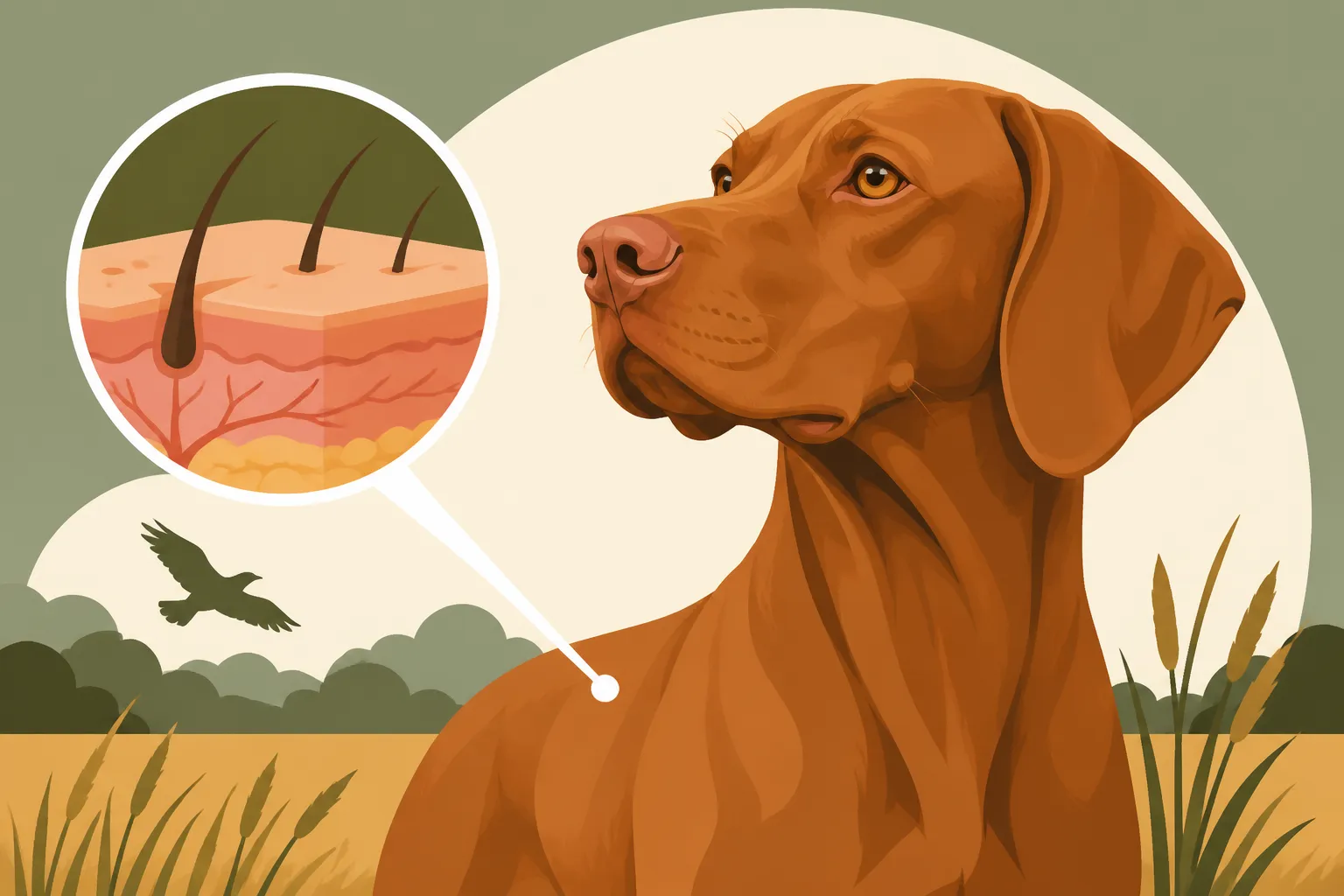
A Vizsla, however, has a single-layer coat. This means they only possess the equivalent of an outer coat, and even that is incredibly fine, short, and close-lying. While this makes for a sleek, low-shedding, and generally "non-doggy-smelling" companion, it leaves their skin directly exposed to the elements and any physical trauma that comes their way. When your Vizsla zips through a thicket, those delicate hairs offer little resistance against sharp twigs or thorns, leaving their skin right in the line of fire. It's truly a case of beauty over brawn when it comes to coat protection. This single-layer characteristic also means they don't have the insulating layer to protect them from extreme temperatures, making their skin more susceptible to issues like frostbite in cold weather or sunburn in hot, sunny conditions.
Lack of Undercoat: Impact on Protection
The absence of an undercoat is a major factor in the Vizsla's skin fragility. That fluffy, insulating layer that many other breeds possess acts like a natural suit of armor, cushioning the skin from impacts, preventing superficial cuts, and providing a barrier against moisture and environmental irritants. Without it, every brush against a sharp object, every scrape on rough terrain, has a direct path to their skin.
Imagine wearing only a thin t-shirt to walk through a thorny rose bush – that's essentially what your Vizsla is doing when they lack that protective undercoat. This isn't just about minor cuts; it also impacts how well their skin can regulate temperature and moisture. They can get chilly quickly, and their skin can dry out more easily without that protective layer sealing in moisture. This makes proper skin care, from bathing routines to dietary supplements, even more crucial for maintaining the integrity of their vulnerable skin. You'll often find yourself checking The Single Coat a Vizsla Has and Why It Changes Everything for tips on general coat care.
Vizsla Skin Anatomy: Delicate by Design
Beyond the coat, the Vizsla's skin itself is inherently thin and lacks the robust connective tissue and subcutaneous fat layers found in many other breeds. This anatomical reality means there's simply less "padding" between the outside world and their fragile dermis and underlying blood vessels. When they get a cut, it often goes deeper than it would on a dog with thicker skin, and because their skin is so thin, it can gape open more readily, exposing underlying tissue to infection.
This delicate design also means they tend to bleed more freely from even minor wounds. What might be a superficial scratch on a thick-skinned breed could be a significant, bleeding laceration on a Vizsla. This increased fragility also makes them more prone to bruising. Owners often find themselves developing a keen eye for every little red mark or scrape after a vigorous outing, knowing that even a tiny pinprick can quickly turn into something more bothersome due to their skin's inherent lack of resilience. Their fine-boned structure and athletic build further emphasize this delicacy; they are built for speed and grace, not for bulldozing through heavy brush.
Common Skin Injuries in Field Vizslas
If you spend any time with your Vizsla in the field, whether hunting or just enjoying an energetic romp, you'll quickly become intimately familiar with the types of skin injuries they can incur. Their enthusiasm often outweighs their caution, and their thin skin pays the price.
Cuts, Scrapes, and Punctures: The Everyday Hazards
These are the bread and butter of Vizsla field injuries. Imagine your Vizsla, head down, scenting enthusiastically through a field edge choked with multiflora rose or a dense fencerow. They don't slow down for thorns, broken branches, or jagged stubble. The result? A myriad of small nicks, scrapes, and sometimes surprisingly deep punctures. I've seen a dog come out of what looked like light cover with a nasty gash from a hidden piece of wire or even a sharp piece of rock.
The chest and flanks are particularly vulnerable, as these areas often brush against obstacles as they push through cover. Their belly, too, is a prime target for scrapes, especially if they're ducking under low-hanging branches or sliding on rough terrain. Even seemingly innocuous activities like running through tall, stiff grass can result in tiny cuts and abrasions. Because their skin is so thin, these wounds often bleed quite a bit, making them look more dramatic than they might initially be. But don't let the blood fool you into complacency; even small punctures can introduce bacteria deep into the tissue. This constant risk is why The Thin Skin a Vizsla Takes Into the Field is such a crucial topic for owners.
Thorns, Burrs, and Foxtails: Hidden Dangers
Beyond the obvious cuts, certain plant materials pose a unique and insidious threat to a Vizsla's thin skin. Thorns, from bushes like hawthorn or blackberry, are notorious for puncturing the skin, sometimes breaking off and remaining embedded, leading to localized inflammation or infection. Burrs, especially cockleburs, can cling tenaciously to their short coat and, if not removed promptly, can mat the fine hair and pull at the skin, causing irritation or even open sores.
However, perhaps the most dangerous field antagonist is the foxtail. These barbed seed heads are designed to burrow forward, and once they get caught in a Vizsla's fur, they can quickly penetrate the thin skin. Foxtails are infamous for migrating deep into the body, causing abscesses, serious infections, and in extreme cases, even migrating into internal organs or the brain. They are especially dangerous around the paws, ears, nose, and eyes, where they can cause significant damage and often require veterinary intervention to extract. Checking Whether a Vizsla Picks Up Grass Seeds is a constant ritual after every outing.
Abrasion and Friction Injuries: From Intense Activity
It's not always a sharp object that causes injury. The sheer intensity and duration of a Vizsla's activity can lead to skin problems. Constant friction against rough ground, thick cover, or even poorly fitting protective gear can cause abrasions, particularly on the chest, elbows, and hocks. Imagine your Vizsla making repeated retrieves, sliding into position, or bursting through heavy brush – these movements can rub the skin raw over time.
For dogs working in water, especially in colder temperatures, their delicate skin can become chapped or cracked. Even roadwork or running on abrasive surfaces like asphalt can lead to pad abrasions, which, while not strictly skin on the torso, demonstrate the vulnerability of their integumentary system to friction. These types of injuries, while often less dramatic than a deep cut, can be incredibly painful and, if neglected, can become open sores prone to infection.
Preventative Measures Before Heading Out
Forewarned is forearmed, especially when it comes to your Vizsla's delicate skin. Taking a few proactive steps before you even step foot in the field can make a world of difference in preventing injuries and ensuring a safer, more enjoyable outing for both you and your dog.
Pre-Hunt Skin Checks: What to Look For
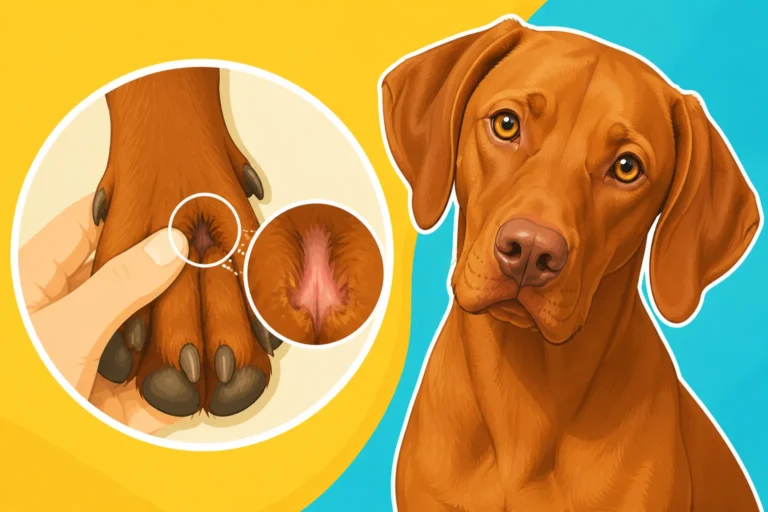
Before your Vizsla even gets excited about the prospect of a hunt or a long run, take a few minutes for a thorough skin check. This isn't just a quick pat; it's a careful, systematic examination. Start by visually scanning their entire body for any pre-existing cuts, scrapes, hot spots, or irritations. Pay particular attention to areas prone to injury: their chest, belly, flanks, and legs. Gently run your hands over their body, feeling for any lumps, bumps, or tender spots that might indicate a hidden issue. Check their paw pads for cracks, foreign objects, or tenderness.
Don't forget their ears (inside and out), eyes (looking for redness or discharge), and around their muzzle. If you find anything concerning, address it before you head out. A small cut can worsen quickly in the field, and an irritated hot spot can become an infected mess. Sometimes, a little pre-emptive care means a day off for your dog, but it's always better than dealing with a more serious injury later. This routine is just as important as checking your own gear.
Protective Gear: Vests, Boots, and More
While a Vizsla's short coat offers little protection, modern gear can provide that much-needed shield. For serious field work, a protective vest is almost non-negotiable. These vests, often made from durable Cordura or similar rip-stop fabrics, are designed to cover the chest and belly, the areas most susceptible to thorns, sharp stubble, and brush. They act as a physical barrier, significantly reducing the risk of cuts and punctures. Look for vests that fit snugly but don't restrict movement, and ensure they are brightly colored for visibility.
Paw protection is another critical consideration, especially if your Vizsla will be working on rough, rocky, or frozen ground, or in areas prone to foxtails. Dog boots can prevent pad abrasions, cuts, and protect against environmental irritants like road salt or harsh chemicals. It can take some time to get your Vizsla accustomed to wearing boots, so introduce them gradually before a big hunt. Consider reading Whether a Vizsla Needs a Vest in the Field and Whether a Vizsla Needs Paw Wax for more in-depth advice on these essentials. You can often find a good selection of vests and boots on sites like Chewy or Amazon, making it easy to gear up your Vizsla safely.
| Protective Gear Type | Primary Benefit | Key Considerations |
|---|---|---|
| Protective Vest | Prevents chest/belly cuts & punctures | Snug fit, non-restrictive, high visibility |
| Dog Boots | Protects paw pads from cuts, abrasions | Proper sizing, gradual introduction, durable material |
| Paw Wax/Balm | Conditions pads, adds protective layer | Regular application, natural ingredients |
| Snood/Ear Cover | Protects ears from burrs, foxtails | Breathable material, comfortable fit, prevents debris |
| Muzzle Guard | Shields nose/muzzle in thick cover | Lightweight, doesn't impede breathing or panting |
Conditioning the Coat and Skin: Building Resilience
While you can't magically make your Vizsla's skin thicker, you can certainly improve its overall health and resilience. A well-nourished, hydrated coat and skin are better equipped to withstand minor irritations and heal more effectively. This starts from within. Ensure your Vizsla is on a high-quality diet that provides essential fatty acids, particularly Omega-3s and Omega-6s. Many performance dog foods are formulated with these in mind, but you might also consider supplements like fish oil. Brands like Ollie, which focus on fresh, high-quality ingredients, can also contribute to overall skin health. Whether a Vizsla Needs Fish Oil for Its Skin delves into this in more detail.
Regular bathing with a gentle, moisturizing shampoo can prevent dryness and maintain skin barrier integrity. Avoid harsh detergents that strip natural oils. After a bath, ensure they are thoroughly dried, especially in colder weather. Routine grooming, even with their short coat, helps to remove loose hairs, stimulate circulation, and allows you to keep an eye on any developing skin issues. A soft rubber curry brush works wonders for their short coat and provides a gentle massage, improving blood flow to the skin.
First Aid for Field Injuries
Even with the best preventative measures, injuries can happen. It's almost an inevitability with an enthusiastic Vizsla working in natural environments. Being prepared with a solid first aid kit and knowing basic wound care can prevent a small problem from escalating into a serious emergency.
On-the-Spot Cleaning: What to Carry
When you're out in the field, space and resources are limited, but a basic first aid kit is non-negotiable. For a Vizsla owner, this kit should include:
- Antiseptic wipes or spray: (e.g., chlorhexidine or povidone-iodine solution, diluted) to clean wounds.
- Sterile saline solution: for flushing debris out of eyes or wounds.
- Gauze pads and non-stick bandages: to cover and protect wounds.
- Self-adhering wrap (Vet Wrap): to secure bandages without sticking to fur.
- Tweezers: for removing thorns, splinters, or burrs.
- Small scissors: for cutting tape or hair around a wound.
- Disposable gloves: for hygiene.
- Blunt-tipped eye lubricant or saline: for flushing eyes or protecting them from debris.
The moment you spot an injury, your first step is assessment. Is it actively bleeding? Is there foreign material? Immediately try to clean the wound gently with saline solution to remove dirt, debris, or any visible contaminants. Then, use an antiseptic wipe or spray to disinfect the area. Having a well-stocked What a First Aid Kit for a Hunting Vizsla Holds can truly be a lifesaver.
Wound Care Basics: When to Patch and When to Run to the Vet
Once the wound is clean, the next step is determining its severity.
- Minor scrapes and shallow cuts: After cleaning and disinfecting, you can often apply a thin layer of antibiotic ointment and cover it with a non-stick pad secured with self-adhering wrap. Change dressings daily, keeping an eye on signs of infection (redness, swelling, pus, foul odor).
- Deeper cuts or lacerations: If a cut is deep, wide, or gaping open, it likely requires stitches or staples to heal properly and prevent infection. Do not attempt to close it yourself. Control bleeding by applying direct pressure with a clean gauze pad.
- Puncture wounds: These are tricky. Even if they look small on the surface, they can be deep and introduce bacteria. They are also prone to abscess formation. It's often best to have a vet check these, especially if you suspect a foreign object (like a foxtail) might be embedded.
- Embedded objects: If you can easily and safely remove a thorn or burr with tweezers, do so. However, if an object is deeply embedded, or if it’s a foxtail in a sensitive area (like the eye or ear canal), it's safer to let a vet handle it to avoid pushing it deeper or causing more damage.
Always err on the side of caution. If you are unsure, if the bleeding doesn't stop, if the wound is large or deep, or if your Vizsla is showing signs of pain or lameness, head to the vet. It's far better to make a trip for a minor issue than to delay treatment for something serious. This breed's skin makes it Whether a Vizsla's Skin Tears in Cover a constant concern, so be vigilant.
Recognizing Serious Injuries: Signs It's More Than a Scratch
Sometimes, a field injury can be more than just a superficial cut. It’s crucial to recognize when immediate veterinary attention is needed.
Signs of a potentially serious injury include:
- Excessive or uncontrolled bleeding: If you can't stop the bleeding with direct pressure within 5-10 minutes, or if blood is spurting, it's an emergency.
- Deep, gaping wounds: Any laceration that goes through multiple layers of skin, exposes muscle or bone, or is longer than an inch or two should be seen by a vet.
- Lameness or severe limping: This could indicate an injury to a paw pad, joint, or even a bone, or a deep puncture that's affecting mobility.
- Swelling, heat, or extreme pain: These are signs of significant inflammation, possible infection, or an embedded foreign object.
- Changes in behavior: If your normally exuberant Vizsla becomes withdrawn, lethargic, refuses to eat, or cries out when touched, something serious might be amiss.
- Head or neck injuries: These always warrant immediate veterinary evaluation due to the proximity of vital structures.
- Suspected internal injuries: While rare from skin trauma alone, if there's significant impact or a penetrating wound to the torso, watch for signs of internal bleeding (pale gums, weakness, distended abdomen).
Never hesitate to contact your veterinarian. They can provide guidance over the phone and tell you if an immediate visit is necessary. Remember, What a Vizsla's Emergency Field Injury Costs can vary greatly, but prompt action is always the best course for your dog's health and your peace of mind.
Post-Hunt Care and Recovery
The adventure doesn't end when you leave the field. In fact, for a Vizsla with delicate skin, the post-hunt routine is just as important as the preparation. This is your chance to assess, clean, and provide the necessary care to ensure any minor issues don't fester and that your dog recovers fully.
Thorough Post-Hunt Inspections: Every Inch Counts
As soon as you get home, before your Vizsla even shakes off the field dust, conduct a meticulous head-to-tail inspection. This is more thorough than the pre-hunt check and needs to cover every crevice. Start with their head, carefully checking around their eyes, inside their ears (looking for burrs or foxtails), and around their muzzle. Move down their neck and chest, feeling for any bumps, punctures, or matting.
Pay extra attention to their legs, armpits, and especially between their toes and paw pads. Grass seeds, burrs, and tiny thorns love to hide in these spots. Lift their tail and check their underside. Run your hands through their short coat, feeling for any new scabs, scuffs, or tenderness. It's amazing what you might miss at first glance that a gentle touch can reveal. This routine is absolutely vital and is detailed further in Checking a Vizsla Over After a Hunt. Don’t rush this step, as finding a foreign object or small wound early can prevent a much bigger problem.
Bathing and Moisturizing: Healing and Preventing Dryness
After a rigorous hunt, a bath might be in order, especially if your Vizsla is covered in mud or has been through stagnant water. Use a gentle, pH-balanced dog shampoo, preferably one that is moisturizing or designed for sensitive skin. Avoid harsh soaps that can strip natural oils, leading to dryness and irritation, which can make thin skin even more vulnerable.
Lather thoroughly, paying special attention to any areas that might have collected dirt or grit. Rinse very thoroughly, as shampoo residue can cause skin irritation. After the bath, gently towel dry your Vizsla. If their skin feels dry, consider applying a dog-specific moisturizing spray or balm to specific dry patches. Some owners find that a regular regimen of oil soaks, discussed in Whether Oil Soaks Help a Vizsla's Skin, can significantly improve skin hydration and suppleness, making it less prone to tearing and drying out over time. Keeping their skin supple is a key part of long-term health.
Nutrition for Skin Health: Fueling Recovery From the Inside Out
A healthy coat and resilient skin begin with excellent nutrition. For an active Vizsla, their diet needs to support not just their high energy levels but also their skin's repair and maintenance needs. Ensure you are feeding a high-quality dog food that lists a good source of animal protein as the first ingredient. Beyond protein, essential fatty acids are paramount for skin health. Omega-3s (found in fish oil, flaxseed) and Omega-6s (found in many vegetable oils and poultry fat) play critical roles in maintaining the skin barrier function, reducing inflammation, and promoting a healthy, shiny coat.
If your Vizsla is prone to dry, flaky skin or takes a long time to heal from minor abrasions, you might consider adding a fish oil supplement to their daily regimen. Many owners rave about the difference a good quality fish oil can make. Always consult with your vet before adding new supplements to ensure proper dosage. Brands available on Chewy or other pet stores often have excellent options for these kinds of supplements. Proper nutrition is an often-overlooked aspect of preventing skin problems and speeding up recovery.
Long-Term Skin Management and Veterinary Care
Living with a Vizsla means accepting that skin care is an ongoing commitment, not just a seasonal one. Their delicate nature requires consistent attention to prevent chronic issues and address any persistent problems that arise.
Dealing with Chronic Skin Issues: Allergies, Infections
Sometimes, a Vizsla's thin skin can lead to more than just acute field injuries. They can be prone to a range of chronic skin conditions. Allergies, whether environmental (pollen, dust mites), food-related, or contact allergies, can manifest as itchy, red, inflamed skin, often leading to secondary bacterial or yeast infections if the dog scratches or licks excessively. Hot spots, sudden, rapidly growing red, moist, and painful skin lesions, are also common, often triggered by an underlying itch or irritation. Whether a Vizsla Gets Hot Spots is a question many new owners quickly learn the answer to.
Managing chronic issues often involves a multi-faceted approach:
- Identification of Triggers: Working with your vet to identify and minimize exposure to allergens. This might involve allergy testing, dietary trials (e.g., trying novel protein or hydrolyzed protein diets), or environmental controls.
- Medicated Shampoos and Wipes: Regular use of antiseptic or anti-fungal shampoos can help control secondary infections and manage flare-ups.
- Topical Treatments: Sprays, creams, or mousses with ingredients like hydrocortisone or antibiotics can reduce inflammation and fight infection.
- Oral Medications: For severe allergies or infections, your vet might prescribe oral antihistamines, steroids, or antibiotics.
- Supplements: Continuing with Omega-3 fatty acid supplements can help improve skin barrier function and reduce inflammation.
It can be a frustrating journey to find what works best, but consistency and collaboration with your vet are key.
When to Consult a Vet Dermatologist: Persistent Problems
If your Vizsla suffers from persistent, recurring, or severe skin problems that your primary veterinarian has difficulty resolving, it might be time to seek the expertise of a veterinary dermatologist. These specialists have advanced training and equipment to diagnose and treat complex skin conditions.
They can offer a range of specialized services, including:
- Intradermal Allergy Testing: More precise identification of environmental allergens.
- Skin Biopsies: To definitively diagnose conditions like autoimmune skin diseases or certain types of skin cancer. For example, What a Vizsla's Skin Biopsy Costs can be a concern, but the information it provides is invaluable.
- Advanced Diagnostics: Such as specific blood tests for endocrine disorders that can affect the skin.
- Specialized Treatments: Including desensitization injections for allergies, novel immunosuppressants, or advanced wound management techniques.
Don't feel like you're "giving up" on your regular vet by seeking a specialist. Instead, consider it an extension of your Vizsla's care team, bringing specialized knowledge to tackle stubborn issues. Conditions like Sebaceous Adenitis and the Vizsla That Loses Its Coat are often best managed with a specialist's guidance.
Breeding Considerations: Understanding Genetic Predispositions
For those involved in breeding Vizslas, understanding the genetic component of skin health is crucial. While a Vizsla's thin skin is a breed characteristic, some individual lines may be more predisposed to certain skin conditions like allergies or autoimmune diseases that manifest on the skin. Reputable breeders will actively screen their breeding stock and inquire about the health history of the lines they are considering.
While there isn't a single genetic test for "thin skin," breeders should be aware of conditions known to affect the breed's skin health and consider them in their breeding decisions. Health testing for genetic conditions, even if not directly skin-related, contributes to overall health and resilience. A healthy, robust immune system, for example, is less likely to overreact to allergens, which can manifest as skin problems. Always ask a breeder about the skin health history of their dogs and puppies, and look for transparency in their breeding practices. This goes hand-in-hand with exploring topics like Whether an Affected Vizsla Should Be Bred for any skin conditions.
Environmental Factors and Skin Health
Beyond physical trauma in the field, a Vizsla's delicate skin is highly susceptible to various environmental factors, from the weather to unseen allergens. Being aware of these can help you better protect your dog year-round.
Weather Extremes: Cold, Heat, and Sun
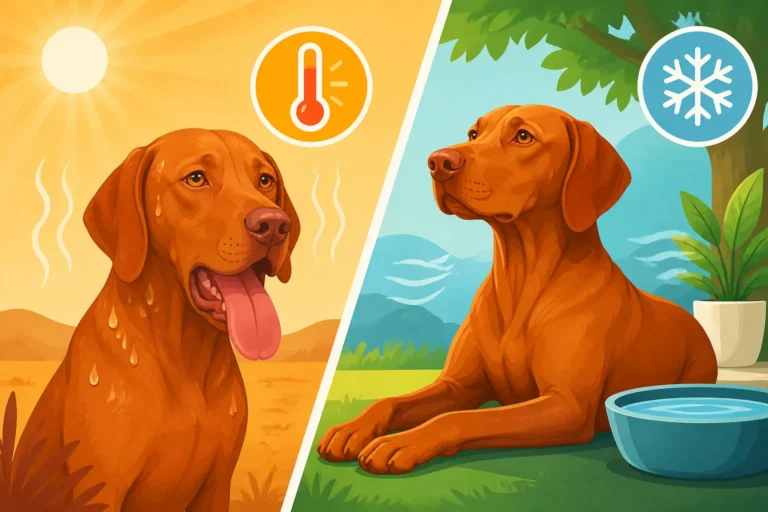
The Vizsla's single, thin coat offers minimal protection against the elements, making them vulnerable to both cold and heat.
- Cold Weather: In freezing temperatures, their skin is susceptible to chapping, cracking, and even frostbite, particularly on exposed areas like ear tips, paw pads, and tails. When the mercury drops, a dog coat or sweater is not just a fashion statement; it's a necessity for insulation. After walks on icy or salted pavements, paw pads should be rinsed and checked carefully, as road salt can be irritating. Reading The Cold a Vizsla Genuinely Cannot Handle offers more insights into managing winter conditions.
- Hot Weather and Sun: Conversely, their short, light-colored coat provides little defense against the sun's harsh UV rays. Just like humans, Vizslas can get sunburned, especially on their noses, ear tips, and sparsely haired areas of their belly and inner thighs. Sunburn can lead to painful skin, peeling, and increases the risk of skin cancer over time. On sunny days, consider dog-safe sunscreen for exposed areas, especially if your Vizsla spends extended time outdoors. Try to avoid strenuous activity during the hottest parts of the day to prevent overheating, which can also stress the skin. You might find useful products for warm weather care on Amazon.
Allergens and Irritants: Plants, Chemicals
The natural world is full of potential irritants for sensitive Vizsla skin.
- Plant Allergens: Pollen from grasses, trees, and weeds can cause allergic reactions, leading to itchy skin, redness, and paw licking. Certain plants, like poison ivy or stinging nettles, can cause direct contact dermatitis. After walks through unknown foliage, a quick rinse or wipe-down can remove lingering irritants.
- Household and Lawn Chemicals: Be mindful of household cleaning products, detergents, and especially lawn chemicals. Many pesticides, herbicides, and fertilizers used on lawns and gardens can be highly irritating or even toxic if your Vizsla walks on them and then licks their paws. Always follow dilution instructions for cleaning products and keep your Vizsla off recently treated lawns. Choosing pet-safe alternatives for your own yard care is a smart move.
Parasite Prevention: Fleas, Ticks, and Mites
Parasites are not just nuisances; their bites can cause severe skin irritation, leading to scratching, biting, and secondary infections, especially on delicate Vizsla skin.
- Fleas: A single flea bite can trigger an intense allergic reaction in sensitive dogs, known as Flea Allergy Dermatitis (FAD). This can cause widespread itching, redness, and hair loss. Consistent, year-round flea prevention is crucial.
- Ticks: Ticks not only transmit diseases but their bites can also cause localized irritation, swelling, and sometimes lead to infections. Always check your Vizsla thoroughly after spending time in grassy or wooded areas, paying close attention to "hidden" spots like inside ears, between toes, and in skin folds.
- Mites: Mites, such as sarcoptic mange mites or demodectic mites, can cause intense itching, hair loss, and severe skin lesions that require specific veterinary treatment.
Discuss with your vet the best year-round parasite prevention strategy for your Vizsla, whether it's oral medication, topical treatments, or a combination. Preventing these tiny pests is a huge step in protecting your Vizsla's vulnerable skin.
Disclaimer
This article is for general informational purposes only and does not constitute professional advice. Laws, prices and regulations vary by location and change over time. Consult a qualified professional for guidance on your specific situation.