Whether a Vizsla Handles a Hot Summer
Oh, the summer! While we humans are often dreaming of long, sunny days and maybe a dip in the pool, for Vizsla owners, the rising temperatures can bring a whole new layer of worry. Many of us fret, "Will my energetic Vizsla actually handle this heat without overdoing it?" It's a valid concern, especially with their lean build and short coats. This guide is here to tackle that very question, offering a realistic look at how Vizslas cope with summer and how you can keep your beloved companion safe and comfortable when the mercury climbs.
Understanding the Vizsla's Unique Heat Challenges
Vizslas are magnificent dogs, renowned for their boundless energy and their stunning, sleek coats. But these very characteristics, while making them incredible companions and athletes, also present particular challenges when it comes to dealing with hot summer weather. It's not just about turning on the AC; it's about understanding their physiology and inherent drives.
The Single Coat Conundrum
When you look at a Vizsla, you see that gorgeous, short, golden-rust coat. It's truly a thing of beauty, soft to the touch, and famously low-shedding compared to many other breeds. However, this single-layer coat is a double-edged sword when it comes to temperature regulation. Unlike breeds with thick double coats, like a German Shepherd or a Husky, a Vizsla simply doesn't have that insulating layer to protect them from either extreme cold or intense heat.
On the one hand, a single coat can be a blessing because it dries quickly if your Vizsla decides to take an impromptu swim or gets caught in a summer shower. There's no dense undercoat to hold moisture against their skin for hours. But on the other hand, it means they have very little natural insulation against the sun's direct rays. It feels like they have no protection at all, doesn't it? You might see your Vizsla baking in a sunny spot, seemingly oblivious, and that's exactly where the danger lies. Their skin is quite exposed, making them prone to sunburn and absorbing heat rapidly. This is why understanding The Single Coat a Vizsla Has and Why It Changes Everything is so crucial, as it impacts nearly every aspect of their care, including how they handle summer.
High Energy, High Risk
If there's one thing every Vizsla owner knows, it's that these dogs are perpetually "on." They are canine athletes, bred for endurance and a relentless desire to work. This innate drive, while admirable, can be a serious liability in hot weather. Your Vizsla wants to run, to hunt, to retrieve, to play, even when their body is screaming for a break. Their enthusiasm often overrides any sense of self-preservation, which means it's entirely up to us, their human companions, to make smart decisions for them.
Imagine being out in the field with your Vizsla. The sun is beaming down, and you’re trying to keep up as they quarter the field with incredible speed and agility. They’re running, jumping, and pointing, using every muscle in their body. In that moment, they're not thinking about the ambient temperature or how much effort they're expending; they're focused on the task, on the fun. This intense, sustained activity in hot conditions dramatically increases their core body temperature, putting them at a significant risk for exercise-induced heatstroke. It's a terrifying thought, but a very real one. You might worry about The Exercise a Vizsla Needs Every Day and how to balance it with safety, and rightly so. That's why managing their energy and environment becomes paramount in the summer months.
Recognizing the Signs of Overheating and Heatstroke
One of the biggest anxieties for any Vizsla owner during summer is the fear of their dog overheating. It’s so important to be able to tell the difference between a dog that’s just warm after a good run and one that’s truly in distress. Vizslas, being the stoic, eager-to-please dogs they are, can sometimes try to push through discomfort, making it even more challenging to spot trouble early.
Subtle Early Warning Signs
Before full-blown heatstroke sets in, your Vizsla will likely show some more subtle signs that they're getting too hot. These are your cues to intervene immediately, rather than waiting for things to escalate. Pay close attention to:
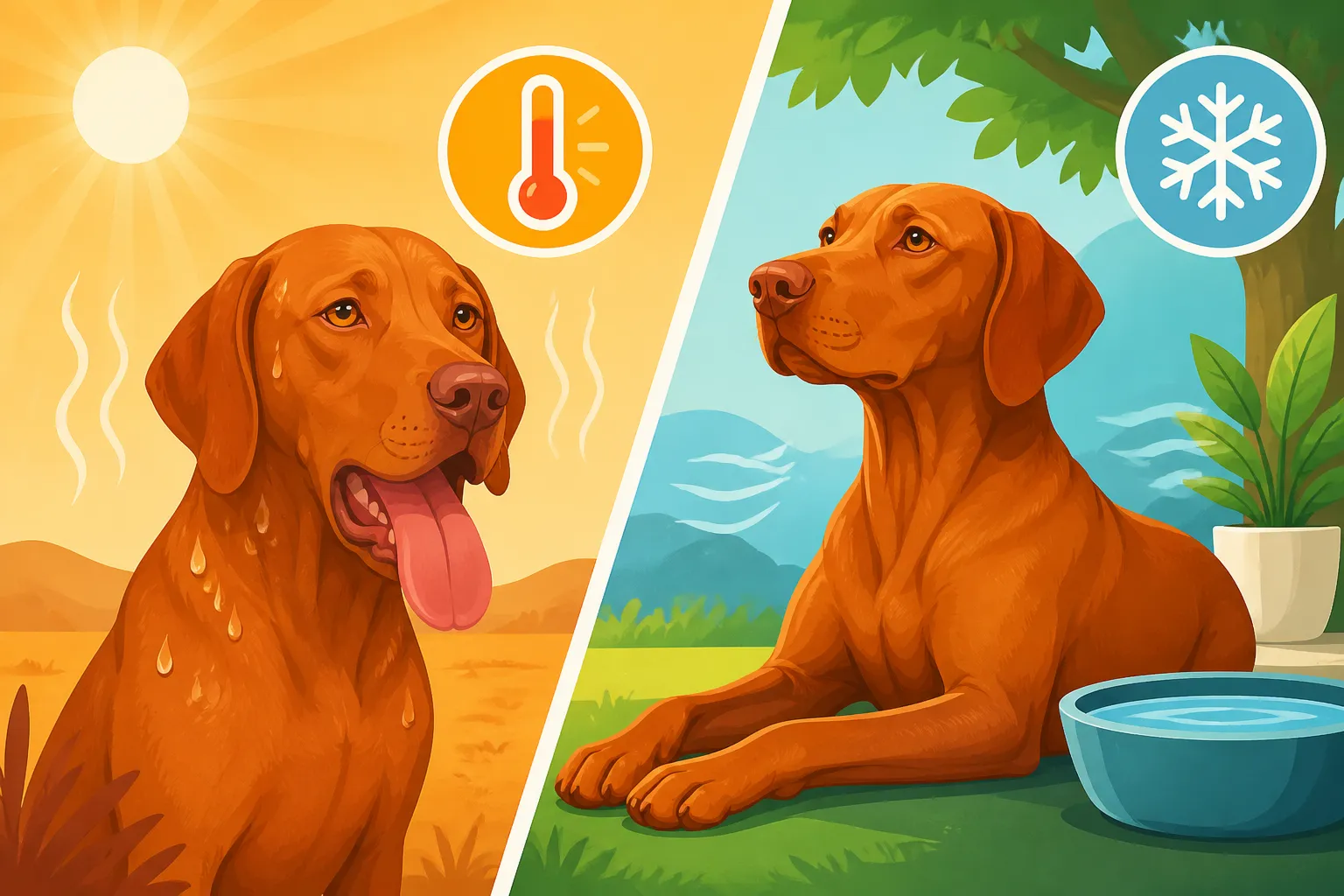
- Excessive Panting: Yes, all dogs pant when they're hot, but look for panting that is rapid, heavy, and sustained, even when they're resting. It might sound more strained than usual.
- Darker Gums and Tongue: A healthy Vizsla's gums should be a nice bubblegum pink. If they start to look darker, perhaps brick red or even purplish, and feel dry or sticky, it's a significant warning sign. Their tongue might also look abnormally dark.
- Increased Drooling: While some drooling is normal for an active dog, overheating can cause thicker, ropier saliva. It might accumulate around their mouth and chest.
- Behavioral Changes: Is your usually boisterous Vizsla suddenly seeking out every patch of shade? Are they reluctant to continue walking or playing, or moving at a much slower, more lethargic pace? Do they seem generally "off" or disoriented? These are all clear indicators that they're feeling the heat.
It’s about knowing your dog's normal. You know their quirks and their usual energy levels. Any deviation from that, especially on a warm day, should raise a red flag. Trust your gut if something feels wrong. For a deeper dive into these indicators, you can look at Signs a Vizsla Is Overheating.
Critical Symptoms and Emergency Action
If the early warning signs are missed or ignored, a Vizsla can quickly progress to full-blown heatstroke, which is a life-threatening emergency. At this stage, minutes count, and immediate action is crucial.
Critical symptoms include:
- Vomiting and Diarrhea: This can be a sign of organ damage as the body struggles to cope with the extreme temperature.
- Stumbling, Weakness, or Collapse: The central nervous system starts to be affected, leading to loss of coordination. Your Vizsla might look drunk or simply give up and fall over.
- Seizures: Uncontrolled muscle contractions are a severe neurological symptom.
- Glazed Eyes and Unconsciousness: Their eyes might appear unfocused, and they could become unresponsive.
If you see any of these critical symptoms, you need to act fast. Get your Vizsla out of the sun and into the coolest environment possible immediately – shade, air-conditioned car, anything. Begin actively cooling them with cool (not ice cold) water. Soak towels and place them on their armpits, groin, and neck. You can also hose them down if available, focusing on wetting their entire body, especially their belly and inner thighs. Crucially, get them to an emergency veterinary clinic without delay. Don't wait to see if they improve at home; irreversible damage can occur very rapidly. I've heard heartbreaking stories from friends who thought they had a little more time, only to regret it deeply. Speedy intervention is literally the difference between life and death.
Proactive Strategies for Keeping Your Vizsla Cool
Knowing the risks and recognizing the signs of trouble is vital, but the best approach to summer with a Vizsla is always proactive prevention. With a little planning and adjustment, you can ensure your companion enjoys the warmer months safely.
Adjusting Exercise Routines
Your Vizsla still needs exercise – that's non-negotiable for their physical and mental health. But how and when they get it needs a serious rethink when temperatures rise.
- Timing is Everything: The golden rule of summer exercise for a Vizsla is to avoid the hottest parts of the day. This usually means very early mornings, just as the sun is coming up, or late evenings after the sun has dipped below the horizon and the pavement has cooled down. Even a seemingly mild afternoon can be deceptively hot, especially on their paws. Whether a Vizsla Should Run at Midday is a resounding no, no matter how much they beg!
- Intensity and Duration: Instead of a long, high-intensity run in the park, opt for shorter, more frequent walks or less strenuous activities. A brisk walk on a shaded trail is better than a flat-out sprint across an open field. Focus on mental stimulation during the day with puzzle toys or training sessions indoors, which can be surprisingly tiring for them.
- Water Activities: This is where Vizslas often shine and can get fantastic exercise without overheating. If your Vizsla loves water, swimming in a lake, a dog-friendly beach, or even playing in a kiddie pool in your backyard can be a lifesaver. Just ensure the water is clean and safe, and always supervise them. You'll find many Vizslas are natural swimmers and absolutely adore it, but if yours is hesitant, you might find tips in Whether a Vizsla Swims Willingly. After any water play, remember to thoroughly dry their ears to prevent infections, as their floppy ears can trap moisture.
For those times when they still need to be out and about, especially during walks, a cooling mat or an elevated bed from places like Chewy can be a great way to give them a cool spot to rest afterwards.
Hydration is Key
Water, water, water! It sounds obvious, but you'd be surprised how easily hydration can be overlooked.
- Constant Availability: Always have fresh, clean water available in multiple bowls around the house. Consider a water fountain if your Vizsla enjoys drinking from moving water.
- On the Go: Invest in a good portable water bottle with an attached dispenser for walks, hikes, and car rides. Never assume there will be a water source where you're going.
- Ice, Ice, Baby: Adding ice cubes to their water bowl can make it more appealing and help cool them down from the inside out. You can also make "pupsicles" by freezing diluted broth or pureed fruit in ice cube trays for a refreshing, hydrating treat.
- Electrolytes for the Super Active: If your Vizsla is truly a high-performance athlete and engaging in demanding activities in warmer weather (which should be limited, as discussed), you might discuss canine-specific electrolyte supplements with your vet. Just like human athletes, they can lose essential minerals through sweat (though dogs don't sweat like humans, they still lose electrolytes through panting).
Creating a Cool Environment
Where your Vizsla spends their time indoors and out can make a huge difference in their ability to cope with heat.
- Indoor Comfort: On hot days, your Vizsla should have access to air conditioning or at least strong fans. Consider where they naturally seek out cool spots – often on tile floors or near vents.
- Cooling Gear: A cooling vest can be incredibly helpful for Vizslas, especially if they must be out in warmer temperatures for short periods. These vests typically use evaporative cooling to draw heat away from the dog's body. You can find excellent options on Amazon or at specialized pet stores. Whether a Cooling Vest Suits a Vizsla can help you decide if it's right for your dog.
- Outdoor Shade: If your Vizsla spends any time outdoors, ensure they have ample access to dense shade. A tree is better than an open-sided gazebo, which can trap heat.
- Never, Ever a Parked Car: This is the most critical rule. The temperature inside a parked car, even on a seemingly mild day with the windows cracked, can skyrocket to deadly levels in a matter of minutes. Leaving your Vizsla in a car, even for "just a minute," is an absolute recipe for disaster and can lead to irreversible brain damage or death. It's simply not worth the risk.
Nutrition and General Care in Summer
Beyond exercise and environmental control, what you feed your Vizsla and how you generally care for their body also play a significant role in their summer comfort and safety. It's about a holistic approach to their well-being.
Supporting Health Through Diet
A healthy diet supports overall health, which in turn helps your Vizsla cope better with environmental stressors like heat.
- Maintaining a Healthy Weight: This is paramount. An overweight Vizsla will struggle far more in the heat than one maintained at a lean, athletic weight. Excess fat acts as an insulating layer, trapping heat, and puts extra strain on their heart and lungs. You should typically be able to see a hint of their last two ribs and feel their spine and hip bones easily, but without them protruding sharply. If you're struggling to keep weight on a highly active Vizsla, especially during hunting season, Keeping Weight On a Working Vizsla offers great advice that can also apply to summer activity levels.
- Hydrating Foods: While kibble is a staple for many, consider incorporating more hydrating fresh foods into their diet during summer. Things like cooked lean meats, plain yogurt, and certain fruits and vegetables (cucumber, watermelon – seedless and rind-free) can add moisture. Services like Ollie deliver fresh, human-grade dog food that naturally has a higher moisture content, which can be a beneficial addition, especially if your Vizsla is prone to getting a bit dehydrated.
- Timing Meals: Avoid feeding large meals right before intense exercise, especially in warm weather. Digestion diverts blood flow to the stomach, which can compete with the body's need to cool itself down through peripheral blood flow. Smaller, more frequent meals might be an option, or simply timing their main meal for when they're settled and cool.
Protecting Skin and Paws
A Vizsla's thin skin and exposed paw pads are vulnerable spots in the summer sun.
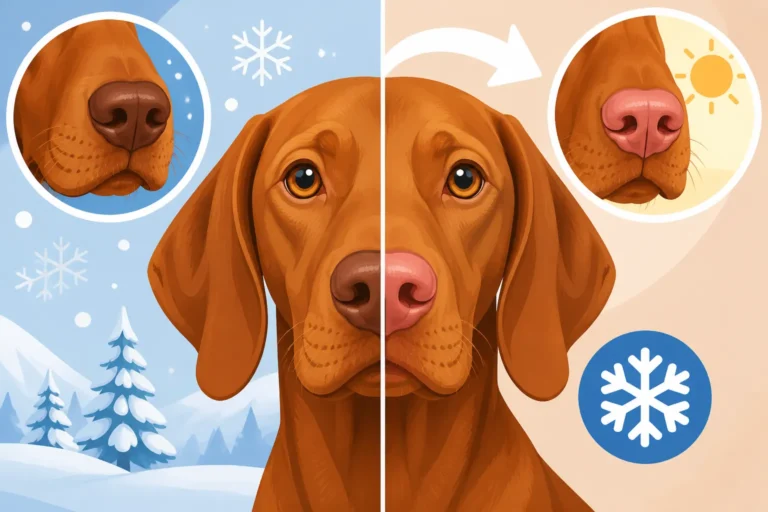
- Sunscreen for Sensitive Areas: That beautiful, distinctive Vizsla nose, especially if it's a pale liver color, is very susceptible to sunburn. So are areas with sparse hair, like the belly or inside of the ears. Just like us, prolonged sun exposure can lead to painful burns and increase the risk of skin cancer. Look for pet-safe sunscreens, ideally recommended by your vet. Sunburn and the Pale Vizsla Nose delves deeper into this often-overlooked issue.
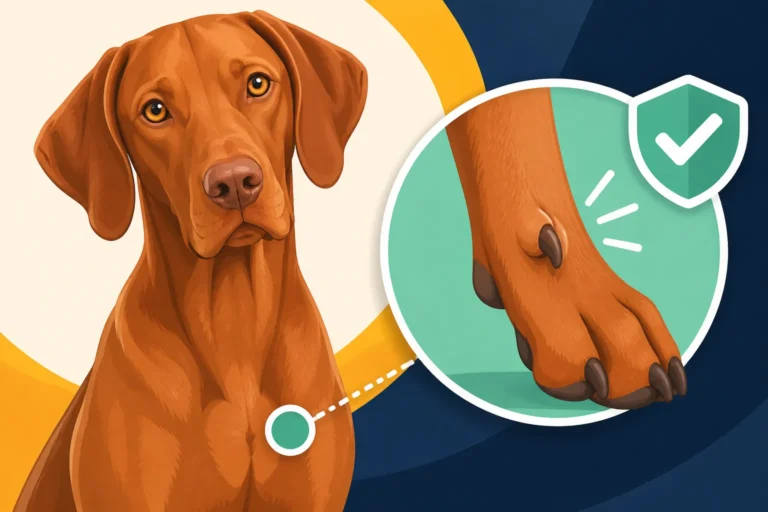
- Paw Pad Protection: Hot pavement, asphalt, sand, or even dark-colored artificial turf can reach scorching temperatures that will quickly burn your Vizsla's paw pads. If it's too hot for your bare hand or foot to comfortably rest on for more than five seconds, it's too hot for their paws. Stick to grassy areas, shaded trails, or walk during cooler parts of the day. If you must walk on potentially hot surfaces, consider protective dog boots. For general paw health and conditioning for hot surfaces (or cold ones!), Whether a Vizsla Needs Paw Wax can offer some good preventative advice. Regularly check their paw pads for redness, blistering, or tenderness after walks.
- Grooming for Summer: Resist the urge to shave your Vizsla's coat, even though it's short. Their single coat, while thin, still offers some protection against sunburn and helps with air circulation close to the skin. Shaving it off can actually expose them to more harm from UV rays and can sometimes lead to coat regrowth issues. A simple brush down with a rubber curry mitt to remove loose hair and stimulate the skin is usually all that's needed.
| Symptom Category | Normal Warm Weather Behavior | Signs of Overheating / Heat Exhaustion | Critical Signs of Heatstroke (Emergency!) |
|---|---|---|---|
| Panting | Moderate, rhythmic, eases with rest | Rapid, heavy, persistent even at rest, strained | Extremely rapid, shallow, struggling, noisy |
| Saliva | Normal amount, clear | Increased drooling, thick, ropy saliva | Excessive, thick, bloody, foam at mouth |
| Gums | Pink, moist | Darker pink to red, sometimes sticky, dry | Bright red, purple, gray, or blue; very dry/sticky |
| Behavior | Happy, playful, may seek shade but still active | Lethargic, seeking shade intensely, slower movement | Stumbling, disorientation, collapse, seizures, coma |
| Energy | Enthusiastic, responsive | Reluctant to move, tired, uninterested in play | Unable to stand, unresponsive, uncoordinated |
| Body Temp | Feels warm to touch | Very hot to touch, possibly warm to touch | Extremely hot, feverish |
| Other | Drinks water normally | May drink excessively, or refuse to drink | Vomiting, diarrhea (possibly bloody) |
This table is a simple tool, but your best asset is always your intuition about your own dog. If you are ever in doubt, err on the side of caution and consult your veterinarian immediately. It truly is better to be safe than sorry when it comes to heat and your beloved Vizsla.
Disclaimer
This article is for general informational purposes only and does not constitute professional advice. Laws, prices and regulations vary by location and change over time. Consult a qualified professional for guidance on your specific situation.