Whether a Cooling Vest Suits a Vizsla
The summer months can bring a unique challenge for those of us who share our lives with a high-energy Vizsla. You want your rusty marvel to enjoy their walks, training, or even just some backyard play, but the worry of them overheating is always lurking in the back of your mind. Their boundless enthusiasm often means they'll push themselves even when it's getting too warm, and their sleek, single coat offers little protection from the sun's intensity. This guide will dive deep into whether a cooling vest is a practical and beneficial tool to help your Vizsla stay comfortable and safe when the temperatures rise.
Understanding Why Vizslas Overheat
It’s no secret that Vizslas are built for action. They are the definition of an energetic companion, always ready for the next adventure. But this incredible drive, combined with their unique physical characteristics, can put them at a higher risk for overheating compared to some other breeds. It’s a common frustration for owners who just want their dogs to be comfortable and safe, especially when the mercury climbs.
The Vizsla's Unique Coat and Metabolism
Vizslas possess that striking, short, dense, and truly magnificent single coat – no undercoat here, which makes them stand apart from many sporting breeds. While this lack of an undercoat is fantastic for quick drying after a swim or for preventing burrs from clinging too tightly when they're The Single Coat a Vizsla Has and Why It Changes Everything, it also means they have less insulation against both cold and intense heat. Think about it: that thin layer is wonderful for allowing heat to dissipate from their bodies in cool working conditions, but in direct sun or high ambient temperatures, it doesn't offer much protection.
Beyond their coat, a Vizsla's metabolism is like a finely tuned engine running on high octane fuel. They're constantly generating body heat through sheer activity. Even a casual stroll can turn into a rigorous workout for a Vizsla if they're scenting something interesting or trying to keep up with their human. This constant internal furnace means they're always working to regulate their temperature, and adding external heat from the sun or a warm environment can quickly push them past their comfortable limits. They are truly athletes, and like any athlete, they generate a lot of heat when they're in motion.
Recognizing Signs of Overheating in a Vizsla
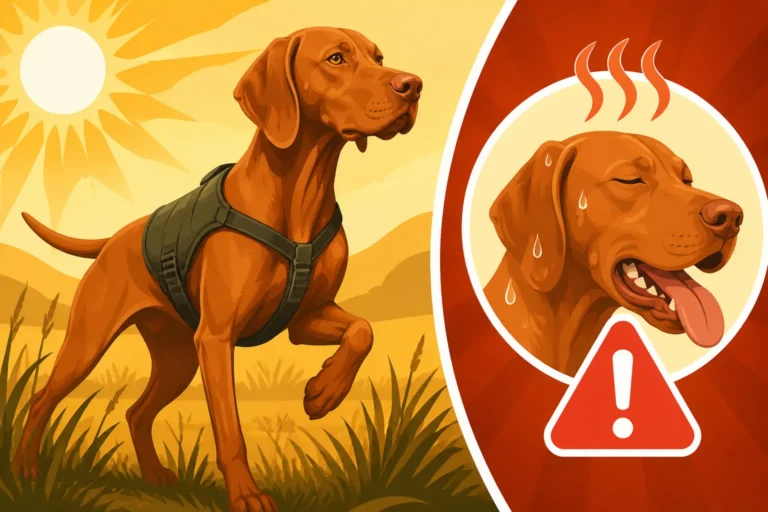
Spotting the subtle hints that your Vizsla is getting too hot is absolutely critical. It's not always obvious until it's becoming a serious issue, and by then, you're in an emergency. The first sign you'll likely notice is excessive panting – more rapid, deeper, or louder than their usual happy pant after a good run. Their gums might turn a brighter, almost cherry-red color, indicating increased blood flow as their body tries to cool itself.
As overheating progresses, you might observe lethargy, a general slowing down, or a reluctance to move, even from a dog who usually has an inexhaustible battery. They might seek out any patch of shade, even a tiny one, and sprawl out, trying to get cool. More severe signs include stumbling, disorientation, heavy drooling, vomiting, or diarrhea. This is a medical emergency, and you need to act fast. Vizslas, with their lean build, don't have layers of fat to insulate them, which helps them shed heat during activity but doesn't prevent them from overheating if they push too hard or are in too hot an environment. Understanding Signs a Vizsla Is Overheating is paramount for every owner.
How Cooling Vests Work and Their Different Types
You've identified the problem, now what about the solution? Cooling vests aren't just a gimmick; they use some smart science to help your dog regulate their body temperature. But not all vests are created equal, and understanding the differences can help you make the best choice for your particular Vizsla and climate. It’s all about finding that balance between effective cooling and practical use.
The Science Behind Cooling Vests for Dogs
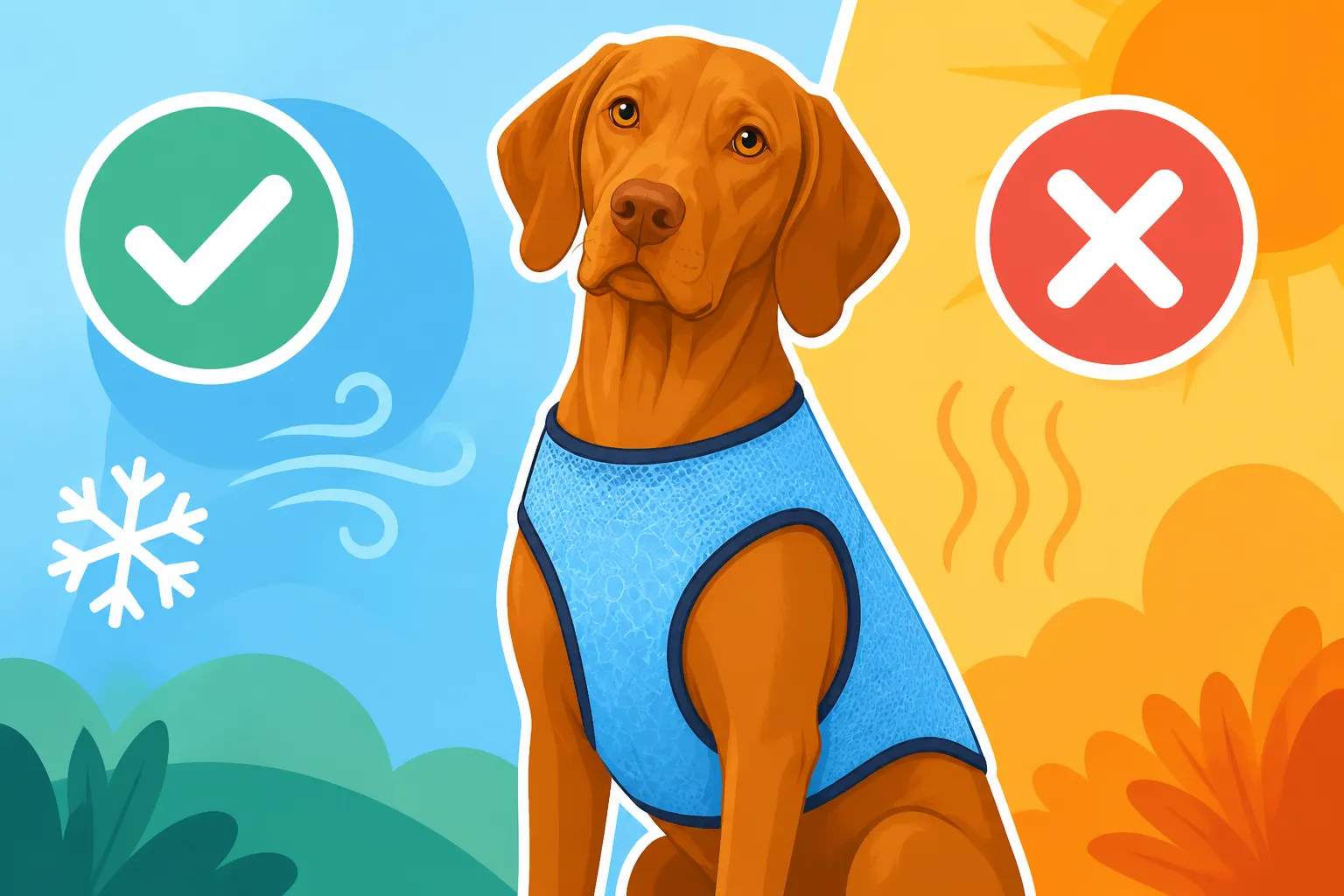
The primary mechanism behind most popular cooling vests is evaporative cooling. This is the same principle your own body uses when you sweat. You soak the vest in water, wring out the excess, and as the water slowly evaporates from the vest's surface, it draws heat away from your Vizsla's body. It's quite effective, especially in drier climates where evaporation happens more readily. The vest acts like a second skin, creating a cooler microclimate around your dog.
Then there are vests that use phase-change materials, often in the form of gel packs or special beads. These materials are designed to freeze or solidify at a specific temperature (usually higher than water's freezing point, around 50-60°F or 10-15°C) and then absorb heat as they slowly melt or return to a liquid state. The advantage here is that they provide a more consistent, longer-lasting chill without making your dog wet, and they can be more effective in humid environments where evaporative cooling is less efficient. However, they can be heavier and require freezing or chilling the packs beforehand, which isn't always convenient when you're out and about.
| Feature | Evaporative Cooling Vest | Phase-Change Cooling Vest |
|---|---|---|
| Cooling Method | Water evaporation pulls heat from body | Gels/packs absorb heat as they melt |
| Activation | Soak in water, wring out | Freeze or chill packs |
| Best For | Dry climates, moderate activity | Humid climates, more intense cooling |
| Duration | Varies with temperature/humidity; needs re-soak | More consistent, longer-lasting |
| Feel | Damp/wet against coat | Dry, but can feel heavy |
| Re-cooling | Re-soak with water | Re-freeze/chill packs |
| Weight | Generally lighter when soaked | Can be heavier due to gel packs |
Different Styles of Cooling Vests and Their Features
Cooling vests come in a surprising array of styles, each with slightly different features to suit various needs. Most commonly, you'll find vests that are designed to cover a significant portion of your Vizsla's back and chest. These maximize the surface area for cooling, targeting the largest parts of their body where heat tends to build up. Look for designs that are cut high enough around the shoulders to allow for a full range of motion, which is essential for a Vizsla who never stops moving.
Other options include lighter bandanas or neck wraps that focus on cooling the neck and major arteries, which can be effective for a quick cool-down or for dogs who might not tolerate a full vest. Materials vary widely too; many evaporative vests use a multi-layer fabric system with an absorbent inner layer, a middle layer to hold water, and a reflective outer layer to bounce away sunlight. Phase-change vests will typically have pockets for their gel inserts. When you're browsing sites like Amazon, you'll see a vast selection, from simple lightweight mesh designs to more robust, structured options with reflective panels and integrated leash attachments. The goal is always the same: to provide relief from the heat without impeding your Vizsla's natural athleticism.
When a Cooling Vest Is (and Isn't) a Good Fit for Your Vizsla
While cooling vests can be a fantastic tool, they're not a magic bullet, nor are they appropriate for every situation. It's crucial to understand their role as part of a broader heat management strategy for your Vizsla. Thinking a vest will solve all your problems is like thinking one piece of gear will turn you into a champion athlete—it helps, but it’s not the whole story.
Ideal Scenarios for Using a Cooling Vest
A cooling vest truly shines in certain circumstances. If you're planning a long hike or an extended walk on a warm but not scorching day, especially if you're in an area with limited shade, a cooling vest can make a significant difference in your Vizsla's comfort and safety. It can help prevent them from overheating before it becomes an issue. For an older Vizsla, or one with a health condition that makes them more sensitive to heat, like a compromised immune system or a heart murmur, a vest can provide much-needed support, allowing them to enjoy their usual routine without as much risk. This can be particularly true for Caring for an Old Vizsla That Has Stopped Hunting who still wants to be out and about.
They're also useful for brief periods of waiting in a warm car (always with proper ventilation, and never leaving your dog unattended!), or during moderate training sessions when the ambient temperature is higher than ideal. If you live in a dry climate, an evaporative vest will be highly effective, as the water will evaporate quickly, drawing heat away. It's an extra layer of protection, a thoughtful addition to your dog's gear that helps them continue to do what they love, comfortably. Remember, a Vizsla's incredible drive means they'll often keep going long after they should have stopped, so we, as their guardians, need to provide those safeguards.
Limitations and Alternatives to Cooling Vests
It's vital to stress that a cooling vest is a supplemental tool, not a replacement for common-sense heat management. You cannot simply put a vest on your Vizsla and expect them to be impervious to heatstroke. Ignoring basic precautions, like avoiding strenuous activity during the hottest parts of the day, ensuring constant access to fresh, cool water, and seeking shade, is dangerous. A vest might delay overheating, but it won't prevent it indefinitely. If you're asking Whether a Vizsla Handles a Hot Summer, the answer is "with great care and caution."
In extreme heat, or during highly strenuous activity, even the best cooling vest might not be enough. Imagine trying to run a marathon in a winter coat with a cooling towel draped over you – it's just not going to cut it in peak summer. Vests can also have downsides: an ill-fitting vest can restrict movement or cause chafing, and a heavy phase-change vest might be cumbersome for some dogs. Evaporative vests need frequent re-soaking, which isn't always convenient, and they can be less effective in very high humidity because the water can't evaporate as efficiently.
Beyond vests, there are many other ways to keep your Vizsla cool. Consider portable battery-operated fans for crates or during breaks, cooling mats they can lie on, or even a kiddie pool for a splash (many Vizslas love water!). Frozen Kongs or ice cubes in their water bowl can offer internal cooling. The key is a multi-faceted approach, always prioritizing their safety over any activity, especially when considering Whether a Vizsla Overheats Working in Heat.
Choosing and Maintaining a Cooling Vest for Your Vizsla
So, you've decided a cooling vest might be a good addition to your Vizsla's summer arsenal. Excellent! But with so many options out there, how do you pick the right one? And once you have it, how do you ensure it stays effective and lasts for many seasons of adventure? It's about making an informed choice and then taking good care of your investment.
Key Considerations When Selecting a Vest
First and foremost, fit is absolutely crucial. A cooling vest that's too tight will restrict your Vizsla's movement and cause chafing, leading to discomfort and potential skin issues. One that's too loose won't make adequate contact with their body to transfer heat efficiently. Always measure your Vizsla's chest circumference and back length carefully, and consult the manufacturer's sizing charts. Remember, your Vizsla needs to run, point, and retrieve unimpeded, so ensuring freedom of movement around their shoulders and legs is paramount.
Next, consider the type of cooling technology that best suits your climate and activity level. If you live in a dry region and primarily need help for general outdoor activities, an evaporative vest is often a great, lightweight choice. For those in humid areas, or if you need longer-lasting, more consistent cooling, a phase-change vest might be more effective, despite the added weight and preparation time. Look for material and durability; a Vizsla is an active dog, and their gear needs to stand up to brambles, water, and vigorous play. Reinforced stitching and tear-resistant fabrics are your friends. Finally, think about visibility. Many vests come in bright colors or include reflective strips, which is an excellent bonus for safety, especially if you're out near roads or in low-light conditions early in the morning or late evening. For a wide range of choices, comparing options on platforms like Chewy can give you a good idea of what’s available.
Best Practices for Using and Maintaining Your Cooling Vest
Once you've chosen a vest, proper use and maintenance will ensure its longevity and effectiveness. Proper activation is key. For evaporative vests, this means thoroughly soaking it in cool water and then wringing it out until it’s damp, not dripping. For phase-change vests, ensure the gel packs are fully chilled or frozen according to the manufacturer's instructions before inserting them. Don't rush this step, as proper activation ensures maximum cooling power.
Regular monitoring of your Vizsla is non-negotiable when they're wearing the vest. Check their skin underneath the vest periodically to ensure there are no signs of chafing or irritation, and always keep an eye on their overall demeanor for any What a Vizsla Needs Every Day or signs of overheating. They're still dogs, and a vest is an aid, not a guarantee. You'll also need to re-activate the vest as it dries out or as the gel packs warm up, which means carrying extra water or spare chilled packs if you're out for an extended period.
Finally, cleaning and storage are important. After each use, rinse the vest thoroughly to remove dirt, sweat, and any outdoor debris. Allow it to air dry completely before storing to prevent mildew and odors, especially with evaporative vests. Proper care ensures your vest is ready for your next adventure and helps it last through many seasons of keeping your beloved Vizsla cool and comfortable.
Disclaimer
This article is for general informational purposes only and does not constitute professional advice. Laws, prices and regulations vary by location and change over time. Consult a qualified professional for guidance on your specific situation.