Whether a Vizsla Should Run at Midday
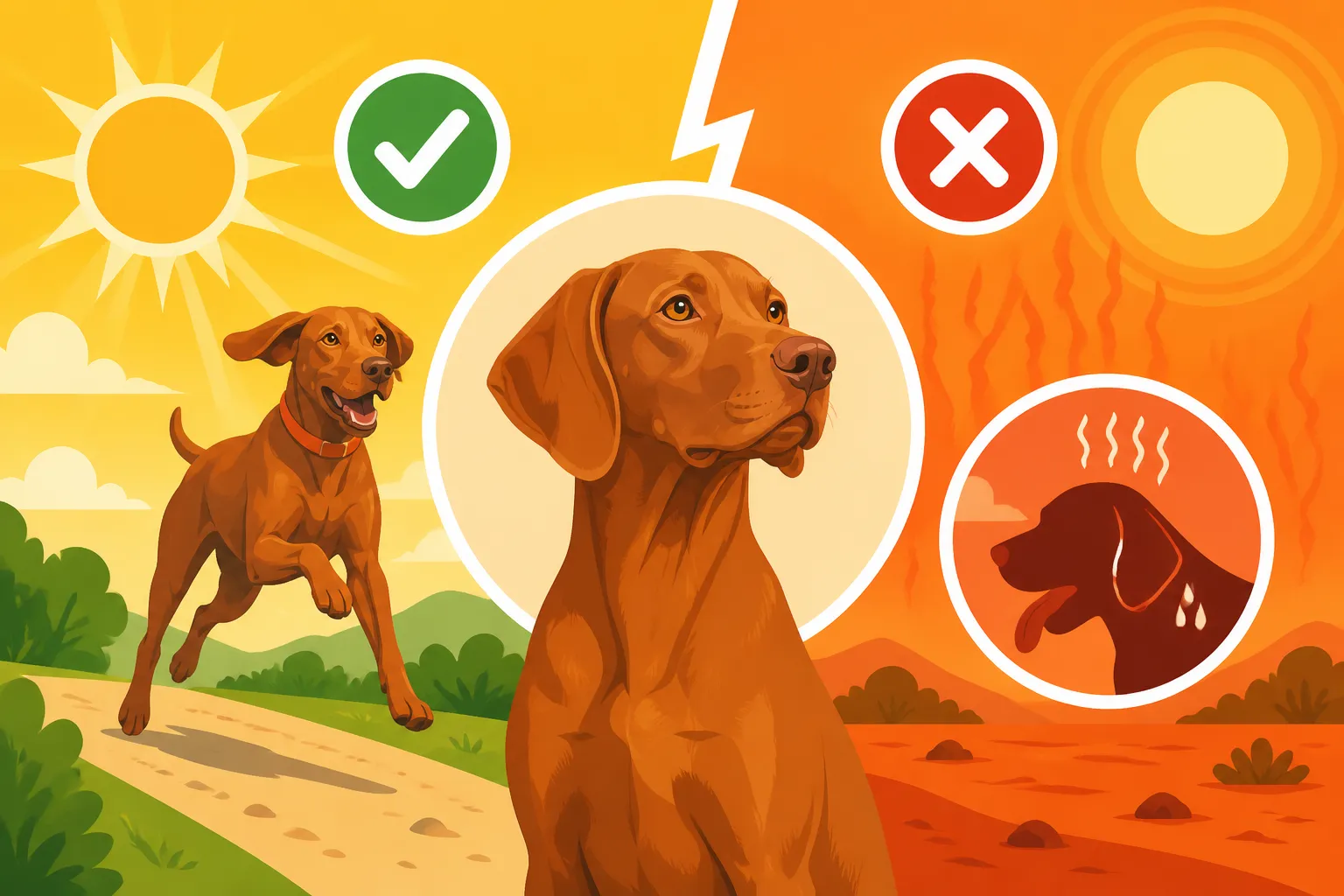
It's a common dilemma for Vizsla owners: you've got a busy day ahead, and the only slot for that much-needed run for your high-energy companion seems to be right in the middle of it. We all want to provide our Vizslas with the exercise they crave, but the thought of them out in the midday sun can spark real concern, and rightly so. This guide is here to walk you through the very real risks of midday exercise for your Vizsla and offer practical advice on how to keep them safe and well-exercised, no matter the season.
Understanding Your Vizsla's Unique Physiology and Heat Sensitivity
Vizslas are incredible athletes, built for speed, stamina, and working tirelessly in the field. But their unique physical characteristics, while advantageous in some ways, also make them particularly susceptible to overheating, especially when exercising during the warmer parts of the day.
The Vizsla's Single Coat and Lack of Undercoat
One of the first things you notice about a Vizsla is that sleek, short, glorious golden-rust coat. It's beautiful, undeniably eye-catching, and famously low-shedding compared to many breeds. However, this single layer of fine hair means they lack the insulating undercoat that many other dog breeds possess. For a Vizsla, this translates to less protection against both extreme cold and intense heat. In winter, they feel the chill very quickly, but in summer, that thin coat does little to shield them from the sun's powerful rays, and it certainly doesn't help them dissipate heat effectively during exertion. They're just not built for prolonged exposure or strenuous activity when the sun is beating down. The Single Coat a Vizsla Has and Why It Changes Everything
Imagine wearing a thin shirt on a scorching hot day versus a heavy wool sweater. The Vizsla's coat is more like that thin shirt – it offers some sun protection, but it won't prevent them from getting too hot if they're running hard and the air temperature is high. This physical trait, while making them easy to groom and less "doggy smelling," is a critical factor in understanding their heat tolerance.
How Vizslas Regulate Body Temperature
Dogs don't sweat all over their bodies like humans do. Their primary way of cooling down is through panting. As they pant, moisture evaporates from their tongue, mouth, and respiratory tract, which helps to cool their blood. They also have sweat glands in their paw pads, but these play a minimal role in overall temperature regulation.
For a Vizsla, who is driven to run and work, this panting mechanism can quickly become overwhelmed when exercising intensely in warm or humid conditions. If the air is already hot and humid, the evaporative cooling process becomes much less efficient. Think of trying to dry clothes on a muggy day – it takes forever because the air is already saturated with moisture. The same applies to your Vizsla. If they can't effectively pant away the heat they're generating, their body temperature will rise rapidly, leading to dangerous consequences. Their innate desire to please and their high prey drive can often push them to continue working even when their bodies are screaming for a break, making owner vigilance absolutely essential.
Signs of Overheating in a Vizsla
Recognizing the early signs of overheating is crucial because heatstroke can escalate with terrifying speed in a Vizsla. You need to be acutely aware of their behavior and physical state, especially if you're out and about during warmer weather.
Initially, you might notice your Vizsla panting more heavily than usual, perhaps with their tongue lolling out excessively. Their gums might become a brighter red than normal, and they might start drooling heavily, sometimes producing thick, ropy saliva. As they continue to overheat, you might see them slowing down, appearing lethargic, or showing signs of discomfort and reluctance to continue. They might seek shade more aggressively or try to lie down. If things progress further, you could see wobbliness, stumbling, confusion, vomiting, or even diarrhea. At this point, it's an emergency. Their body temperature is dangerously high, and organ damage is likely occurring. Always remember, a Vizsla's drive to hunt and run can sometimes override their instinct to stop, so it's your responsibility to monitor them constantly. Signs a Vizsla Is Overheating
The Dangers of Midday Exercise for a Vizsla
Midday exercise isn't just a bit uncomfortable for your Vizsla; it can be genuinely life-threatening. The combination of peak temperatures, ground heat, and your Vizsla's boundless energy creates a perfect storm for serious health issues.
The Peak Heat of the Day
The sun is typically at its strongest between 10 AM and 4 PM. This isn't just about the air temperature; it's about the sun's intensity and how various surfaces absorb and radiate heat. While the air temperature might be 80°F, asphalt or concrete can easily reach temperatures of 120-140°F or even higher. Imagine walking barefoot on that! This radiant heat from the ground significantly contributes to your Vizsla's overall heat burden, even if they're not directly in the sun's rays.
Even on days that might feel pleasant to you because there's a breeze, the combination of strong sun and your Vizsla's active metabolism can lead to their internal temperature soaring. Add in humidity, and the danger magnifies, as the evaporative cooling from panting becomes less effective. For a breed that needs to run, finding suitable times and conditions is paramount.
Risk of Heatstroke
Heatstroke is a severe and often fatal condition where a dog's body temperature rises to a dangerous level, usually above 105°F (40.5°C). For a Vizsla, with their high energy and predisposition to pushing themselves, this is a very real and immediate danger during midday exercise. When heatstroke sets in, it can cause multi-organ failure, brain damage, and irreversible internal harm. Even if a Vizsla survives heatstroke, they can suffer long-term consequences such as kidney damage, liver damage, or neurological issues.
The tragic reality is that heatstroke can happen surprisingly quickly. A happy, energetic Vizsla can go from seemingly fine to collapsing in a matter of minutes if they're overexerted in the heat. It’s not just about the summer months either; a warm, sunny spring or autumn day can still pose a significant risk, especially if your Vizsla isn't acclimated to the temperature yet. Always err on the side of caution.
Paw Pad Burns
This is a frequently overlooked but incredibly painful danger of midday exercise. When you're walking with shoes on, it's easy to forget just how hot the ground can get. As mentioned, asphalt, concrete, metal surfaces, and even dark-colored sand or artificial turf can become incredibly hot, reaching temperatures that can cause severe burns to your Vizsla's sensitive paw pads.
A Vizsla's paw pads are designed for gripping and cushioning, not for extreme heat resistance. Burns to the pads are excruciating, making it impossible for them to walk, stand, or hunt for weeks. They can lead to secondary infections and require extensive veterinary care, bandaging, and pain management. Always do the "seven-second rule" test: Place the back of your hand on the pavement. If you can't hold it there comfortably for seven seconds, it's too hot for your Vizsla's paws. Stick to grass or shaded areas if you must be out during these times.
Safer Alternatives and Best Practices for Exercising Your Vizsla
Given the risks, it's clear that midday runs are often a no-go for Vizslas. But that doesn't mean your energetic companion has to miss out on vital exercise. There are plenty of safe and effective ways to keep them happy and healthy.
Timing Your Vizsla's Runs
The golden rule for exercising a Vizsla, especially during warmer seasons, is to adjust your schedule. This means embracing the early mornings and late evenings. A pre-dawn run with your Vizsla can be surprisingly peaceful and incredibly rewarding. The air is cool, the ground is cool, and there's a refreshing crispness that invigorates both of you. Many Vizsla owners find that a solid run before the sun gets too high sets their dog up for a much calmer day.
Similarly, late evening runs, once the sun has dipped and the day's heat has begun to dissipate, are another excellent option. Again, the cooler temperatures mean your Vizsla can truly stretch their legs and burn off energy without the risk of overheating. Adapting your schedule might take some getting used to, but it’s a small price to pay for your dog's safety and well-being.
Choosing the Right Environment
Where you exercise your Vizsla is just as important as when. Seek out environments that naturally offer cooler conditions and protection from the sun.
- Shaded Trails and Woods: These are ideal. The tree canopy keeps the ground and air temperature significantly lower. Look for local nature preserves, hiking trails, or even large parks with plenty of mature trees.
- Grassy Areas: Grass doesn't absorb and radiate heat the way asphalt or concrete does, making it much safer for your Vizsla's paw pads.
- Water Access: If you're lucky enough to have safe access to a lake, pond, or slow-moving river, swimming is an amazing full-body workout that also helps keep your Vizsla cool. Always ensure the water is clean, safe, and that your dog can easily get in and out. Many Vizslas absolutely adore the water once they get the hang of it. Whether a Vizsla Swims Willingly
Avoid open fields with no shade, large paved areas, or beaches where sand can get incredibly hot. Even if the air feels okay, that ground temperature can be deceptive.
Hydration and Cooling Aids
Proper hydration is non-negotiable for any active dog, but especially a Vizsla working in warm weather. Always carry plenty of fresh water for yourself and your dog, along with a portable water bowl. There are fantastic collapsible bowls available from brands like Chewy or Amazon that are lightweight and easy to carry. Offer water frequently, even if your Vizsla doesn't seem to ask for it.
Beyond water, consider cooling aids:
- Cooling Vests: These vests can be soaked in cold water and help to cool your dog's core temperature through evaporation.
- Cooling Bandanas: Similar to vests, these can be worn around the neck and provide some relief.
- Spray Bottle: A small spray bottle filled with water can be used to mist your dog's coat and paw pads for quick cooling during breaks.
Remember, these are aids, not solutions for exercising in dangerous heat. They help, but they don't negate the fundamental risks of high temperatures.
Modifying Exercise Intensity
If for some reason you absolutely must be out during a warmer part of the day, scale back the intensity of the exercise drastically. This is not the time for an all-out sprint or a long retrieve session. Instead, think about:
- Shaded Walks: A leisurely stroll on a shaded, grassy path, perhaps with a focus on sniffing and exploring, can still provide mental stimulation and some light physical activity.
- Scent Work/Brain Games: These activities are far less physically demanding but can be incredibly tiring mentally. Hide treats in the shade or do some basic obedience drills.
- Short Fetch in the Shade: If your Vizsla absolutely has to chase something, keep it very brief, in a deeply shaded area, and with frequent water breaks. Stop immediately if you see any signs of heavy panting or slowing down.
Always prioritize your Vizsla's comfort and safety over hitting a specific distance or duration target.
Monitoring Your Dog Constantly
This is perhaps the most critical advice. You are your Vizsla's first and best line of defense against overheating. Pay unwavering attention to them throughout any exercise session, especially when temperatures are elevated. Watch for changes in their breathing, energy levels, willingness to continue, and any of the physical signs of overheating we discussed earlier.
Don't assume they'll stop when they're too hot; many Vizslas are so driven that they will push themselves past their limits. Your job is to be their advocate, to say "enough" even when they still want more. If you notice any concerning signs, stop immediately, get them to a cool, shaded spot, offer water, and begin cooling them down.
When Midday Exercise is Unavoidable: Precautions and Preparedness
While avoiding midday exercise is always the best strategy, sometimes life happens. Maybe it's a quick potty break, or you have no other choice for a very brief outing. In these rare instances, extreme caution and preparedness are your best friends.
Short, Controlled Outings
If you find yourself in a situation where a midday outing is truly unavoidable, keep it incredibly short, incredibly slow, and focused solely on the necessity. This means:
- Stick to Shade: Only walk in areas that are completely shaded, preferably on grass or dirt, avoiding hot pavement entirely.
- Brief Duration: The outing should be no more than 5-10 minutes, just long enough for your Vizsla to relieve themselves.
- Leash Only: Keep them on a leash and discourage any running or strenuous activity.
- Water Nearby: Have water readily available the moment you step back inside.
- Monitor Constantly: Watch like a hawk for any signs of heat stress.
These are not "exercise" sessions; they are essential breaks done with maximum caution. Your priority is to get them back into a cool environment as quickly as possible.
Emergency Preparedness
Knowing what to do in an emergency can save your Vizsla's life. If you suspect your Vizsla is overheating, act quickly:
- Stop All Activity and Move to Shade: Get your Vizsla out of the sun and off any hot surfaces immediately.
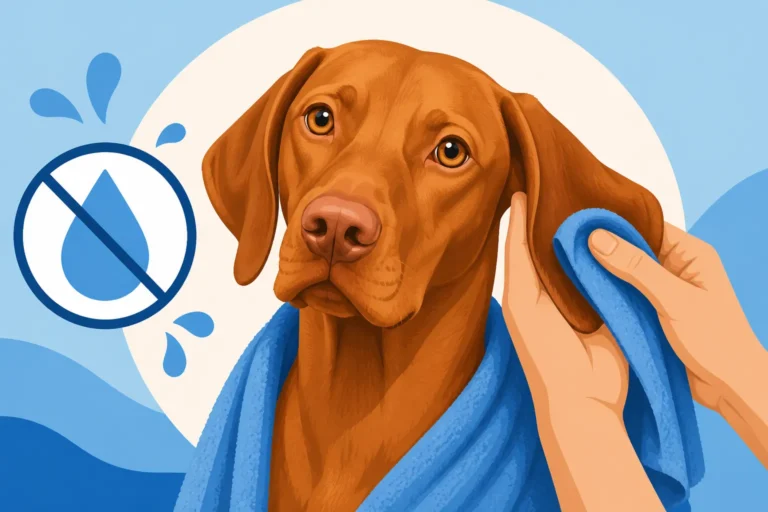
- Cool Their Body: Apply cool (not ice-cold) water to their body, especially their belly, armpits, groin, and paw pads. Use wet towels or cloths. You can gently fan them to aid evaporation. Do NOT immerse them in ice water, as this can cause peripheral vasoconstriction, trapping heat in their core and potentially causing shock.
- Offer Small Amounts of Water: Let them drink small sips of cool water if they are conscious and able to swallow.
- Seek Veterinary Attention Immediately: Even if your Vizsla seems to be recovering, heatstroke can cause delayed organ damage. Call your vet or the nearest emergency veterinary clinic while you are cooling your dog to let them know you're coming. Time is critical. Having your vet's number programmed into your phone is a small but important step in preparedness. What a Vizsla's Emergency Field Injury Costs
Always carry a basic first-aid kit for your Vizsla, which should include some basic cooling supplies like a small towel and a bottle of water. Being prepared means you can react quickly and effectively if the worst happens.
Here's a quick comparison of safe vs. risky midday exercise practices:
| Feature | Safe Midday Practice | Risky Midday Practice |
|---|---|---|
| Timing | Before 9 AM or after 7 PM | 10 AM to 4 PM (peak sun hours) |
| Environment | Shaded trails, grassy fields, water access | Hot pavement, open fields, asphalt, direct sunlight |
| Activity Level | Light walk, scent games, swimming, short shaded fetch | Strenuous running, long retrieves, intense training |
| Ground Surface | Cool grass, dirt, packed earth | Hot asphalt, concrete, sand, artificial turf |
| Hydration | Frequent water breaks, portable bowl | Limited or no water available |
| Owner Vigilance | Constant monitoring for heat stress | Assuming dog will stop when tired, distracted |
| Cooling Aids | Used proactively (vests, bandanas) | None, or only used after signs of distress appear |
| Emergency Preparedness | Vet contact ready, cooling supplies at hand | Unprepared for an overheating emergency |
It's clear that exercising your Vizsla at midday, particularly during warmer times of the year, carries significant risks. While their desire to run is strong, their physical makeup makes them susceptible to overheating and paw pad burns. Prioritizing their safety means adapting your routine to cooler times of the day, choosing appropriate environments, and always being prepared for the unexpected. Your Vizsla relies on you to make smart choices that protect their health and ensure they can enjoy their active lives for many years to come.
Disclaimer
This article is for general informational purposes only and does not constitute professional advice. Laws, prices and regulations vary by location and change over time. Consult a qualified professional for guidance on your specific situation.