Whether Cold Water Is Dangerous for a Vizsla
As a Vizsla owner, there's a unique worry that creeps in when you see that beautiful, lean body shiver or hesitate near cold water. It's not just about them being a bit chilly; the truth is, cold water can pose a serious threat to our energetic, thin-skinned companions. This guide will dive deep into understanding why Vizslas are particularly susceptible to the dangers of cold water, how to recognize the signs of distress, and practical steps you can take to protect your beloved hunting partner or family member.
Understanding Why Cold Water Poses a Threat to Your Vizsla
Vizslas are magnificent athletes, built for speed, agility, and endurance in the field. However, their physical characteristics, which make them such efficient hunters, also leave them surprisingly vulnerable to the elements, particularly cold water. It’s not just about a quick dip; sustained exposure, even in moderately cold temperatures, can quickly lead to dangerous situations.
The Vizsla's Unique Vulnerability: Thin Skin and Single Coat
One of the most defining traits of a Vizsla is its sleek, short, "golden rust" coat. While stunning to look at and wonderfully low-maintenance in terms of shedding, this single coat is a major factor in their poor cold tolerance. Unlike many other sporting breeds, such as Labrador Retrievers or German Shorthaired Pointers, Vizslas lack an insulating undercoat. That plush, dense layer of fur that traps warm air close to the skin is simply not there for our Vizslas.
Imagine stepping out into a brisk autumn day with only a light t-shirt, while others are bundled in thick sweaters. That's essentially what your Vizsla experiences. Their fine hair offers minimal protection against heat loss, especially when wet. Water conducts heat away from the body far more rapidly than air, meaning that even a seemingly mild immersion can chill a Vizsla's core temperature in minutes. Their thin skin, which makes them feel so silky to the touch, also doesn't offer the thermal barrier thicker-skinned breeds possess. This is why you often hear owners talk about The Single Coat a Vizsla Has and Why It Changes Everything, because it genuinely impacts so much of their care, particularly in colder climates.
Lean Body Mass and High Surface Area
Vizslas are lean, athletic dogs. They are not built with layers of body fat to insulate them like, say, a Newfoundland. Their efficient, muscular build means there’s less fat to act as a natural wetsuit. While this is fantastic for performance and agility, it means their bodies have fewer reserves to draw upon to maintain core temperature when exposed to cold.
Furthermore, their relatively large surface area compared to their body mass means they lose heat more quickly. Think of it like a tall, thin glass of water cooling faster than a short, wide one. This combination of a single coat, lean body mass, and high surface area makes them particularly susceptible to hypothermia – a dangerous drop in core body temperature. It's truly eye-opening how quickly a Vizsla can go from joyfully splashing to shivering uncontrollably. This inherent susceptibility means owners need to be extra vigilant, especially during colder months or when near unheated water.
The Immediate Dangers of Cold Water Exposure
When a Vizsla gets into cold water, the risks extend beyond just feeling cold. There are immediate, acute dangers that can compromise their health and even become life-threatening if not addressed swiftly. Understanding these specific hazards helps reinforce the importance of prevention and quick action.
Hypothermia: The Silent Threat
Hypothermia is the primary and most serious danger posed by cold water to a Vizsla. It occurs when a dog's body loses heat faster than it can produce it, leading to a dangerously low core body temperature. For a Vizsla, with their minimal insulation, this can happen very rapidly. The chilling effect of water pulls heat from their body at an accelerated rate compared to cold air.
Initially, a hypothermic Vizsla might just shiver vigorously – a natural physiological response to generate heat. But as their core temperature continues to drop, their body’s systems begin to slow down. Their heart rate can decrease, breathing can become shallow, and their muscles can stiffen. In severe cases, they can become disoriented, lose consciousness, and their heart can even stop. This is far more serious than just The Cold a Vizsla Genuinely Cannot Handle on a walk; it’s a full-body system shutdown. Vigilance is key, as a dog's natural drive and love for water might mask their initial discomfort until it's too late.
Other Health Concerns: Shock and Muscle Impairment
Beyond systemic hypothermia, cold water can also induce other immediate problems. The sudden shock of cold water can sometimes trigger a physiological response that causes blood vessels to constrict rapidly, leading to a state of shock, even before severe hypothermia sets in. This can manifest as weakness, confusion, or a dazed look.
Cold water also significantly impairs muscle function. A Vizsla’s powerful muscles, essential for swimming and retrieving, become stiff and less efficient in the cold. This means a dog that normally swims strongly might quickly tire, struggle to paddle effectively, or lose coordination in cold water. Their ability to self-rescue or navigate back to shore can be severely compromised, turning a fun swim into a desperate struggle. If they're trying to retrieve a dummy from a chilly pond during late-season training, their muscles simply won't perform as expected, making them vulnerable to fatigue and drowning. It's a risk factor many hunting owners have to consider when Whether a Vizsla Hunts Late Season Birds.
| Severity of Hypothermia | Core Body Temperature (Approx.) | Symptoms in Vizslas |
|---|---|---|
| Mild | 95-99°F (35-37.2°C) | Shivering, weakness, cold ears/paws, elevated heart rate |
| Moderate | 90-95°F (32.2-35°C) | Intense shivering, lethargy, muscle stiffness, pale gums, slow, shallow breathing, decreased heart rate |
| Severe | Below 90°F (Below 32.2°C) | No shivering, collapse, unconsciousness, fixed dilated pupils, irregular heartbeat, difficulty breathing, coma |
Recognizing the Signs of Cold Stress and Hypothermia
Being able to quickly identify when your Vizsla is getting too cold is crucial for their safety. Our dogs can't tell us they're cold in words, so it's up to us to read their body language and physical cues. Early detection can mean the difference between a minor chill and a dangerous emergency.
Behavioral Changes to Watch For
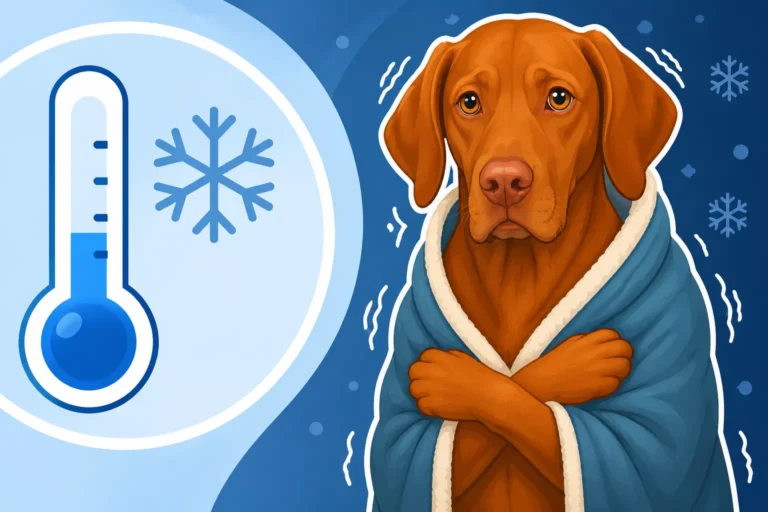
The first signs of cold stress are often behavioral. You might notice your typically energetic Vizsla starting to slow down, becoming less enthusiastic about their swim or game. They might paddle more slowly or try to get out of the water more frequently than usual. Intense, uncontrollable shivering is a very common and obvious indicator. This isn't just a little tremble; it's whole-body shaking as their system tries desperately to generate heat. You might also notice them hunching their back, tucking their tail, or trying to curl up tightly, all attempts to conserve body heat.
As the cold progresses, they can become lethargic or sluggish. A Vizsla that is usually exuberant might seem dull, unresponsive, or unusually quiet. They might stumble or appear disoriented, especially if their core temperature has dropped significantly. They may also start whining or vocalizing in distress, or Whether a Vizsla Shivers Indoors even after being dried off, indicating their body is still struggling to warm up. Pay close attention to these subtle shifts, especially if they are usually a dog that never quits in the field.
Physical Indicators of Concern
Beyond behavior, there are several physical signs that indicate your Vizsla is experiencing cold stress or hypothermia. One of the easiest to check is the temperature of their extremities: their ears and paws will feel noticeably cold to the touch. Their gums might appear pale or even bluish (cyanotic) if circulation is severely impacted. This is a critical sign that requires immediate attention.
Their breathing might become shallow and slow, and their heart rate could decrease. You might also notice their muscles becoming stiff or rigid, making movement difficult or painful. If you suspect hypothermia, checking their core body temperature with a rectal thermometer (if you have one readily available and know how to use it safely) can confirm your suspicions. A reading below 99°F (37.2°C) indicates hypothermia. Remember, a dog’s normal temperature is typically between 101-102.5°F (38.3-39.2°C), so even a few degrees below normal can be concerning. These are the moments when having What a First Aid Kit for a Hunting Vizsla Holds can be truly invaluable.
Protecting Your Vizsla in Cold Water Environments
Preventing cold water dangers is always better than reacting to an emergency. With a Vizsla, this means being proactive and making informed decisions about their activities, especially when water is involved. Simple precautions can ensure your dog stays safe and healthy.
Smart Training and Play Choices
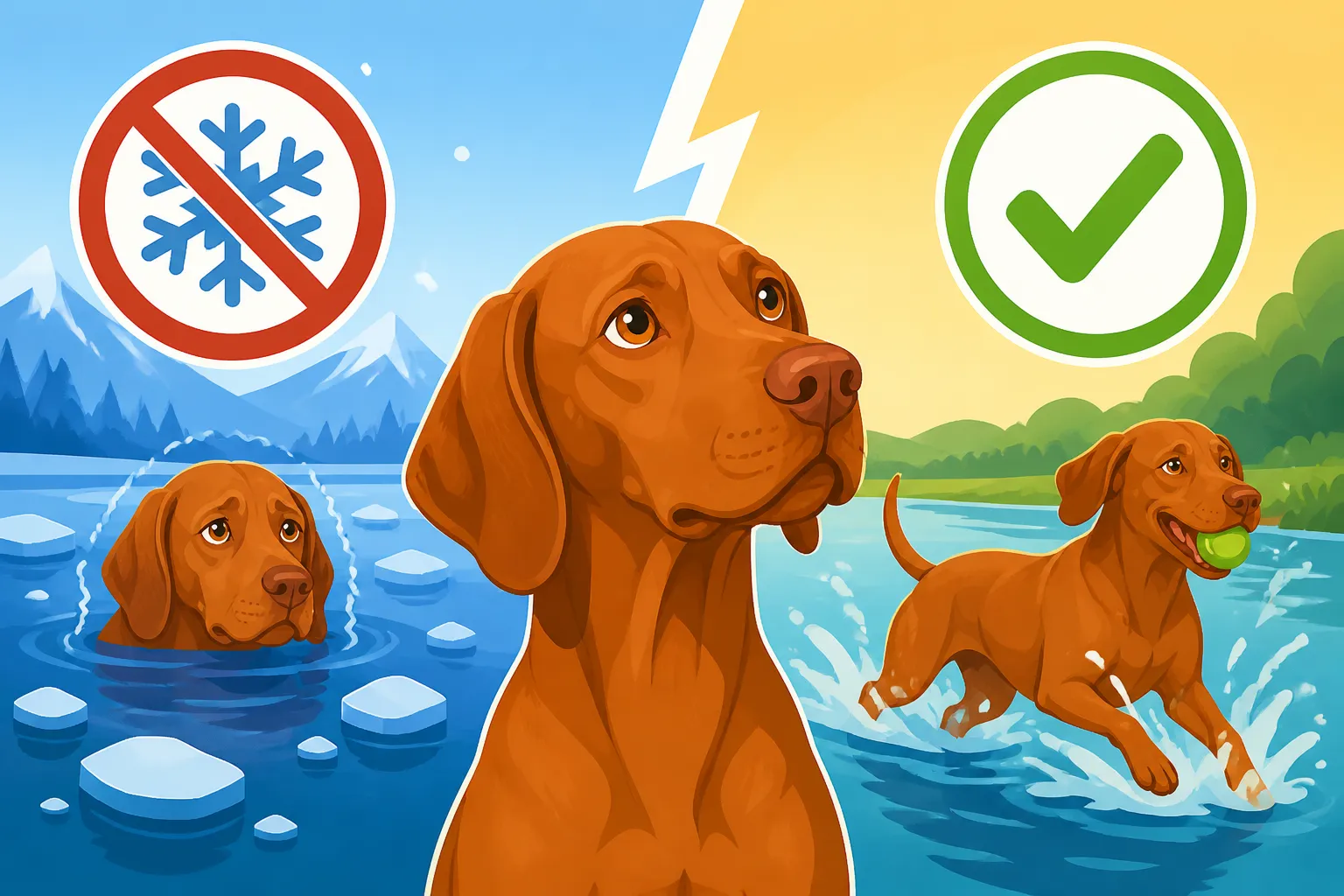
First and foremost, exercise good judgment. If the water looks too cold for you to comfortably swim in, it’s probably too cold for your Vizsla. This is especially true on windy days, as wind chill significantly increases heat loss from a wet coat. Avoid extended retrieves or swims in frigid water, and certainly never allow them to break through ice – the risks of falling through and rapid hypothermia are immense. If you’re training in cooler weather, keep sessions short, especially those involving water. Alternate between land work and water work, and always ensure immediate drying and warming opportunities.
Consider the time of day: early mornings and late evenings are typically the coldest. Midday might offer a slightly warmer window. And always, always monitor your Vizsla closely. If you see even the first hint of shivering or slowing down, it's time to end the water activity. It's about respecting their physical limits, not pushing them to prove their endurance in challenging conditions. Remember, their drive to please you can often override their instinct for self-preservation.
Essential Gear for Cold Water Protection
For Vizslas, extra protection against the cold is often a necessity, not a luxury. A well-fitting dog coat or vest made of neoprene or another insulating, water-resistant material can make a huge difference, especially if you anticipate water exposure. Neoprene vests are particularly effective because they trap a layer of warm water against the dog's skin, much like a human wetsuit. Brands like Ruffwear or Browning offer various options that can be found on sites like Chewy or Amazon. Even for land-based activities, Whether a Vizsla Needs a Winter Jacket is a question many owners face, and the answer is almost always yes for cold weather.
Beyond vests, consider paw protection. While not directly related to core temperature, cold ground and icy surfaces can cause discomfort and damage to their sensitive paw pads. Dog boots, while sometimes met with initial canine protest, can protect against ice, salt, and extreme cold. Post-activity, having warm towels readily available is a must. Many owners even keep a dedicated "dog blanket" in the car, or a portable dog bed, to help their Vizsla warm up on the ride home.
Post-Water Care and Warming Protocols
The moments immediately after your Vizsla exits cold water are critical. The first step is to thoroughly towel-dry them, removing as much moisture as possible from their coat. Rubbing briskly helps stimulate circulation. If you're in a very cold environment, having a dry, warm coat to put on them immediately can prevent further heat loss.
If your Vizsla is visibly shivering or showing signs of moderate hypothermia, active warming is necessary. Wrap them in warm blankets, ideally pre-warmed in a dryer or with a hot water bottle (wrapped in a towel to prevent burns). Avoid applying direct, intense heat, as this can cause shock. Offer warm, not hot, fluids if they are alert enough to drink, such as plain water or a low-sodium broth. This helps rehydrate and gently warm them from the inside.
If your Vizsla is unresponsive, extremely lethargic, or showing severe hypothermia symptoms, this is an emergency. Get them to a veterinarian immediately. Continue passive warming techniques on the way. Never try to force an unconscious dog to eat or drink. Caring for an Old Vizsla That Has Stopped Hunting also means recognizing that older Vizslas have a harder time regulating body temperature, making these warming protocols even more important.
Long-Term Health and Lifestyle Considerations
Beyond the immediate dangers, a Vizsla's susceptibility to cold, especially when wet, influences how we manage their overall health and lifestyle throughout the year. It's about integrating these considerations into their daily care routine.
Impact on Joint Health and Arthritis
Repeated exposure to cold and damp conditions, particularly after strenuous activity like swimming or hunting, can put extra strain on a Vizsla's joints. While a direct causal link between cold and arthritis onset isn't always clear-cut, anecdotal evidence from many dog owners suggests that cold exacerbates existing joint pain and stiffness. For a breed already prone to orthopedic issues like hip and elbow dysplasia, minimizing cold stress can be a proactive step in maintaining long-term joint health.
Ensuring your Vizsla is properly warmed up before intense exercise and thoroughly dried and warmed down afterward is key. Consider joint supplements or supportive beds for older dogs or those with known joint problems. A warm, comfortable resting place after a cold outing can make a big difference in preventing post-activity stiffness. You might even consider a supportive, orthopedic bed available through retailers like Chewy or Amazon, to ensure their rest is truly recuperative.
Year-Round Care and Winter Preparations
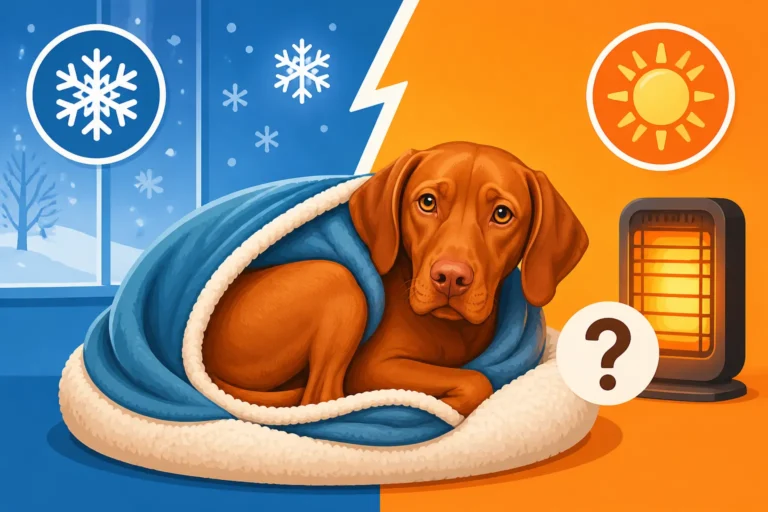
A Vizsla's need for warmth isn't just a winter-specific concern; even in cooler spring or autumn temperatures, cold water can be a risk. This means year-round vigilance for water activities and making sure they have access to warm, dry resting spots indoors. Whether a Vizsla Sleeps Warm Enough Without Heat is often a resounding 'no,' underscoring the importance of their sleeping arrangements. A dog bed in a draft-free, heated area of your home is crucial, and many Vizslas adore burrowing under blankets for extra warmth.
As winter approaches, your preparation should intensify. Invest in good quality winter gear, not just for water activities but for all outdoor excursions. What a Coat for a Vizsla Costs is a worthwhile investment when you consider the health benefits. Pay attention to their diet during colder months, especially if they are highly active. A working Vizsla might need a slight increase in calorie intake to help fuel their internal furnace and maintain body weight, as discussed in detail in guides on Feeding a Vizsla That Burns Everything It Eats. Some owners might opt for nutrient-dense fresh food options from services like Ollie during colder seasons to ensure their active Vizslas are getting optimal nutrition. Ensuring their general health is robust can also help them better withstand environmental stressors.
Disclaimer
This article is for general informational purposes only and does not constitute professional advice. Laws, prices and regulations vary by location and change over time. Consult a qualified professional for guidance on your specific situation.