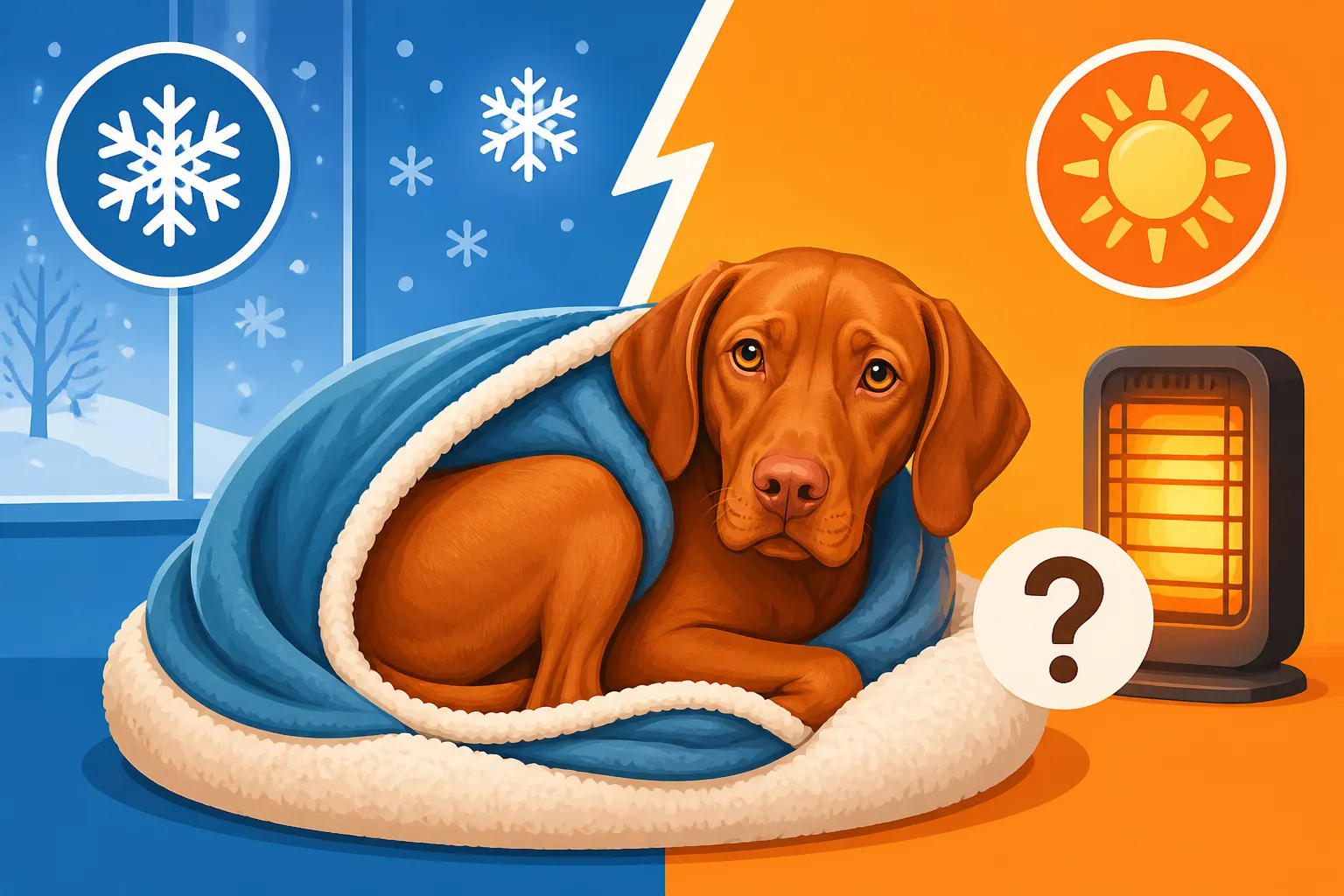
Whether a Vizsla Sleeps Warm Enough Without Heat
It’s a common scenario: you’ve got your beautiful, energetic Vizsla, and as the temperatures dip, you start to wonder if they’re truly comfortable, especially when they curl up on the floor or in their bed, seemingly shivering. That thin, glorious golden-rust coat that makes them so distinctive also means they don't have the natural insulation of many other breeds, leaving many Vizsla owners concerned about their dog’s ability to stay warm enough without external heat sources. This guide will delve into understanding your Vizsla's unique needs and how to ensure they're cozy and safe, whether they're inside an unheated room, traveling, or just enjoying a chilly evening.
Understanding the Vizsla's Unique Coat and Cold Sensitivity
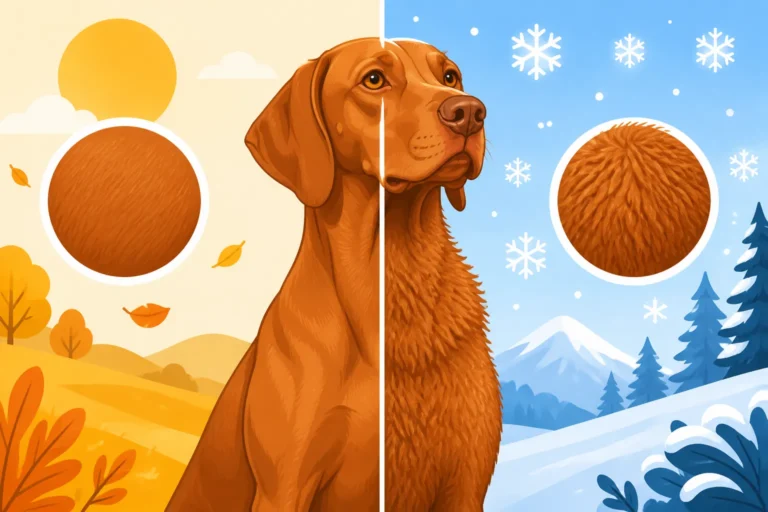
Vizslas are truly one-of-a-kind, and much of what makes them special also dictates their needs when it comes to temperature regulation. Their sleek, short, single coat is fantastic for hunting in dense brush without getting snagged, and it helps them cool down quickly during strenuous activity. However, this same coat, or lack thereof when compared to double-coated breeds, is their biggest vulnerability when the mercury drops.
Why a Vizsla Has a Single Coat
Unlike breeds such as German Shepherds, Huskies, or even many Retrievers, the Vizsla typically doesn't possess a thick undercoat. That plush, insulating layer of fine, dense hair found beneath the coarser outer guard hairs is largely absent in our copper-coated companions. This single-layer construction means there's less trapped air to act as insulation against the cold. Think of it like wearing a single t-shirt in winter versus a thick wool sweater; the difference in warmth is immediate and profound. This is why you’ll often see Vizslas Whether a Vizsla Curls Up Tight to Stay Warm or seeking out sunny spots even indoors.
Historically, the Vizsla's ancestors thrived in Hungary, where they would be active hunters during the day and then brought into warm homes at night. They weren't bred to withstand prolonged exposure to harsh, freezing elements without assistance. This inherent lack of natural insulation makes them incredibly susceptible to the cold, far more so than you might initially assume given their robust, athletic build. Many owners mistakenly think their active dog can "handle" it, but genetics play a much larger role here.
How Vizslas React to Cold Temperatures
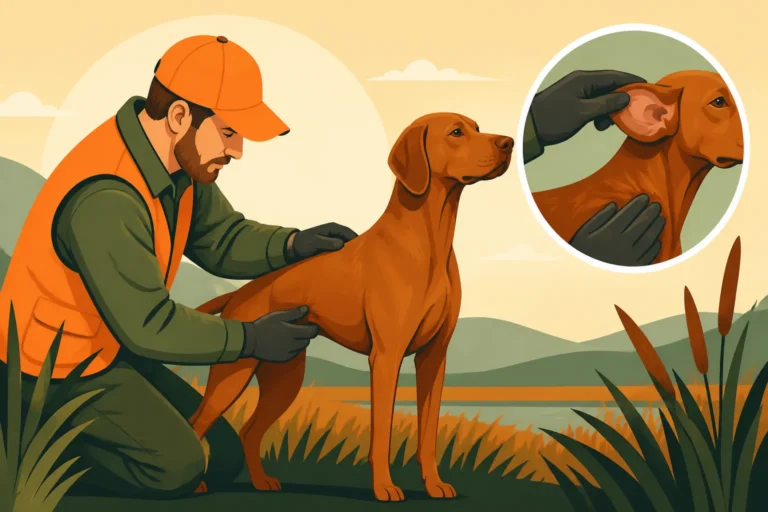
A Vizsla's reaction to cold isn't just about shivering; it's a physiological response that can lead to discomfort, stress, and even health issues if not addressed. When a Vizsla gets cold, their body prioritizes keeping vital organs warm, often at the expense of their extremities. You might notice them hunching their back, tucking their tail, or lifting their paws off cold surfaces. Their ears might feel chilly to the touch, and they might seek out contact with you or other warm surfaces, trying to absorb any available heat.
Leaving a Vizsla in a cold environment for too long can have consequences beyond simple discomfort. Prolonged exposure can lower their core body temperature, leading to hypothermia in severe cases. It can also exacerbate existing joint issues or make them more prone to stiffness, especially in older dogs. Even if it doesn't reach the point of illness, being consistently cold can make a dog anxious, restless, and unable to settle, impacting their overall well-being and happiness. This breed is known for being sensitive, and being cold can be a significant source of distress. You might find they need a heated bed more than other breeds.
Identifying When Your Vizsla is Too Cold
It's not always obvious when your Vizsla is genuinely too cold versus just feeling a bit chilly. They are stoic dogs in many ways, especially if they think it means they get to stay with you or continue an activity. Learning to read their subtle cues is crucial for their comfort and health.
Visible Signs of Cold Stress
The most obvious sign of a cold Vizsla is shivering. It might start as a subtle tremor, then escalate to full-body shakes, even when indoors. Don't dismiss this as just excitement or anxiety; in a cool environment, it's a clear indicator that their body is working hard to generate heat. Another common sign is seeking warmth – they might burrow deep into blankets, try to crawl under your clothing, or wedge themselves into tight spaces between furniture. You'll often find them curled into the tightest ball imaginable, nose tucked under their tail, minimizing their exposed surface area.
Beyond shivering and seeking warmth, pay attention to their posture and movement. A cold Vizsla might appear hunched, with their tail tucked low or clamped between their legs. Their gait might become stiff or hesitant, particularly if they're walking on a cold floor. Their ears and paw pads might feel unusually cool. If their gums or inner eyelids appear pale, this could be a more serious sign of a dangerously low body temperature, warranting immediate action. Furthermore, a cold Vizsla might become lethargic, less responsive, or even whiny, expressing their discomfort vocally. Consider if your Vizsla Whether a Vizsla Shivers Indoors even when the house feels alright to you.
Environmental Factors to Consider
While your own comfort level is a good starting point, remember that your Vizsla experiences temperature differently. A room that feels pleasantly cool to you might be genuinely cold for them, especially if they're lying on a hard, uninsulated floor. Drafts are another silent enemy for a thin-coated dog; a constant stream of cool air from under a door or a window can quickly chill them, even in an otherwise warm room.
Humidity also plays a role. A dry cold can feel less biting than a damp, humid cold, which penetrates more deeply. If your home has poor insulation, or if you live in an older house with single-pane windows, interior temperatures can fluctuate dramatically. Consider their activity level too. A Vizsla fresh off a vigorous run might tolerate cooler temperatures for a short period, but once they stop moving, their body temperature will drop rapidly. Conversely, a tired or elderly Vizsla, or one recovering from an illness, will be much more susceptible to the cold than a healthy, active adult. Keep in mind that older Vizslas might also have other health concerns, like Arthritis in a Vizsla at Ten, which cold can aggravate.
Practical Solutions for Keeping Your Vizsla Warm
Ensuring your Vizsla is warm enough doesn't always mean cranking up the thermostat. There are many practical, thoughtful solutions that can make a huge difference in their comfort.
Essential Bedding and Sleeping Arrangements
The foundation of a warm Vizsla is appropriate bedding. Simply a thin mat on a cold floor is often not enough. Look for beds with good insulation, such as orthopedic foam that lifts them off the cold ground. Raised dog beds with a warm blanket or a thick self-warming pad can also be excellent. Many Vizslas adore burrowing, so provide blankets or a "cave" style bed where they can dig in and create their own warm nest. You might find great options for these on sites like Amazon or Chewy, with various styles and materials.
If your Vizsla sleeps in an unheated area, consider an insulated crate cover or a heated dog bed. These beds often have low-level heating elements that provide a gentle, consistent warmth. Always ensure any heated product is specifically designed for pets and has safety features to prevent overheating. Placing their bed away from drafts and direct cold spots (like exterior walls or windows) is also key. For a dog that genuinely struggles with the cold, their sleeping area might need to be in the warmest part of the house, even if it means adjusting your usual arrangements. Whether a Vizsla needs more warmth as they age is also a vital consideration.
Canine Apparel for Added Warmth
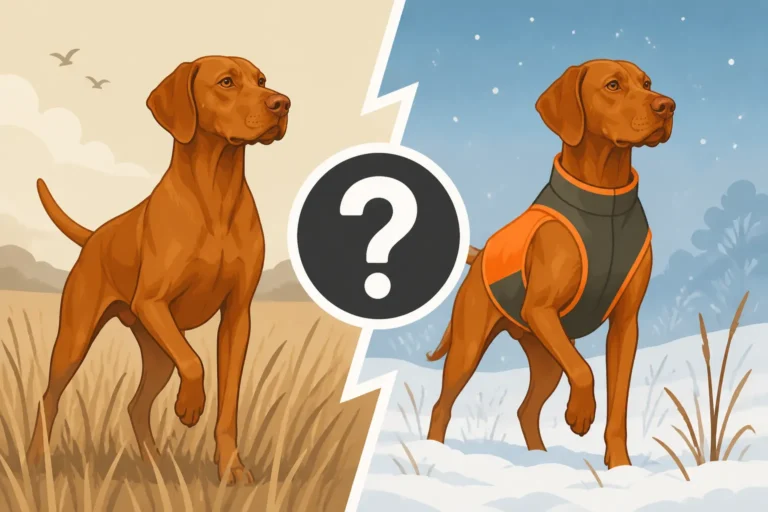
For many Vizslas, canine clothing isn't just a fashion statement; it's a necessity, especially if they spend time outdoors in cold weather or if your home runs on the cooler side. A well-fitting fleece or wool sweater can make a world of difference indoors, particularly for puppies, seniors, or those prone to shivering. For outdoor excursions in chilly weather, a dedicated dog coat or jacket is essential.
Look for coats that cover their chest and belly, as these areas are often quite exposed and can lead to rapid heat loss. Materials like fleece, insulated nylon, or even waterproof outer shells for wet conditions are excellent choices. Brands like Ruffwear or Hurtta offer durable, well-designed coats that stand up to activity. If you're out hunting or hiking in colder conditions, a blaze orange vest provides both warmth and visibility. Remember to measure your Vizsla carefully to ensure a snug, comfortable fit that doesn't impede their movement. You can often find a wide selection of these on Chewy, making it easy to compare styles and features. The Temperature a Vizsla Needs a Coat At is often higher than you'd think for other breeds.
Supplemental Heating and Insulation
Beyond their immediate sleeping area, consider the overall environment. If you have an unheated garage or a room that dips significantly in temperature, adding a small, pet-safe space heater can be beneficial. Always use heaters with caution, ensuring they are not a fire hazard and that your Vizsla cannot knock them over or get too close to the heating element. Smart thermostats can also help regulate temperatures, ensuring the room doesn't get too cold overnight.
Draft stoppers for doors and windows, and even thick curtains, can help retain heat in a room. If your Vizsla is allowed on furniture, a soft throw blanket on a sofa or chair provides an instant warm spot. For dogs that eat fresh food, companies like Ollie can deliver nutrient-dense meals that help support overall health, which in turn contributes to better metabolic regulation of body temperature. However, no food alone will substitute for proper warmth. If you notice your Vizsla is cold even with these measures, it might be time to discuss it with your vet, as underlying health issues can sometimes make dogs more sensitive to cold.
Table: Warmth Solutions for Your Vizsla
| Solution Type | Description | Best For | Key Considerations |
|---|---|---|---|
| Insulated Bed | Thick, multi-layer beds, often with orthopedic foam or memory foam. | All Vizslas, especially those on hard floors or in cooler rooms. | Elevates off cold floor, provides cushioning for joints. |
| Heated Bed | Beds with low-wattage heating elements. | Vizslas in unheated spaces, seniors, dogs prone to extreme cold. | Ensure pet-safe, chew-resistant cord, automatic shut-off. |
| Blankets/Duvets | Fleece, wool, or thick cotton blankets for burrowing or layering. | All Vizslas, enhances comfort and DIY den creation. | Easy to wash, multiple layers provide adjustable warmth. |
| Sweaters/Pajamas | Soft, form-fitting apparel for indoor use. | Dogs prone to shivering indoors, puppies, seniors. | Comfortable, non-restrictive, easy to put on/take off. |
| Winter Coats | Insulated, often waterproof coats for outdoor activities. | Outdoor adventures in cold/wet weather, trips to unheated vehicles. | Full chest/belly coverage, durable, visible (blaze orange) if hunting. |
| Crate Covers | Fabric covers that enclose a crate, reducing drafts and retaining heat. | Crated Vizslas in cooler areas, travel. | Breathable yet insulating, secure fit. |
| Space Heaters | Small, portable heaters for supplemental room warmth. | Specific cold rooms, temporary warmth in travel setups. | Pet-safe models, tip-over protection, never leave unattended, good ventilation. |
Conclusion
The golden-rust coat of a Vizsla is a marvel of efficiency for a working dog, but it's also a clear indicator that they aren't designed for extreme cold. Understanding their unique needs, recognizing the subtle signs of discomfort, and proactively providing warmth through appropriate bedding, clothing, and environmental adjustments are all part of being a responsible Vizsla owner. Don't underestimate their sensitivity to cold; a little extra care goes a long way in keeping your loyal companion happy, healthy, and warm enough to snuggle up contentedly, even when the thermometer dips. Your Vizsla relies on you to be their personal warmth monitor, and with a few smart choices, you can ensure they're always cozy, no matter the weather outside.
Disclaimer
This article is for general informational purposes only and does not constitute professional advice. Laws, prices and regulations vary by location and change over time. Consult a qualified professional for guidance on your specific situation.