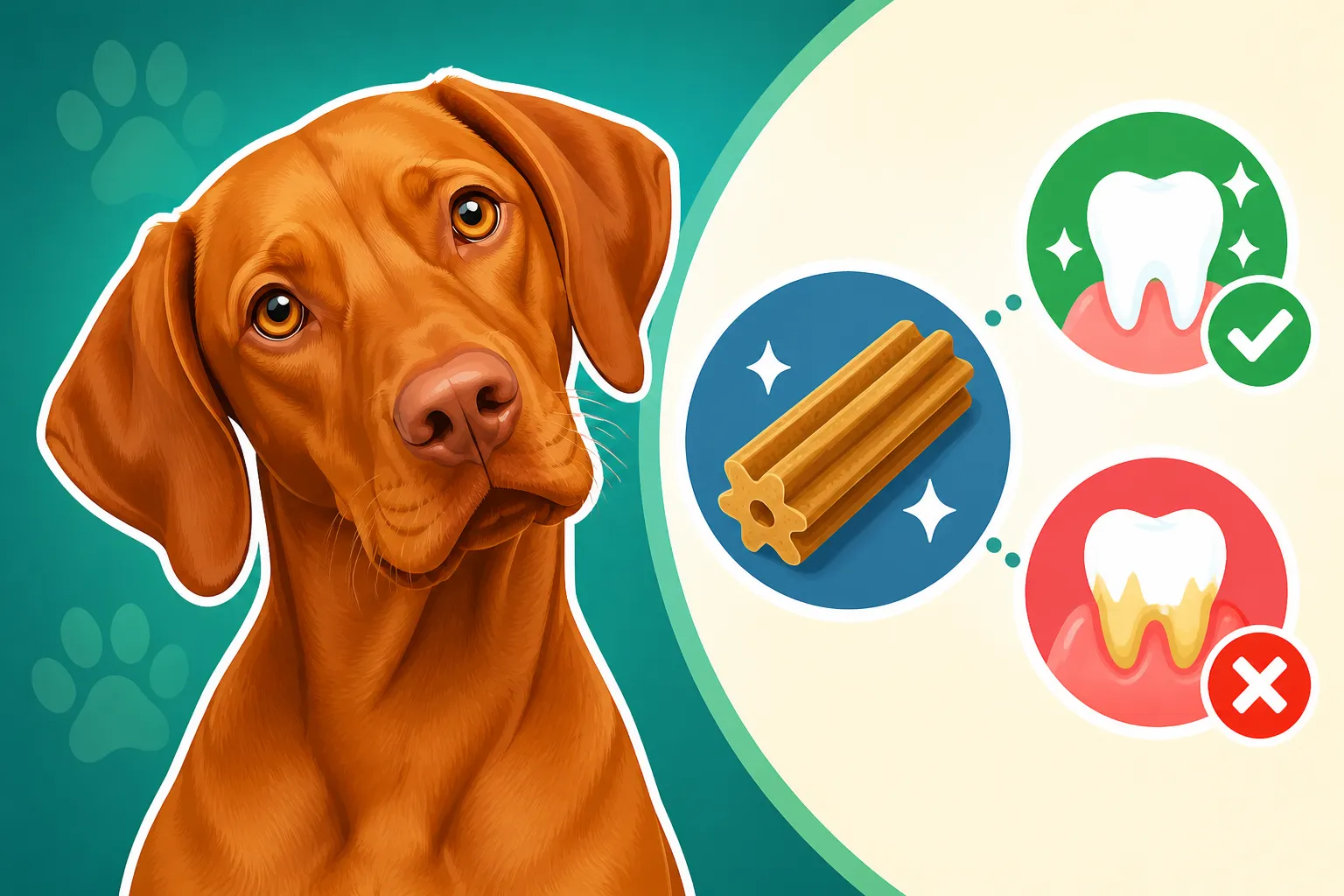
Whether a Vizsla Needs Dental Chews
One of the trickiest things about owning a Vizsla, besides keeping them from velcro-ing themselves to you 24/7, is figuring out how to keep their beautiful smiles healthy. Many of us wonder if dental chews are truly the answer to preventing tartar buildup and bad breath, or if they're just another expense in the long list of What a Vizsla Costs a Year to Keep. This guide is here to unravel the truth about dental chews for your Vizsla, helping you understand their role and what else you can do to ensure your dog has a healthy mouth for years to come.
The Truth About Vizsla Dental Health and Why It Matters
Let's be honest, few of us are regularly peering into our Vizsla's mouths with a magnifying glass. But the reality is, dental health is a huge, often overlooked, part of their overall well-being. It's not just about fresh breath for those close-up snuggles; poor dental hygiene can lead to serious health issues throughout their bodies.
Why Vizslas Are Prone to Dental Issues
Like many breeds, Vizslas can be susceptible to dental problems, from gingivitis to periodontal disease. Their genetics play a role, but so does their lifestyle. Think about it: our Vizslas are active, curious dogs. They chew on everything from toys to sticks they find in the field, and while some chewing is good, it's often not enough to clean their teeth properly. Their mouths, with their specific jaw structure and tooth alignment, can create nooks and crannies where plaque and tartar love to accumulate. This buildup, if left unchecked, hardens and pushes against the gums, leading to inflammation, infection, and eventually, tooth loss. It's a silent threat, often progressing unnoticed until it becomes quite advanced and painful for your dog. If you're wondering, Whether a Vizsla Gets Dental Disease is a resounding yes, and it's something every owner needs to be proactive about.
Signs Your Vizsla Might Have Dental Problems
The tricky thing about dogs is they are masters at hiding pain. A Vizsla, with its stoic nature, might be suffering from a toothache long before you ever notice a change. However, there are some tell-tale signs to watch for:
- Bad Breath (Halitosis): This is often the first and most obvious sign. If your Vizsla's breath could knock a buzzard off a outhouse, it's usually a clear indicator of bacterial growth in the mouth.
- Red or Swollen Gums: Healthy gums are pink, not red or inflamed. Swelling along the gum line is a sign of gingivitis.
- Yellow or Brown Tartar Buildup: Look at the teeth, especially the molars and canines. If you see hard, crusty yellow or brown deposits, that's tartar, and it needs addressing.
- Difficulty Eating: Your Vizsla might suddenly become pickier with food, drop kibble, or chew on one side of their mouth. If they're usually a chow hound and suddenly hesitant, pain could be the culprit.
- Drooling: Excessive drooling, sometimes with blood, can indicate oral discomfort.
- Pawing at the Mouth or Face Rubbing: While not exclusive to dental pain, these behaviors can signal that something is bothering them in their mouth.
- Changes in Behavior: A dog in chronic pain might become more withdrawn, less playful, or even a bit irritable. This is especially true for an old Vizsla who has Caring for an Old Vizsla That Has Stopped Hunting.
Don't ignore these signs! Catching dental issues early can prevent more severe problems down the line, saving your Vizsla pain and you potentially expensive veterinary bills.
Are Dental Chews a Magic Bullet for Vizsla Teeth?
This is the million-dollar question for many Vizsla owners. You see dental chews everywhere, from the pet aisle at your local store to online retailers like Chewy and Amazon, promising sparkling teeth and fresh breath. But how effective are they really?
What Dental Chews Can Do for Your Vizsla
When chosen correctly, dental chews can absolutely play a role in maintaining your Vizsla's oral health. Here are the benefits:
- Mechanical Abrasion: Many dental chews are designed with a specific texture or shape to mechanically scrape plaque off the tooth surface as your dog chews. This abrasive action can help remove soft plaque before it hardens into tartar.
- Reduce Plaque and Tartar: Studies show that certain dental chews, particularly those with a VOHC (Veterinary Oral Health Council) seal of approval, can significantly reduce plaque and tartar accumulation. The VOHC stamp means the product has met specific standards for efficacy.
- Freshen Breath: By reducing bacteria that cause plaque, dental chews can help improve your Vizsla's breath, making those affectionate close encounters much more pleasant.
- Provide Mental Stimulation: For an intelligent and active breed like the Vizsla, chewing is a natural and satisfying behavior. A good dental chew can provide valuable mental enrichment, keeping them happily occupied for a while. This can be especially useful if your Vizsla is one to get into mischief, like What a Vizsla Destroys When Left Alone.
It's important to remember that not all dental chews are created equal. Look for reputable brands and products specifically formulated for dental health, ideally with that VOHC seal.
The Limitations of Dental Chews
While beneficial, it’s crucial to understand that dental chews are not a standalone solution for your Vizsla's dental health. They have limitations:
- Cannot Remove Existing Tartar: Once plaque has hardened into tartar, a dental chew usually can't remove it. At that point, professional veterinary cleaning is needed. Think of it like trying to scrape dried cement off a wall with a plastic spoon – it's just not going to happen.
- Coverage Issues: Dogs tend to chew primarily with their back teeth. This means that while those molars might get a good scrub, the front teeth or those tricky inside surfaces might not receive adequate cleaning from a chew alone.
- Calorie Content: Dental chews, especially larger ones, can be quite high in calories. For a breed like the Vizsla, which needs a balanced diet to maintain its lean, athletic build, these calories need to be factored into their daily intake. You don't want to accidentally contribute to weight gain while trying to clean their teeth! How Much an Adult Vizsla Eats Daily is already a significant amount, so be mindful of treat calories.
- Digestive Upset: Some Vizslas have Whether a Vizsla Has a Sensitive Stomach, and certain ingredients or the sheer volume of a dental chew can cause digestive upset. Always introduce new chews slowly and monitor your dog for any adverse reactions.
- Choking Hazard/Broken Teeth: Supervise your Vizsla when they're enjoying a dental chew. Aggressive chewers can sometimes break off large pieces and choke, or even fracture a tooth if the chew is too hard. Always choose an appropriately sized chew for your dog.
Choosing the Right Dental Chew for Your Vizsla
With so many options, how do you pick the best one for your Vizsla? Here's what to consider:
- VOHC Seal of Approval: As mentioned, this is a great starting point. The Veterinary Oral Health Council evaluates products based on scientific studies, so their seal indicates a product's effectiveness.
- Size and Durability: Choose a chew that is appropriate for your Vizsla's size and chewing style. It should be large enough that they can't swallow it whole, but not so hard that it risks breaking their teeth. You want something that allows for some give and flex when chewed.
- Ingredients: Look for natural ingredients and avoid artificial colors, flavors, or excessive preservatives, especially if your Vizsla has sensitivities. Brands like those found on Chewy often list ingredients clearly, helping you make an informed choice.
- Texture and Shape: Different chews have different designs aimed at maximizing contact with the tooth surface. Some have ridges, nubs, or a unique spiral shape. Experiment to see what works best for your dog.
- Calorie Count: Always check the calorie content. Many dental chews are meant as a daily treat, so ensure it fits into your Vizsla's dietary needs without contributing to excess weight.
- Veterinary Recommendation: When in doubt, ask your vet! They can recommend specific brands or types of chews that they've seen positive results with in their practice.
| Feature | Benefits for Vizslas | Considerations for Vizslas |
|---|---|---|
| VOHC Seal | Scientifically proven to reduce plaque/tartar | Not all effective chews have it, but it's a strong indicator |
| Appropriate Size | Prevents choking, encourages proper chewing | Too small: choking hazard; Too large/hard: risk of broken teeth |
| Texture & Shape | Maximizes mechanical abrasion on tooth surfaces | Vizslas can be powerful chewers, choose durable but flexible |
| Ingredients | Avoids sensitivities, supports overall health | Check for common allergens if your Vizsla has a sensitive gut |
| Calorie Content | Prevents unintended weight gain | Factor into daily food intake, especially for a lean Vizsla |
Beyond Chews: A Holistic Approach to Vizsla Dental Care
While dental chews can be a helpful addition, they are just one piece of the puzzle. A truly comprehensive dental care routine for your Vizsla goes much further.
The Gold Standard: Brushing Your Vizsla's Teeth
Hands down, the most effective way to prevent dental disease in your Vizsla is regular toothbrushing. Yes, I know, it sounds daunting, and the thought of wrestling a sixty-pound dog while trying to scrub their molars might make you break into a cold sweat. But it's genuinely the best defense.
- Why it's so important: Just like with humans, manual brushing physically removes plaque before it has a chance to harden into tartar. It gets into those hard-to-reach places that chews might miss.
- Getting started: Start slowly and make it a positive experience. Use a dog-specific toothbrush and toothpaste (never human toothpaste, which contains xylitol and other toxic ingredients). Let them lick the toothpaste off the brush first. Gradually introduce the brush to their teeth, focusing on the outside surfaces initially. Short, positive sessions are key.
- Consistency is crucial: Ideally, you should aim for daily brushing, or at least every other day. Even a few times a week is better than nothing! This is truly one of the What a Vizsla Needs Every Day for long-term health. If you're serious about preventing problems, knowing Whether a Vizsla Needs Its Teeth Brushed is an emphatic yes.
Professional Dental Cleanings and Your Vizsla
Even with diligent home care, most Vizslas will eventually need professional dental cleanings under anesthesia at the vet. This is where your veterinarian can thoroughly examine each tooth, clean below the gum line where disease often starts, and extract any teeth that are beyond saving.
- When to consider it: Your vet will typically recommend a professional cleaning based on their examination during your Vizsla's annual check-up. They might suggest it if they see significant tartar buildup, gingivitis, or signs of pain.
- The process: Under anesthesia, your vet can use ultrasonic scalers to remove tartar above and below the gum line, polish the teeth to smooth out any microscopic scratches (which attract new plaque), and perform dental X-rays to check for problems hidden beneath the gums.
- Addressing concerns about anesthesia: It's natural to worry about your Vizsla going under anesthesia. Discuss any concerns with your vet. They will often recommend pre-anesthetic blood work, similar to Whether a Vizsla Needs a Yearly Blood Panel, to ensure your dog is healthy enough for the procedure. Advances in veterinary medicine mean anesthesia is safer than ever, especially for healthy dogs.
Diet, Toys, and Other Dental Health Factors
Beyond brushing and chews, other aspects of your Vizsla's life can impact their dental health.
- Diet: While no food can completely replace brushing, some kibbles are specifically designed to help clean teeth. These "dental diets" often have larger, more abrasive kibble pieces that physically scrape the teeth as your dog chews. You can find these from brands like Purina Pro Plan Veterinary Diets or Hills Prescription Diet at pet stores or online at places like Chewy. Even fresh food options, like those from Ollie, don't negate the need for dental care, but ensuring a balanced diet supports overall health, including oral health.
- Safe Chew Toys: Look for chew toys that are durable but have some give. Avoid extremely hard items like antlers, bones, or nylon toys that don't give at all, as these can easily fracture teeth. Rubber toys, like those from Kong, or softer dental-specific toys are often safer options. Supervise your Vizsla with any new chew toy to ensure it's safe and doesn't pose a choking risk.
- Regular Vet Check-ups: Your annual veterinary exam isn't just for vaccines and heartworm tests; it's also a critical opportunity for your vet to assess your Vizsla's oral health and recommend appropriate action.
Making Dental Care a Positive Experience for Your Vizsla
The key to successful long-term dental care for your Vizsla is to make it a positive, stress-free experience for both of you.
Starting Early and Being Consistent
The absolute best time to start any kind of dental routine is when your Vizsla is a puppy. They're more adaptable and accepting of new experiences. Gently handling their mouth, lifting their lips, and offering tasty toothpaste on your finger can lay the groundwork for a lifetime of easier dental care.
But even if your Vizsla is older, it's never too late to start! Patience and positive reinforcement are your best friends. Keep sessions short, use lots of praise, and follow up with a favorite toy or a small, healthy treat. Consistency is also vital. A few minutes a day, or every other day, will yield far better results than sporadic, intense sessions that stress your dog out. Think of it like training a Building a Recall on a Vizsla That Ranges; small, consistent efforts pay off huge in the long run.
When to Talk to Your Vet
If you notice any of the signs of dental disease we discussed earlier, or if you're just unsure where to start with your Vizsla's oral hygiene, don't hesitate to reach out to your veterinarian. They are your best resource for guidance on dental chews, brushing techniques, and professional cleaning recommendations. They can also rule out other health issues that might be contributing to bad breath or changes in eating habits. Sometimes, an underlying health problem, like certain immune-mediated diseases or even diabetes, can manifest with dental symptoms. Your vet can provide tailored advice based on your Vizsla's individual health profile and needs.
In conclusion, dental chews can be a valuable tool in your Vizsla's dental care arsenal, but they are not a substitute for regular brushing and professional veterinary cleanings. By combining these methods, you'll be giving your Vizsla the best possible chance for a healthy, happy mouth and a long, vibrant life.
Disclaimer
This article is for general informational purposes only and does not constitute professional advice. Laws, prices and regulations vary by location and change over time. Consult a qualified professional for guidance on your specific situation.